
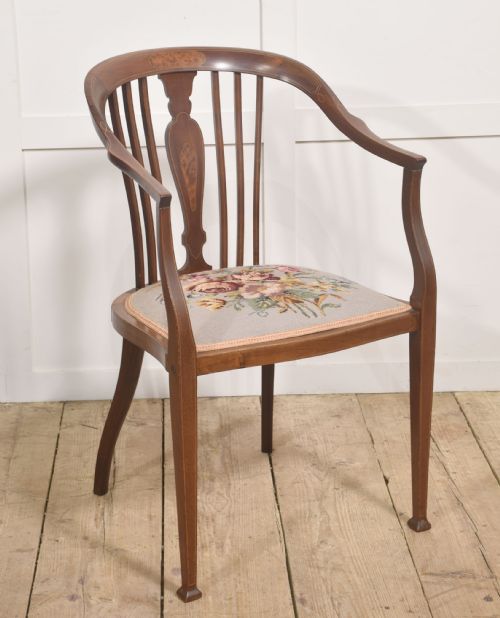


Satinwood Inlaid Armchair
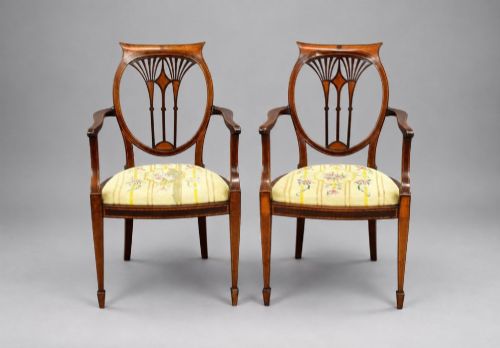
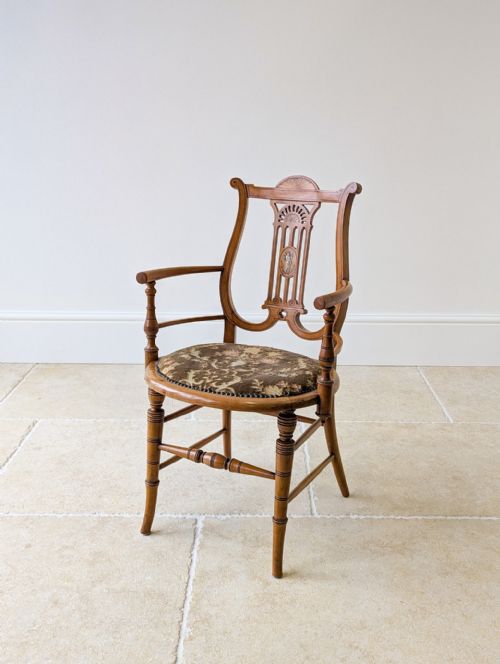
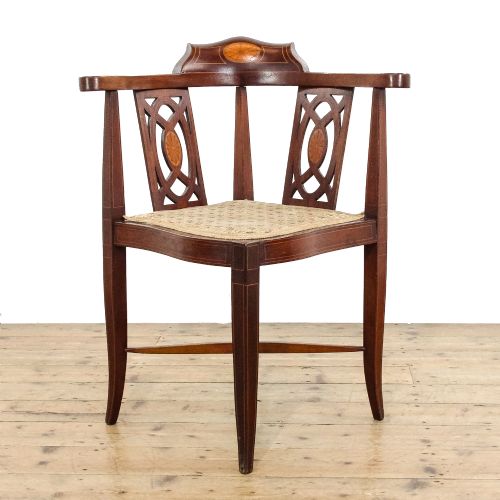
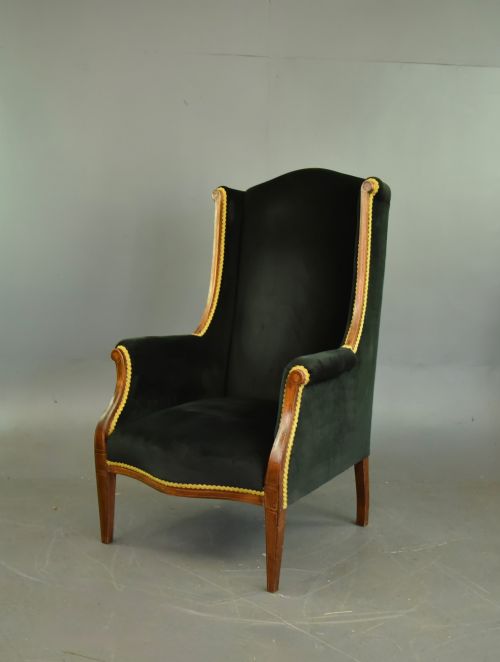
A satinwood inlaid armchair brings luminous grain and crisp contrast to a room, offering both decorative elegance and structural support.
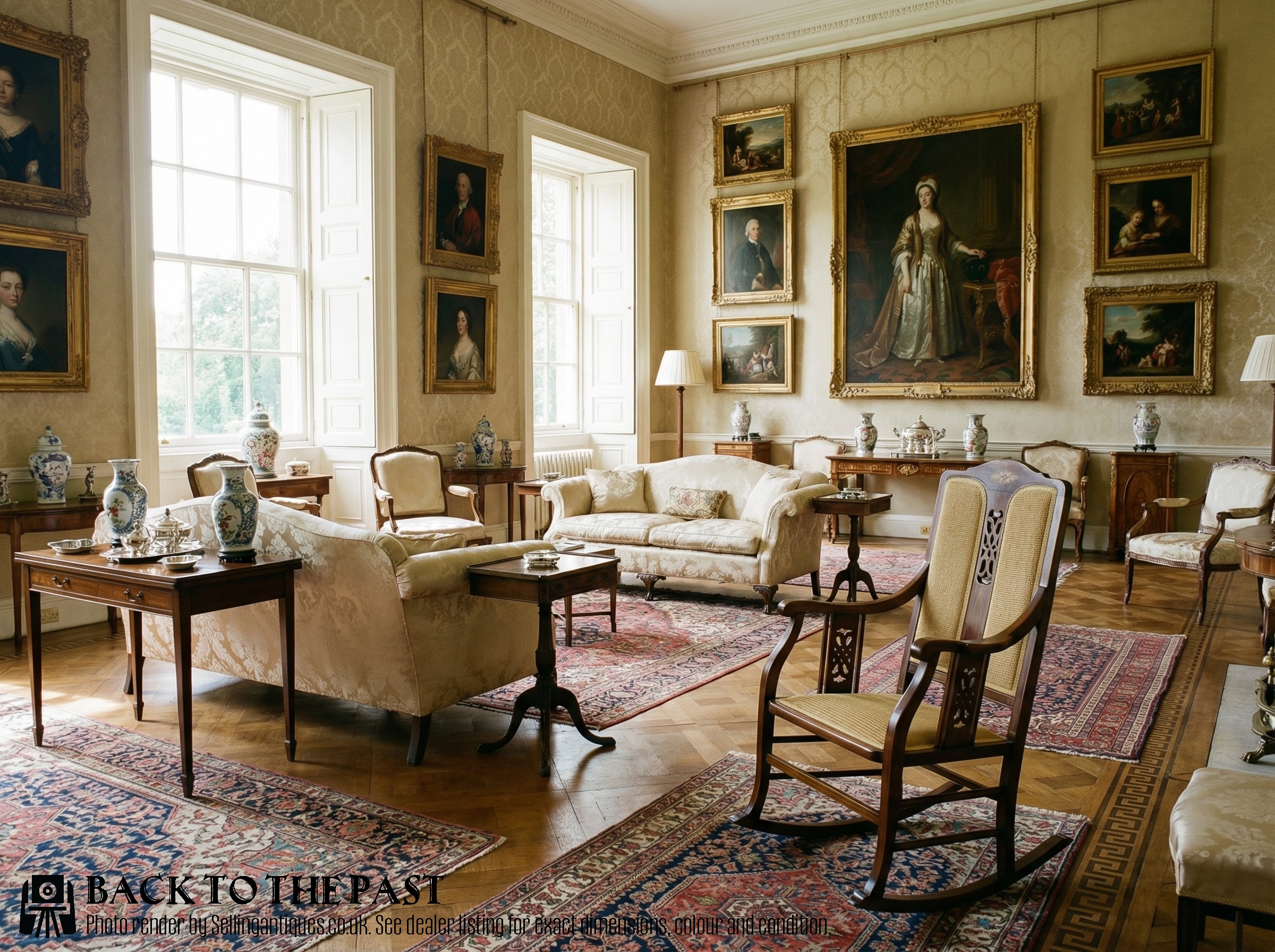
Satinwood Inlaid Armchair
A satinwood inlaid armchair combines rich timbers with pale, exotic veneers to create a striking visual presence in a home. The pieces found here span the Victorian, Edwardian, and Georgian periods, alongside the late nineteenth and early twentieth centuries.
Most examples you will encounter date from the Edwardian era and the late nineteenth century, often reflecting the Sheraton Revival style. These chairs appear in various forms, including occasional chairs, desk chairs, salon chairs, and bergere armchairs.
Makers drew on classical vocabulary, incorporating string inlay, marquetry, and contrasting timbers into functional seating for the drawing room, study, or bedroom.
How they were made
Craftsmen built the primary frames chiefly from mahogany or solid satinwood, applying finer veneers to visible surfaces. String inlay and marquetry detailing were meticulously set into recesses to form geometric borders, floral motifs, or classical urns.
Seating portions relied on traditional upholstery methods, incorporating fabric, leather, velvet, or cane work such as bergere weaving. Metal components like brass and ormolu mounts occasionally appeared on castors, swivelling mechanisms, or decorative frames.
Satinwood Inlaid Armchair Retail Price Guide 2026
Typical asking prices for satinwood inlaid armchair among the pieces listed under this phrase on Sellingantiques today, from the lower quarter to the upper quarter. They describe what is for sale here now, not the wider market.
Some Edwardian children also enjoyed fine tastes, as evidenced by miniature satinwood inlaid armchairs built precisely to scale.
What varies in quality
The distinction between standard and superior pieces rests on the crispness of the inlay and the selection of the timber. Finely figured satinwood and precisely cut marquetry demonstrate a higher level of workshop skill than simpler linear banding.
Structural integrity also defines the tier of a chair, distinguishing robustly joined frames from those weakened by poor past repairs. Original upholstery foundations and well-preserved surface polishes elevate the standing of an individual piece.
Shoolbred
The Satinwood Inlaid Armchair Glossary
- Satinwood
- A dense, lustrous tropical timber with a golden sheen, highly prized for fine cabinet-making and decorative veneer work. It forms the bright contrasting elements characteristic of late eighteenth and nineteenth-century revival furniture.
- String inlay
- A narrow, contrasting strip of wood embedded flush into the surface of a furniture piece to create delicate linear borders. This technique defines much of the restrained ornamentation seen on Edwardian framework.
- Sheraton Revival
- A late nineteenth and early twentieth-century design movement inspired by the neoclassical furniture of George Sheraton. It is characterised by slender proportions, satinwood veneers, and classical motifs.
- Bergere
- An upholstered armchair with enclosed cane or wicker sides and back panels, popular in period seating. These frames often combine mahogany structures with woven cane work and loose squab cushions.
- Marquetry
- The art of applying decorative veneer pieces to a structure to form pictorial or geometric designs. Craftsmen cut various coloured woods to fit precisely together before gluing them onto the carcase.
Satinwood Inlaid Armchair: Frequently Asked Questions
What is a satinwood inlaid armchair?
A satinwood inlaid armchair is a wooden seat decorated with contrasting pale veneers, mostly dating from the Victorian and Edwardian eras. These chairs were designed for drawing rooms, desks, and parlours.
They combine structural framing in timbers like mahogany with detailed inlay work such as stringing or marquetry.
How do I date an inlaid armchair?
Dating relies on observing the timber choice, construction methods, and stylistic cues present in the frame. Edwardian and Sheraton Revival pieces often feature lighter mahogany frames with crisp string inlay.
Victorian examples can display heavier proportions, while Georgian pieces show earlier cabinet-making techniques.
Where should I place this chair?
These armchairs suit studies, bedrooms, and drawing rooms as occasional seating or desk chairs. Their decorative backs make them effective when placed where the reverse remains visible.
Ensure the chair matches the scale of the surrounding furniture to maintain balance in the room.
Are these chairs comfortable for daily use?
Many of these pieces serve well for reading or desk work, depending on the upholstery and arm height. Bergere and upholstered variants offer softer seating compared to open wood-framed salon chairs.
Modern users often pair them with appropriate desk heights or use them as accent pieces.