

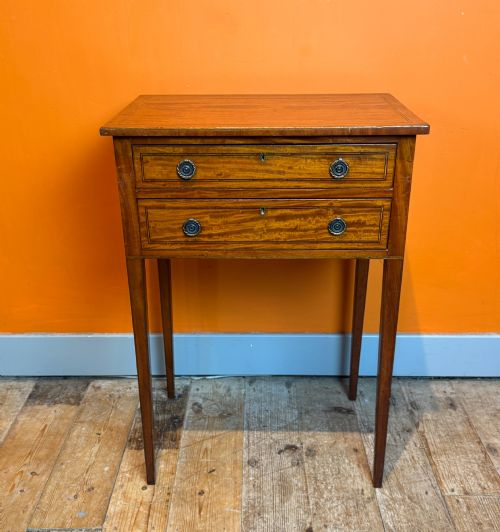
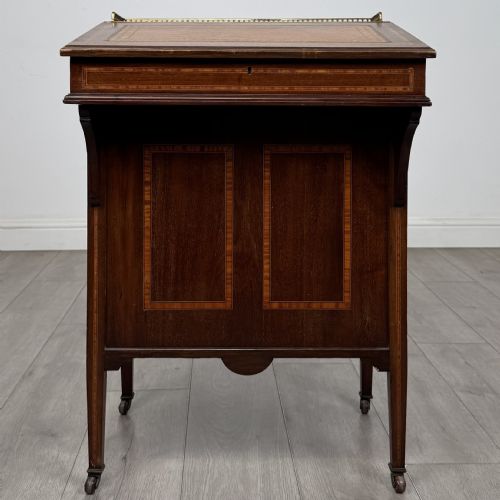
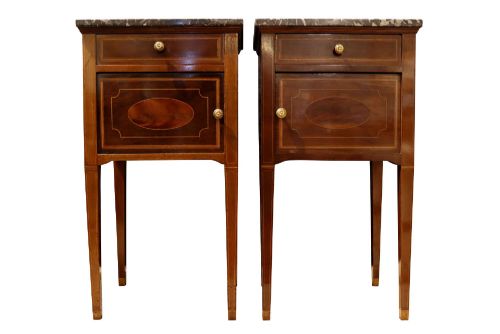
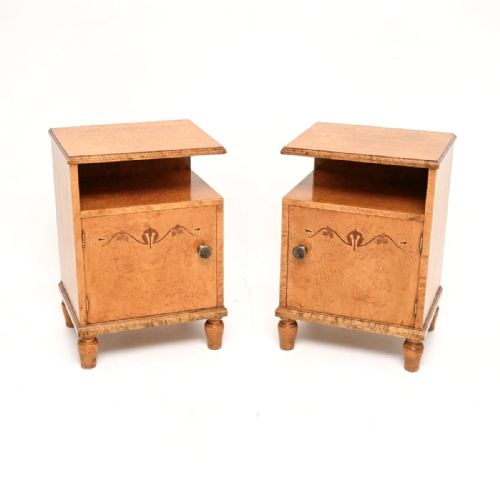
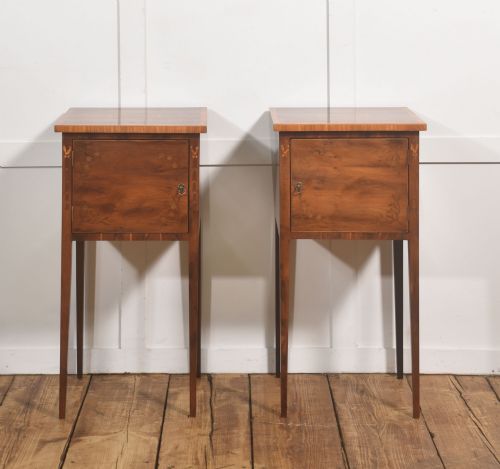
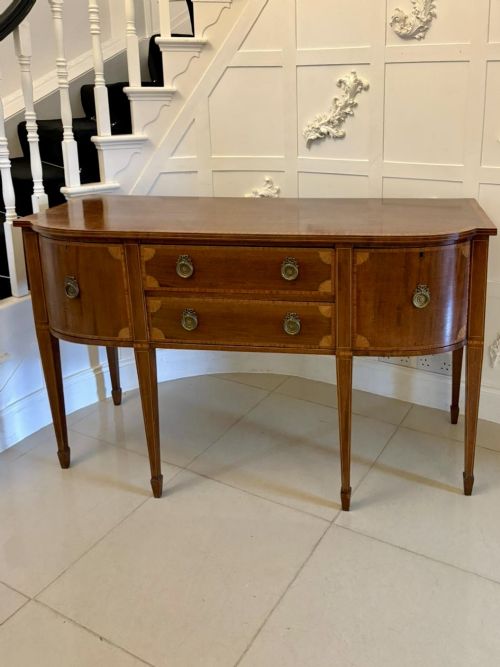
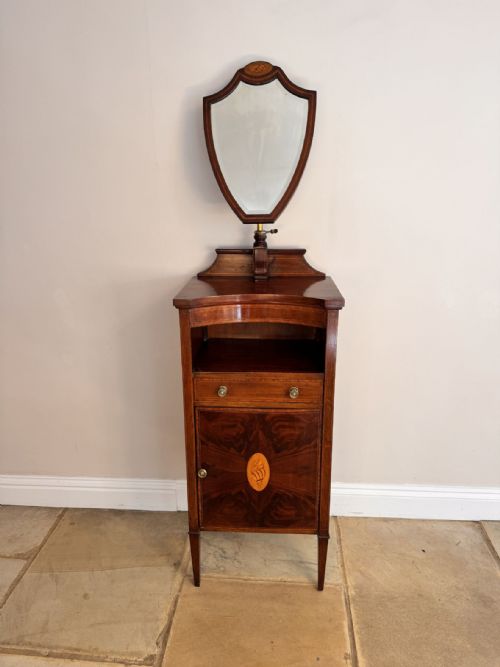

Satinwood Cabinet Table
Satinwood cabinet table pieces bring together refined timbers and delicate proportions, offering practical surface space alongside enclosed storage or display.
Satinwood Cabinet Table
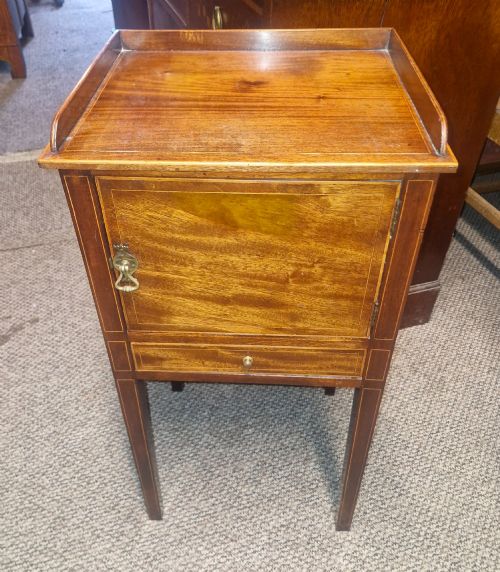
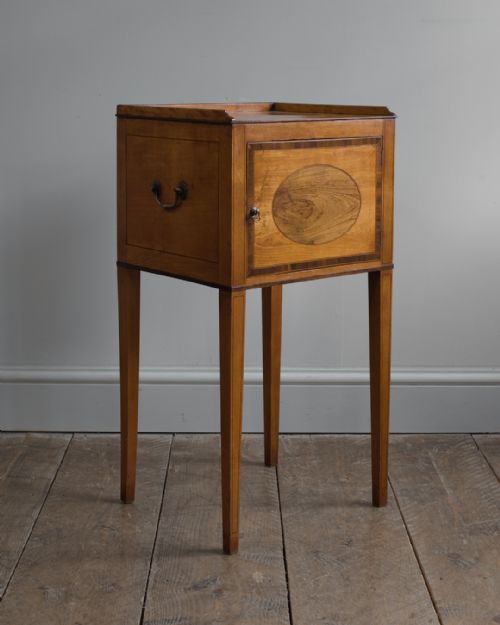
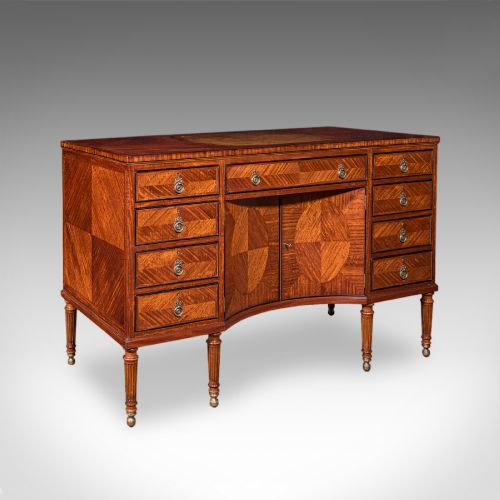
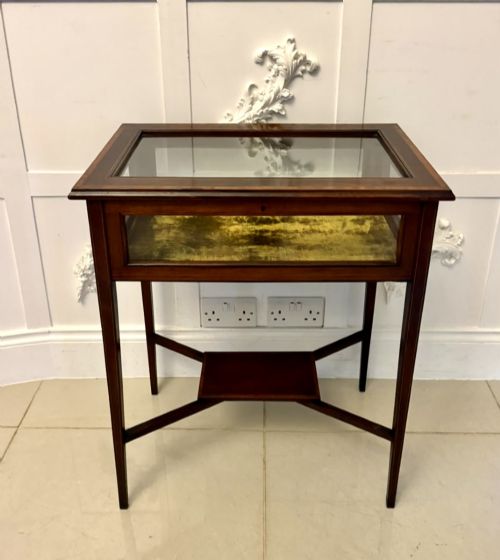
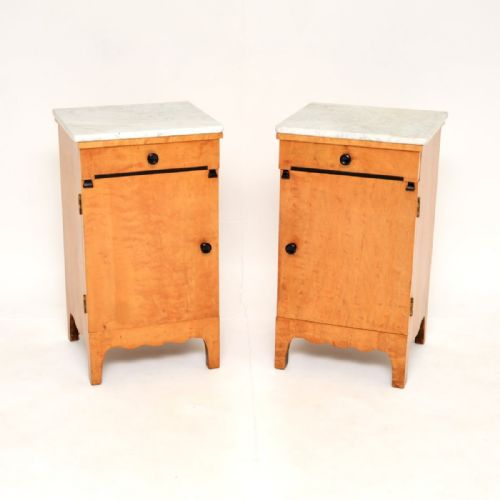
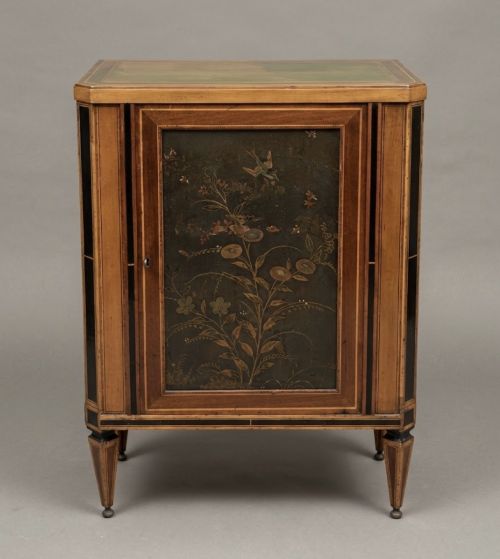
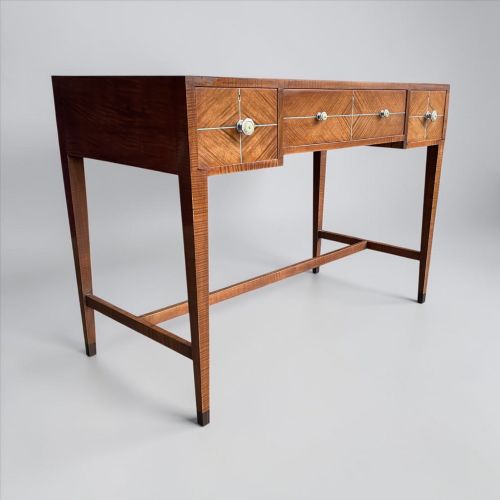
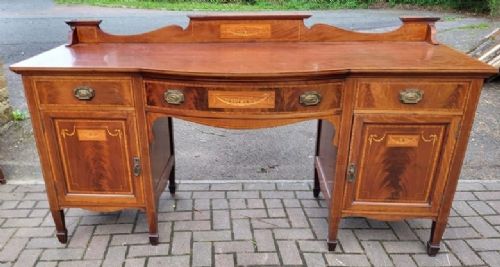
When searching for a satinwood cabinet table, buyers encounter a crossover of forms including bedside cupboards, display vitrines, writing desks, and compact sideboards. These items span periods from the Georgian era through the Victorian years, with Edwardian examples appearing most frequently.
Makers utilised these dual-purpose designs for bedrooms and drawing rooms alike, pairing a functional tabletop with lower cabinets, drawers, or glass-fronted compartments. The survivors reflect a preference for lighter woods and refined joinery that suited sophisticated domestic interiors of the nineteenth and early twentieth centuries.
How they were made
Carpenters constructed these items using solid foundations of mahogany, walnut, or pine, overlaid with figured satinwood veneers and contrasting bandings of boxwood or rosewood. Cabinetmakers incorporated marquetry and parquetry motifs, frequently applying stringing to accentuate panels and tabletops.
Fittings such as brass handles, hinges, and occasional glass panels or Sevres porcelain plaques completed the assembly. Structural joinery relied on traditional dovetails for drawers and mortise-and-tenon joints for the main frames.
Satinwood Cabinet Table Retail Price Guide 2026
Typical asking prices for satinwood cabinet table among the pieces listed under this phrase on Sellingantiques today, from the lower quarter to the upper quarter. They describe what is for sale here now, not the wider market.
Several compact bedside cupboards conceal surprisingly deep drawers once reserved for gentlemanly nighttime accessories.
What varies in quality
The standard of a piece rests primarily on the choice and matching of the timber veneers, alongside the precision of the inlaid stringing. Superior examples display symmetrical grain patterns and crisply executed marquetry rather than printed or painted imitations.
Execution of the hardware and stability of the joints further distinguish finer workshops. Pieces bearing authentic maker stamps or attributed to notable firms maintain greater distinction through superior proportion and heavier mounts.
Morant and Co·Waring and Gillows·Howard and Sons·Edwards and Roberts
The Satinwood Cabinet Table Glossary
- Satinwood
- A durable, yellow-toned timber harvested from tropical trees, prized for its lustrous, light-reflecting grain. It gained widespread popularity in high-end furniture during the eighteenth and nineteenth centuries.
- Bijouterie
- A glass-topped display table or cabinet designed specifically for showing small valuables, jewellery, and curiosities. These items typically feature hinged glass lids and velvet-lined interiors.
- Marquetry
- The art of forming decorative patterns using thin veneers of different coloured woods, laid onto a structural carcase. Craftsmen cut intricate floral or geometric motifs to adorn tabletops and cabinet doors.
- Crossbanding
- A border technique where veneer strips are laid perpendicularly to the main grain of the panel. This frames the central surface and provides a neat, disciplined edge to drawers and tops.
- Serpentine
- A curved furniture front or tabletop shaped in a continuous wave, swelling outward in the centre and curving inward at the sides. This contour requires advanced woodworking skill to execute cleanly.
Satinwood Cabinet Table: Frequently Asked Questions
What is a satinwood cabinet table?
It is a hybrid furniture piece featuring a surface top combined with enclosed cupboard space, drawers, or display glazing. The primary exterior showcases light-toned satinwood veneer.
These versatile items served various roles in historic homes, functioning as bedside nightstands, lamp tables, or miniature display cabinets for valuables.
How do I care for satinwood?
Keep the wood away from direct sunlight and excessive heat sources to prevent the natural veneer from drying or fading. Dust gently with a dry, soft cloth.
Avoid liquid polishes containing silicone, choosing instead a quality microcrystalline wax applied sparingly when the timber requires nourishment.
Are these pieces Edwardian or Georgian?
The selection spans multiple eras, with genuine Georgian examples dating from the eighteenth century alongside a high volume of Edwardian revivals from around nineteen hundred. Stylistic cues such as heavier proportions or specific inlay motifs help distinguish the periods.
Examining the secondary woods inside drawers and the type of construction screws or dovetails provides further clues to the exact age.
How were they used originally?
In bedrooms, they functioned as bedside cupboards to house night-time necessities or washstand accessories. In reception rooms, glazed variants displayed collectors' items and jewellery.
Their compact scale allowed them to fit easily into smaller corners while providing both surface utility and discreet storage.