






Sarab Wool Carpet
A sarab wool carpet is a durable runner rug from north west Persia that brings traditional village warmth to a hallway.
Sarab Wool Carpet
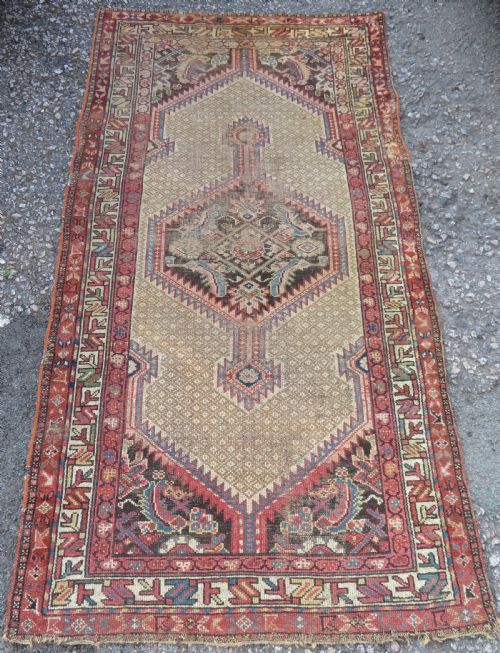
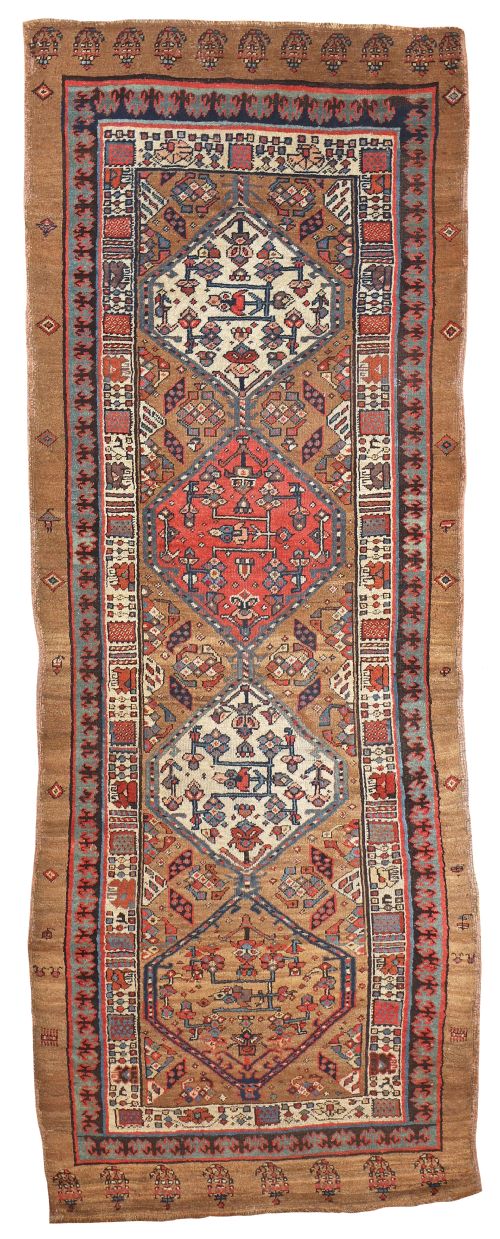
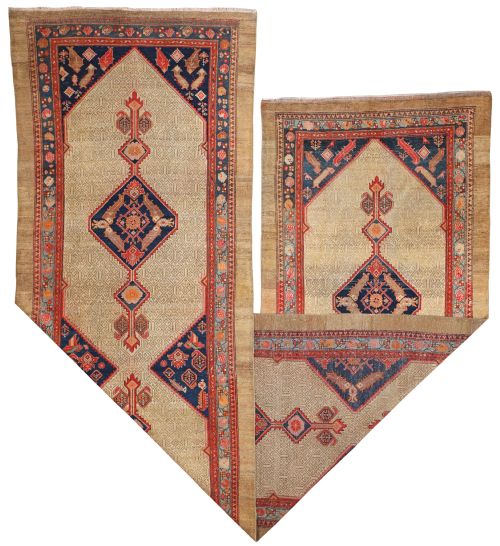
A sarab wool carpet is primarily found on this page in the form of antique runner rugs and hallway runners. These pieces originate from north west Persia and display traditional village designs across various nineteenth and early twentieth century dates.
The selection here encompasses items from the 1870s up through the 1920s, showcasing both country house rugs and narrow village runners. Buyers encounter formats suited specifically for corridors and extended spaces within residential properties.
Tribal and village classifications dominate the style categories for this phrase, reflecting the rural weaving traditions of their origin. Each rug carries the distinctive aesthetic of Persian village production from the late Victorian and Edwardian eras.
Materials and construction
These floor coverings utilise natural wool and cotton fibres structured by traditional weaving techniques in north west Persia. The combination of wool pile and cotton foundations provides the structural integrity required for long hallways and high-traffic areas.
Certain examples incorporate camel hair alongside standard wool within their construction, adding natural tonal variations to the pile. Artisans produced these village runners using established regional methods that predated commercial mass manufacturing.
Sarab Wool Carpet Retail Price Guide 2026
Typical asking prices for sarab wool carpet among the pieces listed under this phrase on Sellingantiques today, from the lower quarter to the upper quarter. They describe what is for sale here now, not the wider market.
Listings for this phrase exclusively span periods between 1870 and 1920, incorporating wool, cotton, and camel hair materials.
Distinctions in quality
The calibre of a piece depends upon the crispness of the traditional design and the evenly distributed density of the wool pile. Earlier nineteenth-century examples often display greater fineness in the execution of the village motifs.
Preservation of the original proportions and the condition of the edges and foundation determine the standing of individual rugs. Pieces that retain their full length and structural integrity without excessive distress command stronger interest from discerning buyers.
The Sarab Wool Carpet Glossary
- Runner
- A long, narrow carpet designed specifically for corridors, hallways, and staircases. These rectangular formats measure significantly longer than they are wide to fit linear spaces.
- Pile
- The upright yarn loops or cut ends that form the usable surface of a carpet. This soft upper layer absorbs foot traffic and displays the woven pattern.
- Foundation
- The underlying grid of warp and weft threads that supports the knotted pile of a rug. Cotton typically serves this purpose in these Persian village pieces.
- Village rug
- A carpet woven independently in a rural community rather than a city workshop. These pieces often feature geometric motifs and spontaneous design choices.
Sarab Wool Carpet: Frequently Asked Questions
Where were they made?
These rugs originated in north west Persia, produced by rural weavers in and around the Sarab region. The local workshops and villages relied on traditional regional patterns.
Production spanned several decades from the late nineteenth century into the early twentieth century. Each piece reflects the specific material availability and weaving customs of that territory.
How do I use a runner?
A narrow runner rug fits naturally into hallways, corridors, and long entryways where standard rectangular carpets fail to work. Their elongated shape guides movement through domestic spaces.
They also function effectively beside beds or in galley kitchens to introduce warmth and texture. Proper underlay helps keep these antique pieces stable on hard flooring.
How do I date an antique rug?
Dating relies on stylistic clues, structural characteristics, and material analysis compared against known examples from specific decades. Pieces from the 1870s often exhibit different wear patterns and dye characteristics than those from the 1920s.
Construction methods changed gradually as commercial trade expanded into rural Persian communities. Examining the foundation and wool quality helps place an item within its correct historical window.
What is camel hair used for?
Camel hair provides a distinct un-dyed brown or golden hue within the wool pile of certain village rugs. Weavers utilised this natural fibre to introduce subtle warmth and tonal contrast.
Its inclusion is characteristic of specific regional production methods in north west Persia. Over time, camel hair ages gracefully alongside standard sheep wool.