


Sapphire Old Cut Diamond
A sapphire old cut diamond piece pairs deep blue corundum with hand-faceted stones shaped before modern machinery standardised gemstone geometry.
Sapphire Old Cut Diamond
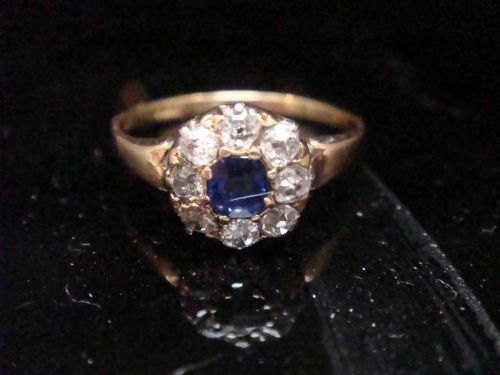
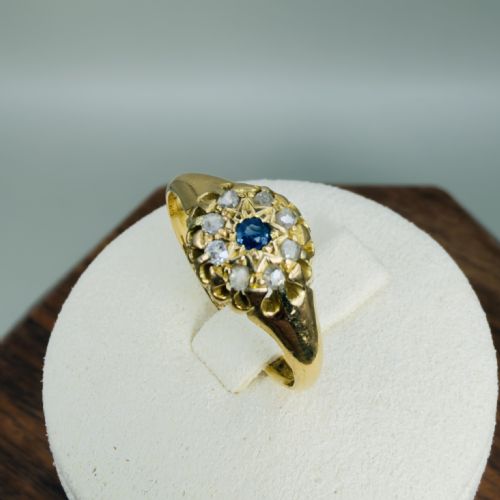
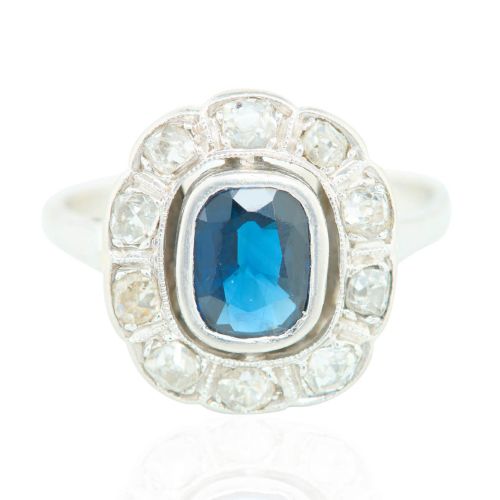
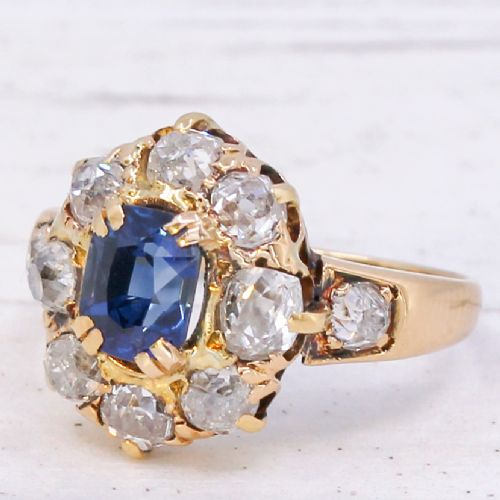
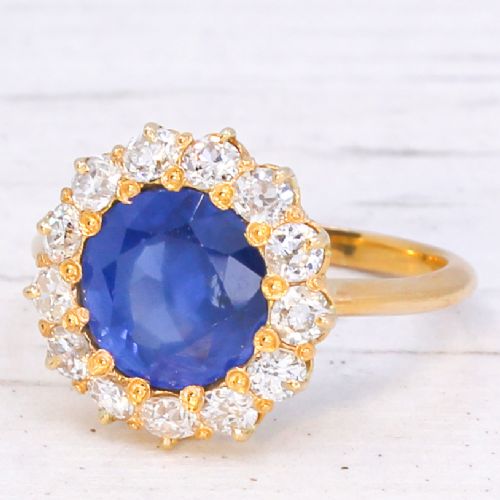
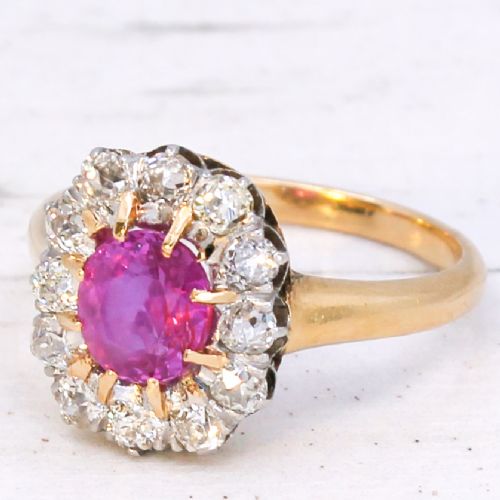
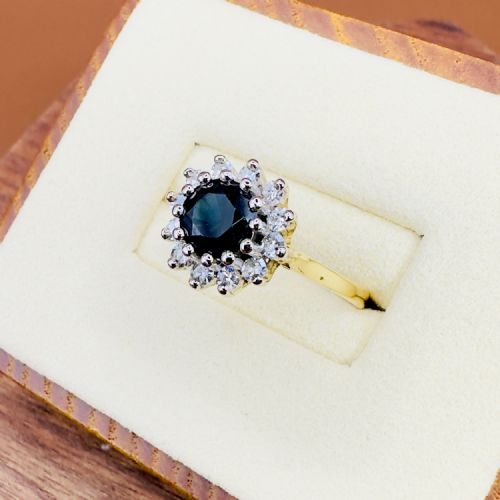
A sapphire old cut diamond search brings together antique and vintage jewellery uniting blue corundum with hand-faceted stones shaped before modern machinery standardised gemstone geometry. The most common form on this page is the cluster ring, where a central sapphire is surrounded by a halo of glittering diamonds.
Beyond rings, the selection includes brooches, pendants, earrings, and dress rings spanning the Victorian, Edwardian, and Art Deco eras. These pieces capture the changing aesthetic from ornate nineteenth-century gold work to the geometric precision of the early twentieth century.
Origins vary from unheated Burmese and Ceylon stones to basaltic sapphires, mounted in settings ranging from simple yellow gold claws to intricate platinum plaques. Each survivor reflects the dominant metalworking techniques and lapidary styles of its decade of origin.
How They Were Made
Goldsmiths utilised 18ct yellow gold, white gold, and platinum, often combining platinum tops with yellow gold shanks during the Edwardian transition to highlight the brilliance of the diamonds. Metalwork ranges from heavy cast and hand-finished mounts to delicate pierced gallery wire and millegrain edges.
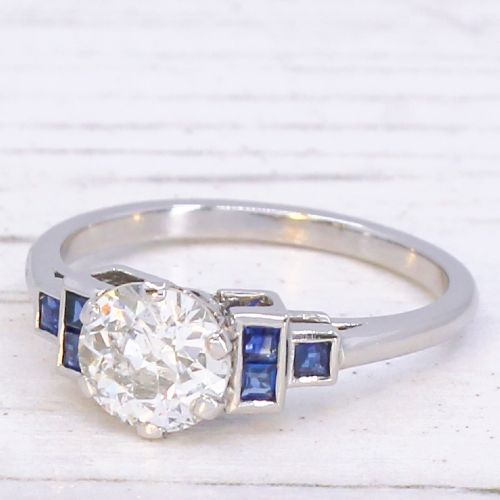
Diamonds were hand-cut with high crowns, small tables, and open culets, creating a softer candlelight sparkle rather than modern brilliant-cut fire. Sapphires were shaped into rounds, ovals, marquises, and calibré cuts to fit tightly into intricate cluster and plaque arrangements.
Styles span Victorian boat rings, Edwardian diamond bows, and geometric Art Deco plaque designs.
What Varies in Quality
Quality rests in the natural origin, thermal treatment status, and saturation of the sapphire, alongside the weight and clarity of the surrounding old cut diamonds. Unheated stones with intense natural blue or pink hues command greater attention from collectors than treated alternatives.
The integrity of the setting and the precision of the hand-cutting determine overall execution, with millegrain work and pierced galleries showing the maker's hand. Well-matched stone proportions and substantial original metal weight separate ordinary mass-produced items from finer examples.
The Sapphire Old Cut Diamond Glossary
- Old cut diamond
- A hand-faceted diamond featuring a small table, high crown, and large open culet designed to catch ambient light. These stones were shaped individually before machine standardisation.
- Cluster ring
- A jewellery configuration featuring a prominent central gemstone encircled by a halo of smaller stones. This design maximised visual impact on the hand.
- Millegrain
- A decorative jewellery technique creating a raised border of tiny bead-like metal points along setting edges. It adds texture and softens the transition between metal and stone.
- Calibré cut
- Gemstones specifically shaped and cut to fit tight geometric patterns within a metal setting. This technique is prominent in Art Deco mountings.
- Culet
- The small flat facet at the very bottom of a gemstone where the pavilion facets meet. Antique stones typically feature an open culet visible under magnification.
Sapphire Old Cut Diamond: Frequently Asked Questions
How do I care for antique rings?
Clean these pieces gently using warm soapy water and a soft brush, avoiding harsh ultrasonic cleaners that can loosen old settings or disturb fragile gemstones. Store them individually in lined boxes to prevent the harder diamonds from scratching the softer sapphire surfaces.
Have a jeweller inspect the claws and gallery work periodically to ensure the stones remain secure in their original mounts. Minimise exposure to chemicals, lotions, and household detergents during daily wear.
What is an old cut diamond?
An old cut diamond is a historically faceted stone shaped by hand before modern symmetrical standards were established in the twentieth century. These diamonds feature distinctive optical characteristics like high crowns and small tables.
They were cut to glow under candlelight and gaslight, producing broader flashes of light rather than the pinpoint brilliance of contemporary cuts. This individuality gives each antique stone a unique character.
How can I tell the period?
Dating relies on a combination of metal choice, manufacturing techniques, gemstone cuts, and hallmarks stamped inside the band. Victorian pieces often utilise heavier yellow gold boat and gypsy settings.
Edwardian jewellery introduces platinum and white gold with delicate millegrain wirework, while Art Deco designs showcase geometric symmetry and calibré-cut stones. Hallmarks and registration marks provide definitive documentary evidence where present.
Can I wear one every day?
Sapphire and diamond are durable minerals suitable for daily wear, though antique and vintage settings require more mindful handling than modern jewellery. Consider removing rings during strenuous physical tasks, gardening, or weightlifting to protect the delicate antique metalwork.
Regular professional checks will ensure that the prongs and bezels holding the stones remain strong and secure through years of regular use.