
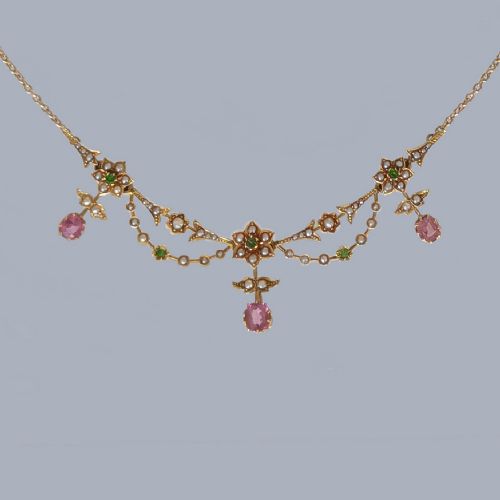


Sapphire Drop Necklace
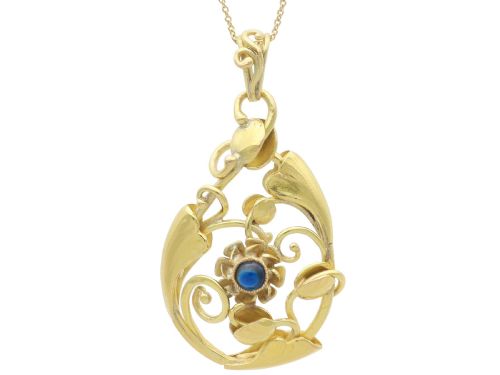
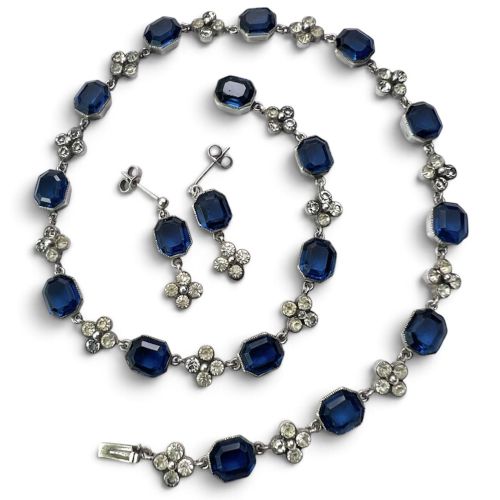
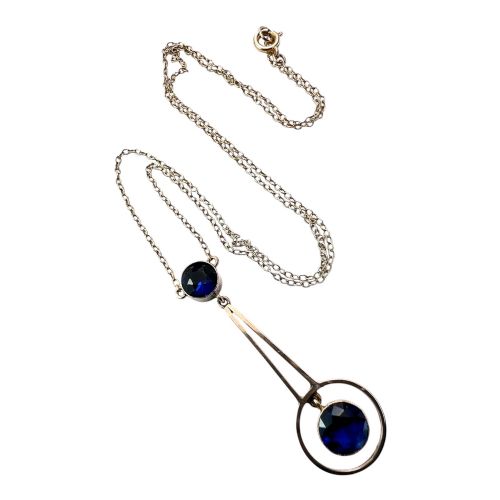
A sapphire drop necklace brings together coloured gemstones and precious metals, offering a wearable piece of history that catches the eye.
Sapphire Drop Necklace
A sapphire drop necklace takes many forms across different eras, suspended on chains or integrated into pendant designs. You will frequently encounter Edwardian and Victorian pieces alongside later mid-century examples.
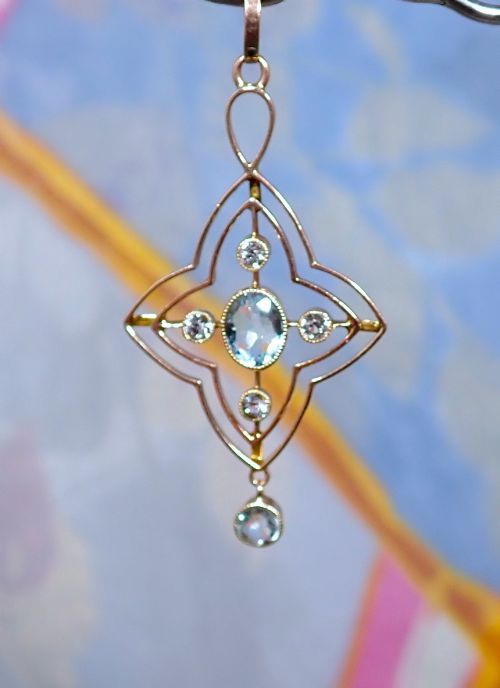
Makers utilised various gold purities, platinum, and silver alongside stones such as white sapphire, paste glass, and aquamarine. These materials reflect the changing tastes from the late nineteenth century through to the mid-twentieth century.
How they were made
Jewellers shaped precious metals including 9ct gold, 15ct yellow gold, 18ct gold, and platinum to house the central sapphires. Stones were secured using traditional setting techniques suited to the period.
Gemstones paired with sapphires in these listings include diamonds, seed pearls, aquamarines, tourmalines, garnets, and paste glass.
What varies in quality
The overall quality rests on the selection of the sapphire and the skill of the metalwork. Rich colour saturation in the sapphire paired with finely proportioned gold or platinum mounts distinguishes the finest examples.
Attention to detail in subsidiary stones like diamonds or seed pearls elevates a piece. Well-preserved settings and balanced drop designs show the maker's care.
The Sapphire Drop Necklace Glossary
- Drop pendant
- A pendant designed to hang a single gemstone or cluster below the main chain line. This format draws the eye downward.
- Seed pearl
- A very small, naturally small pearl often used in Victorian and Edwardian cluster and fringe jewellery. They add a soft lustre.
- Negligee pendant
- A style featuring two asymmetrical drops suspended from a central bow or motif, popular during the Edwardian era. It offers a fluid movement.
- Paste glass
- Hand-cut and polished glass used as a gemstone substitute in historical jewellery. It allows for bright colour and sparkle.
- Cluster pendant
- A central stone surrounded by a ring of smaller accent stones, typically diamonds or pearls. This arrangement maximises visual impact.
Sapphire Drop Necklace: Frequently Asked Questions
How do I date an antique sapphire necklace?
Dating relies on stylistic clues, metal purity marks, and the cutting style of the gemstones. Edwardian pieces often display delicate platinum work, while Victorian examples lean towards yellow gold.
Examining the clasp and chain construction also provides clues regarding the period of manufacture.
Are sapphires always blue?
While blue is the most common colour, sapphires occur in pink, yellow, and colourless varieties. Historical pieces frequently showcase these alternative shades alongside traditional blue stones.
White sapphires were often used as diamond substitutes in Edwardian designs.
How should I care for antique jewellery?
Antique pieces require gentle handling due to their age and delicate settings like seed pearls. Avoid harsh chemical cleaners and ultrasonic baths which can damage softer stones and historic metal.
Store each piece separately in a soft pouch to prevent scratching.