


Samson Porcelain Pair
These pieces of samson porcelain pair work are decorative nineteenth-century objects from Paris created in imitation of earlier factories, offering buyers historic styles for interior display.
Samson Porcelain Pair
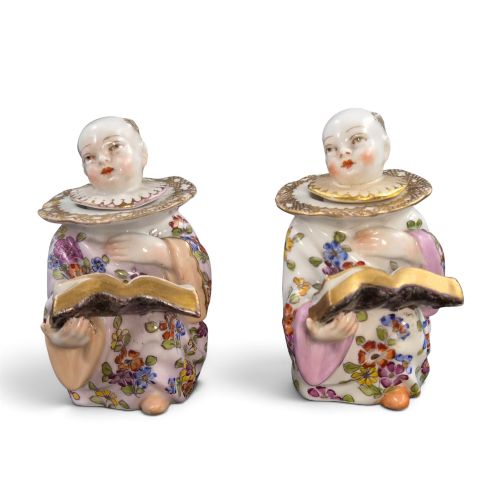
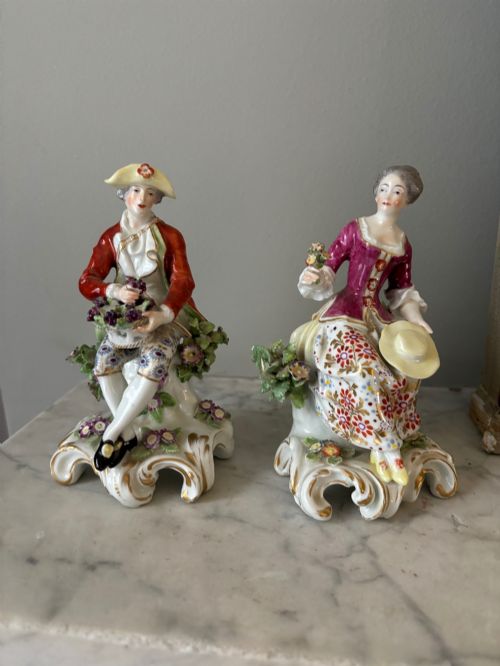
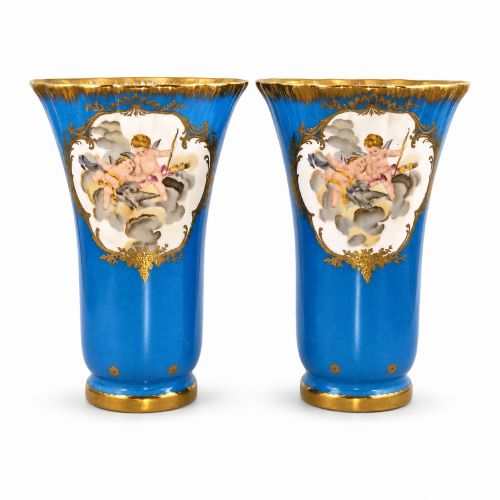
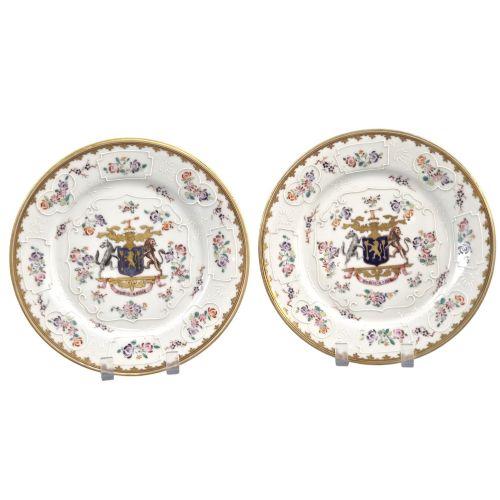
A samson porcelain pair consists of matched decorative objects created by the Parisian firm of Edmé Samson during the nineteenth century. These items take the form of figures, vases, plates, and candelabra designed to emulate earlier works from renowned factories.
The most common examples on this page are figural groups and vases produced in Paris during the middle and late nineteenth century. These objects copy styles from historical makers such as Chelsea, Derby, Meissen, and Sèvres, alongside Chinese and Japanese aesthetics.
Buyers encounter matching pairs depicting allegorical subjects, seasonal figures, animals, and armorial designs. The workshop specialised in reproducing historic ceramic aesthetics for collectors who desired the appearance of scarce eighteenth-century prototypes.
What varies in quality
Quality depends upon the precision of the hand-painted details and the crispness of the porcelain modelling. Finer examples display meticulous brushwork on polychrome enamels and careful application of gold leaf.
The sophistication of the historical imitation separates standard production from superior pieces. Workshops achieved greater success when emulating the intricate surface textures of earlier Chelsea and Meissen figures rather than executing simplified copies.
Collectors find porcelain poodles carrying baskets in their mouths alongside stately figures of birds and aristocrats.
Edmé Samson·Edmé Samson and Cie
The Samson Porcelain Pair Glossary
- Hard-Paste Porcelain
- A dense, durable ceramic composed of kaolin and petuntse fired at high temperatures. This material forms the primary body for nineteenth-century French imitation wares.
- Polychrome Enamel
- Coloured glass powders fused to the ceramic surface through firing. Artisans utilised these pigments to achieve vibrant painted decoration.
- Ormolu
- Gilt bronze mounts applied to decorative objects. This metalwork frames porcelain vases and candelabra.
- Bocage
- A background of applied ceramic foliage and flowers found behind figures. This technique originates in eighteenth-century English factories.
- Imari Style
- A decorative scheme featuring underglaze blue and iron red with gilding. The aesthetic derives from Japanese export porcelain.
Samson Porcelain Pair: Frequently Asked Questions
What is a samson porcelain pair?
These items are nineteenth-century Parisian decorative objects created to replicate earlier ceramic styles.
They provide collectors with matched sets modelled after historic factories like Chelsea and Meissen.
How can I identify these pieces?
Look for nineteenth-century hard-paste porcelain decorated with hand-painted enamels and historic factory marks.
The workshop often imitated specific British, European, and Asian designs from the eighteenth century.
Where were these items made?
Production took place in Paris, France, during the Victorian era through the twentieth century.
The firm specialised in creating high-quality interpretations of scarce antique prototypes for the domestic market.
How should I display them?
Place matching figures or vases on stable mantelpieces or cabinets away from direct sunlight.
Handle ormolu mounts and delicate porcelain extremities with care during cleaning.