



Salvage Lighting
Salvage lighting brings character and history indoors through lanterns, street lamps, and architectural fittings rescued from period buildings and public spaces.
Salvage Lighting
Salvage lighting encompasses rugged street lamps, heavy copper lanterns, and decorative ceiling roses originating from periods such as the Victorian era, the Edwardian years, and the early twentieth century.
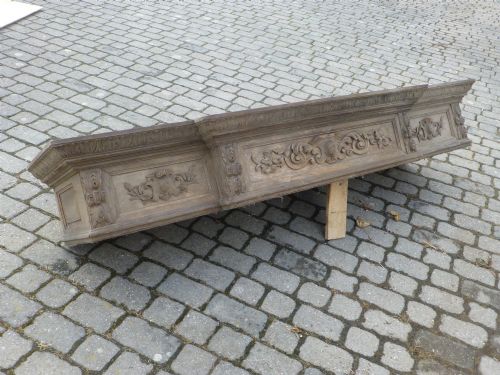
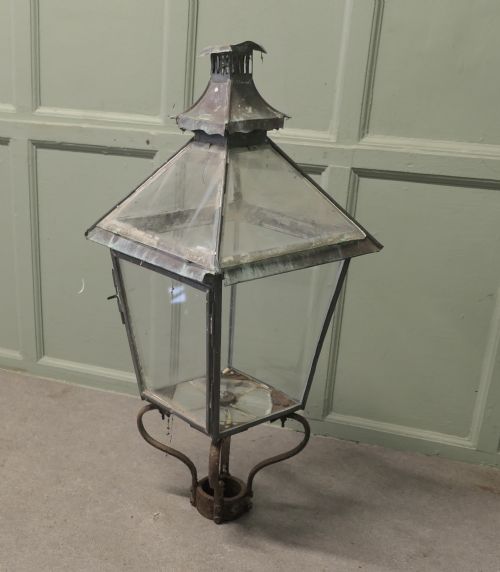
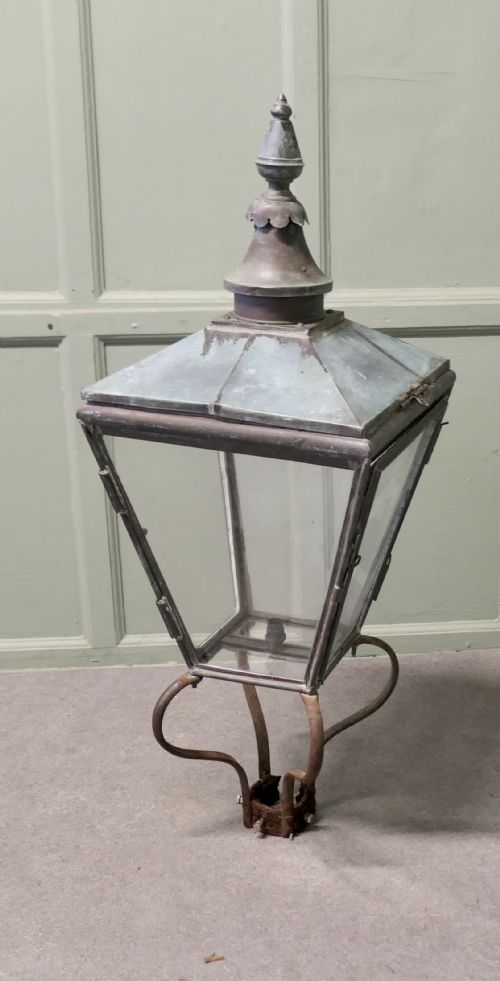
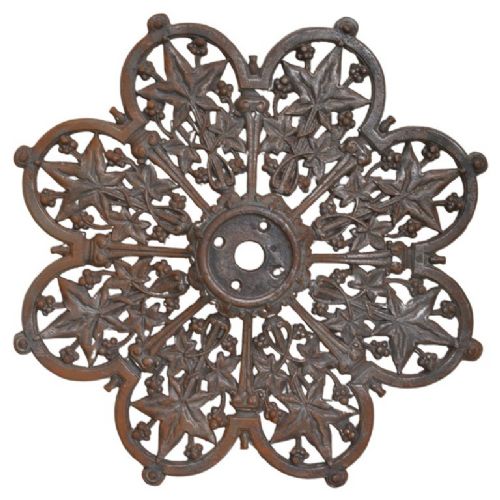
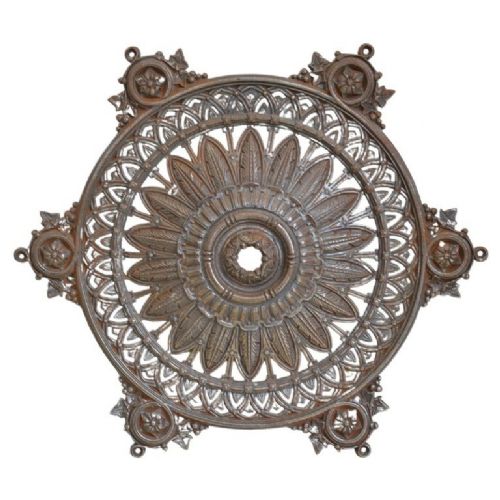
The pieces on this page lean heavily towards large outdoor and public fixtures, including copper gas street lamps and cast iron lamp posts, alongside interior architectural accents like cast iron and brass ceiling roses.
Buyers seeking this phrase look for authentic functional objects that once served streets, public buildings, or large estates, bringing genuine industrial and period utility into modern spaces.
How they were made
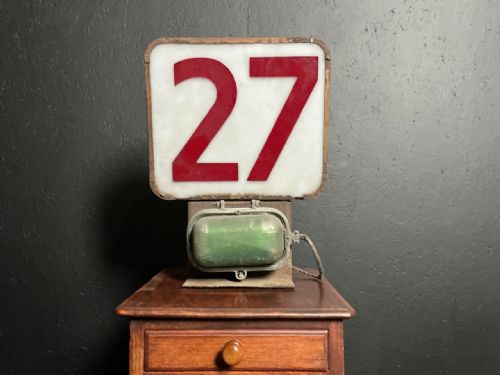
These items rely on heavy metals like cast iron, copper, and brass for structural endurance, often paired with robust glass panels designed to withstand exterior weather conditions.
Many lanterns and street lamps combine sheet copper and lead frames with soldered joints, while ceiling roses utilise cast metal techniques to achieve intricate leaf and feather decorative motifs.
Salvage Lighting Retail Price Guide 2026
Typical asking prices for salvage lighting among the pieces listed under this phrase on Sellingantiques today, from the lower quarter to the upper quarter. They describe what is for sale here now, not the wider market.
Listings feature heavy industrial pieces spanning the Victorian period through to the 1930s, utilising copper, cast iron, and glass.
What varies in quality
Quality in these pieces rests upon the integrity of the original metalwork, the weight of the castings, and whether intricate decorative details like ivy leaves or feather designs remain sharp and crisp.
The distinction between ordinary utility items and superior examples lies in the completeness of original components, such as intact copper bodies, original glass, and maker markings on heavy street furniture.
A Foster & Pullen Bradford·Revo Tipton
The Salvage Lighting Glossary
- Ceining rose
- A decorative circular moulding fixed to the ceiling from which a light fitting is suspended. Victorian examples frequently feature cast iron or brass construction with floral and leaf motifs.
- Lantern
- An enclosed protective housing for a light source, typically constructed from copper and glass. These fixtures were designed to withstand outdoor exposure on streets or building exteriors.
- Lamp post
- A tall vertical post designed to support an exterior street light or lantern. They are predominantly cast in iron and often bear industrial foundry origins.
- Architectural salvage
- Building materials and fixtures rescued from structures slated for demolition. This category includes everything from street lamps to decorative capitals and ceiling roses.
Salvage Lighting: Frequently Asked Questions
How do I install salvage street lamps indoors?
Large outdoor street lamps and copper lanterns require secure structural mounting due to their considerable weight in copper, iron, and glass. Consulting an experienced electrician ensures the fitting is safely wired for interior domestic use.
Positioning these substantial pieces in high-ceilinged rooms or hallways allows the scale and historical presence of the metalwork to anchor the space effectively.
Can cast iron ceiling roses support heavy light fixtures?
Victorian cast iron and brass ceiling roses were originally built to bear the mechanical weight of gas or early electric fixtures. Their robust metal construction makes them durable enough for modern pendant installations when properly anchored.
Ensure the mounting surface behind the rose can handle the combined load of the cast iron and your chosen hanging light.
How do I identify a Victorian street lamp?
Victorian street lamps and lanterns are defined by their heavy copper and cast iron construction, riveted seams, and utilitarian design meant for gas street lighting. They frequently show patination accumulated over decades of exterior exposure.
Examining the weight of the metal and the joining techniques helps separate genuine nineteenth-century street furniture from later reproductions.
What maintenance do copper lanterns need?
Historic copper lanterns require minimal intervention to preserve their aged appearance. Light dusting and gentle cleaning of the glass panels maintain clarity without stripping the natural patina developed over generations.
Avoid abrasive metal polishes unless you specifically wish to expose bright raw copper, though most collectors prefer the historical dark oxidation.