
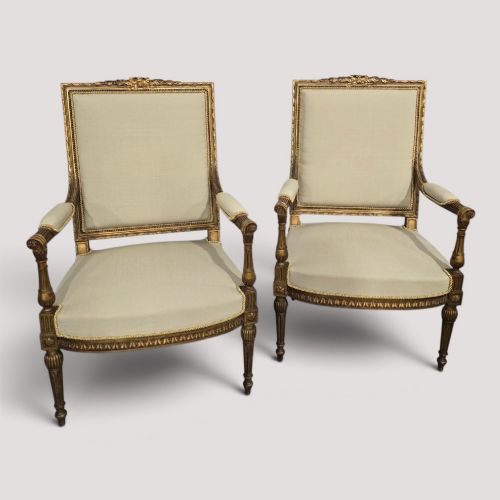
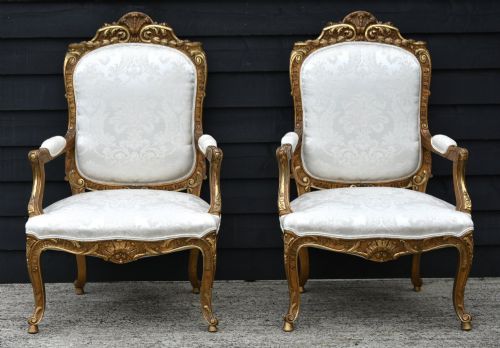
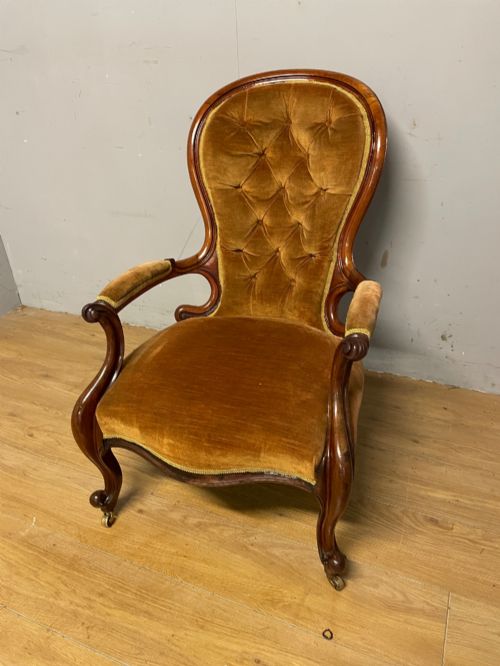
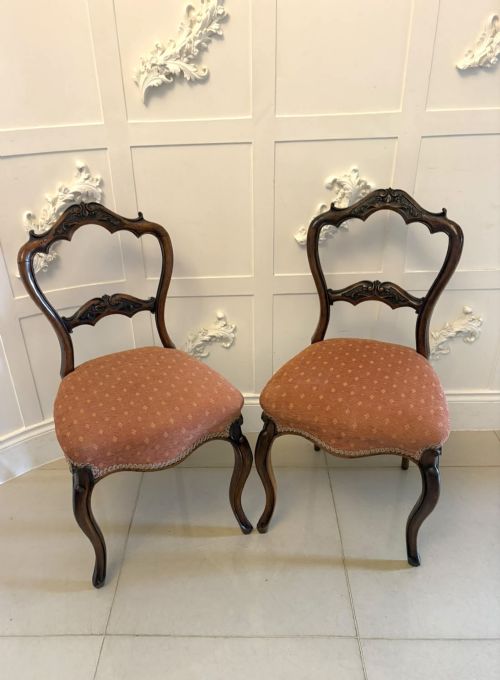

Salon Open Chair
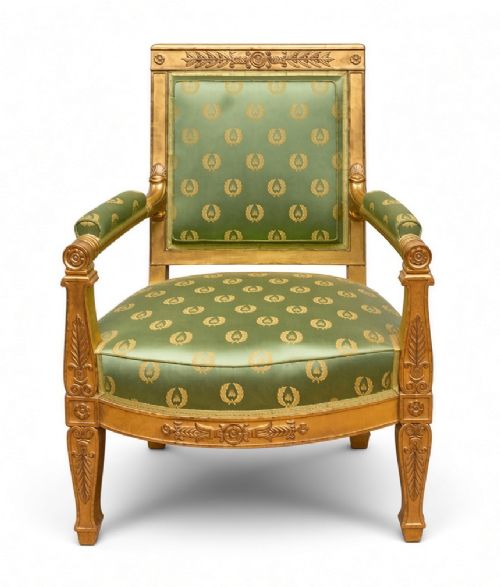
A salon open chair brings lightness and posture to a room, offering a carved wooden frame with exposed arms.
Salon Open Chair
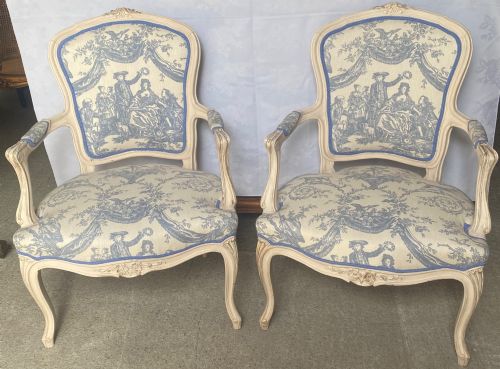
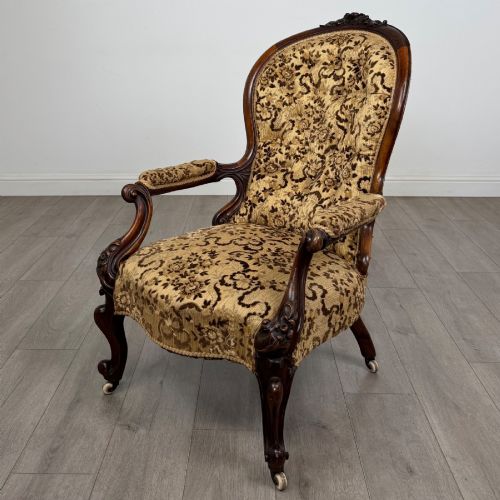
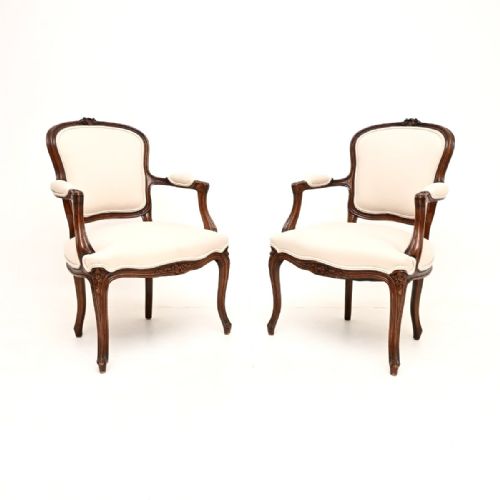
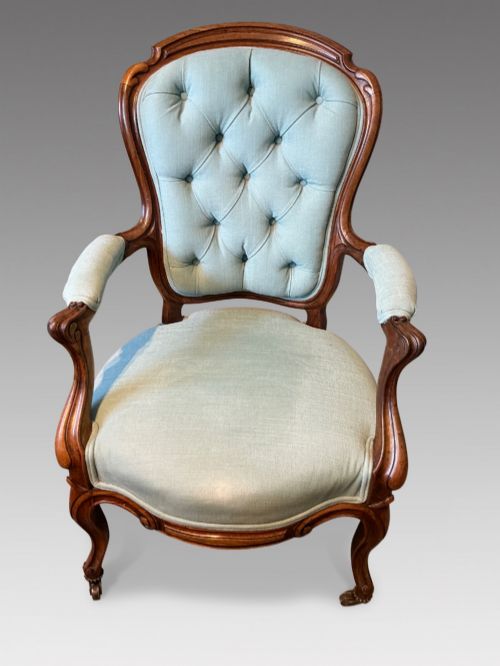
A salon open chair is a seating form created for reception rooms, characterised by its show wood frame and open sides rather than padded upholstery running the full length of the arms. You will frequently meet pieces shaped by French taste, spanning Louis XV and Louis XVI revivals alongside English walnut and mahogany examples.
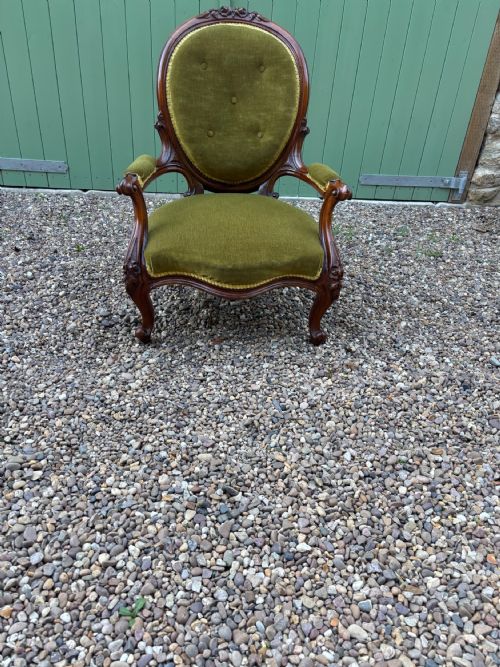
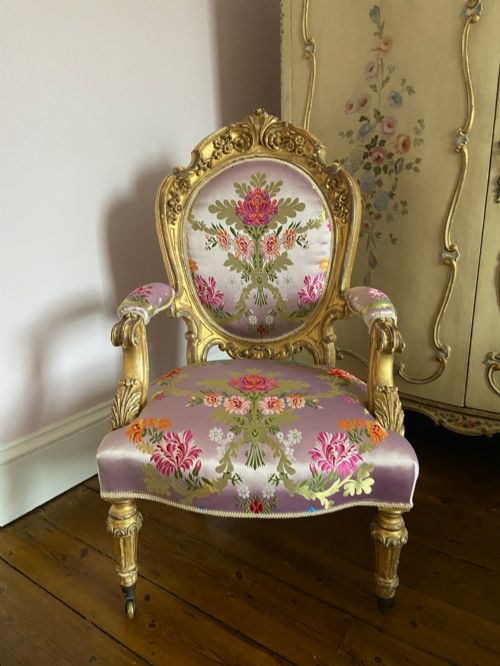
The evidence shows these seats appearing across the eighteenth, nineteenth, and early twentieth centuries, with Victorian iterations often adopting French stylistic elements. Forms range from compact parlour seats to large giltwood throne chairs designed for formal display.
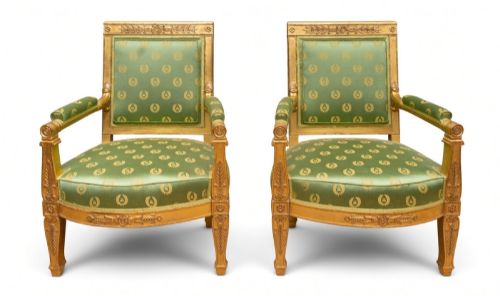
Makers and workshops across Britain and France produced these chairs in sets or pairs, incorporating open armrests that permit voluminous skirts and gowns to sit comfortably within the perimeter of the frame.
How salon open chair frames were constructed
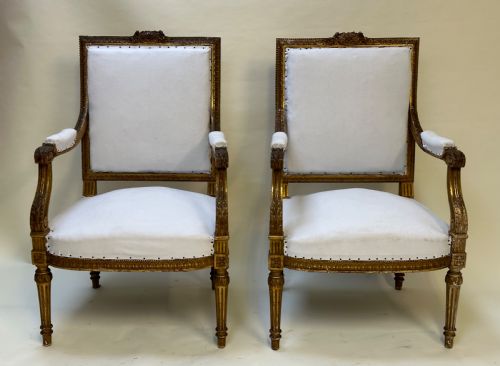
Makers shaped the structural skeletons of a salon open chair from dense timbers including walnut, beech, oak, and mahogany, often applying layers of gesso before gilding the surface with gold leaf. Giltwood and parcel gilt finishes sit alongside painted treatments and natural hardwood grains.
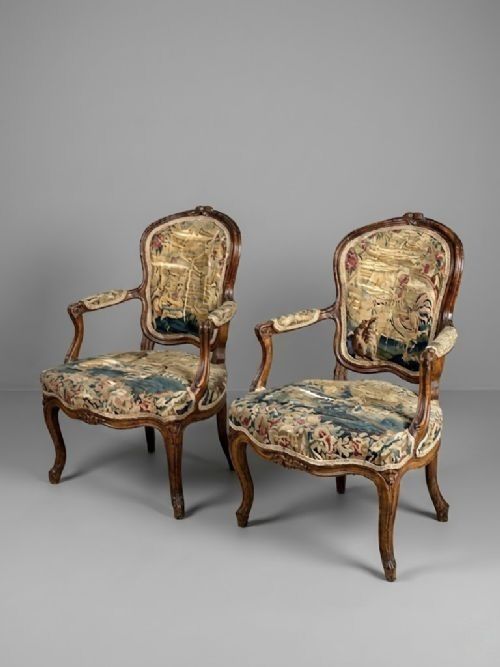
Upholstery techniques relied on webbing, stuffing, and hand-stitched coverings of silk, velvet, damask, tapestry, and needlepoint panels. Frames frequently display deep hand-carved floral motifs, scrollwork, and fluted legs characteristic of revivalist cabinetmaking.
Listings for a salon open chair span the Victorian, Edwardian, and Regency periods, utilising giltwood, walnut, beech, and silk fabrics.
What separates fine salon open chair examples
The distinction between ordinary and exceptional examples rests in the crispness of the wood carving and the integrity of the original gilt or painted surface. Sharp chisel work along the crest rails and arm terminals indicates a master carver rather than a routine workshop production.
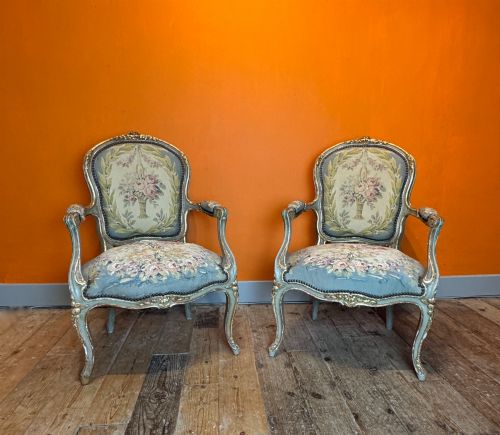
Proportion and material selection govern value, where dense burr walnut or heavy giltwood framing holds structural stability better than softer timbers. Original textile panels, whether Aubusson tapestries or hand-stitched needlepoint, elevate a piece above later replacement upholstery.
Jacob Desmalter·Thomas Chippendale·Mellier And Co·Blaise Maucuy·Holland And Sons·Druce And Co
The Salon Open Chair Glossary
- Fauteuil
- An open-armed upholstered armchair originating in France, featuring a wooden frame with exposed arms and padded elbow rests. This form became central to formal reception rooms throughout the eighteenth and nineteenth centuries.
- Giltwood
- Timber coated with fine gold leaf applied over a prepared gesso ground. This finish reflects light within formal salon settings and denotes high status.
- Bergère
- An enclosed or semi-enclosed upholstered armchair with padded sides and a loose seat cushion. The style provides a deeper, more enclosed seat than standard open varieties.
- Vernis Martin
- A type of simulated Japanese lacquer developed in France during the eighteenth century. It employs multiple layers of translucent varnish to achieve a luminous, polished finish.
- Tapisserie
- Woven or hand-stitched textile panels used for seat and backrest upholstery. These coverings often depict floral arrangements or pastoral scenes.
Salon Open Chair: Frequently Asked Questions
Where did they place a salon open chair?
These seats stood around the perimeter of drawing rooms and formal salons, positioned to facilitate conversation without obstructing the openness of the floor plan.
Because the arms remained open and unpadded, they accommodated wide period clothing while remaining light enough to be moved easily for gatherings.
How do I date a salon open chair?
Dating relies on combining the timber species, the tool marks visible on the unexposed frame sections, and the specific revival style employed by the maker. Nineteenth-century interpretations often mix proportions or combine walnut frames with distinct Louis XV or XVI decorative motifs.
Examine the joinery methods and the composition of the gesso beneath the gilding to separate eighteenth-century originals from later nineteenth-century revival pieces.
Can I use a salon open chair daily?
While originally built for domestic entertaining and formal reception rooms, these chairs suit modern sitting rooms if handled with care regarding their historic frames. Their lighter wooden construction means they function best as occasional seating rather than heavy lounge chairs.
Check the stability of the joints where the arms meet the back uprights before placing the chair into daily service.
What is the difference between a fauteuil and a salon chair?
A fauteuil specifically denotes a French upholstered armchair with open wooden sides, whereas salon chair is a broader term encompassing various parlour and drawing room seating forms including side chairs and carvers.
Many salon chairs share the carved giltwood frames and tapestries typical of fauteuils but may feature narrower proportions designed for auxiliary seating.