






Sailing Vessel Sea Seascape
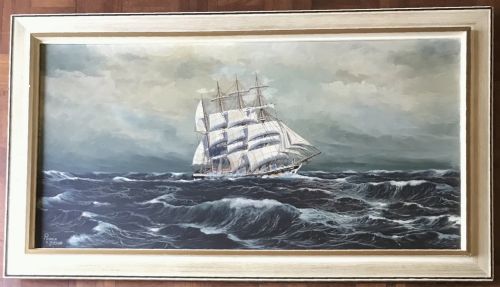
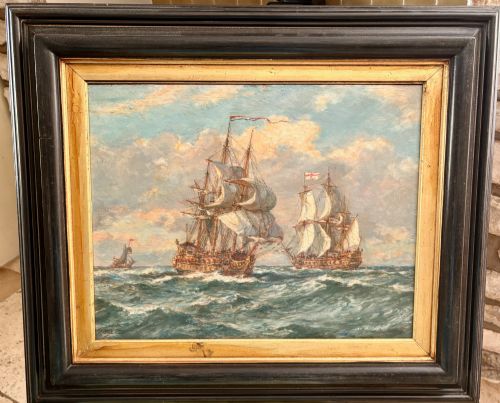
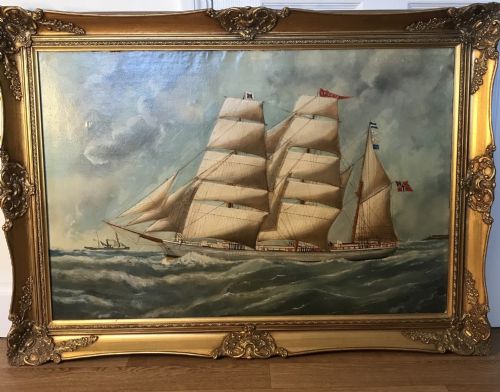
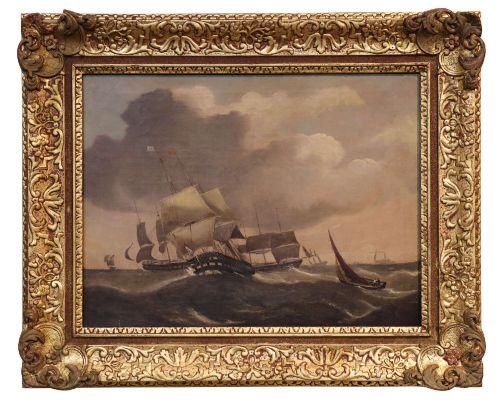
These sailing vessel sea seascape works capture turbulent coastal waters and tall ships, offering collectors a direct window into maritime history.
Sailing Vessel Sea Seascape
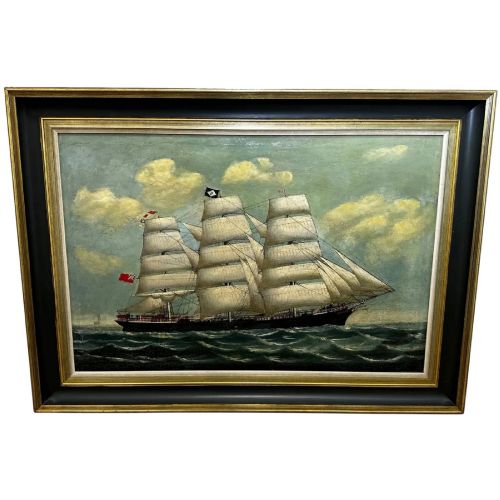
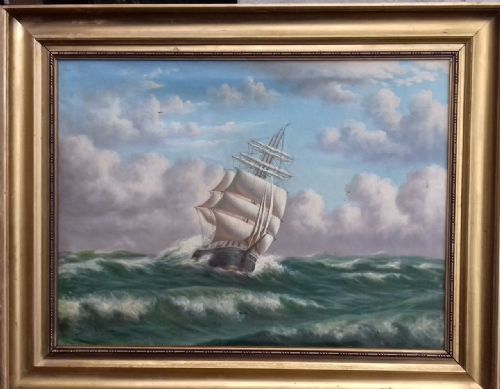
When searching for a sailing vessel sea seascape, a buyer encounters historical depictions of maritime activity across various water formats. These works primarily record commercial clippers, fishing boats, and naval frigates navigating open coastal waters or enduring heavy gales.
The pieces appearing on this page span several distinct periods, reaching from seventeenth-century Dutch compositions through nineteenth-century Victorian marine art into mid-twentieth-century interpretations. Most frequent are nineteenth-century oil paintings on canvas and period watercolours depicting specific named vessels or general coastal shipping.
Subjects range from tranquil harbour scenes to dramatic storm battles, often featuring recognisable locations such as the Isle of Wight or international coastal waters. Collectors find both intimate watercolour sketches and substantial framed oil paintings carrying period attribution.
How They Were Made
Artists built these maritime compositions primarily using oil paint on stretched canvas or watercolour applied to heavy paper sheets. Oil mediums allowed painters to layer thick pigments for churning waves and billowing sails, while watercolour washes captured translucent atmospheric effects over open water.
Finished works found standard protection within period wooden or giltwood frames, sometimes supplemented by protective glass mounts for paper watercolours. These original surrounds physically anchor the artwork to its nineteenth or early twentieth-century origins.
Sailing Vessel Sea Seascape Retail Price Guide 2026
Typical asking prices for sailing vessel sea seascape among the pieces listed under this phrase on Sellingantiques today, from the lower quarter to the upper quarter. They describe what is for sale here now, not the wider market.
Several artists painted vessels so thoroughly battered by gales that the salt spray practically dampens the viewer's carpet.
What Varies In Quality
Quality in a sailing vessel sea seascape rests heavily upon the artist's technical command of maritime architecture and fluid dynamics. Superior works accurately proportion rigging, hull structures, and wave momentum, whereas lesser pieces rely on stiff, repetitive vessel placements.
Another division lies in the handling of atmospheric light and weather intensity, where skilled painters convey deep shadow and wind force convincingly. The presence of clear historical documentation or firm attribution to a known marine specialist also elevates a piece above standard anonymous output.
John Rose Miles·Bernard Gribble·Bonaventura Peeters·Lai Fong·William Frederick Settle·Daniel Sherrin·George Shaw·Dion Pears·George Gregory·Ebeneezer Colls·Gustave de Breanski·Joseph Heard·William Boyce·V Dybdal·Samuel John Milton Brown·Richard Ball Spencer·George Stainton·Edward Wesson·Francis Holman
The Sailing Vessel Sea Seascape Glossary
- Barque
- A sailing vessel with three or more masts, having the fore-and-aft sails set only on the mizzenmast. This configuration was common for nineteenth-century merchant trading.
- Clipper
- A very fast nineteenth-century merchant sailing ship with three masts and a square rig. These vessels are frequently depicted racing through heavy channel seas.
- Giltwood
- Wood that has been carved and coated with a thin layer of gold leaf. Period frames utilising this material frequently accompany nineteenth-century oil paintings.
- Watercolour
- A painting method in which the paints are made of pigments suspended in a water-based solution. Paper serves as the primary support for these transparent marine sketches.
Sailing Vessel Sea Seascape: Frequently Asked Questions
How do I identify a Victorian marine painting?
Victorian marine pieces frequently depict steam-assisted sailing ships, clipper vessels, or merchant barques battling choppy coastal waters. They are commonly executed in oil on canvas or detailed watercolour, reflecting Britain's nineteenth-century maritime dominance.
Clues also reside in the framing, with heavy giltwood or oak surrounds typical of the era. Artist signatures, exhibition labels on the reverse, and period inscriptions further confirm the nineteenth-century origins.
What is the difference between oil and watercolour marine art?
Oil paintings utilise thick pigments on canvas, allowing artists to build heavy textures for churning waves and stormy skies. Watercolours use translucent washes on paper, capturing lighter atmospheric conditions and delicate coastal mist.
Oils generally appear in larger, more commanding framed wall formats intended for prominent display. Watercolours offer a more intimate view of maritime subjects, often preserved under protective glass.
Where were these historical ships usually painted?
Artists often positioned themselves along familiar British coastal viewpoints, including the Isle of Wight, Scottish shores, and major channel passages. Harbour entrances and dangerous headlands provided prime observation points for passing merchant traffic.
Dutch artists frequently recorded local vessels navigating choppy estuaries and gales closer to home. Historical records on the canvas reverse or framing sometimes specify the exact bay or lighthouse featured.
How should I care for a nineteenth-century seascape?
Keep oil and watercolour marine works away from direct sunlight to prevent pigment fading and paper degradation. Stable room temperatures and moderate humidity protect both the canvas support and the original wooden frame.
Avoid hanging watercolours in damp spaces such as unventilated kitchens or bathrooms. Dust frames gently with a dry cloth, leaving deeper conservation cleaning to experienced professionals.