



Sail Boat Painting
A sail boat painting captures the enduring movement of maritime life, bringing coastal atmosphere and historic vessel studies directly into interior spaces.
Sail Boat Painting
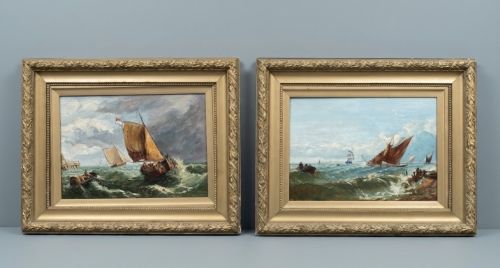
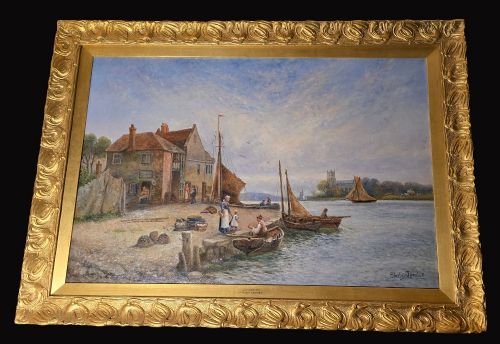
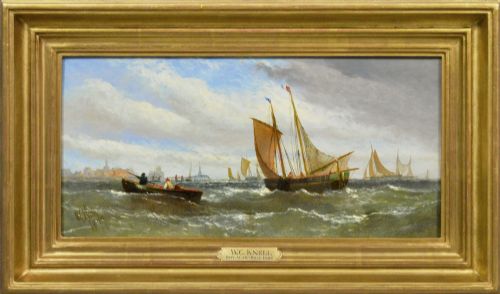
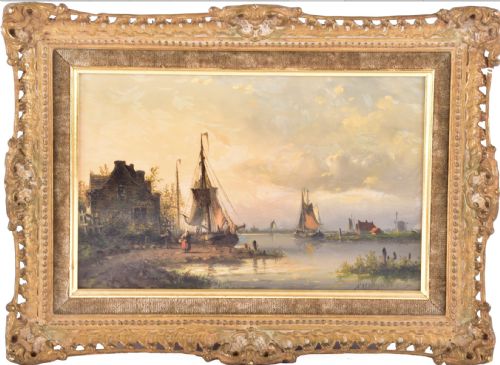
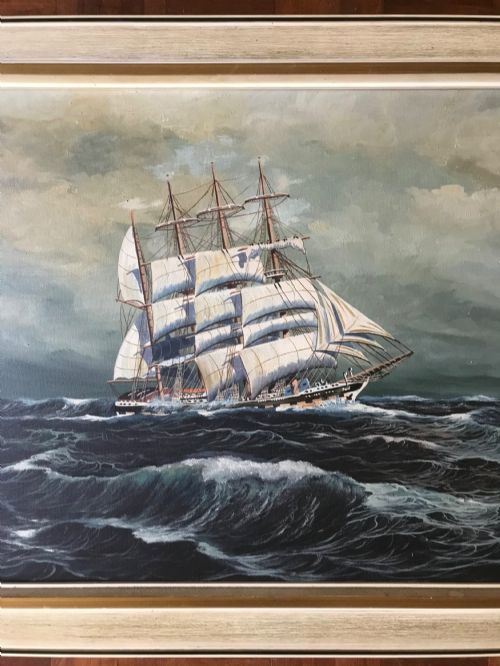
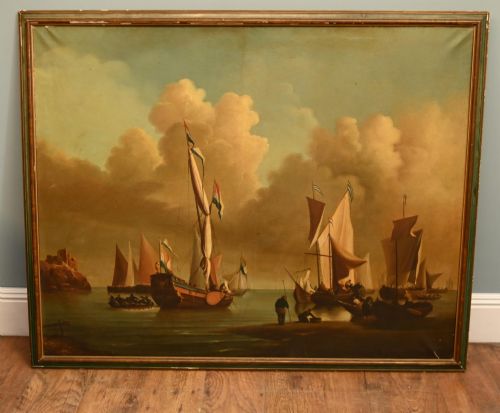
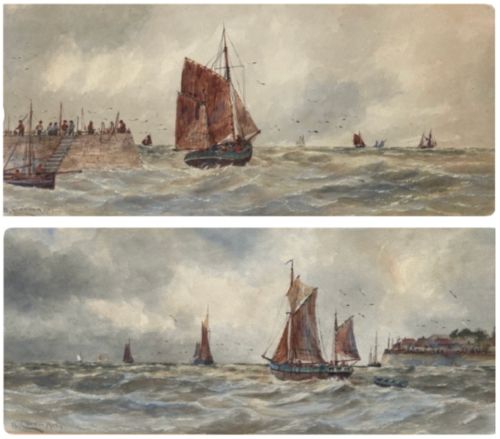
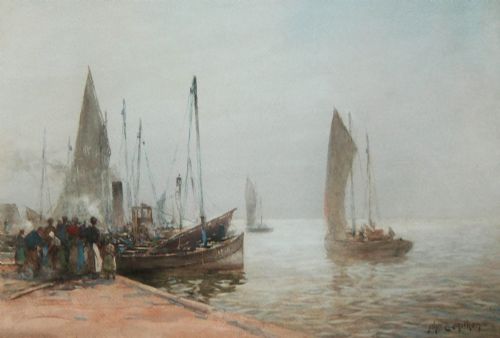
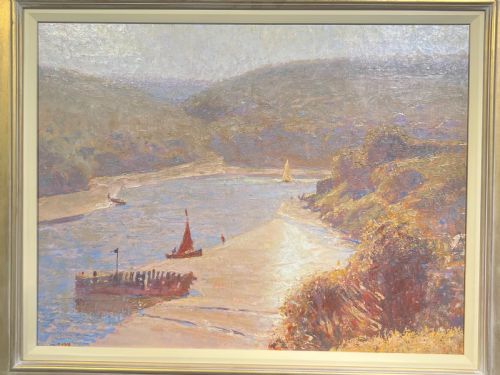
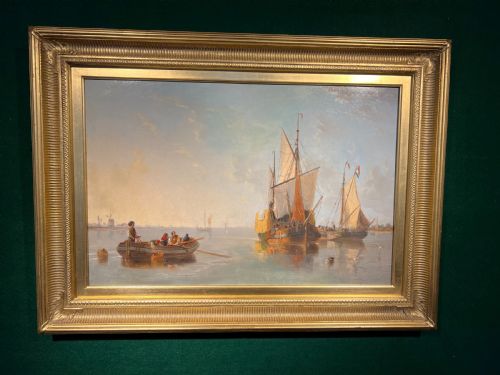
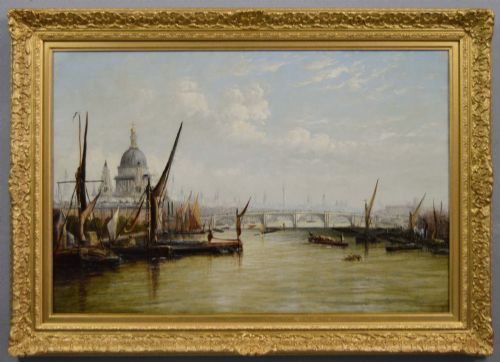
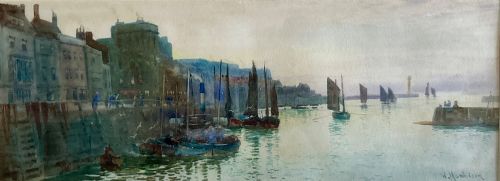
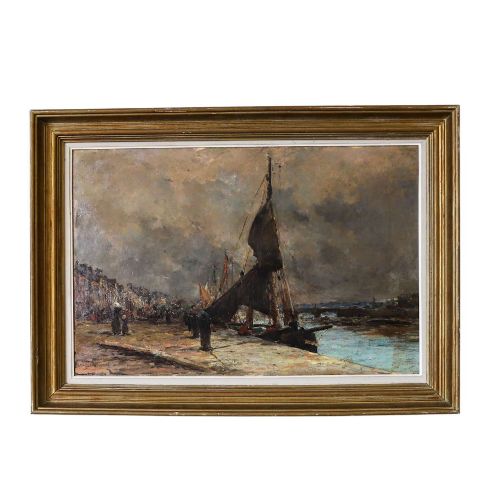
A sail boat painting encompasses framed depictions of vessels upon coastal waters, rivers, and open seas created across the nineteenth and twentieth centuries. Buyers encounter diverse interpretations ranging from detailed British and Dutch maritime scenes to expressive Edwardian watercolours and mid-century oil compositions.
The selections span traditional oil on canvas, delicate works on paper, and textured board panels housed in period gilt wood frames. Maritime views feature prominently, recording fishing vessels, coastal shipping, and elegant yachts under various atmospheric conditions.
Origin points reflect British, French, and Dutch artistic traditions, capturing harbours from Whitby to the Thames and foreign waters. These works offer a direct connection to historical seafaring heritage through the eyes of period painters.
How They Were Made
Artists applied oil paint and watercolours onto prepared canvases, wooden boards, sturdy card, and paper supports using traditional brushwork techniques. Many works employ rich impasto to build texture on the water, while watercolours rely on fluid washes to capture atmospheric skies and coastal light.
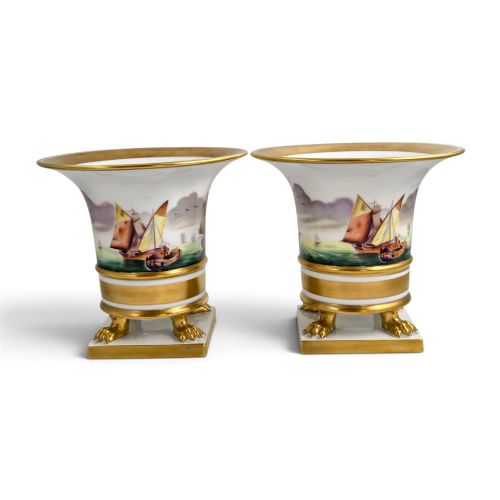
Frames play an integral role in presentation, utilising moulded wood finished with gilt layers to complement the maritime subjects. Dioramas and storage boxes incorporate carved wooden elements alongside painted canvas surfaces to create dimensional nautical scenes.
Sail Boat Painting Retail Price Guide 2026
Typical asking prices for sail boat painting among the pieces listed under this phrase on Sellingantiques today, from the lower quarter to the upper quarter. They describe what is for sale here now, not the wider market.
Listings feature works spanning the nineteenth century through the 1960s, utilising oil on canvas, watercolour, and board.
What Varies in Quality
Quality rests upon the artist's command of light, shadow, and maritime atmosphere, distinguishing competent topographical records from evocative painterly interpretations. Superior compositions display confident handling of water movement and convincing proportions of rigging and hull structures.
The integration of the supporting frame contributes to overall visual success, where period gilt wood surrounds enhance the depth of the seascape. Condition of the underlying canvas or paper, stability of the pigment, and clarity of artist signatures further define the standing of individual works.
GM Avondale·Nicolaas Martinus Wijdoogen·William Cannon·Hans Harlander·James E Aitken·Francis Moltino·Cecil Allan Mould·John Wilson Carmichael·John Moore of Ipswich·William Matthison·Bernard Benedict Hemy·George Stanfield Walters·Walter Goodin·Abraham Hulk I·Elisabeth Bardon·Charles Napier Hemy·Thomas Bush Hardy·Adrian Van Porten·Edward Henry Eugene Fletcher·Fred Waugh·George Shaw·Edward Seago·Stephen J Renard
The Sail Boat Painting Glossary
- Impasto
- Paint applied thickly to a canvas, standing out in relief from the surface. This technique adds tactile depth to crashing waves and billowing sails.
- Maritime
- Depicting the sea, ships, and coastal environments. Such scenes form the primary subject matter for these historical paintings.
- Gilt wood
- Wood coated with a thin layer of gold leaf or metallic gilt paint. Period frames utilise this finish to accentuate the artwork within.
- Seascape
- A painting depicting the expanse of the sea or ocean. These works frequently incorporate sailing vessels, atmospheric weather, and coastal horizons.
- Provenance
- The chronology of the ownership and origin of an artwork. Documented lineage confirms the historical background of listed pieces.
Sail Boat Painting: Frequently Asked Questions
How do I date a maritime painting?
Dating relies on the artist's recorded working period, stylistic clues within the brushwork, and the construction methods of the canvas or frame. Costume details on any visible figures and the specific rigging style of the depicted vessels also provide reliable chronological markers.
Comparison with documented examples from known makers helps narrow down the decade of creation. Examining labels or inscriptions on the reverse often reveals exhibition dates and historical locations.
Where were these coastal scenes painted?
Painters frequently worked along active fishing ports and commercial waterways in Britain, France, and the Netherlands. Locations span specific harbours such as Whitby and Anstruther alongside broader stretches of the Thames and the Dutch coast.
Artists established viewpoints on cliffs, piers, and aboard moored vessels to capture authentic maritime activity. These settings reflect the vital economic and leisure role of shipping during the nineteenth and twentieth centuries.
How should I display an oil seascape?
Hang paintings away from direct sunlight and steady heat sources to protect the canvas, pigments, and gilt wood frames from environmental stress. Adequate wall space allows the atmospheric depth and scale of the marine composition to take full effect.
Pairing the piece with traditional or contemporary interiors highlights its versatility as a focal point. Ensure the hanging height places the horizon line at comfortable eye level for viewing.
What is the difference between an oil and a watercolour?
Oils utilise pigments suspended in drying oils applied to canvas or board, offering rich textures, deep impasto, and extended blending times. Watercolours involve water-soluble pigments on paper, resulting in luminous transparencies and fluid washes of light.
Watercolours typically require protective glass framing to prevent moisture damage, whereas oil canvases remain open to the air. Each medium offers a distinct visual texture suited to capturing coastal weather and open water.