





Sacred Icon
A sacred icon brings centuries of devotion into a room through hand-painted tempera, carved wood, and gleaming metal.
Sacred Icon
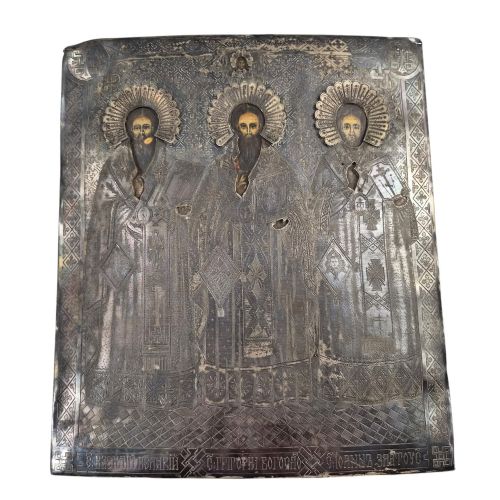
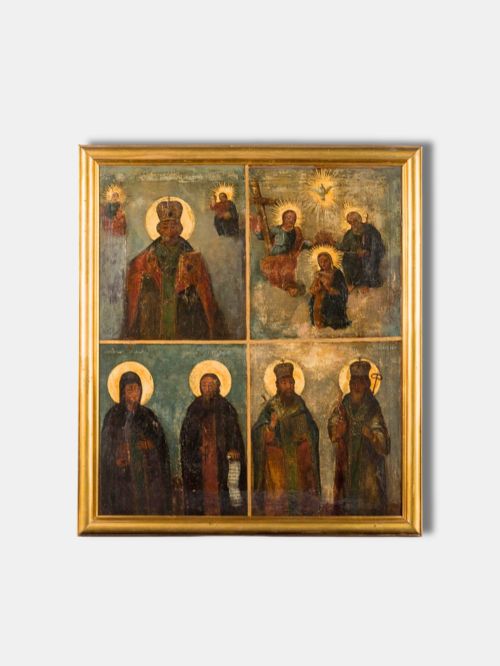
When you search for a sacred icon, you encounter devotional imagery spanning multiple centuries, from small personal pendants to large framed panels. The selection on this page relies heavily on Russian Orthodox traditions alongside Spanish Colonial and French antique works.
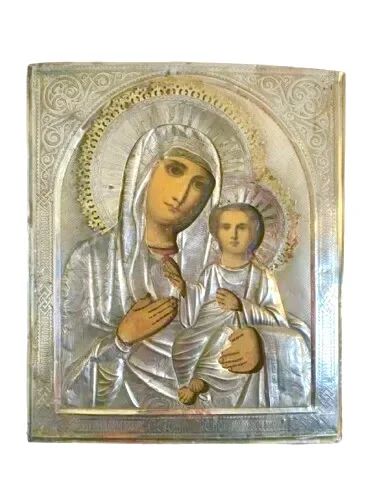
The objects take diverse physical forms, including oil paintings on canvas, carved applewood sculptures, silver-mounted panels, and delicate gold pendants. These pieces bridge domestic prayer and historic liturgical art, reflecting the aesthetic sensibilities of their respective periods.
Nineteenth-century examples appear most frequently, often displaying traditional Russian orthodox subjects or Victorian prints. Alongside these are earlier seventeenth and eighteenth-century panels that demonstrate the enduring continuity of sacred portraiture across Europe.
Distinctions in quality
The finesse of the brushwork and the precision of the gilding set superior panels apart from simpler workshop productions. Finer icons display subtle facial shading and deliberate detailing in the drapery of garments.
The integrity of the physical substrate dictates longevity, with stable wood panels and well-preserved tempera layers commanding greater appreciation. Integrated metal rizas exhibit varied levels of repoussé skill, where crisp, hand-chiseled motifs indicate superior craftsmanship.
Sacred Icon Retail Price Guide 2026
Typical asking prices for sacred icon among the pieces listed under this phrase on Sellingantiques today, from the lower quarter to the upper quarter. They describe what is for sale here now, not the wider market.
Listings incorporate wood, tempera, gold leaf, canvas, silver, glass, gilt, and gilt wood across multiple centuries.
Heinrich Grünbaum·Volga Masters
The Sacred Icon Glossary
- Tempera
- A permanent, fast-drying painting medium consisting of pigmented powder mixed with a water-soluble binder such as egg yolk. This medium creates a matte finish that lasts for centuries without darkening significantly.
- Gilt wood
- Wood surfaces treated with gold leaf or gold paint to provide a brilliant metallic sheen. This technique highlights the sacred nature of the depicted subject.
- Orthodox
- Pertaining to the Eastern Orthodox Church and its specific theological and artistic canons. These traditions govern the strict representation of holy figures.
Sacred Icon: Frequently Asked Questions
How old are these pieces?
The items range widely in age, with examples dating from the seventeenth century through to the early twentieth century.
Nineteenth-century works appear most commonly, alongside earlier seventeenth and eighteenth-century survivals in wood and canvas.
How were metal elements used?
Precious metals like silver and gold leaf enhance the visual impact and physical protection of the sacred imagery.
Silver rizas cover panels to shield the paint while revealing holy faces, and gold leaf illuminates backgrounds to signify heavenly light.
How do I display an icon?
Icons can be hung on walls as framed paintings or placed within dedicated spaces for contemplation and reflection.
Smaller pendants and framed shadowboxes offer alternative ways to integrate these historic devotional objects into modern living environments.