



Rustic Wrought Iron Stand
These heavy, honest pieces of rustic wrought iron stand ready to anchor a room with unpretentious utility and industrial strength.
Rustic Wrought Iron Stand
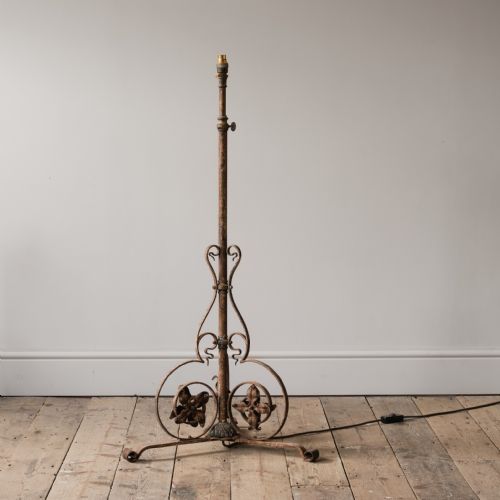
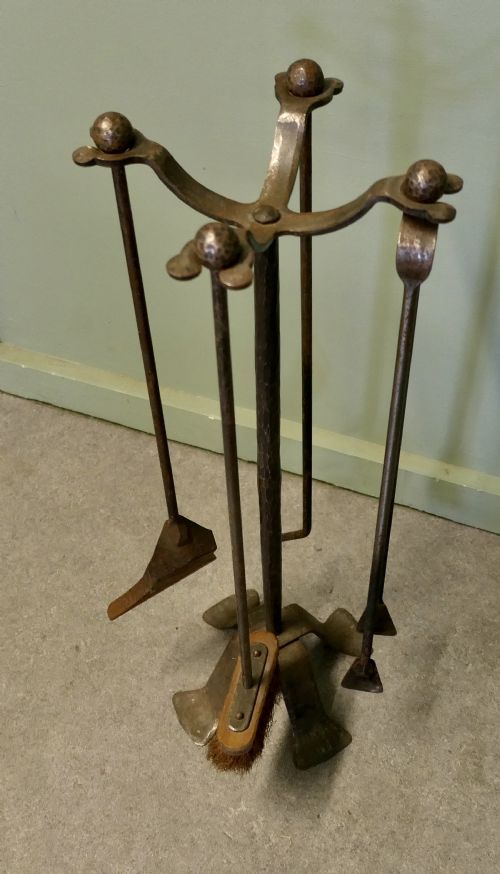
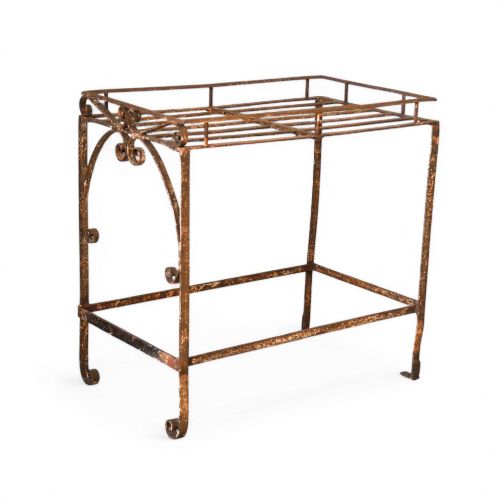
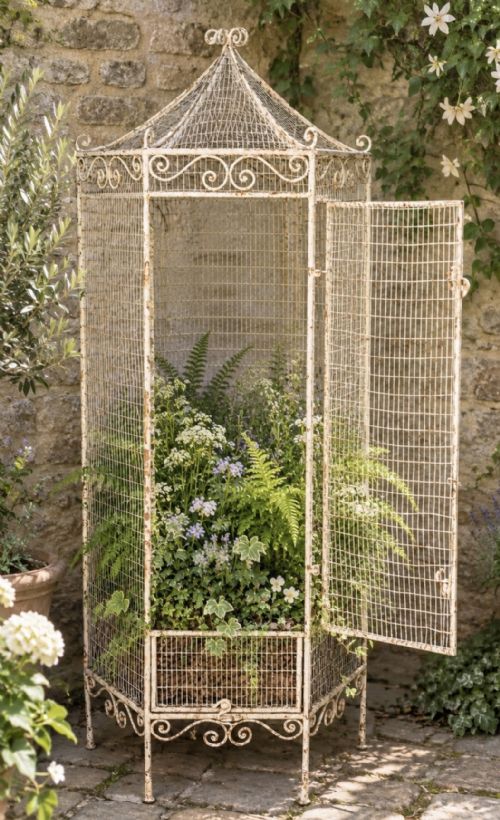
A rustic wrought iron stand brings utilitarian metalwork into domestic spaces, taking forms ranging from floor lamps and lantern stands to plant stands and fireplace accessories. When searching for a rustic wrought iron stand, buyers encounter items built for practical tasks in estates, gardens, and workshops rather than delicate parlour display.
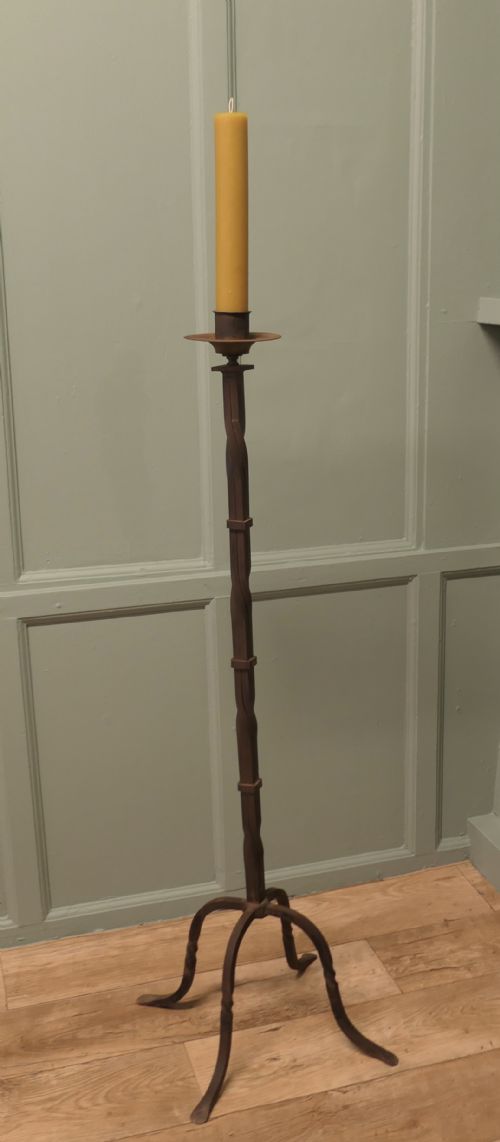
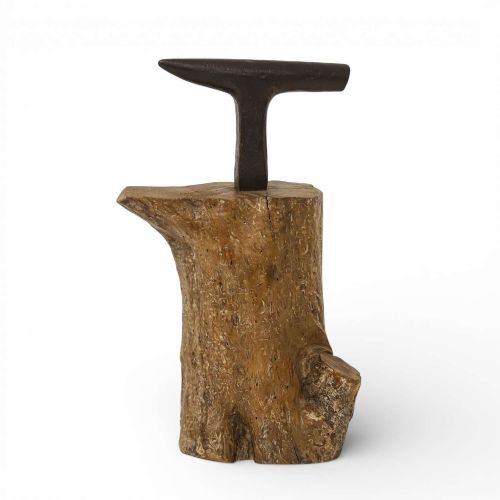
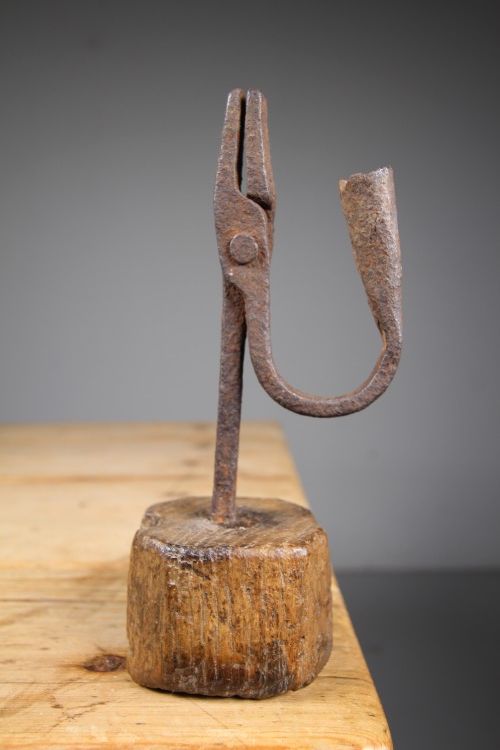
The pieces appearing here span the eighteenth, nineteenth, and early twentieth centuries, reflecting periods such as the Victorian era, Georgian period, and Arts and Crafts movement. Functional objects like rushlight holders, saucepan racks, and farrier's anvil mounts dominate the selection, showing how heavy iron was shaped for everyday rural and domestic life.
Origins stretch across British and French workshops, encompassing styles like French Country, Rustic Farmhouse, and Gothic Revival. Buyers are most likely to meet floor lamps, garden racks, and candle holders that combine hand-forged metal with supporting elements of wood or terracotta.
How they were made
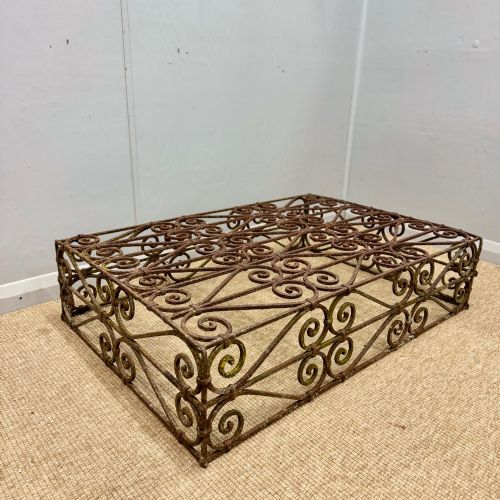
Blacksmiths shaped the iron while hot upon an anvil, using hammers and tongs to draw out scrolls, twist shafts, and punch rivet holes. This manual working method leaves subtle hammer marks and slight irregularities that distinguish hand-forged metal from mass-produced castings.
Many items incorporate mixed media, mounting heavy ironwork onto fruitwood trunks, hardwood bases, or pairing them with terracotta olive jars and brass details. The combination of durable iron with organic timber provided the weight and stability required for heavy domestic use.
Listings feature items spanning the eighteenth to the twentieth centuries, utilising wrought iron, fruitwood, brass, and terracotta.
What varies in quality
The quality of a piece lies in the fluidity of the forging and the confidence of the scroll-work. Master blacksmiths achieved graceful proportions and balanced tension in adjustable arms and supporting legs, whereas lesser examples appear stiff and clumsily proportioned.
Integrity of construction separates everyday utility items from finer vernacular sculptures. Superior pieces retain their original surface patination, untouched mountings, and harmonious integration between the ironwork and any supporting wooden trunk or base.
The Rustic Wrought Iron Stand Glossary
- Wrought iron
- Iron that has been heated and hammered into shape by hand, known for its fibrous texture and resilience. It bends rather than snaps under extreme stress.
- Pricket candlestick
- A candle holder featuring an upward-facing spike upon which the candle is mounted. This form was common in ecclesiastical and domestic settings.
- Rushlight holder
- A spring-clip device designed to grip a dried rush dipped in animal fat for cheap illumination. They represent early domestic lighting solutions.
- Torchère
- A tall stand or pedestal designed to support a candle or torch. These items elevated light sources to illuminate larger spaces.
- Vernacular piece
- An object built by local craftsmen for practical use without academic architectural influence. These items prioritize direct utility over formal stylistic rules.
Rustic Wrought Iron Stand: Frequently Asked Questions
How do I clean a wrought iron stand?
Remove surface dust with a dry cloth and apply a light coat of paste wax to protect the metal from moisture.
Avoid harsh chemical cleaners or abrasive scouring pads that strip away the historical patina built up over centuries.
Are these stands stable enough for modern homes?
Most pieces were engineered to support heavy loads like large lanterns, anvils, or wet pots during daily work.
Their substantial weight and wide bases generally provide excellent stability on modern flooring.
Can these stands be used outdoors?
Certain pieces originated as garden racks, plant stands, or olive jar holders built to withstand outdoor conditions.
Items containing exposed fruitwood or historic painted finishes require shelter from damp weather to prevent timber rot and accelerated oxidation.
How do I date an iron stand?
Examine the fastening methods, tool marks, and integration of materials such as fruitwood bases or brass components.
Eighteenth and nineteenth-century items display distinct hand-hammered irregularities that differ from later industrial production techniques.