
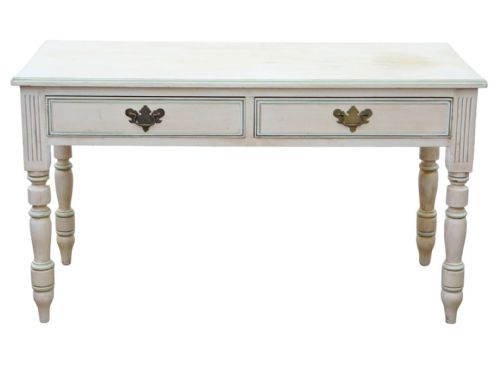

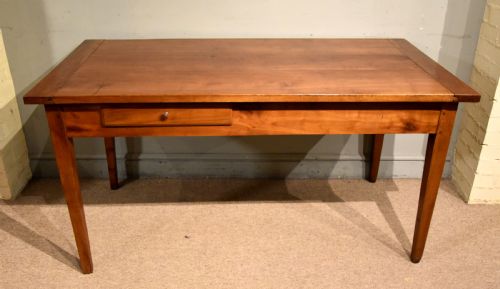

Rustic Wooden Writing Table
A rustic wooden writing table offers a practical workspace rooted in utility, combining sturdy timbers with the honest charm of earlier centuries.
Rustic Wooden Writing Table
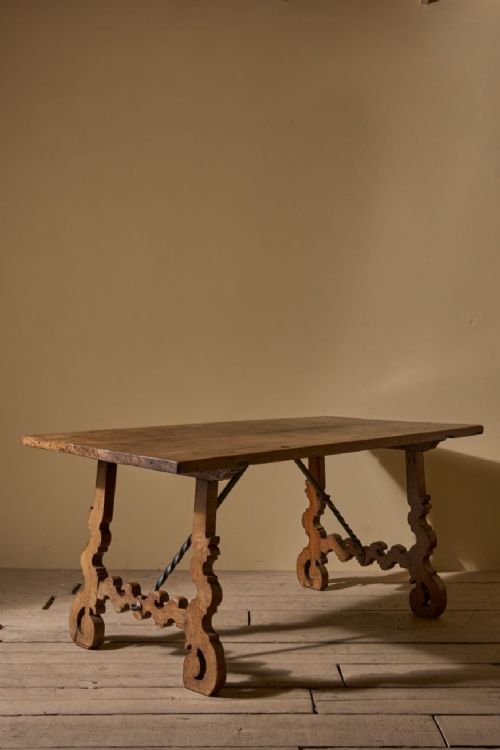
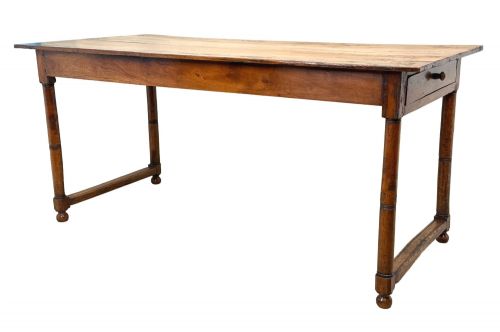
When searching for a rustic wooden writing table, you encounter practical surfaces built for everyday use rather than formal display. These pieces originate from various periods including the 17th, 18th, and 19th centuries, reflecting domestic and institutional needs across different regions.
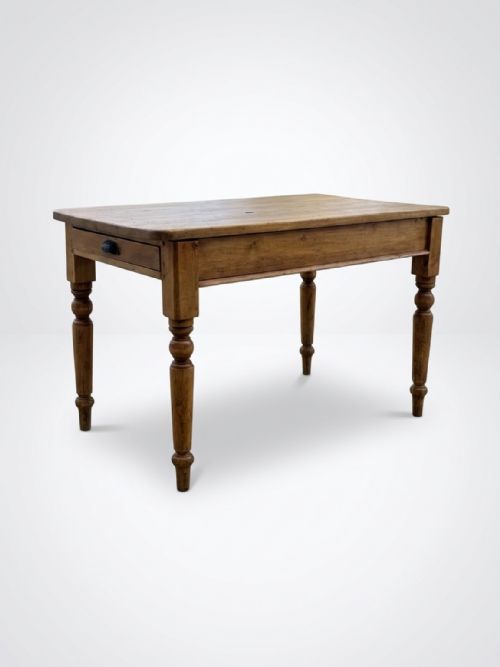
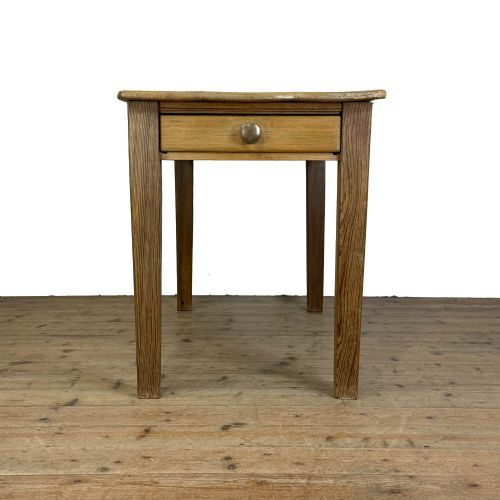
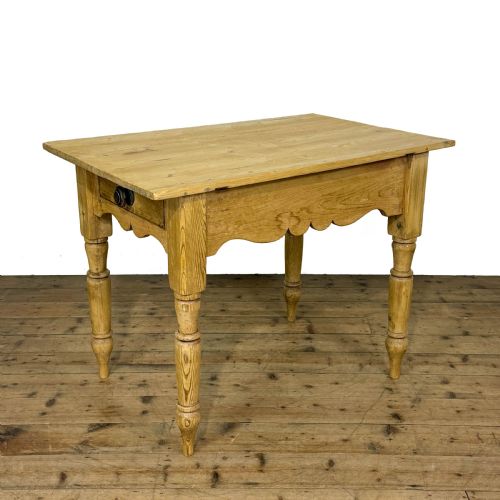
The selection on this page leans heavily toward pine tables and oak desks, often associated with Victorian country and farmhouse styles. You also find side tables, kitchen tables, and desk boxes that served similar utilitarian purposes in homes and schools.
Materials and construction
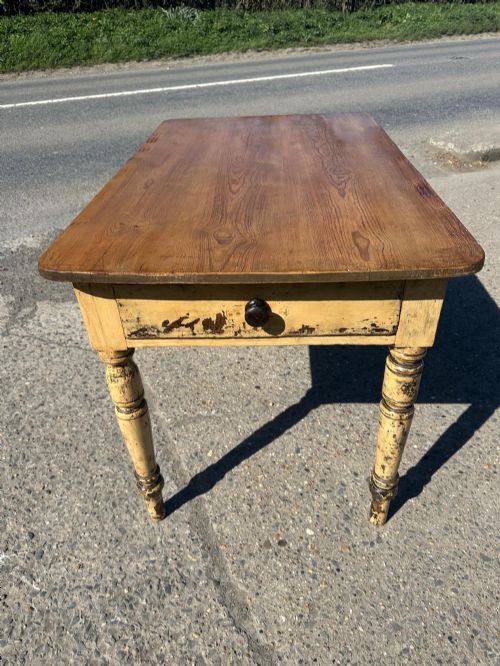
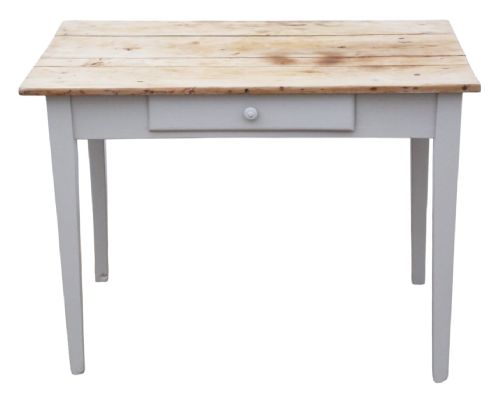
Carpenters relied on timbers such as pine, oak, walnut, and elm, selecting woods based on local availability and structural demand. Surfaces often show the scrubbed grain of scrub-tops or retain traces of original painted finishes.
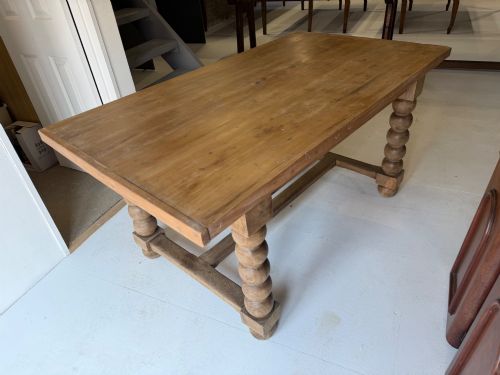
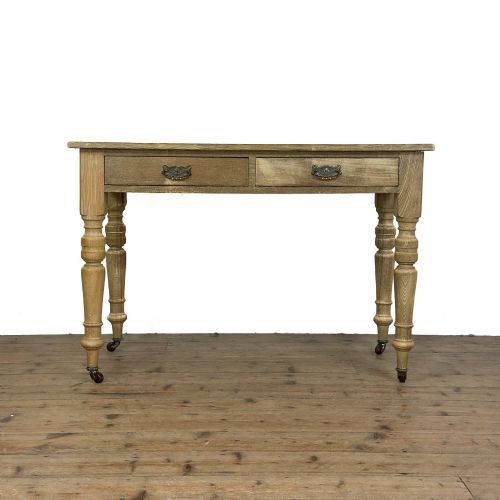
Joinery techniques prioritize sturdiness over ornamentation, utilising straightforward construction methods suited to daily labour. Additional elements like brass handles, iron fittings, and bobbin turned legs provide functional support and subtle decorative detail.
Distinctions in quality
Quality rests upon the integrity of the timber and the honesty of the surface wear. Pieces that retain their original painted legs or undisturbed patination stand apart from those subjected to heavy modern restoration.
Proportion and utility dictate the desirability of each piece. Well-proportioned examples with functional drawers and sound structural frames represent the best of their respective types.
The Rustic Wooden Writing Table Glossary
- Scrub-top
- A wooden tabletop cleaned repeatedly with water and sand, creating a pale, weathered texture.
- Bible box
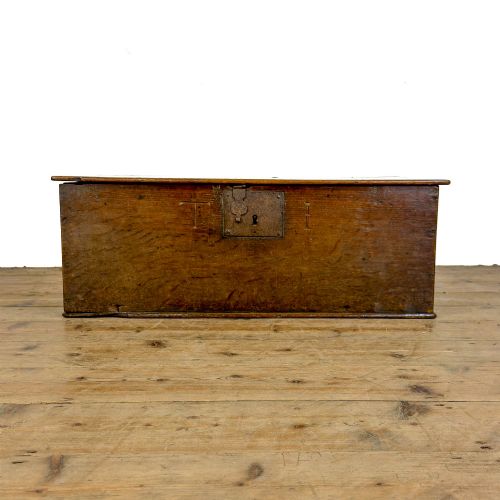
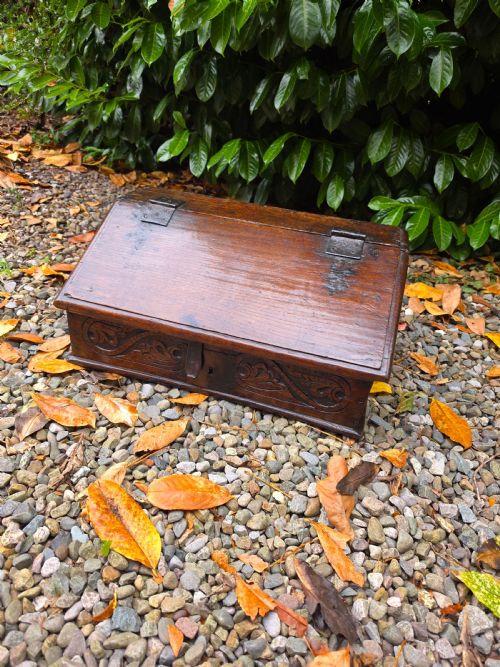
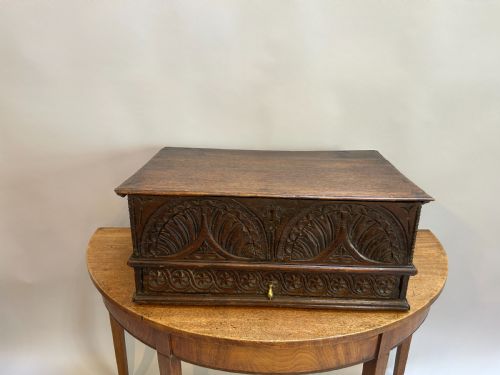
- A small lidded wooden chest used for storing sacred texts and writing materials, often placed on tables.
- Bobbin turned
- Turned woodwork featuring rounded, spool-like shapes carved along the length of a leg or stretcher.
- Slant front
- An angled writing flap that drops down to form a desktop surface over compartments or drawers.
- Kneehole desk
- A writing desk featuring a central recessed space for the legs, flanked by pedestals of drawers.
Rustic Wooden Writing Table: Frequently Asked Questions
How do I date a rustic wooden writing table?
Dating relies on examining the timber species, construction joints, and tool marks left by the maker. Secondary woods and overall wear patterns also provide clues to the period of origin.
Comparing the piece against documented examples from the 18th and 19th centuries helps confirm its age and regional style.
Were these tables used in schools?
Certain examples, such as school teacher's desks, were specifically designed for educational environments. They often feature compact dimensions and practical drawers for storing lesson materials.
Domestic versions served similar administrative tasks in households before dedicated study rooms became common.
How do I care for a scrubbed pine surface?
Maintain unfinished or scrubbed pine by dusting with a dry cloth and avoiding excessive moisture. Gentle cleaning preserves the natural grain and historic patina.
Oils and modern varnishes should be avoided unless necessary, as they alter the authentic dry texture of the wood.
What is the difference between a side table and a writing table?
A side table provides a general surface for placement against a wall, while a writing table typically incorporates drawers and legroom designed specifically for seated work.
Many antique tables served multiple functions in domestic spaces, shifting between kitchen preparation and correspondence.