




Rustic Wooden Tray
These robust rustic wooden tray pieces bring genuine utility and texture to a room, forged from honest oak, pine, and beech.
Rustic Wooden Tray
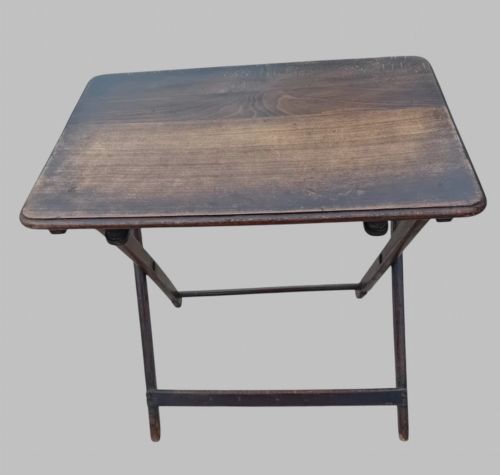
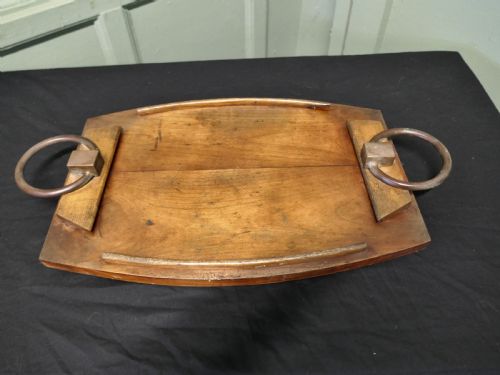
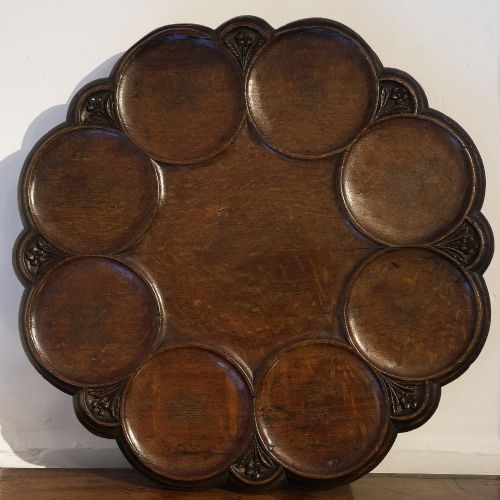
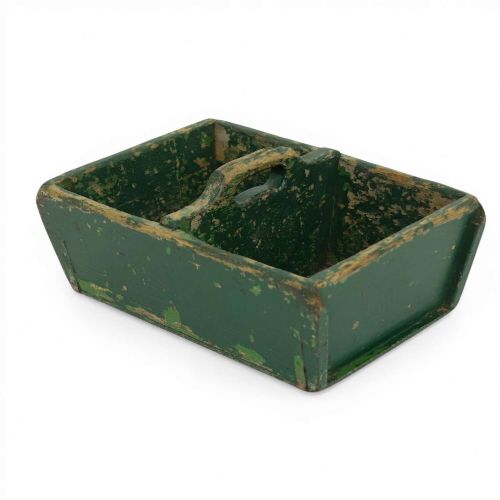
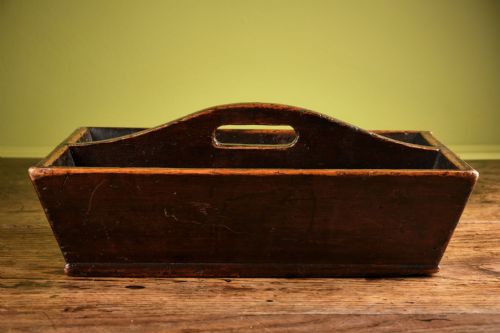
When you search for a rustic wooden tray, you encounter an array of utilitarian objects spanning serving trays, cutlery boxes, trugs, and caddies. The examples appearing here stretch from the Georgian era through the Victorian period and into the early twentieth century.
Most pieces display straightforward country craftsmanship rather than urban refinement. You are most likely to meet utilitarian oak and pine forms designed originally for kitchens, gardens, or country houses.
Materials and construction methods
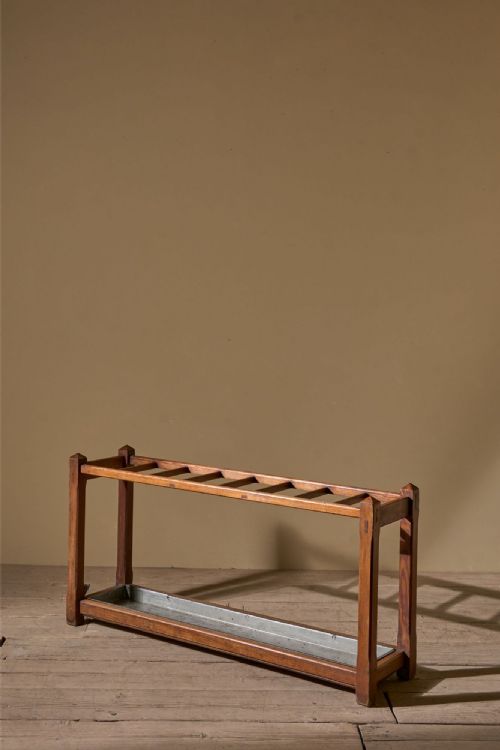
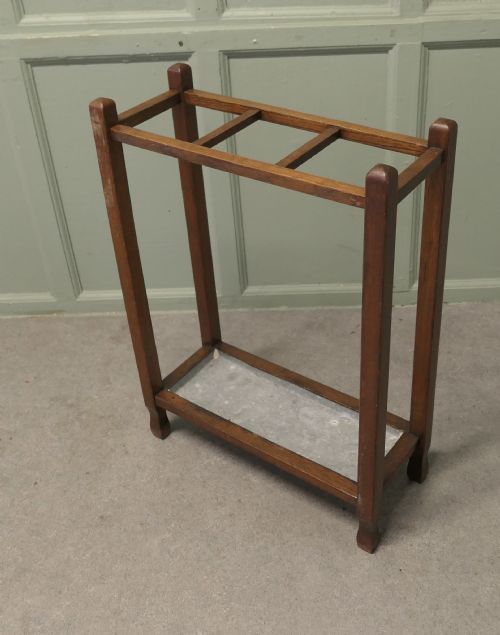
The makers relied primarily on domestic timbers such as oak, pine, beech, and ash, selected for strength and availability. Iron, brass, and zinc additions provided necessary structural reinforcement or drip trays for items handling water.
Surfaces often retain their original paint, clear wax, or untouched bare grain shaped by hand tools. Joinery focuses entirely on durability, utilising solid boards and straightforward fastening suited to daily service.
Rustic Wooden Tray Retail Price Guide 2026
Typical asking prices for rustic wooden tray among the pieces listed under this phrase on Sellingantiques today, from the lower quarter to the upper quarter. They describe what is for sale here now, not the wider market.
The listings on this page span several centuries, featuring domestic items in solid oak, pine, beech, and ash from Georgian to Edwardian periods.
Assessing quality in country woodware
Quality rests upon the integrity of the timber selection and the honesty of the construction. Pieces shaped with considered proportions and pleasing patination stand apart from purely utilitarian items.
The degree of wear tells a story of genuine service without detracting from the piece. Better examples exhibit thoughtful shaping, such as boldly curved edges or integrated handles carved directly from the solid wood.
The Rustic Wooden Tray Glossary
- Trug
- A shallow basket or tray traditionally used for gathering garden produce or carrying household items. These are typically fashioned from cleft wood or sturdy boards.
- Campaign style
- Furniture and accessories designed for portability and folding transport, often featuring brass corners and recessed handles. This style suited travel during the nineteenth century.
- Treen
- Small handmade wooden household objects created before the widespread adoption of plastics and modern manufacturing. Collectors prize these for their tactile surfaces and age.
- Patina
- The deep surface sheen developed through decades of handling, polishing, and natural ageing. This quality confirms the genuine age of the wood.
Rustic Wooden Tray: Frequently Asked Questions
What were these wooden trays used for originally?
These items served practical daily functions in country houses, kitchens, and gardens. They carried cutlery, sorted desk clutter, held wet umbrellas, or gathered fruit and vegetables.
Over time, their roles shifted from working tools to decorative objects that introduce texture and historical character into modern interiors.
How do I date a pine or oak tray?
Dating relies on observing tool marks, timber characteristics, and structural construction methods. Georgian and Victorian pieces often display hand-sawn board edges and forged iron fastenings rather than modern screws.
Examine the wear patterns around handles and bases, as genuine age creates a distinct softness to edges that mechanical reproduction cannot replicate.
Can I use an antique tray for food?
Many of these trays and platters were built for domestic service involving food or kitchen tasks. However, historic finishes and dried wood require careful handling.
Treat surfaces with food-safe natural waxes if you intend to serve items directly, and avoid submerging older timber in water during cleaning.
How do I care for antique country wood?
Keep wooden pieces away from direct heat sources and rapid temperature fluctuations to prevent splitting. Periodic treatment with a quality beeswax helps nourish the dry grain.
Dust regularly with a soft dry cloth and avoid harsh chemical cleaners that strip the historic surface patination.