
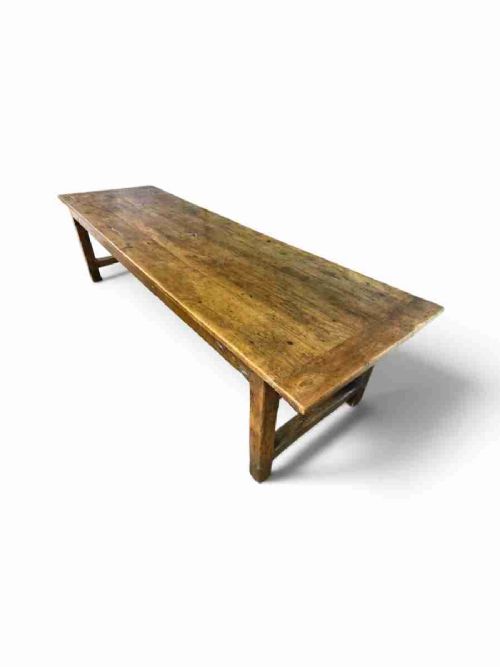
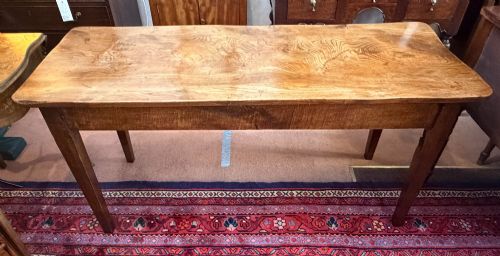
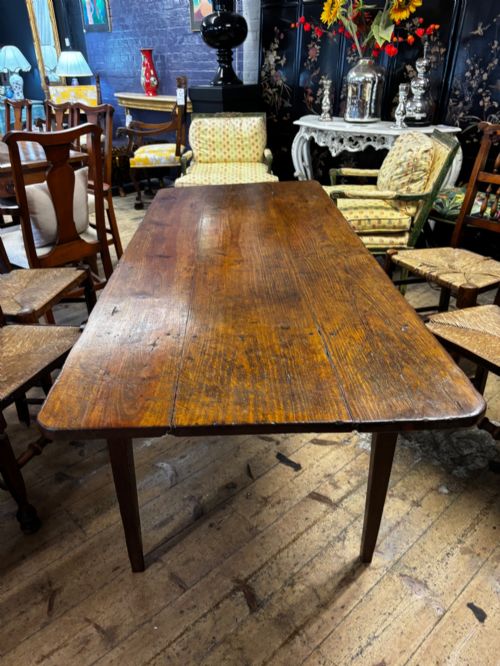
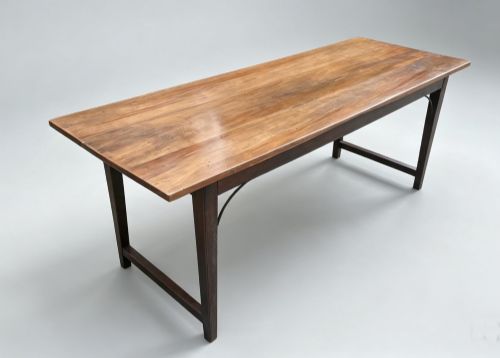
Rustic Wooden Top Table
A rustic wooden top table brings solid utility and honest character into a room, forged from enduring timbers meant to last.
Rustic Wooden Top Table
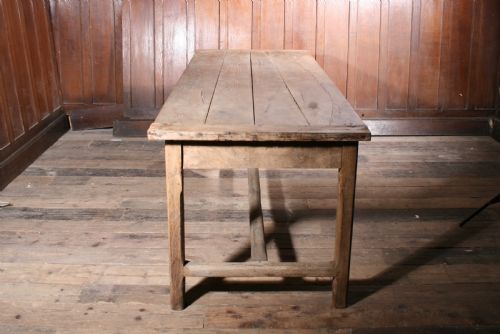
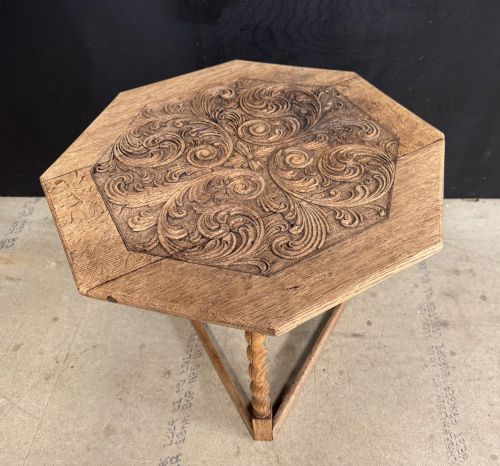
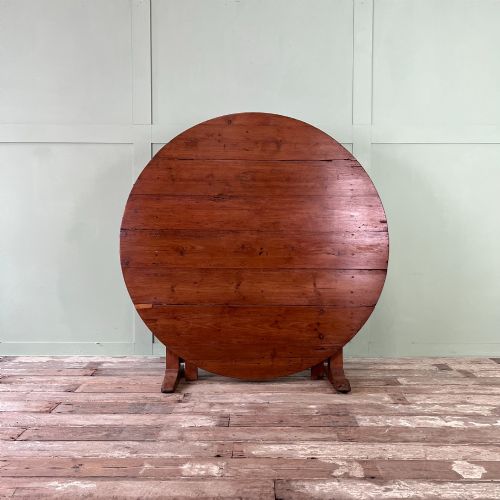
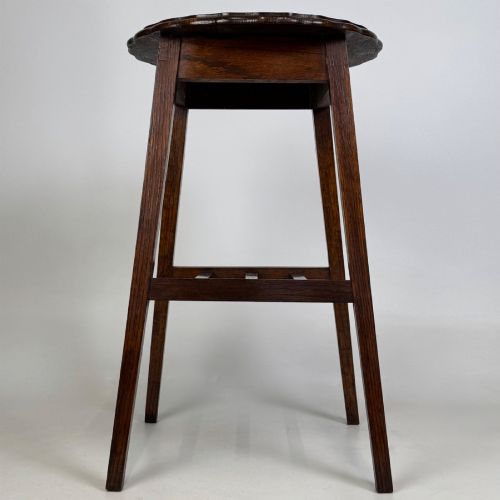
When you search for a rustic wooden top table, you encounter an array of practical domestic surfaces built across centuries, from compact tripod cricket tables to substantial refectory and dining formats. The pieces on this page stem from periods including the eighteenth, nineteenth, and early twentieth centuries, spanning Georgian, Edwardian, and Victorian eras.
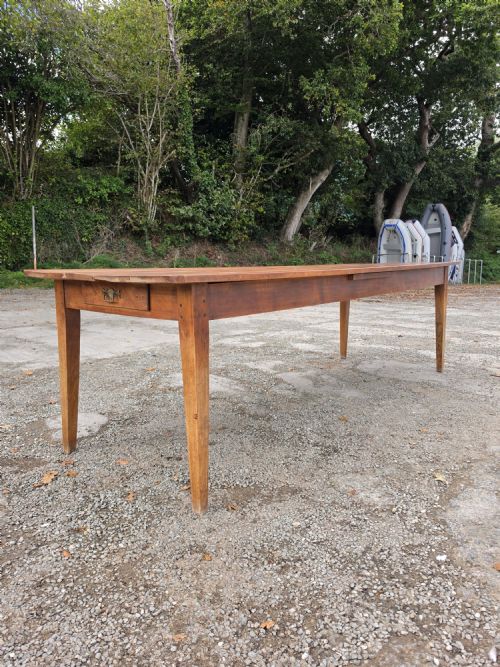
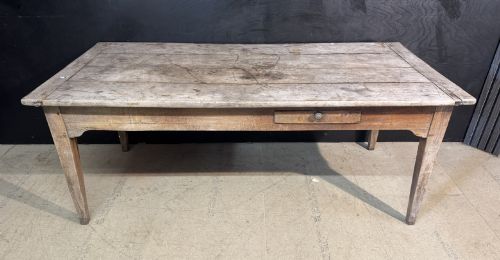
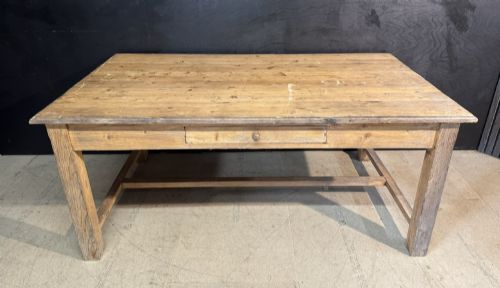
The most common forms you meet are farmhouse and kitchen dining tables, alongside smaller coffee and side tables. They originate from British, French, and Swedish traditions, often taking shape as straightforward boards supported by trestles, turned legs, or drawer bases.
Makers constructed these surfaces for daily labour and family meals, utilising straightforward designs that prioritized function. Their enduring appeal lies in this utilitarian beginning, which leaves each piece marked by the passage of time and honest use.
Construction and materials
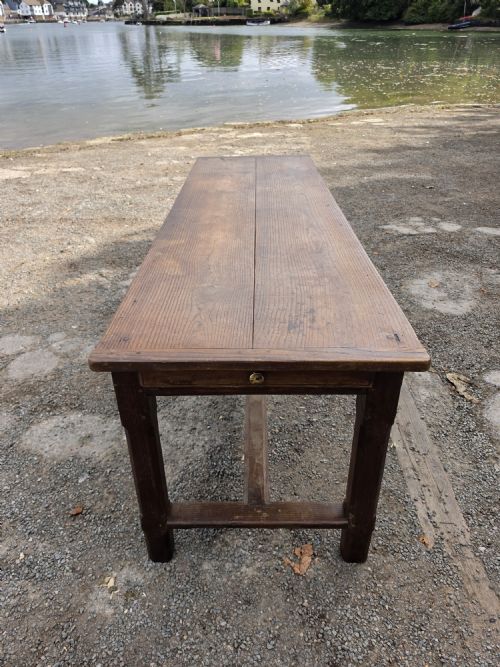
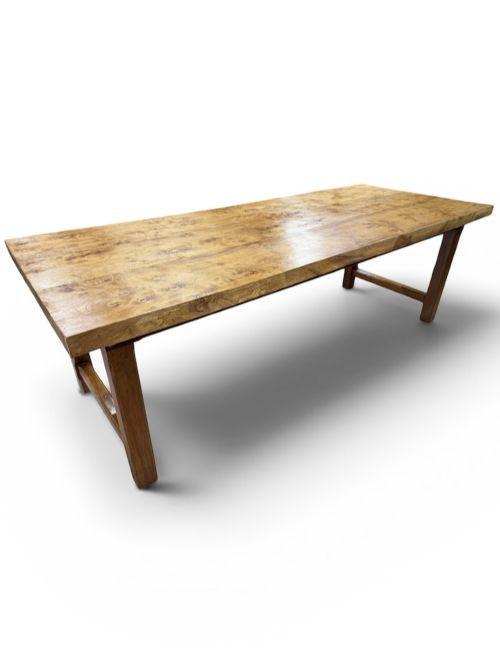
Carpenters built these tables using robust native timbers such as oak, elm, pine, fruitwood, and beech. Many examples feature thick single-board or multi-board tops joined plainly and fastened to sturdy frames.
Makers occasionally combined different woods within a single piece, pairing oak tops with pine or beech components. Some surfaces show later applications of paint, while others retain bleached or raw timber finishes.
Formats range from large refectory dining tables to small tripod cricket tables.
Assessing quality and character
The distinction between standard examples and superior pieces rests on the choice of timber and the integrity of construction. Dense grain patterns in older oak or fruitwood, coupled with substantial plank thickness, separate finer examples from simpler utility pieces.
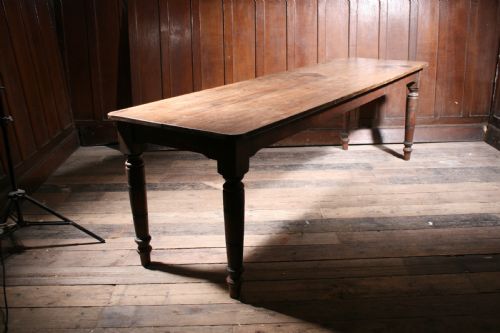
Proportion and structural balance also dictate the standing of a table. Well-turned legs, substantial trestle ends, and integrated drawers demonstrate careful workshop execution that elevates a domestic object.
The Rustic Wooden Top Table Glossary
- Refectory table
- A long, narrow dining table traditionally used for communal meals. These pieces often feature trestle ends or heavy legs linked by stretchers.
- Cricket table
- A small, light occasional table supported by three legs. They derive their name from their stability on uneven floors.
- Fruitwood
- Timber sourced from fruit-bearing trees such as cherry or pear. Craftsmen valued it for its fine grain and warm tone.
- Tavern table
- A sturdy, compact table built for commercial drinking and dining establishments. They frequently incorporate heavy timber tops and robust underframes.
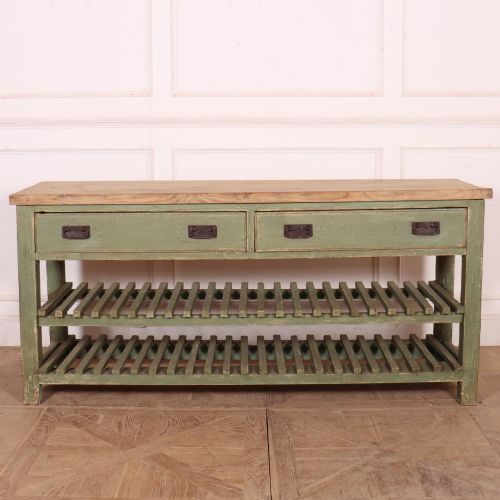
- Prep table
- A utilitarian surface designed for kitchen food preparation. These tables often include drawers for storing utensils.
Rustic Wooden Top Table: Frequently Asked Questions
What is a rustic wooden top table?
These pieces are utilitarian tables constructed from woods like oak, pine, elm, and fruitwood across the eighteenth, nineteenth, and early twentieth centuries. They served practical roles in kitchens, farmhouses, and communal dining spaces.
Their designs range from large refectory and farmhouse dining formats to smaller side and coffee tables. Each piece reflects the functional traditions of British, French, and Swedish cabinet makers.
How were these tables used originally?
People utilised them primarily for heavy domestic labour, food preparation, and daily family meals. Large dining formats gathered households together, while prep and tavern versions handled daily trade and kitchen tasks.
Smaller variants functioned as occasional surfaces for reading or holding household items. Their robust construction allowed them to endure decades of heavy household wear.
How do I live with a rustic table?
Integrating one into a modern room requires pairing its aged timber surface with simple seating like benches or mismatched chairs. Their sturdy nature makes them practical for daily dining and workspace needs.
Allowing the wood to show its natural grain and marks helps anchor a room with historical character. They suit both traditional country interiors and more contemporary spaces seeking warmth.
How do I tell periods apart?
Distinguishing periods relies on observing construction methods, timber choice, and leg styling. Eighteenth-century pieces frequently display heavier oak framing and pegged joints, while Victorian and Edwardian examples often feature pine, turned legs, or industrial iron elements.
Subtle shifts in proportion and hardware help indicate whether a table originates from the Georgian era or the early twentieth century.