


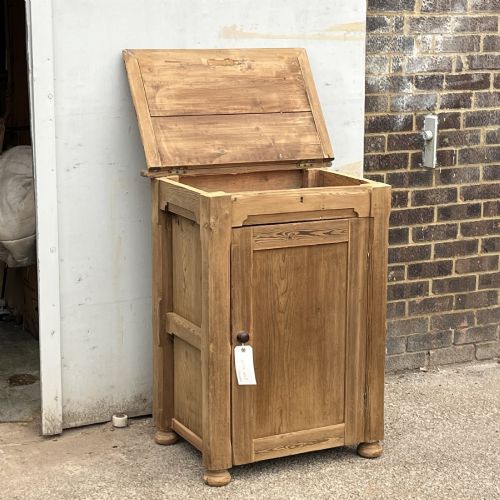
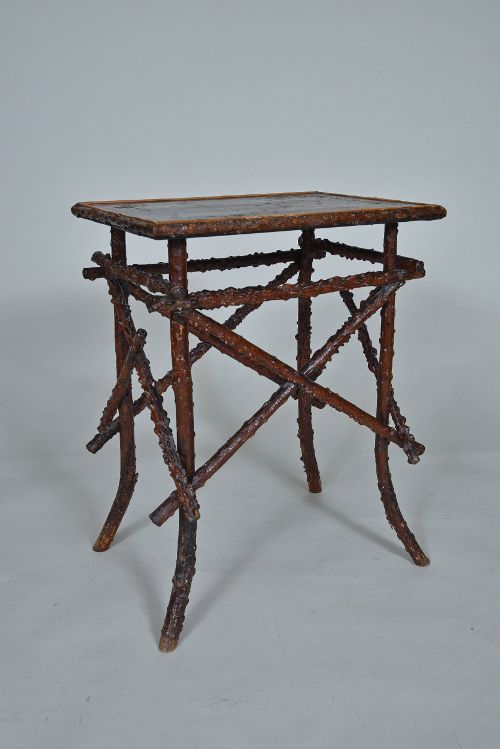
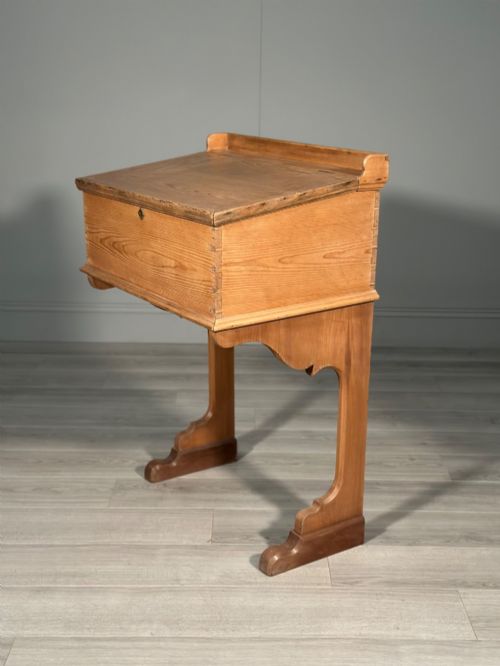
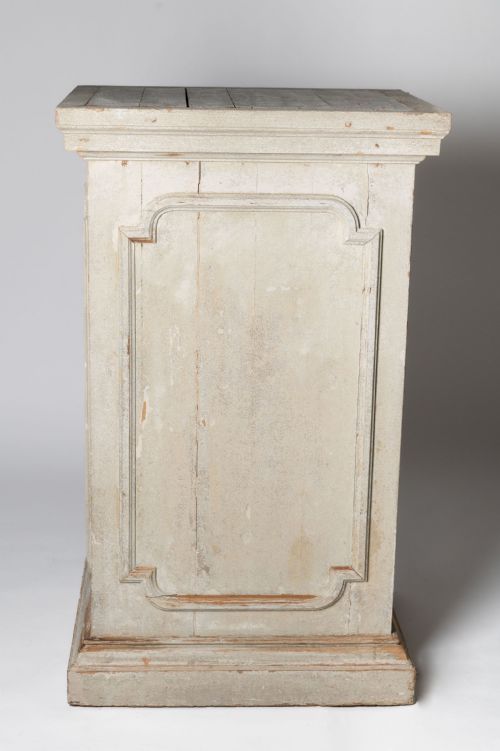
Rustic Wooden Stand
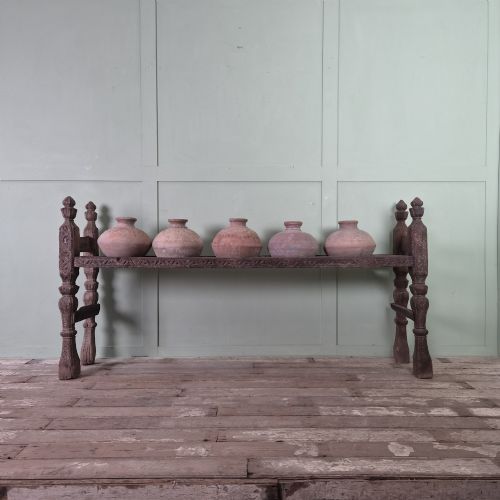
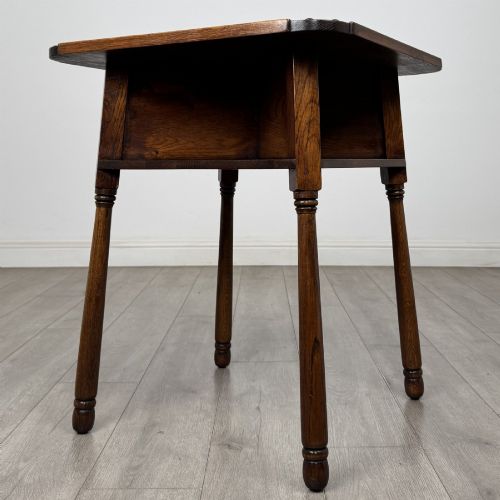
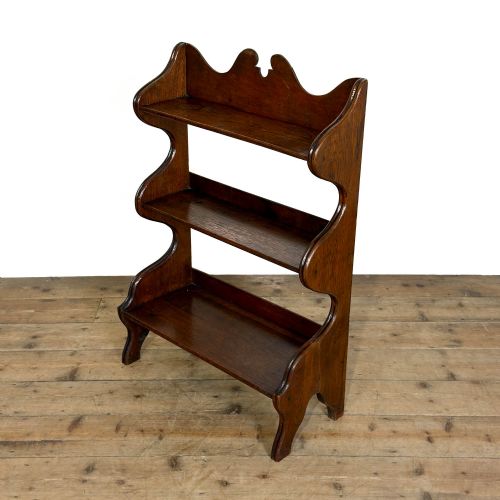
These rustic wooden stand options offer practical function and honest utility, shaped from solid timber for everyday use in any room.
Rustic Wooden Stand
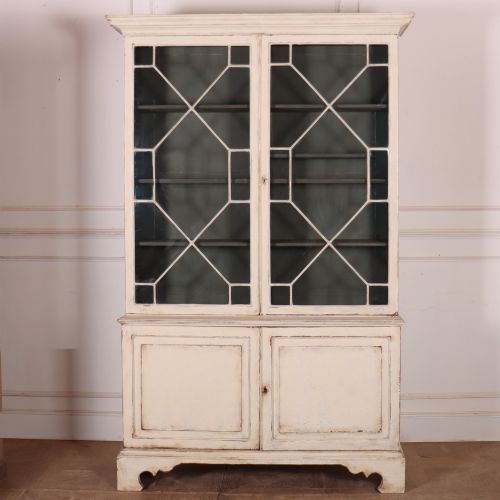
A rustic wooden stand encompasses a diverse group of practical items designed for holding, displaying, or supporting objects around the home. When searching for a rustic wooden stand, buyers encounter forms ranging from occasional tables and plant stands to umbrella holders, bookcases, and stools.
The pieces appearing here stem from various periods including the Georgian era, the Victorian period, and the Edwardian years, stretching into the early twentieth century. Makers of these items utilised native timbers to construct functional household articles that maintain a straightforward, unpretentious charm.
Most examples of a rustic wooden stand lean towards vernacular country styles, English country aesthetics, and Arts and Crafts designs. These items served specific domestic purposes in past centuries, from holding walking sticks in a hallway to supporting a lamp in a parlour.
Materials and construction
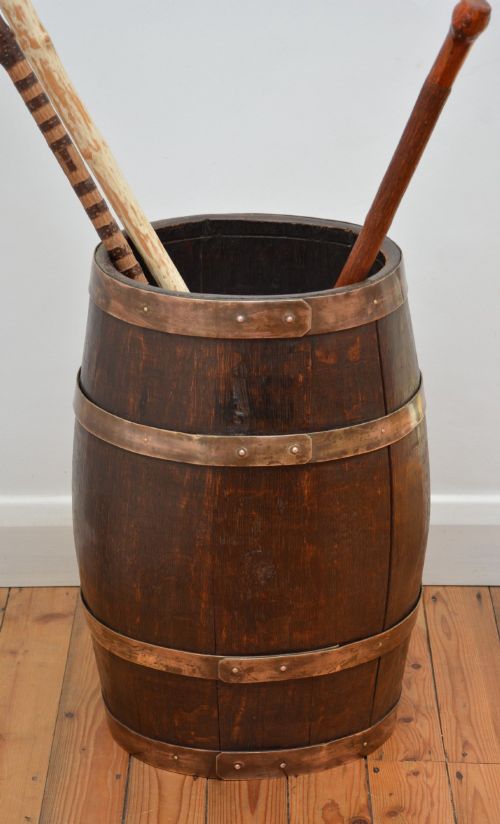
Makers built these pieces primarily from solid woods such as oak, pine, elm, and ash, selecting timber for strength and local availability. Metal components like iron and brass frequently appear as structural reinforcements, hinges, or water retention trays on umbrella and stick holders.
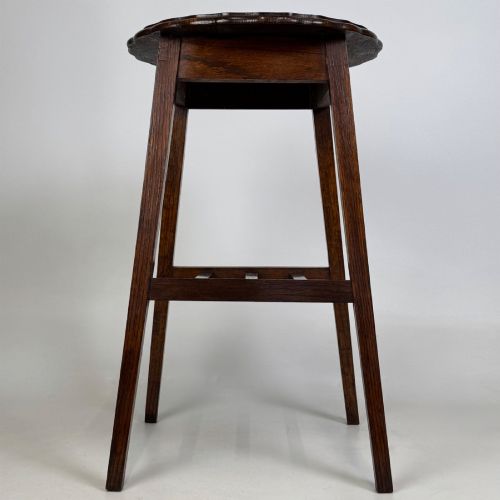
Construction techniques rely on traditional joinery suited to heavy daily use, including jointed frames, turned legs, and hand carving. Surfaces often retain original paint, unadorned waxed finishes, or simple carved decoration that highlights the natural grain of the timber.
Rustic Wooden Stand Retail Price Guide 2026
Typical asking prices for rustic wooden stand among the pieces listed under this phrase on Sellingantiques today, from the lower quarter to the upper quarter. They describe what is for sale here now, not the wider market.
Factors of quality
Quality in these domestic items rests upon the integrity of the timber selection and the retention of original surfaces. Pieces fashioned from dense woods like oak or elm with minimal replacement parts command greater attention from discerning buyers.
The subtlety of hand carving and the honesty of the construction methods distinguish superior examples from ordinary utility items. Surface preservation matters immensely, as pieces retaining their original paint or untouched patinated wax display a truer historical character.
The Rustic Wooden Stand Glossary
- Cricket table
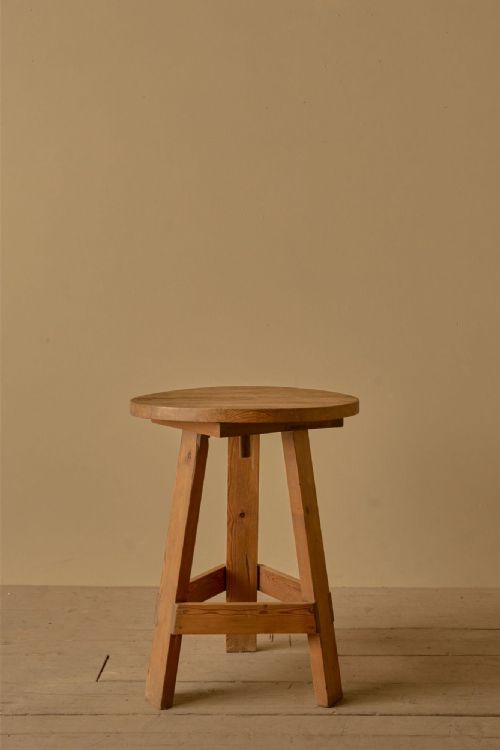
- A small, lightweight occasional table typically featuring three legs and a round wooden top. These stable surfaces suited uneven flagstone floors in historic cottages.
- Stick stand
- A tall domestic accessory designed to hold walking sticks, canes, and umbrellas upright in a hallway. They frequently incorporate metal liners at the base to catch rainwater.
- Arts and Crafts
- A design movement valuing handcraftsmanship, simple forms, and the natural qualities of materials over mass production. Pieces from this tradition show visible joinery and honest construction.
- Black Forest
- A style of ornate, highly carved wooden furniture and decorative objects originating from the mountain region of Germany and Switzerland. These items often feature naturalistic animal motifs.
- Luggage stand
- A low wooden frame with sturdy legs designed for holding suitcases or trunks at a convenient height in bedrooms. They fold or remain rigid depending on their regional construction.
Rustic Wooden Stand: Frequently Asked Questions
What rooms suit a rustic wooden stand?
These versatile pieces fit easily into entrance halls, living rooms, and bedrooms where practical surface space or storage is needed.
Smaller variants function well as bedside tables or plant pedestals, while taller forms manage umbrellas and walking sticks near an entryway.
How do I care for antique timber?
Protect wooden surfaces by keeping them away from direct heat sources and sudden humidity changes that cause timber to split.
Apply a traditional beeswax polish occasionally to nourish the grain and maintain a soft, protective sheen without sealing the wood.
How can I tell the period of a stand?
Examine the construction methods, tool marks, and overall styling to determine the probable era of manufacture.
Georgian and Victorian pieces often display hand-cut joinery and heavier proportions, whereas Edwardian and later items incorporate lighter framing.