



Rustic Wooden Prep Island
A rustic wooden prep island brings sturdy practicality and honest grain into the heart of the home.
Rustic Wooden Prep Island
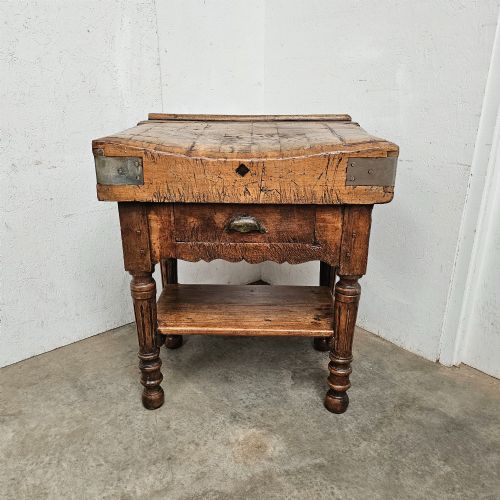
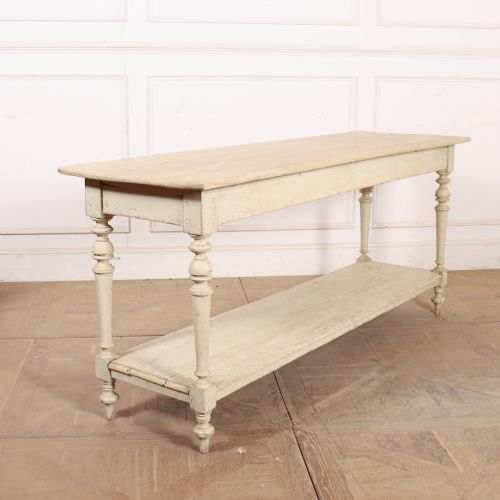
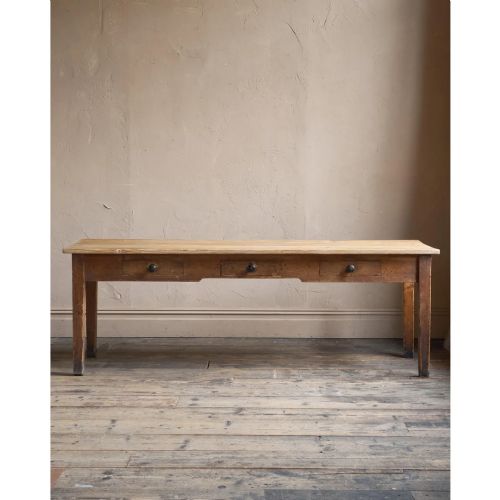
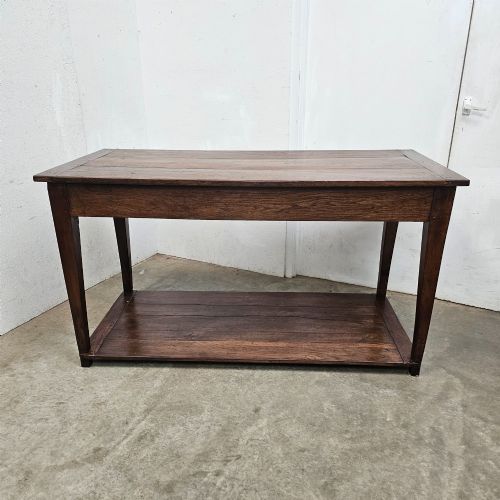
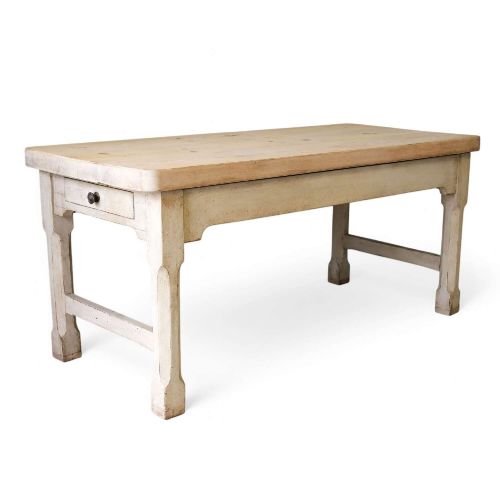
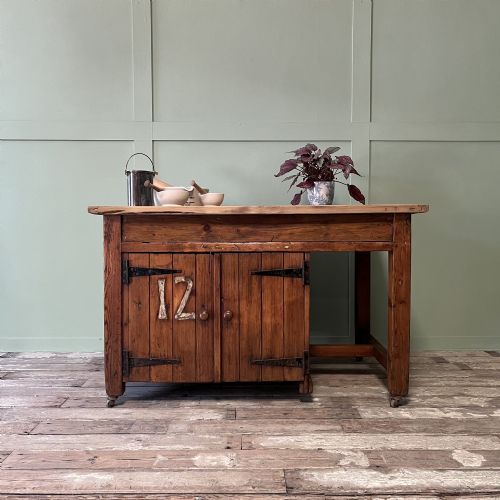
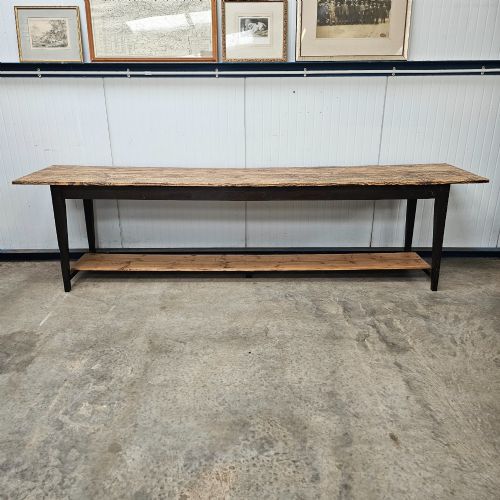
A rustic wooden prep island encompasses working surfaces designed for domestic labour, from bakers and drapers tables to butchers blocks and scullery pieces. These utilitarian furnishings span the eighteenth, nineteenth and mid-twentieth centuries, originating from English country houses, French provincial kitchens and Swedish domestic spaces.
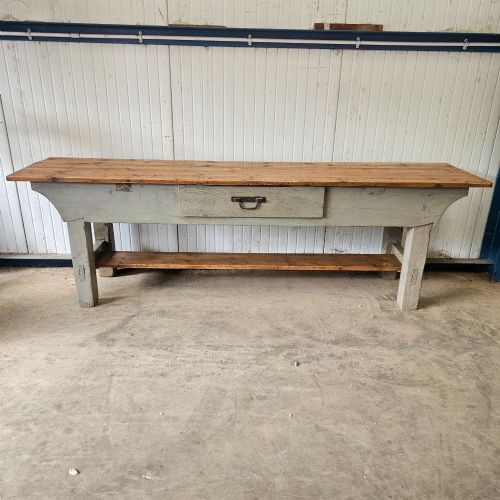
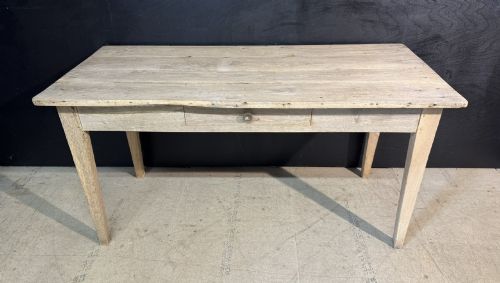
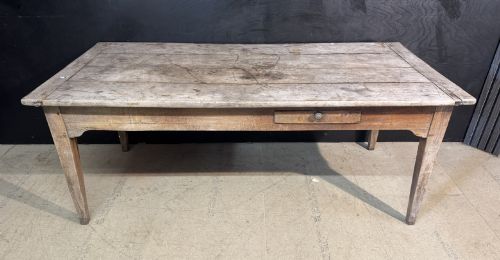
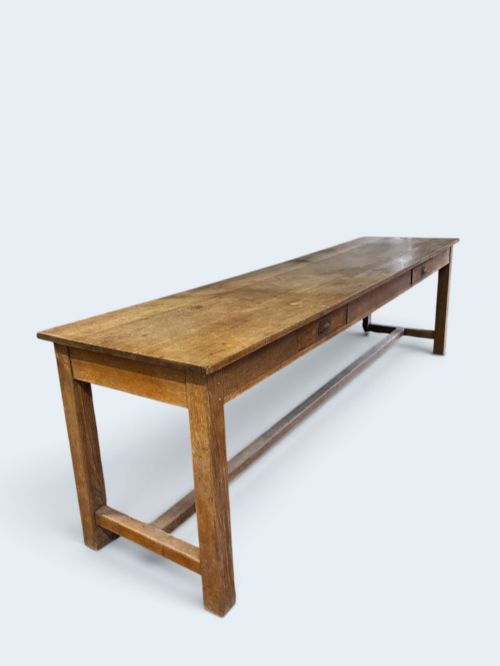
The version most commonly encountered on this page is the nineteenth-century pine or oak kitchen and prep table, often fitted with practical drawers, lower pot shelves or two-tier storage. Such pieces reflect hard-wearing everyday use, carrying the marks of chopping, rolling and serving across generations of rural life.
How they were made
Construction relies upon robust timbers selected for durability, principally pine, oak, beech, elm and sycamore, joined to withstand heavy daily pressure. Iron, brass and metal brackets or fixings frequently reinforce the structural joints of these heavy work tables.
Surfaces are often finished with layers of old paint, natural wax or simply left bare to show the grain of the wood after decades of scrubbing. Thick chopping blocks and heavy tabletops demonstrate practical carpentry intended strictly for utility rather than ornamentation.
Rustic Wooden Prep Island Retail Price Guide 2026
Typical asking prices for rustic wooden prep island among the pieces listed under this phrase on Sellingantiques today, from the lower quarter to the upper quarter. They describe what is for sale here now, not the wider market.
What varies in quality
Quality rests in the integrity of the original construction and the depth of natural patination accumulated through honest working life. Tables retaining their original base coat of paint or untouched timber tops command greater interest than those stripped back indiscriminately.
Proportion and structural balance also separate utilitarian pieces, with well-proportioned two-tier pot shelves and heavy dovetailed drawers indicating superior regional craftsmanship. The density and thickness of the timber, particularly on butchers blocks and chopping surfaces, dictate the overall substance of the item.
The Rustic Wooden Prep Island Glossary
- Butchers block
- A thick-topped wooden chopping surface designed for heavy meat preparation, usually supported by a sturdy standalone base. These dense blocks display heavy surface marks from active use.
- Drapers table
- A long utility table traditionally utilised in cloth and fabric trade shops, typically featuring generous proportions and lower shelving. They offer substantial length ideal for modern food preparation.
- Pot shelf
- A lower slatted or solid tier fitted beneath the main tabletop for storing heavy cookware and utensils. This feature maximises storage space in busy kitchens.
- Scullery table
- A heavy-duty wooden table built for washing, food preparation and utility tasks in the service rooms of large houses. Their robust construction handles moisture and heavy weight with ease.
- Vernacular style
- Furniture designed and built by local tradesmen using regional traditions and readily available materials rather than following formal academic patterns. This approach produces honest, unpretentious domestic pieces.
Rustic Wooden Prep Island: Frequently Asked Questions
What is a rustic wooden prep island used for?
These pieces serve as central workspace surfaces in kitchens, functioning as chopping areas, baking stations and serving tables. Their sturdy construction handles daily culinary tasks while providing generous surface area.
Lower pot shelves and integrated drawers also offer practical storage for cookware, utensils and everyday kitchen essentials.
How do I clean and maintain an old wooden top?
Maintain timber surfaces by wiping them down with a damp cloth and mild soap, avoiding harsh chemical cleaners that strip the natural oils. Regular application of food-safe mineral oil or beeswax preserves the wood and prevents excessive drying.
Accepting the marks of past use as part of the character ensures the piece retains its authentic historical patina.
How can I tell the period of a prep table?
Dating relies upon examining construction methods, timber choice, tool marks and the nature of any historical paint layers. Eighteenth and nineteenth-century pieces often display hand-cut joinery, pegged joints and timber seasoned by hand rather than modern machinery.
Iron brackets and fixings can also help determine whether a piece originates from the early nineteenth century or the Edwardian era.
Will a vintage butchers block fit in a modern kitchen?
These independent tables offer flexible placement because they stand without fitted cabinetry, allowing them to sit centrally or against walls. Measuring your floor space carefully ensures adequate clearance around the table for movement and open drawers.
Their varied heights and proportions mean you can select a scale that complements existing kitchen counters and appliances.