

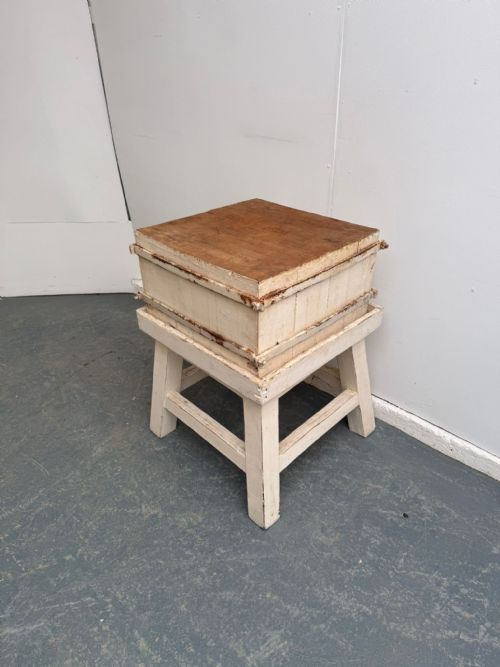


Timber Kitchen Island
A timber kitchen island provides a sturdy focal point for food preparation and gathering, combining utility with rustic charm.
Timber Kitchen Island
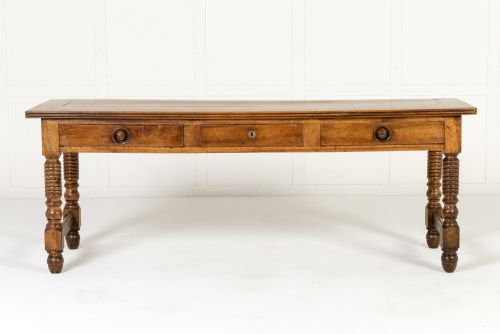
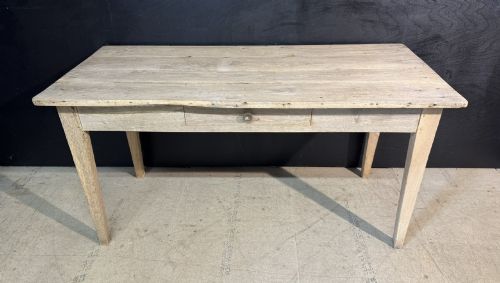
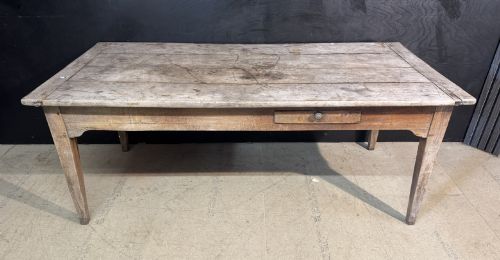
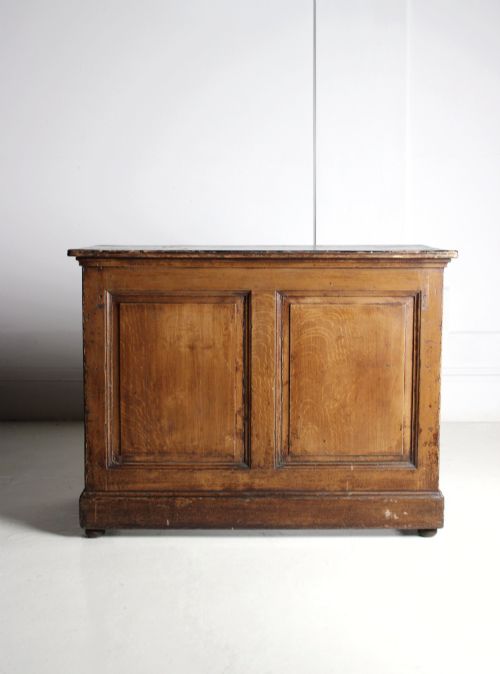
When you search for a timber kitchen island, you are looking at repurposed commercial counters, butchers blocks, workbenches, and preparation tables from the nineteenth and early twentieth centuries. These pieces originate from domestic country houses, French provincial settings, and Scandinavian workshops, bringing authentic utility into modern spaces.
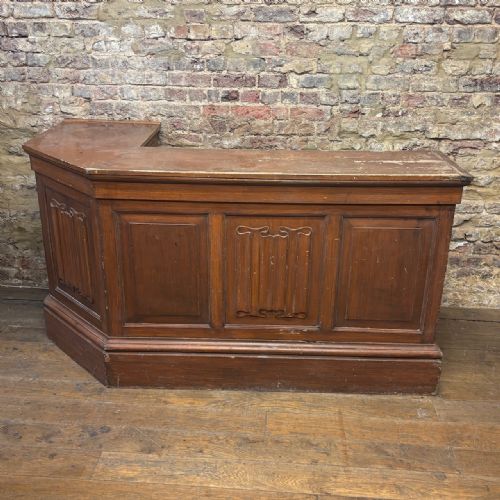
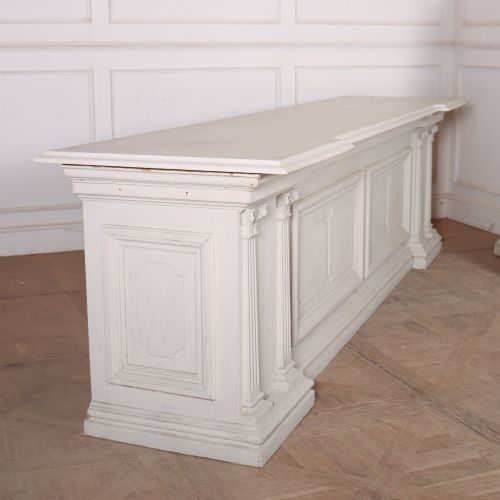
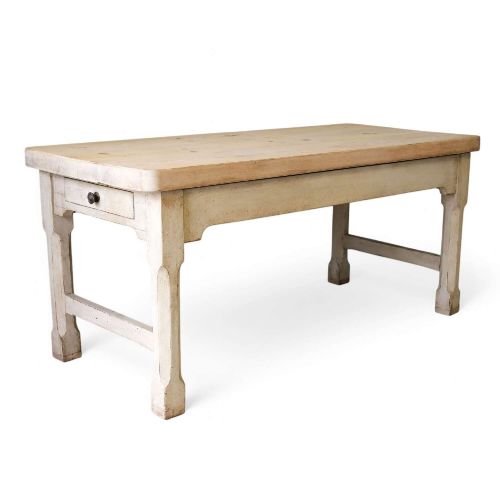
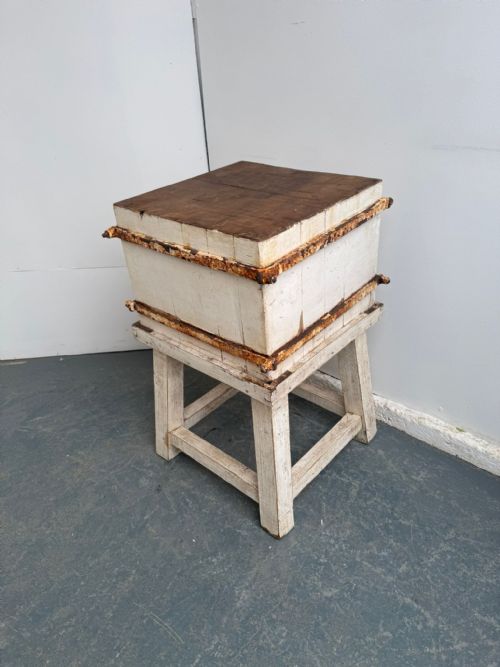
The most common forms on this page include French and Hungarian butchers blocks, Swedish and French workbenches fitted with vices, and long country house prep tables made from pine, oak, and beech. Many feature panelled timber bodies, painted finishes, and practical pot-shelves or drawers designed originally for heavy daily labour.
How they were made
These islands were constructed primarily using dense hardwoods and sturdy softwoods such as oak, beech, sycamore, elm, and pine, selected for their ability to withstand heavy chopping and daily trade. Iron, brass, and metal components such as vices, brackets, and bronzed mounts were integrated to reinforce the structural frames and working surfaces.
Joinery techniques prioritised absolute durability, employing thick plank tops, mortise and tenon joints, and integrated wooden vices. Surfaces frequently show the marks of original paint, later paint applications, or scrubbed timber that reveal decades of active use.
Timber Kitchen Island Retail Price Guide 2026
Typical asking prices for timber kitchen island among the pieces listed under this phrase on Sellingantiques today, from the lower quarter to the upper quarter. They describe what is for sale here now, not the wider market.
Listings span from the mid-nineteenth century through the 1930s, featuring oak, pine, beech, and elm across French, Scandinavian, and English origins.
What varies in quality
Quality rests in the integrity of the primary timber top and the originality of the base structure. Thick, deeply worn chopping blocks and heavy commercial counters retain greater presence than lighter domestic tables.
The presence of original maker details, period hardware such as working vices and brass mounts, and untouched painted surfaces elevate certain examples. Proportion and scale also dictate value, with substantial length offering greater utility in a modern kitchen.
Trussant & Cie·Hennes France
The Timber Kitchen Island Glossary
- Butchers block
- A heavy timber chopping surface constructed from end-grain or thick face-grain hardwood designed to absorb heavy blows. These blocks form the functional heart of many antique preparation tables.
- Workbench
- A utilitarian wooden table utilised by artisans or tradespeople, typically fitted with a wooden vice and tool wells. Their robust construction makes them popular for modern kitchen use.
- Drapers table
- A long, narrow table historically used in textile shops for folding cloth, often featuring lower pot-shelves. They provide generous surface area with a relatively shallow depth.
- Pot-shelf
- An open lower shelf built into a table or counter to store pots, pans, and heavy kitchen wares. This architectural feature maximises storage space beneath the main working surface.
Timber Kitchen Island: Frequently Asked Questions
Can I use an antique workbench as a kitchen island?
Yes, historic workbenches make exceptional kitchen islands due to their sturdy timber construction and deep working surfaces. Many retain original vices and tool wells that add character.
Ensure you check the working height of the piece, as older workbenches can sometimes sit lower than standard modern kitchen counters.
How do I maintain a vintage wooden chopping block?
Maintain the timber by regularly oiling the surface with food-safe mineral oil to prevent the wood from drying out or splitting. Avoid harsh detergents and excess moisture during cleaning.
Scrubbing the top gently with warm water and coarse salt helps keep the timber hygienic while preserving the historic patina.
Are painted finishes on these islands original?
Many pieces show a mix of original paint, later decorative layers, or scrubbed bare timber resulting from decades of cleaning in domestic or commercial settings. Listings will often specify whether paint is later or original to the period.
Patinated paint finishes add decorative value and protect the underlying timber from grease and moisture.