

Rustic Wooden Box
A rustic wooden box offers honest utility and simple charm, crafted from sturdy timber to store household goods through the centuries.
Rustic Wooden Box
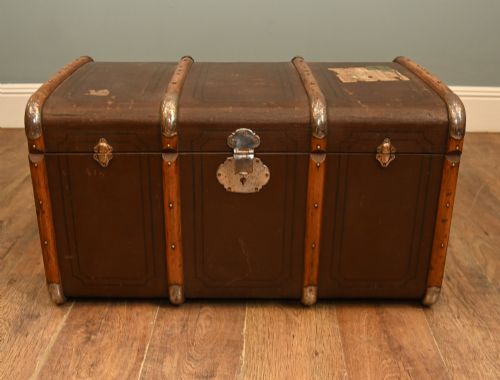
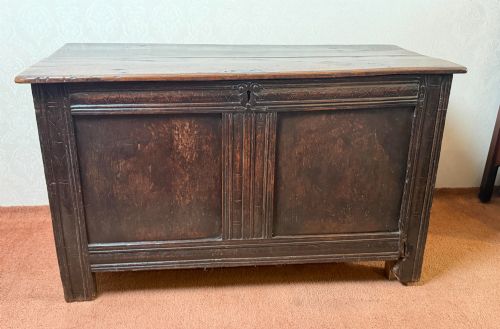
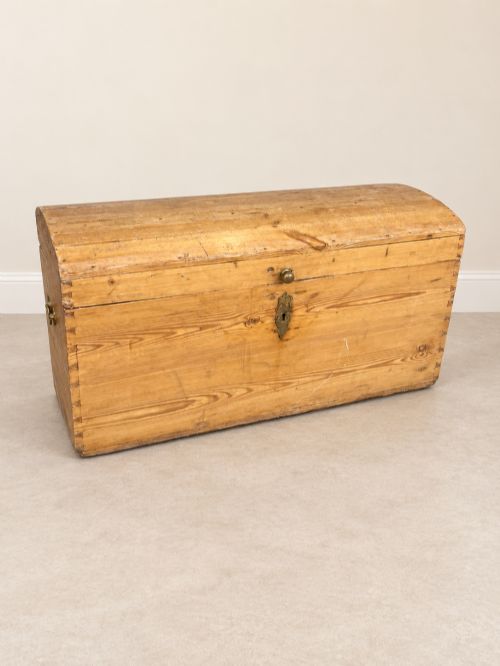
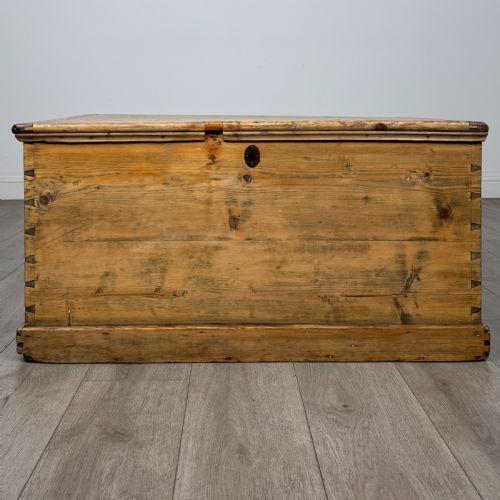
A rustic wooden box represents functional domestic storage forged from necessity in centuries past. When searching for a rustic wooden box, buyers encounter robust blanket chests, small document containers and heavy storage trunks spanning the seventeenth to the nineteenth centuries.
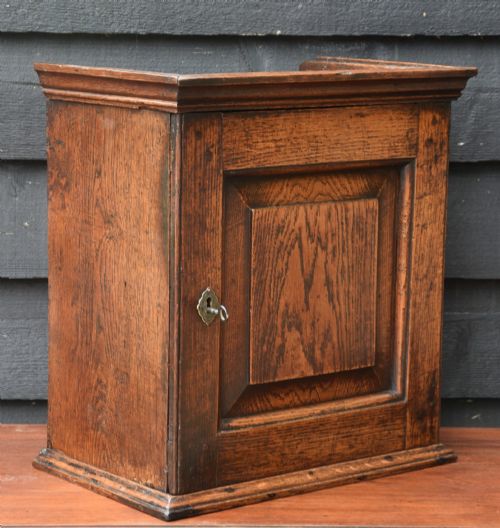
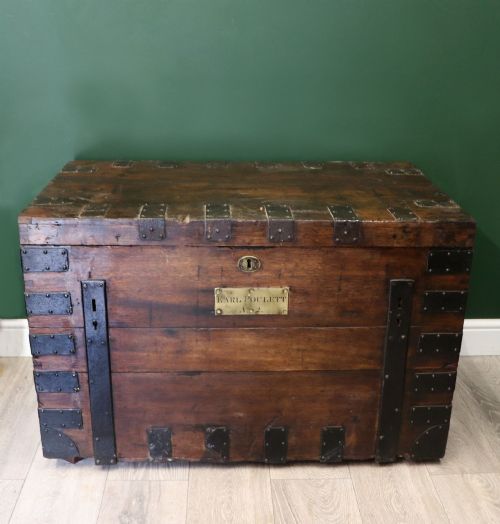
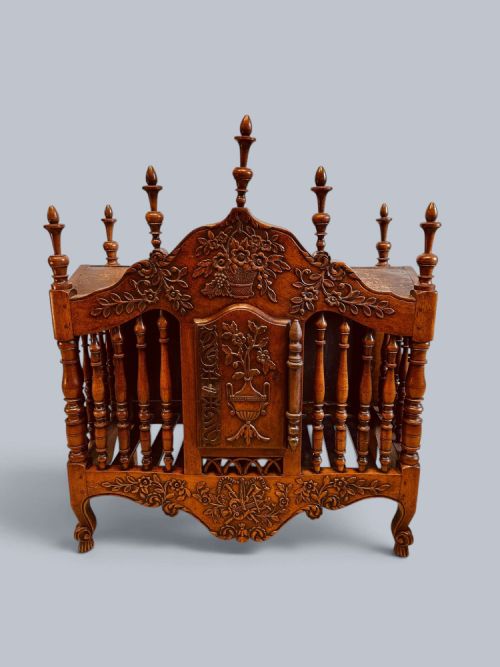
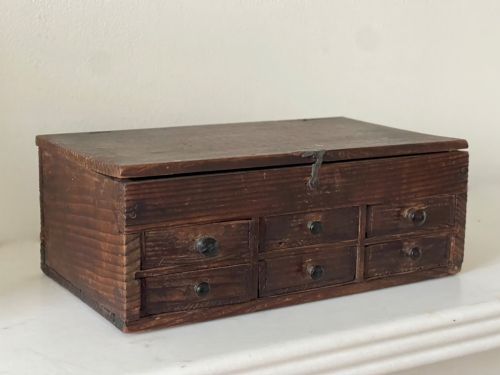
The most common examples on this page are pine and oak pieces originating from English and European country houses, farmhouses and workshops. These items range from small spice cupboards and carved document boxes to large coffer chests and travel trunks.
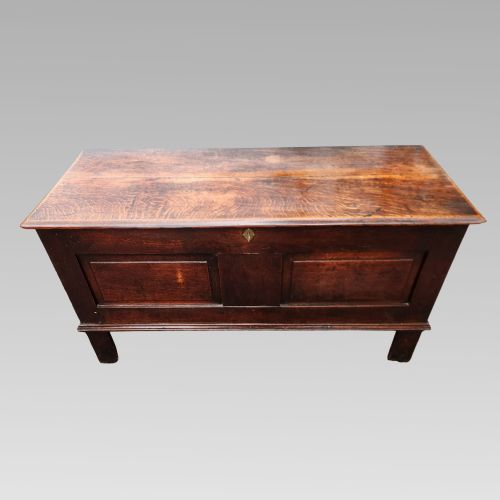
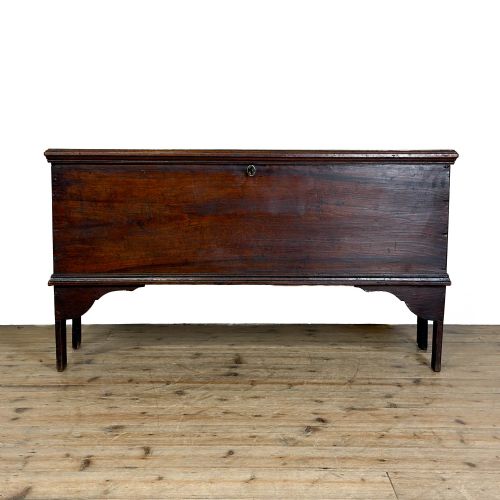
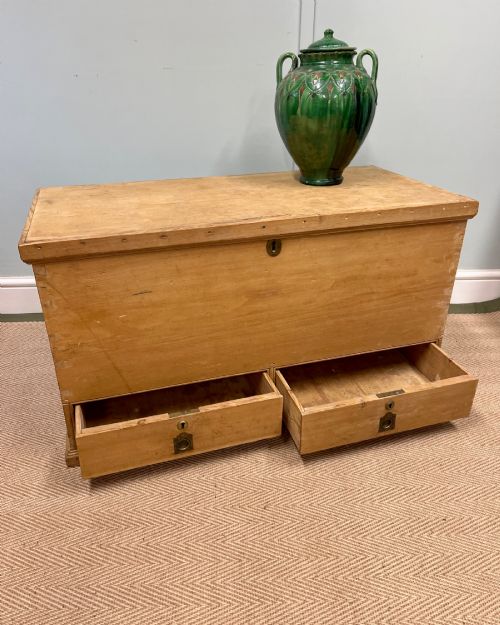
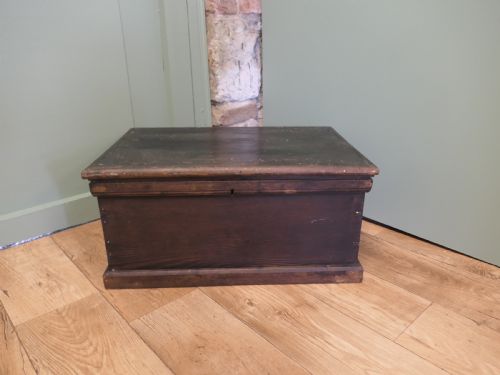
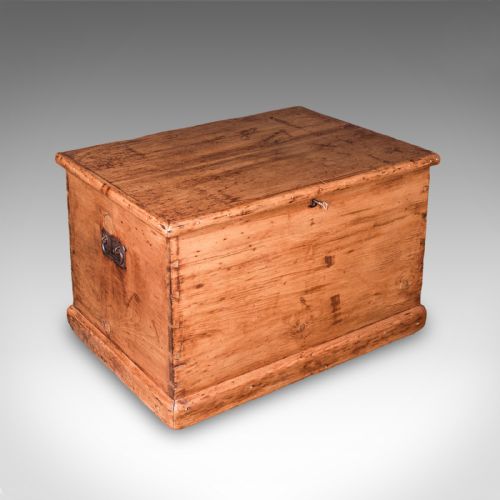
Period pieces include seventeenth-century plank coffers, Georgian mule chests, and Victorian pine blanket boxes fitted with side handles. Their forms reflect straightforward utilitarian design intended for daily service in domestic interiors.
Materials and Construction
Construction relies heavily on native timbers such as oak, pine, elm and occasionally fruitwoods, joined using traditional methods suited to heavy daily use. Panels are frequently joined with tongue and groove techniques or held by robust iron and brass hinges.
Surface finishes vary from plain stripped timber to original red paint, polychrome decoration, or dark stain. Many boxes exhibit hand-carved details, pegged joints, and heavy metal hardware designed to reinforce the structure.
Rustic Wooden Box Retail Price Guide 2026
Typical asking prices for rustic wooden box among the pieces listed under this phrase on Sellingantiques today, from the lower quarter to the upper quarter. They describe what is for sale here now, not the wider market.
Several boxes arrive with hidden compartments inside, built specifically for concealing currency away from prying eyes.
Judging Quality and Character
Quality in these storage pieces depends upon the integrity of the timber, the originality of the hardware, and the survival of early surface finishes such as paint or natural patina. Pieces retaining their original hinges, locks and side handles command greater appreciation.
Proportion and construction depth separate standard utilitarian items from finer regional examples, such as early Welsh coffers or carved document boxes. The tightness of the joinery and minimal later intervention dictate the historical value of the piece.
The Rustic Wooden Box Glossary
- Coffer
- A heavy wooden chest traditionally used for storing valuables, linens or documents. They often feature robust panelled construction dating from the seventeenth and eighteenth centuries.
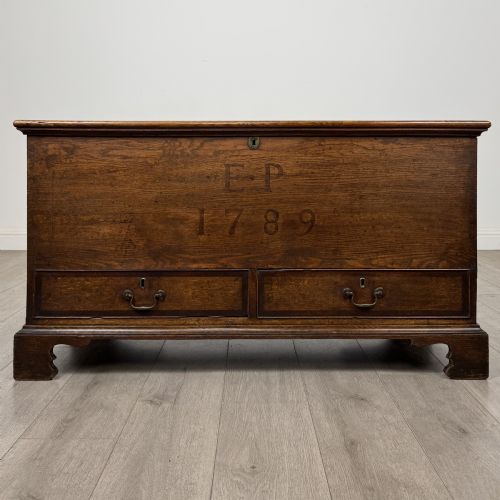
- Mule Chest
- A storage chest characterised by one or more drawers built into the base beneath the main compartment. They combine the storage of a coffer with the accessibility of a chest of drawers.
- Plank Coffer
- An early form of chest constructed from thick boards joined at the edges rather than set into a frame. These represent some of the oldest surviving domestic storage containers.
- Spice Cupboard
- A small wall-mounted or tabletop cabinet fitted with internal drawers for storing precious culinary items and medicinal ingredients. They are frequently encountered in early oak.
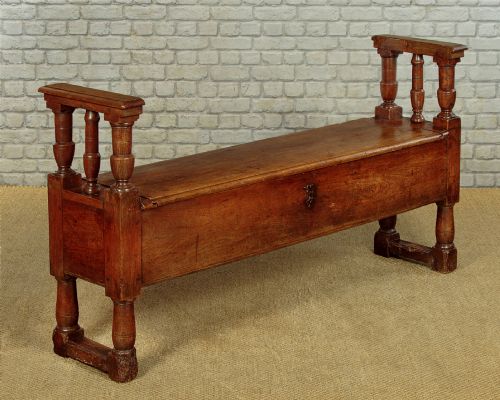
- Barge Box
- A decorated wooden box or seat associated with canal culture, often featuring polychrome painted designs. These folk art pieces display bright colours and traditional motifs.
Rustic Wooden Box: Frequently Asked Questions
What were these boxes used for originally?
These boxes served essential domestic functions, holding everything from household blankets and winter linens to legal documents and dry goods.
Larger trunks accommodated personal belongings during travel, whilst smaller spice cupboards and document boxes kept valuable items secure in the home.
How do I date an antique wooden box?
Dating relies on observing construction methods, timber species, and hardware types used in the piece. Seventeenth-century examples often feature plank construction or pegged oak panels, whereas Victorian pieces commonly utilise machine-sawn pine and iron fittings.
Examining tool marks and the natural ageing of the wood helps determine whether a piece belongs to the Georgian era or later.
How should I care for a rustic wooden box?
Maintain these wooden items by keeping them away from direct heat sources and sudden humidity changes, which can cause timber to split.
Apply natural beeswax occasionally to nourish unpainted wooden surfaces and preserve the historic patina without damaging the finish.
What is the difference between a coffer and a blanket box?
A coffer is traditionally a heavy, panelled chest dating from earlier centuries, often constructed from oak and associated with secure storage. A blanket box generally refers to later pine or elm pieces designed specifically for holding textiles in a bedroom setting.
While both share a hinged lid and deep interior, their eras of origin and primary wood types typically set them apart.