


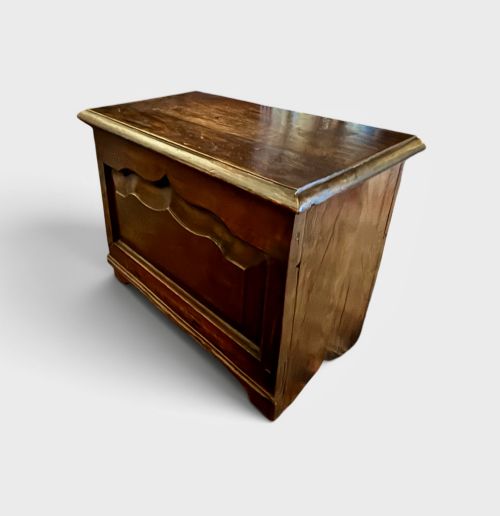
Rustic Wooden Blanket Box
A rustic wooden blanket box provides deep utility and grounded character, holding linens while anchoring a room with heavy timber and age.
Rustic Wooden Blanket Box
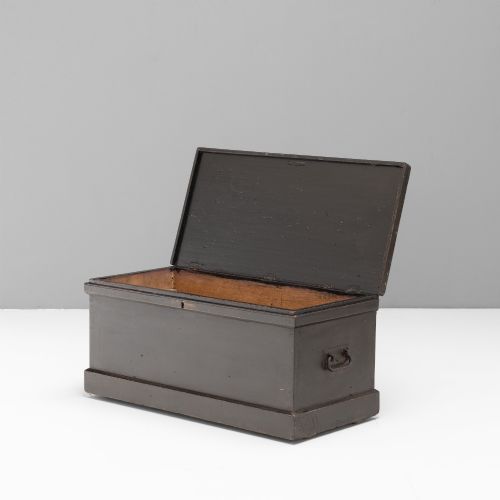
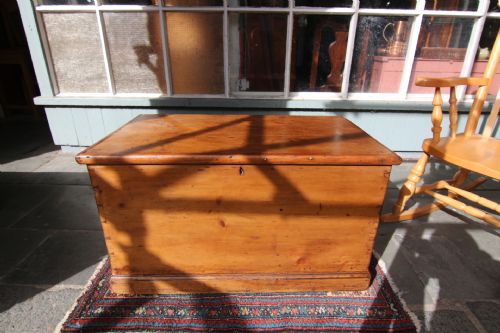
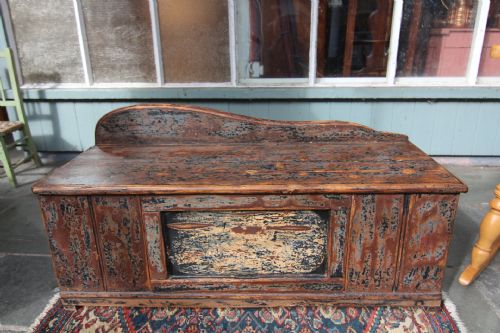
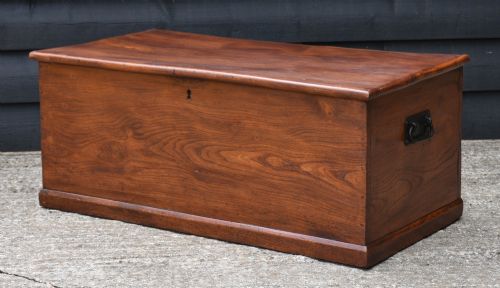
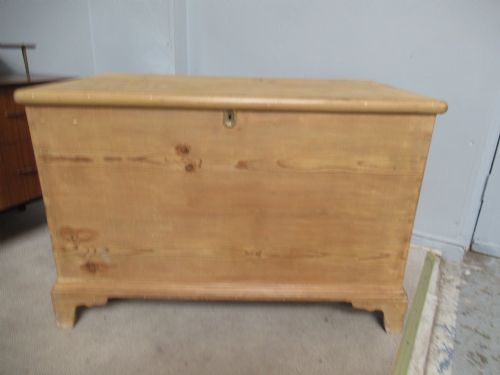
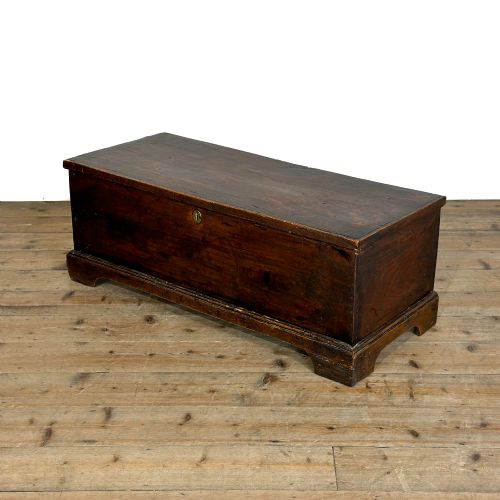
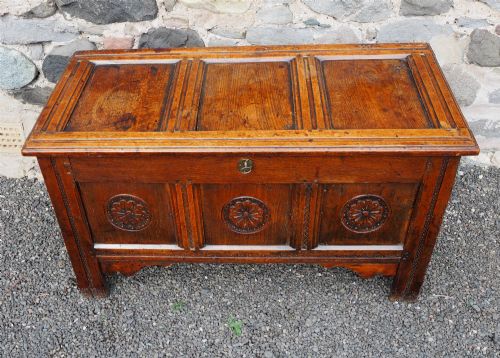
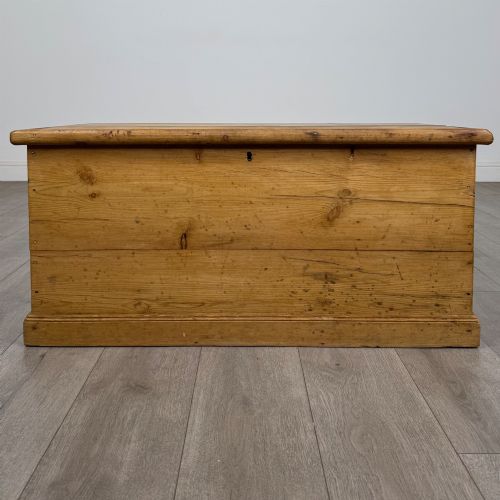
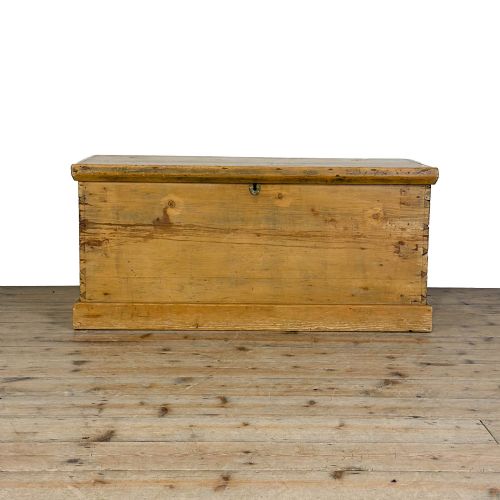
A rustic wooden blanket box serves as a utilitarian storage piece encountered across domestic interiors from the seventeenth century through to the Victorian era. These items take the form of blanket boxes, storage chests, trunks, and coffers, designed originally to safeguard textiles and household goods. Buyers searching this phrase meet functional vessels built for practical service rather than delicate parlour display.
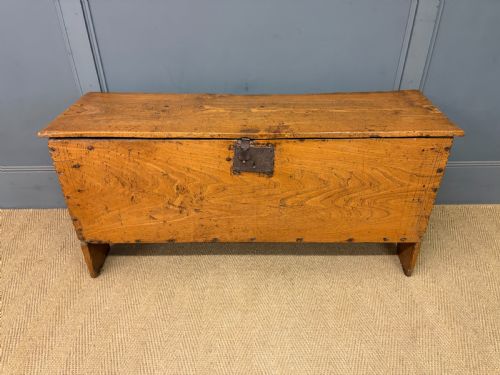
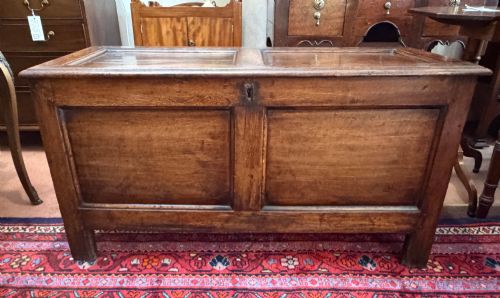
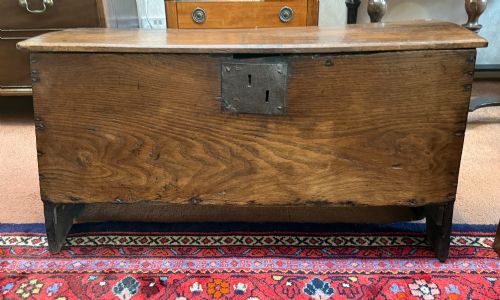
The pieces appearing here span centuries of domestic woodworking, originating from British workshops as well as continental and regional traditions. Oak and pine dominate the selection, appearing alongside elm, teak, pitch pine, and Oregon pine. Forms range from simple six-plank constructions to panelled coffers and fitted trunks equipped with internal drawers.
Earlier examples often display vernacular carving or regional joinery, particularly Welsh, French, Dutch, and Scandinavian pieces, while later nineteenth-century versions lean towards robust utility in painted or stripped pine. Iron strapwork and brass fittings frequently secure the heavier chests, adding structural reinforcement and tactile contrast to the timber bodies.
Materials and construction methods
Joiners and country carpenters utilised native hardwoods and softwoods depending on local availability, turning to durable oak, elm, and various pines to build rigid carcass structures. Planks were joined using traditional methods such as six-plank assembly, tongue and groove, or mortise and tenon framing for panelled coffers. These techniques ensured the timber could withstand the seasonal expansion and contraction inherent in domestic environments.
Hardware played a central role in assembly and security, with blacksmiths forging iron strapwork, hinges, and carrying handles to reinforce corners and lids. Brass details occasionally appear on finer Georgian and Victorian iterations, while painted finishes protect softer woods like pine on Dutch and provincial chests. Internal divisions, tills, and drawers were integrated into specific chests to organise smaller valuables alongside larger blankets.
Listings feature woods spanning native oak, elm, and pine alongside imported teak, pitch pine, and Oregon pine.
Factors of construction and preservation
Quality in these chests rests upon the integrity of the original timber, the honesty of the construction, and the degree of survival in the surfaces. Pieces retaining their original hinges, locks, feet, and internal tills command greater interest than those subjected to heavy timber replacement or unsympathetic modern alterations. The thickness of the boards and the precision of the primary joinery distinguish provincial vernacular pieces from more deliberate cabinet work.
Surface patination heavily influences the standing of a box, marking the difference between a dry, well-preserved skin and a stripped surface stripped of historical character. Original paint finishes or undisturbed waxed oak surfaces demonstrate how the timber has aged through generations of use. Structural soundness in the lid hinges and base timbers ultimately dictates the practical utility of the chest.
The Rustic Wooden Blanket Box Glossary
- Coffer
- A heavy wooden chest traditionally used for storing valuables, textiles, or documents. These pieces often feature sturdy panelled construction and heavy lids.
- Six-plank coffer
- A primitive box construction formed from six distinct boards joined directly at the edges, representing an early and straightforward method of chest building.
- Strapwork
- Decorative or reinforcing bands of metal, typically hand-forged iron, applied across the exterior of a chest to secure joints and protect the timber.
- Till
- A small internal compartment or partitioned box fitted within the upper interior of a chest, designed for storing smaller items separately from the main body.
- Dowry chest
- A large storage box traditionally prepared for a bride to hold household linen and personal goods ahead of marriage.
Rustic Wooden Blanket Box: Frequently Asked Questions
What were blanket boxes originally used for?
These chests functioned as secure domestic storage for valuable textiles, woollen blankets, and household garments before fitted wardrobes became common.
Their heavy lids and sturdy locks kept contents safe from dampness, dust, and pests in domestic quarters.
How do I date an antique wooden chest?
Dating relies on examining the construction methods, tool marks, timber species, and hardware style visible across the piece.
Hand-forged ironwork, pegged joints, and vernacular panel designs typically point to seventeenth and eighteenth-century origins, while later nineteenth-century pine boxes show machine-sawn boards and simpler butt joints.
Can I use a blanket box as a coffee table?
The flat top and robust proportions of these chests make them suitable for alternative placement as living room surface furniture.
Care should be taken to protect antique timber surfaces from moisture and heavy impacts during daily use.
What is the difference between a coffer and a trunk?
A coffer generally denotes a heavier, panelled wooden construction built by joiners for domestic storage, often featuring architectural mouldings.
A trunk typically implies a travel or transport container, sometimes covered in hide, canvas, or fitted with robust iron carrying handles for transit.