


Rustic Windsor Side Chairs
Rustic windsor side chairs bring immediate character to a kitchen, offering sturdy vernacular seating shaped by nineteenth-century country makers.
Rustic Windsor Side Chairs
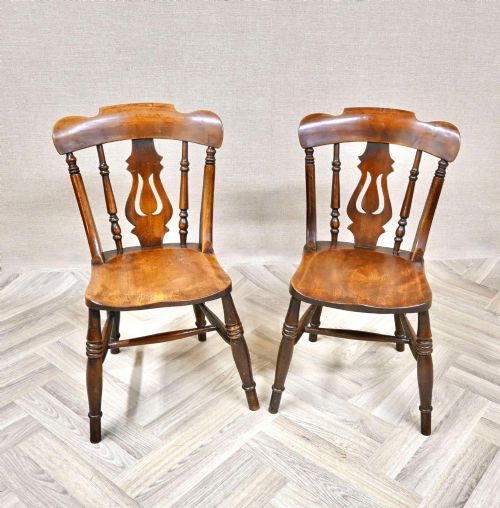
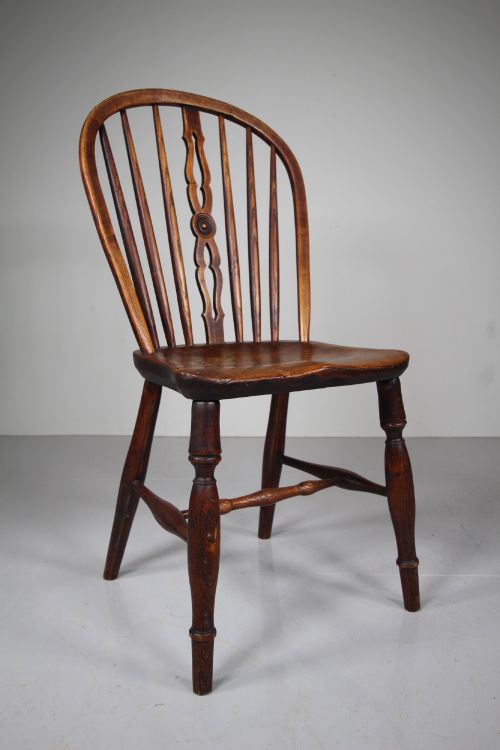
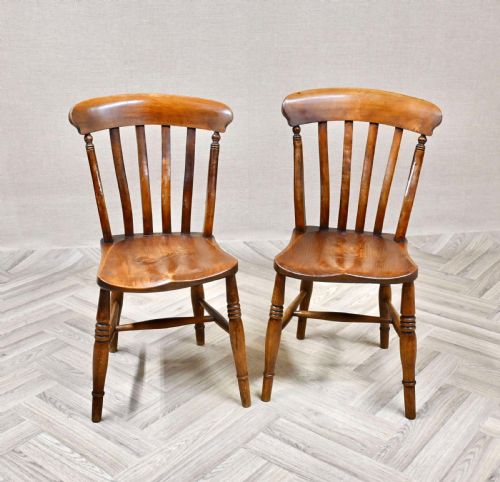
When searching for rustic windsor side chairs, you are looking at practical kitchen and dining seating developed through English country traditions. These pieces predominantly date from the nineteenth century, including Victorian periods up to nineteen hundred and twenty.
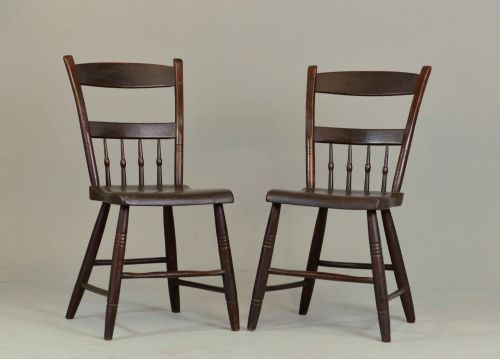
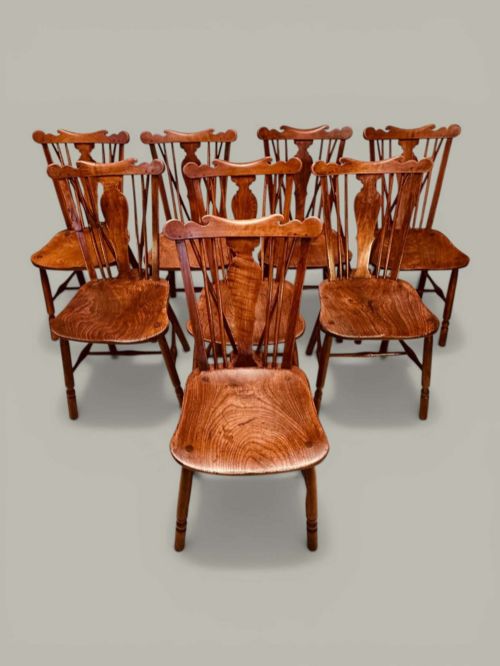
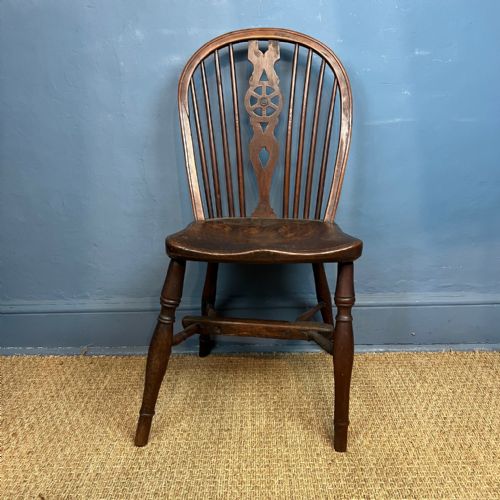
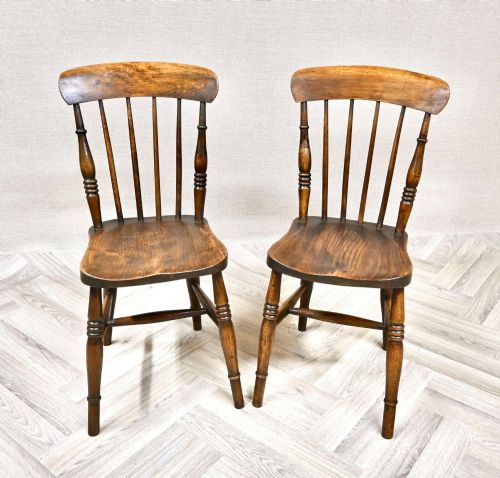
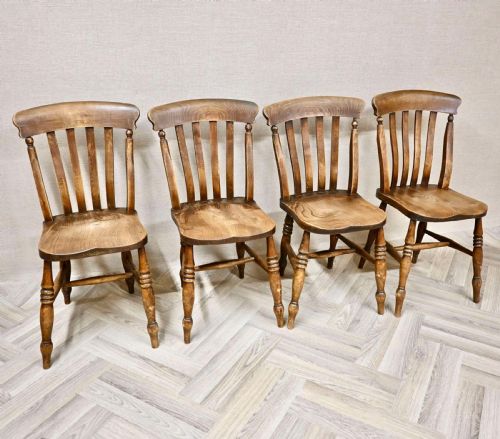
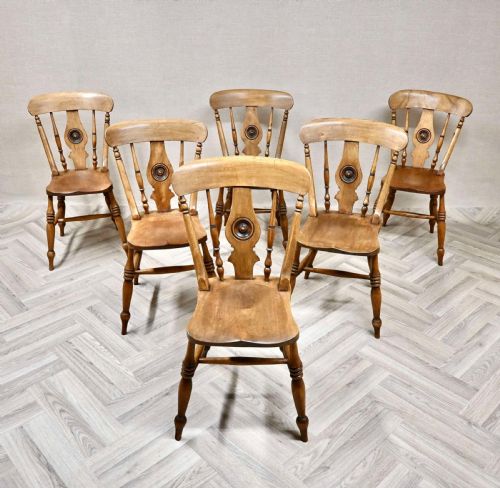
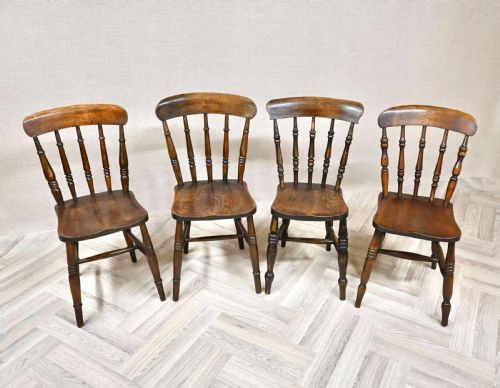
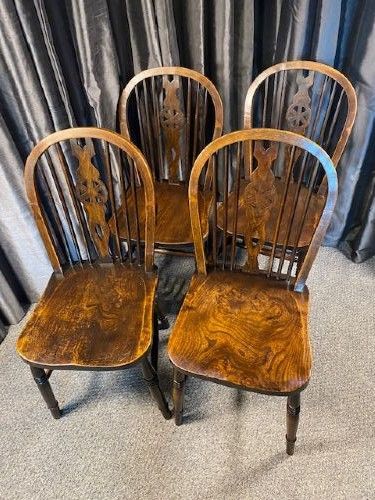
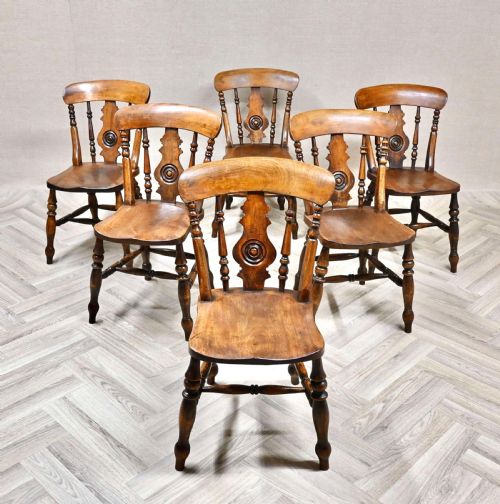
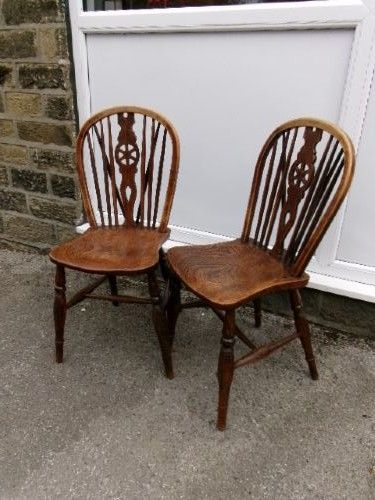
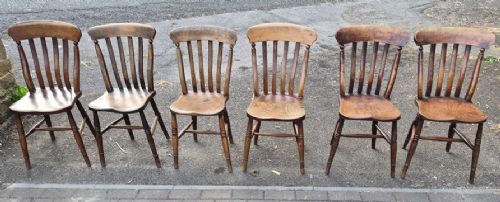
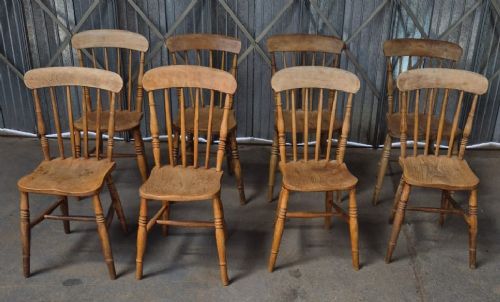
The selections you meet on this page include sets of four or six alongside pairs and individual dining chairs, wheelbacks, lathbacks, and lyrebacks. Stools and occasional armchairs also appear within these traditional country forms.
Materials and construction
Constructed primarily using mixed woods, these chairs combine elm seats with beech, ash, oak, and yew for spindles and legs. Local bodgers turned the components on pole lathes before assembling them directly into sculpted seats.
The traditional stick-back and wheelback designs rely on wedged tenon joints and steam-bent rails to achieve lasting structural strength without modern fasteners.
Rustic Windsor Side Chairs Retail Price Guide 2026
Typical asking prices for rustic windsor side chairs among the pieces listed under this phrase on Sellingantiques today, from the lower quarter to the upper quarter. They describe what is for sale here now, not the wider market.
Factors in quality
Quality rests upon the choice of timber and the depth of the sculpted elm seat, known as a penny seat or plank base. Thick, well-figured timber provides better stability and longevity than thinner replacements.
Proportion and turning detail distinguish better country workshop output. Refined spindle profiles and balanced hoop bows show the maker's hand clearly compared to simpler utility versions.
The Rustic Windsor Side Chairs Glossary
- Elm seat
- A solid wooden saddle-shaped base carved from a single piece of elm. It resists splitting and provides the anchor for the legs and back spindles.
- Wheelback
- A Windsor chair back featuring a pierced splat shaped like a carriage wheel. This decorative motif became popular during the nineteenth century.
- Stick back
- A minimalist chair back constructed from multiple simple turned spindles rather than a central splat. It is typical of Thames Valley vernacular pieces.
- Bodger
- A rural pole-lathe turner who produced chair legs and spindles in the woods. These rough-turned components were supplied to urban or village chair makers.
- Lathback
- A chair back featuring a horizontal bentwood top rail supported by vertical slats. This provides robust support for kitchen and dining use.
Rustic Windsor Side Chairs: Frequently Asked Questions
Are rustic windsor side chairs comfortable?
The sculpted wooden seats offer surprising ergonomic support despite lacking upholstery. Their contoured profiles distribute weight evenly for dining use.
Adding small loose pads can increase comfort during long meals without hiding the grain of the timber.
How do I identify nineteenth century examples?
Examine the timber underneath the seat for tool marks, adze scars, and hand-turned joint surfaces. Nineteenth-century pieces often show slight asymmetries from manual construction.
Screws and fixings should match the period, though many joints rely purely on wedges and glue.
Can I mix different sets around a table?
Harlequin sets of country chairs provide an authentic rustic aesthetic for farmhouse dining tables. Matching timber tones helps unify varied spindle designs and wheelbacks.
Keeping similar seat heights ensures everyone sits comfortably at the same level.
How should I care for elm seats?
Apply natural beeswax occasionally to nourish the dry nineteenth-century timber and maintain a soft lustre. Avoid placing chairs near direct heat sources that could split the wood.
Routine dusting with a dry cloth keeps the surface clean without damaging the historic finish.