


Rustic Treen
Rustic treen comprises honest wooden utensils and household objects shaped by hand for daily domestic work across past centuries.
Rustic Treen
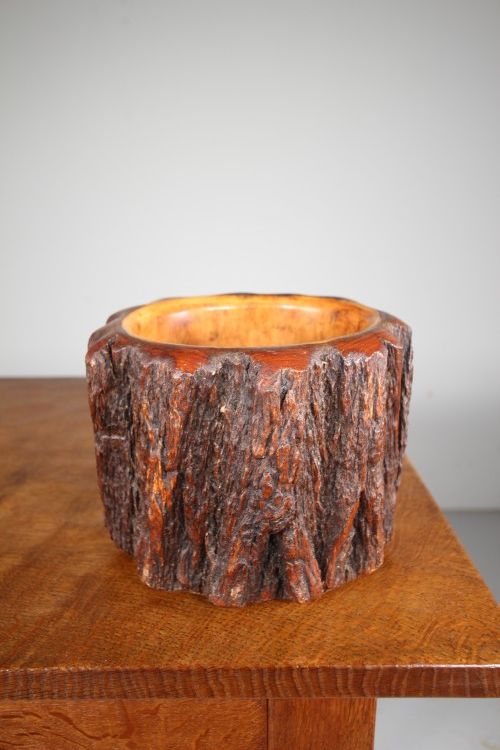
Rustic treen encompasses practical domestic items made from wood, spanning periods from the seventeenth century through to the early twentieth century. When searching for rustic treen, a buyer encounters utilitarian household forms including dairy bowls, trenchers, salt boxes, scoops, and mortars. These objects reflect rural domestic life and traditional craftsmanship across English, Welsh, French, Swedish, and Continental origins.
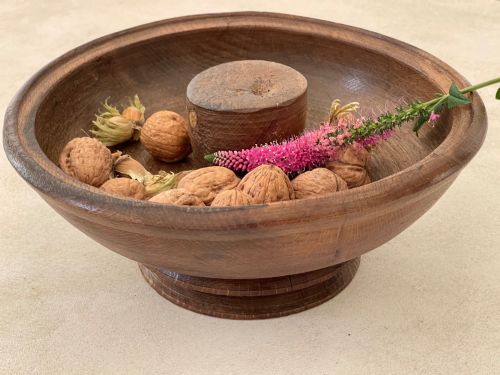
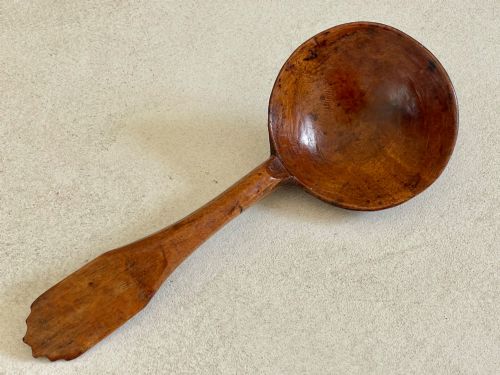
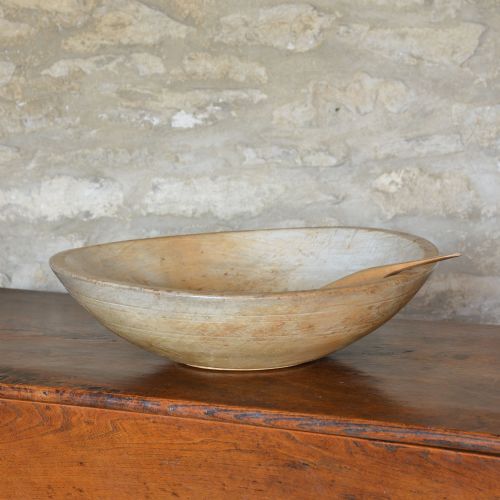
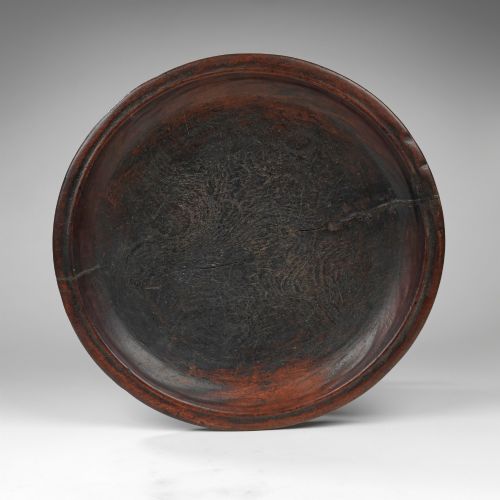
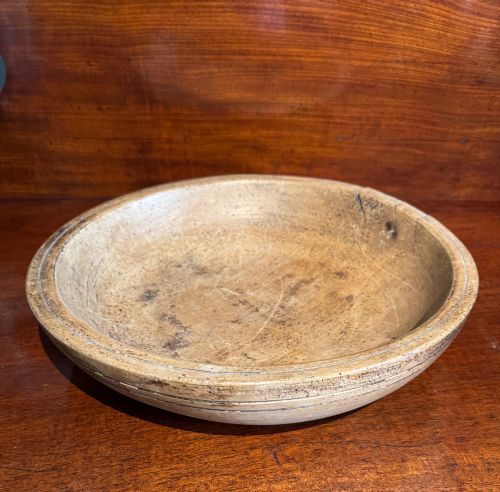
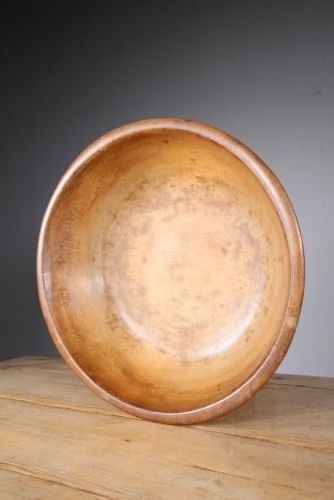
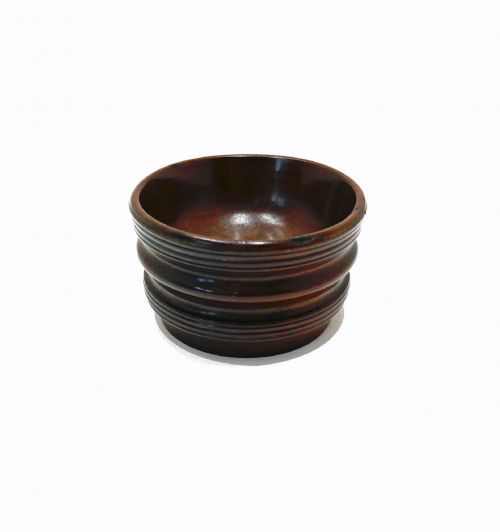
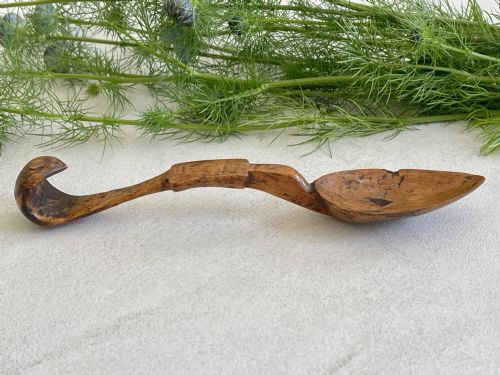
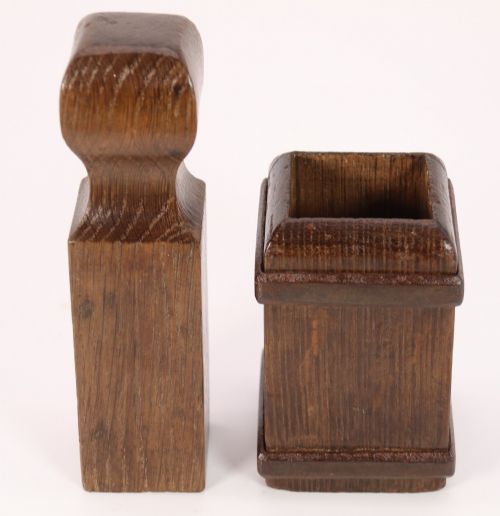
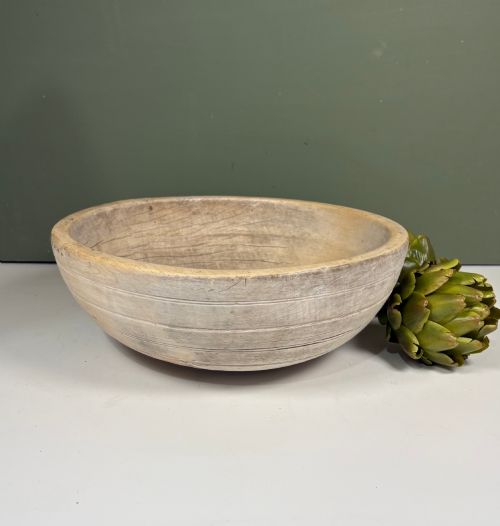
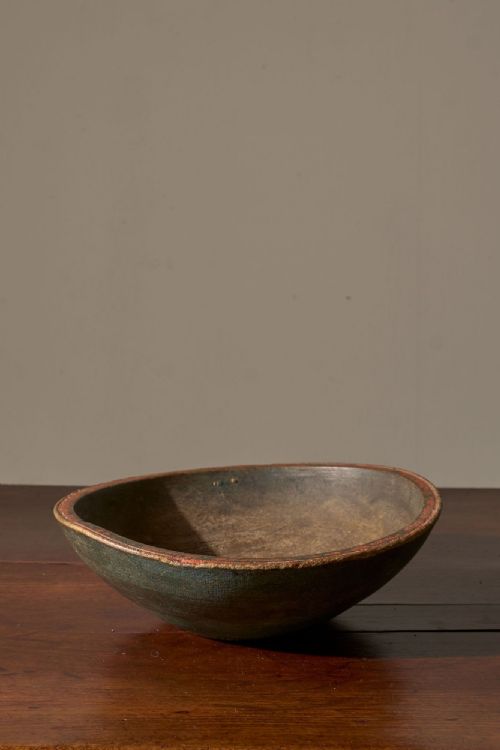
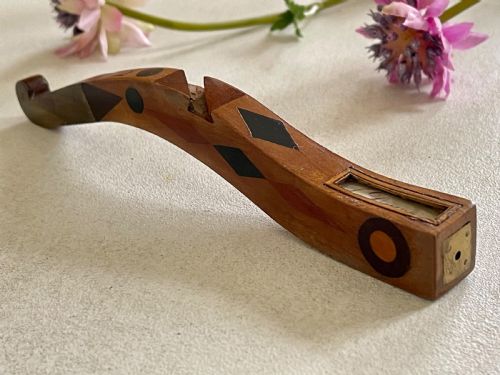
Dairy bowls and turned wooden vessels form the most frequent items met on this page, often shaped from sycamore or oak. Alongside these large utility bowls sit smaller items such as spoons, ladles, knitting sheaths, and string holders. Each piece was fashioned for specific daily tasks in the kitchen, dairy, or workshop before becoming decorative items for the modern home.
How rustic treen was made
Maker's methods relied upon local hardwoods selected for specific domestic functions, predominantly sycamore, oak, beech, ash, laburnum, walnut, and birch. Craftsmen utilised lathes for turning bowls and containers, while other pieces were hand-carved or dug out directly from solid timber blocks. Some items incorporate iron mounts or decorative inlay work using geometric motifs like diamonds, circles, and triangles.
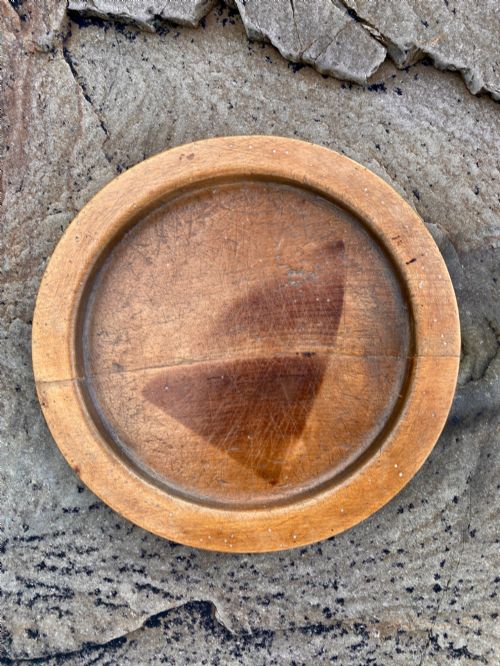
Surfaces frequently display the marks of traditional hand tools, alongside traces of historic paint finishes or burn marks from iron use. Years of functional usage created distinct surface characteristics, leaving warm patinas and varied wood grains visible across platters, scoops, and bowls.
Rustic Treen Retail Price Guide 2026
Typical asking prices for rustic treen among the pieces listed under this phrase on Sellingantiques today, from the lower quarter to the upper quarter. They describe what is for sale here now, not the wider market.
What varies in quality
Quality in these wooden pieces rests upon the integrity of the original form and the depth of the surface patination developed through decades of domestic service. Objects retaining their crisp turned lines or balanced proportions without excessive structural loss stand apart from heavily altered examples. The visual warmth of the timber and the honesty of historic repairs dictate the standing of individual pieces.
The degree of handling and natural wear shapes the character of each vessel or implement. Pieces displaying clear tool marks from the original maker combined with rich, untouched surfaces command greater interest than those stripped of their historical context.
The Rustic Treen Glossary
- Treen
- Small handmade wooden domestic objects and utensils. The word originates from old English terms meaning tree.
- Trencher
- A large wooden platter or board used for serving food at the table before ceramic plates became common.
- Patina
- The deep surface sheen and colour developed on wood through years of handling, polishing, and natural ageing.
- Mortar
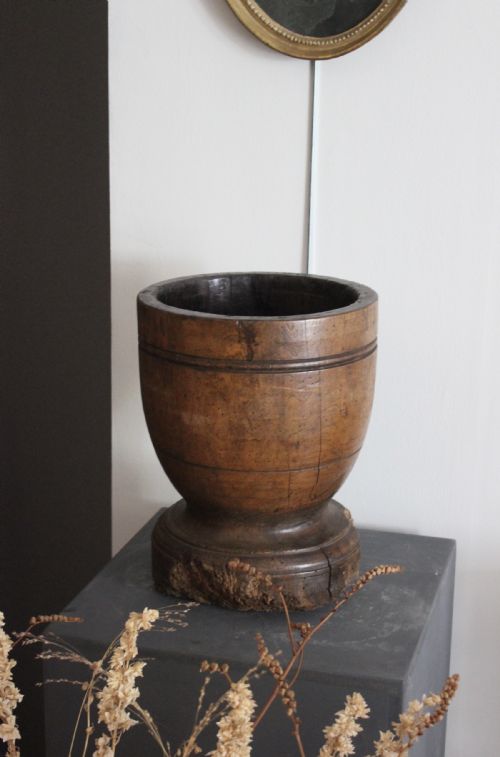
- A heavy bowl shaped to hold ingredients while a pestle crushes them. These were essential kitchen and apothecary tools.
- Dairy bowl
- A wide, shallow wooden basin used for setting milk and skimming cream in traditional dairies.
Rustic Treen: Frequently Asked Questions
What is rustic treen?
Rustic treen refers to handmade wooden household objects and kitchen utensils produced for everyday domestic tasks in past centuries.
These utilitarian pieces include bowls, scoops, platters, and containers shaped by rural craftsmen from local timbers.
How were wooden dairy bowls used?
Dairy bowls served as wide, shallow basins where fresh milk sat so the cream could rise naturally to the surface.
Once separated, the cream was skimmed off for butter making, while the remaining milk was poured away through a spout or poured out.
How do I care for antique treen?
Keep wooden objects away from direct heat sources, strong sunlight, and sudden temperature shifts that cause the timber to split.
Apply a light coat of natural beeswax occasionally to nourish the dry wood without harming the historic surface patination.
How can I tell the age of these pieces?
Age is judged by the tool marks left on the wood, the method of turning or carving, and the style of the construction.
Early pieces often display uneven hand-turned surfaces and significant surface wear that reflects centuries of practical use.