



Rustic Timber Kitchen Seating
These rustic timber kitchen seating options offer sturdy domestic utility, combining robust woods with time-worn farmhouse character for everyday dining.
Rustic Timber Kitchen Seating
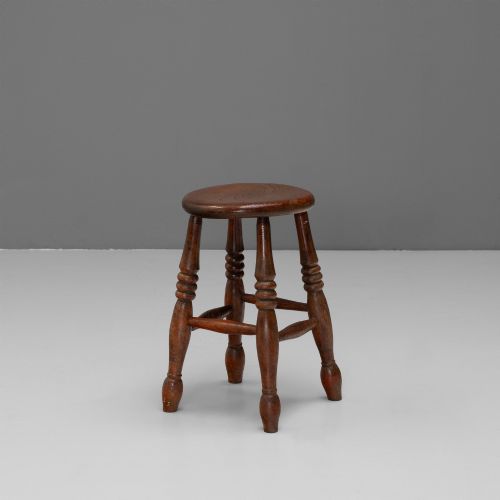
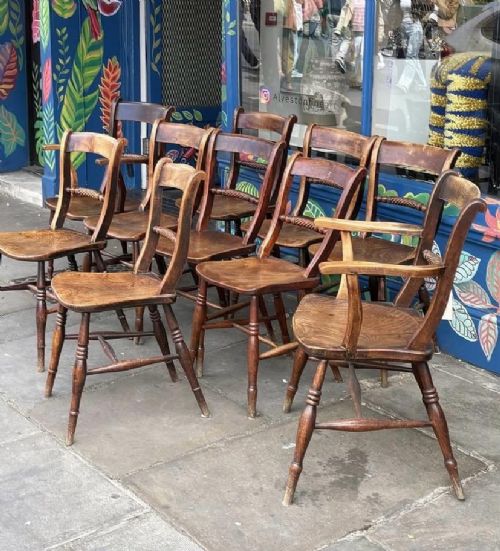
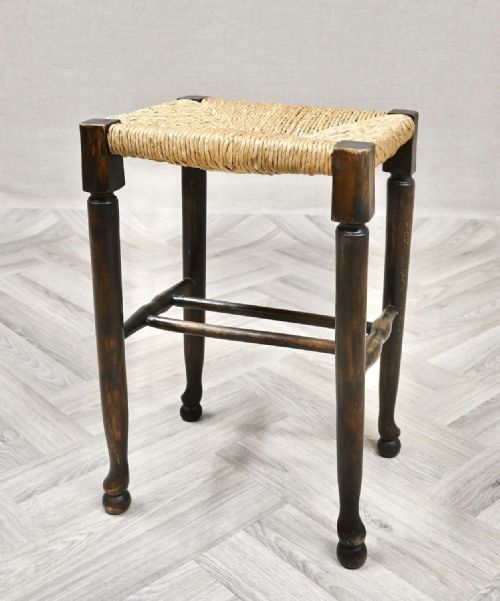
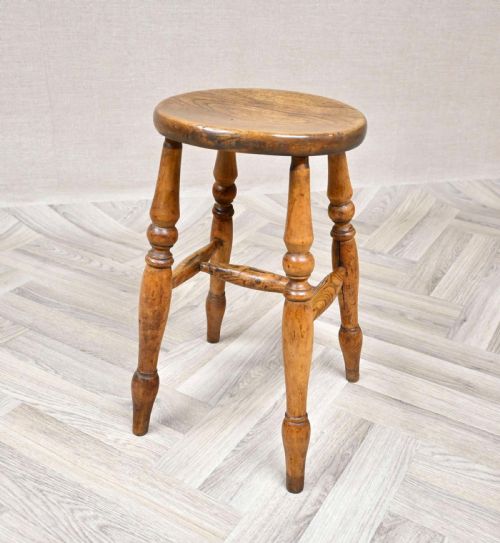
Rustic timber kitchen seating encompasses hard-wearing dining chairs, stools, and benches designed for daily culinary and dining spaces. When searching for rustic timber kitchen seating, buyers encounter substantial forms rooted in nineteenth-century and early twentieth-century domestic traditions.
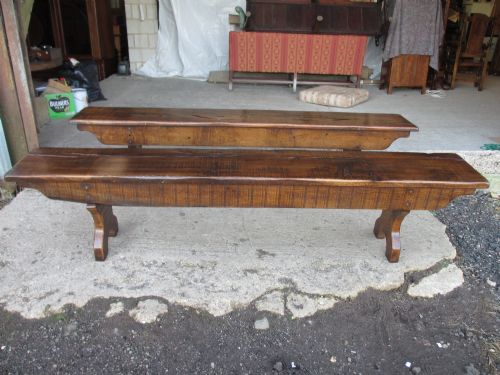
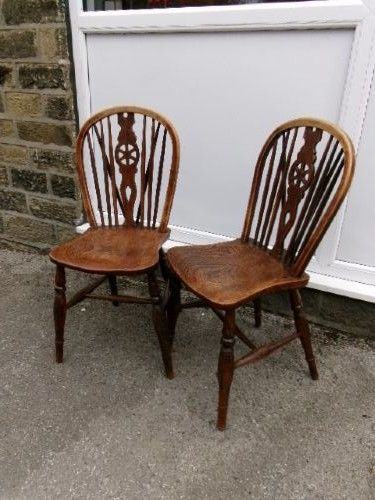
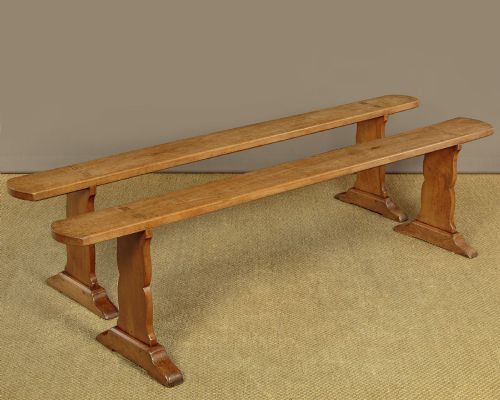
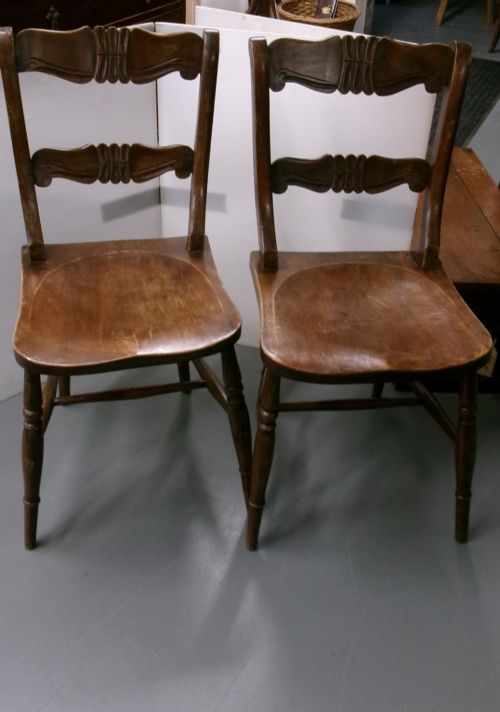
The selections on this page lean heavily towards English country and Victorian farmhouse aesthetics. Common iterations include Windsor wheelbacks, solid elm-seated chairs, and heavy oak benches with shaped trestle ends.
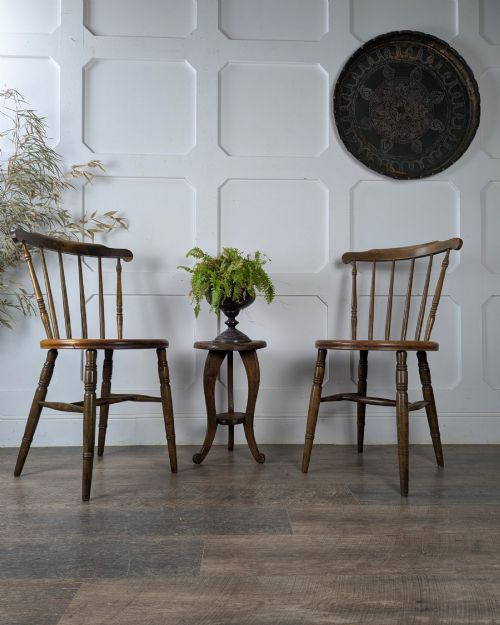
Alongside single chairs, buyers find matched sets and pairs spanning pine, cherrywood, and beech. These pieces range from simple clerk's stools to long refectory benches suited for communal dining.
Materials and construction
Makers relied on dense native hardwoods such as oak, elm, beech, and cherrywood to withstand heavy domestic use. Elm frequently provided a tough, resilient seat surface that resisted splitting under continuous movement.
Turned legs, spindles, and pegged joints formed the structural backbone of these utilitarian forms. Pine and general hardwood added versatility for simpler benches and farmhouse tables.
Some nineteenth-century clerks spent long office hours perched upon turned beech stools designed purely to discourage lingering.
Judging quality and character
Quality rests in the integrity of the timber selection and the honesty of the construction. Denser hardwoods like oak and cherrywood command higher regard than softer pine alternatives.
Subtleties in turning, well-sculpted Windsor seats, and matched sets elevate certain groupings above standard utility pieces. Patina accrued through decades of domestic service defines the upper echelon of these forms.
Dinco Penny·Worksop Allsop
The Rustic Timber Kitchen Seating Glossary
- Windsor
- A traditional chair construction featuring turned legs and spindles wedged directly into a solid sculpted seat. This method creates a rigid, enduring frame suited for heavy kitchen use.
- Refectory
- A long, narrow dining table or bench historically associated with communal dining halls. These pieces utilise sturdy trestle or four-leg supports for maximum stability.
- Rush seat
- A seating surface woven from dried marsh grasses twisted into cords. It provides a flexible yet durable platform common on traditional stools and chairs.
- Trestle
- A structural support consisting of a horizontal beam balanced on two flared vertical feet. This design allows ample legroom beneath long benches and tables.
Rustic Timber Kitchen Seating: Frequently Asked Questions
How do I clean antique wooden benches?
Wipe surfaces gently with a slightly damp cloth to remove everyday dust. Avoid harsh chemical cleaners that strip the historic finish.
Apply a traditional beeswax polish occasionally to nourish the dry timber and maintain a soft lustre.
Are these chairs suitable for daily use?
Solid hardwood construction makes these pieces exceptionally durable for modern dining environments. Elm and oak frames easily handle the rigours of everyday family life.
Routine checks of pegged joints ensure long-term stability under heavy daily loads.
How do I identify Victorian kitchen seating?
Victorian examples typically feature heavier turned components and darker patinated hardwoods like oak. Look for robust joinery methods common to nineteenth-century rural workshops.
Proportions often feel denser and more utilitarian compared to lighter Edwardian or French provincial variations.
Can I mix different styles of chairs?
Pairing mismatched chairs creates an eclectic, lived-in aesthetic traditional to country kitchens. Combining similar wood tones or shared forms like Windsor backs maintains visual harmony.
Matched sets offer uniformity, but collected groupings tell a richer domestic story over time.