

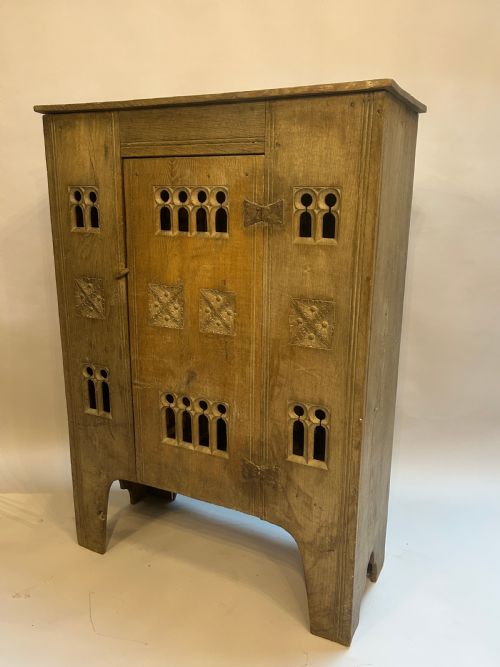

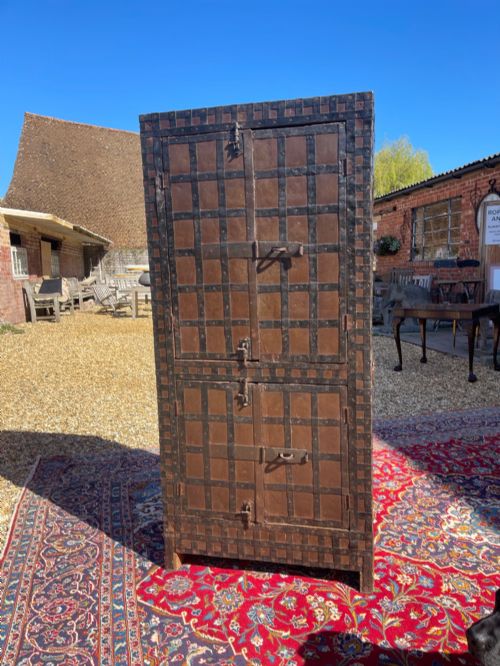
Rustic Tall Storage Cupboard
A rustic tall storage cupboard offers serious utility and honest vernacular charm, bringing generous vertical capacity and centuries of character to any room.
Rustic Tall Storage Cupboard
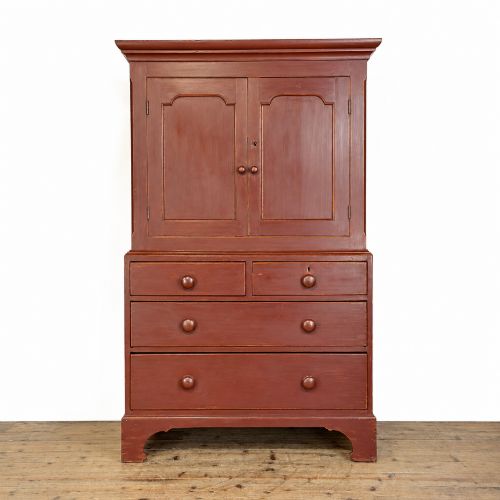
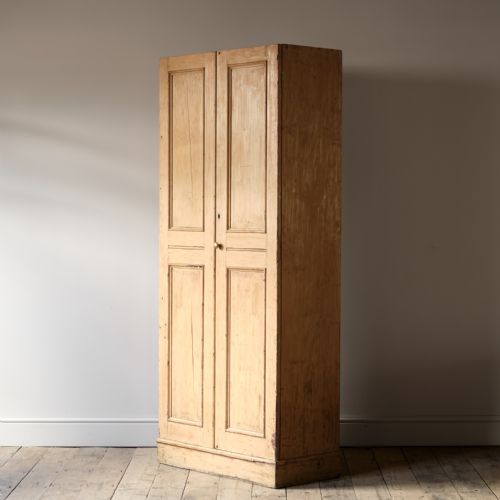
A rustic tall storage cupboard provides substantial vertical storage through practical architectural forms designed for domestic organisation. These pieces encompass linen presses, housekeeper cupboards, larder cupboards, and tall wardrobes originating from the eighteenth, nineteenth, and early twentieth centuries.
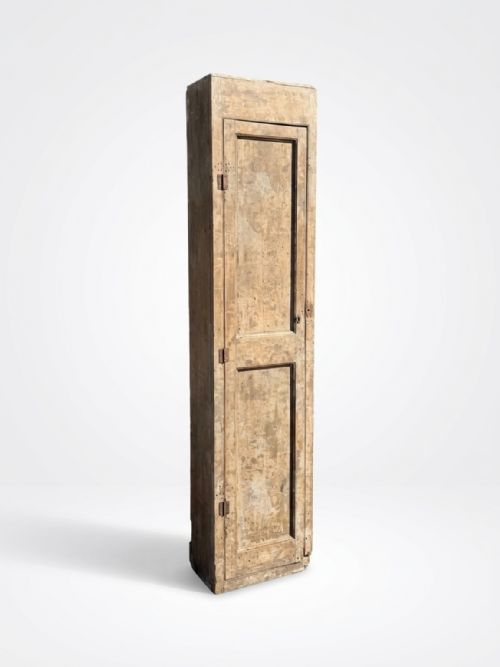
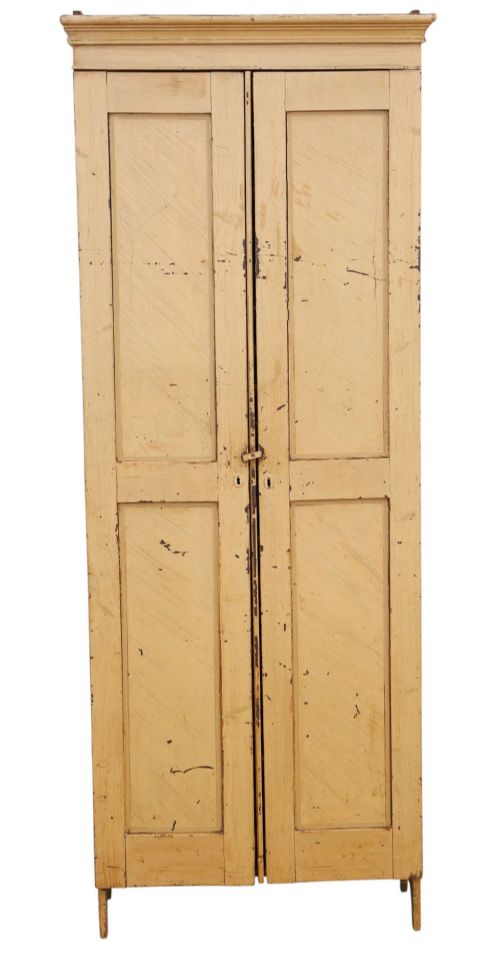
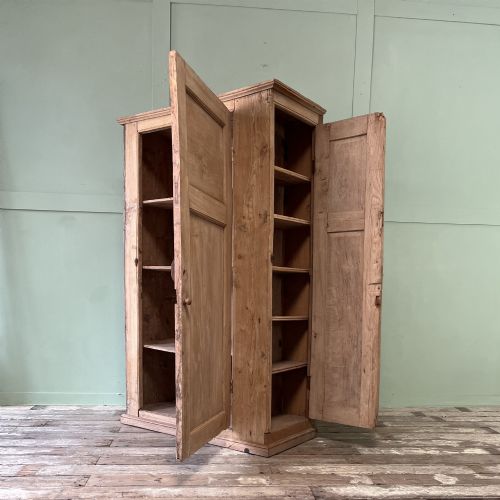
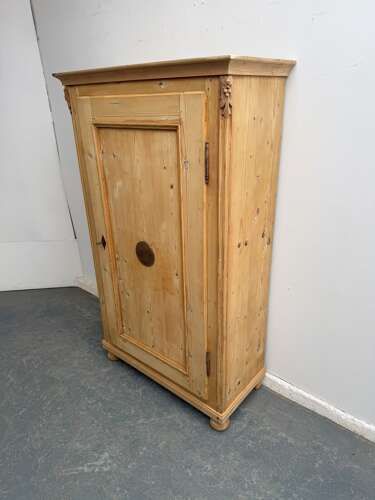
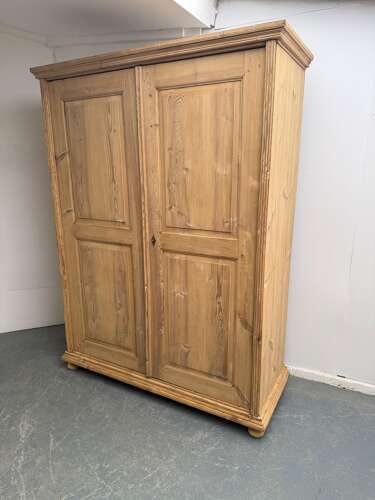
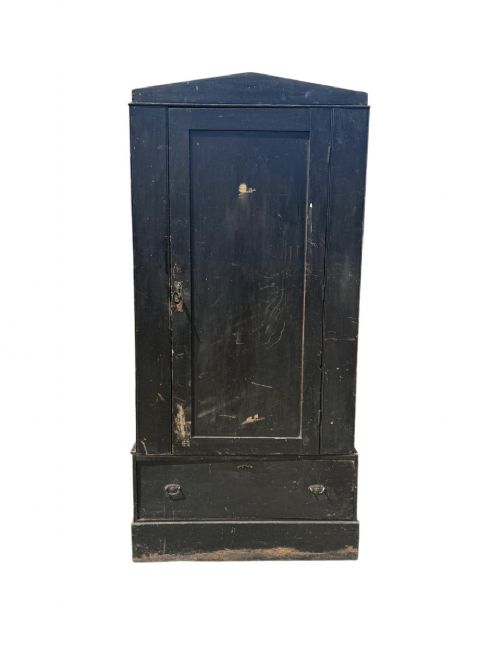
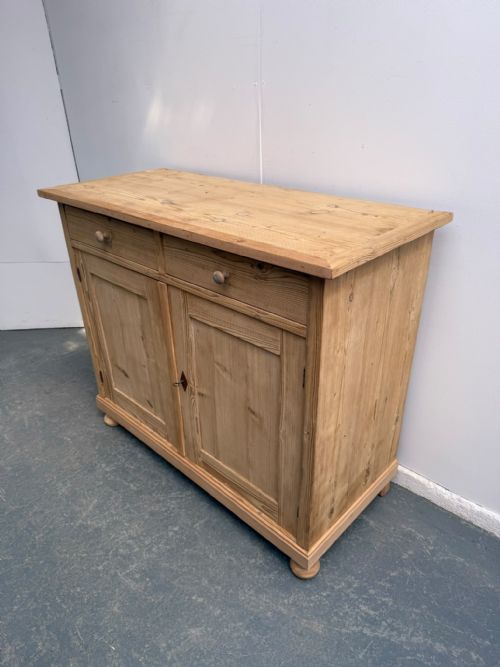
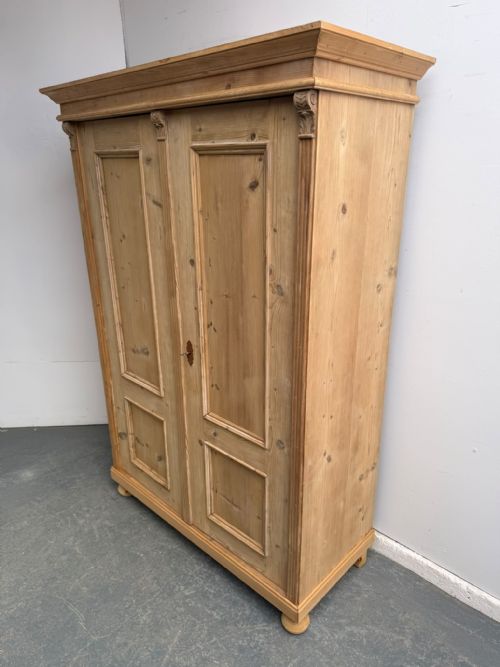
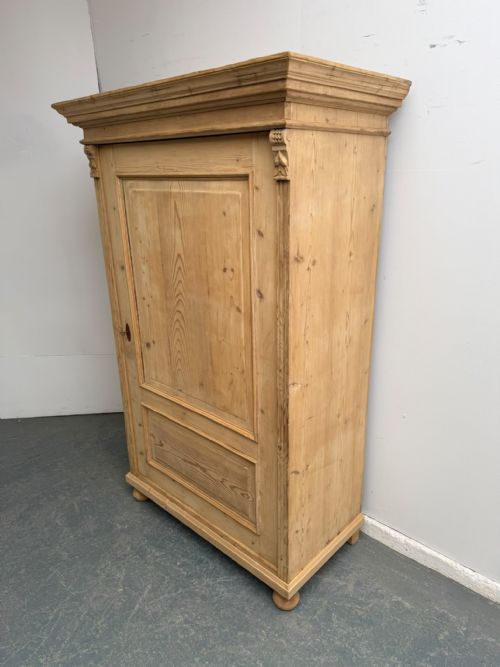
The version most commonly encountered on this page is the tall pine storage cupboard from the Victorian era or the broader nineteenth century. These utilitarian pieces frequently feature single or double doors, internal shelving, and occasional lower drawers suited to everyday household use.
Materials and construction methods
Construction relies heavily on solid pine, oak, and walnut, often shaped by regional carpenters working within British, French, Dutch, and Indian vernacular traditions. Surfaces frequently show layers of historic paint, original wax finishes, or bare timber surfaces prepared for further finishing.
Hardware details typically include iron or brass hinges, latches, and occasional metal binding that reinforced heavy storage frames. Joinery prioritises sturdy utility, with pegged joints and panelled doors built to withstand generations of domestic service.
Listings feature regional examples spanning eighteenth-century British vernacular forms to early twentieth-century continental European and Indian utility cupboards.
Distinguishing quality and character
Quality in these upright storage pieces rests upon the integrity of the original timber and the survival of authentic surface finishes, such as early or original paint schemes. Pieces retaining their original backing boards, internal shelving arrangements, and uncompromised proportions command greater interest.
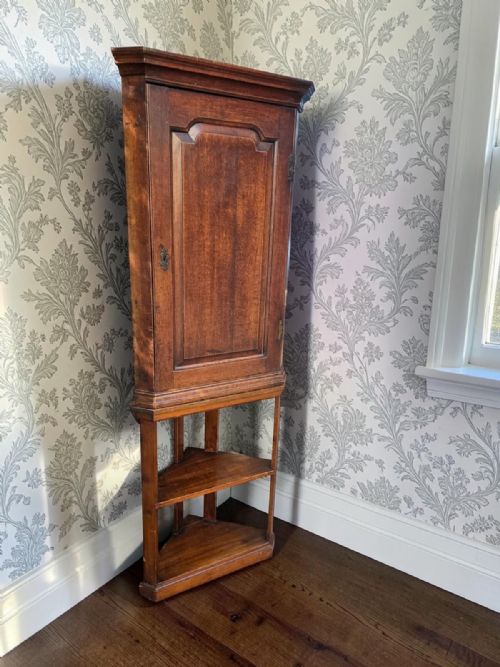
Proportion and scale also separate standard utility items from more refined vernacular examples, such as architectural corner cabinets or finely carved armoires. The crispness of fielded panels and the balance of secondary drawers contribute significantly to the visual weight and presence of the furniture.
The Rustic Tall Storage Cupboard Glossary
- Housekeeper's cupboard
- A large tall storage piece traditionally utilised in large country houses for storing household linens, dry goods, and provisions. These functional items often combine upper cupboard doors with lower banks of drawers.
- Linen press
- A tall storage cabinet specifically designed for pressing and storing household linen, typically featuring sliding trays enclosed by upper doors above a base of wider drawers.
- Armoire
- A large upright cupboard or wardrobe originating from continental Europe, usually fitted with internal shelving or hanging space behind two full-length doors.
- Fielded panel
- A wooden panel with bevelled or recessed edges designed to fit securely within a solid frame, accommodating natural timber movement without splitting.
- Vernacular furniture
- Domestic objects built by local craftspeople using regional materials and traditional methods, prioritising practical utility over academic stylistic rules.
Rustic Tall Storage Cupboard: Frequently Asked Questions
What rooms suit a tall storage cupboard?
These upright storage pieces integrate naturally into kitchens, boot rooms, and bedrooms where maximum vertical capacity is required without consuming excessive floor space. Their generous interior volume accommodates pantry supplies, heavy linens, or everyday garments with ease.
Placing one in a hallway or dining area provides a striking focal point while concealing household clutter behind solid wooden doors. The substantial height draws the eye upward, making them particularly effective in rooms with high ceilings.
How do I care for waxed pine furniture?
Maintaining a waxed timber surface involves periodic application of a quality beeswax paste followed by gentle buffing with a soft, lint-free cloth. This preserves the moisture in the wood and maintains a soft, protective sheen over time.
Keep these storage pieces away from direct heat sources and strong sunlight, which can dry out aged timber and cause splitting. Regular dusting with a dry cloth prevents airborne particles from settling into the grain.
How do I date a nineteenth-century cupboard?
Dating a piece relies on observing construction traits, such as hand-cut nails, visible saw marks on interior boards, and the type of timber used. Machine-sawn components and standardised screws generally point toward the later Victorian period or the early twentieth century.
Examining the hinges, locks, and surrounding hardware offers further clues, as blacksmith-made ironwork differs distinctly from mass-produced brass fittings. Historic paint layers analyzed stratigraphically can also confirm the age of the underlying woodwork.