




Rustic Sports Antiques
Rustic sports antiques bring the outdoors inside, combining rural craft with country pursuits for rooms that need character.
Rustic Sports Antiques
Rustic sports antiques cover a distinct group of items linked to country pastimes and rural life, drawing collectors who value utilitarian craft. The selection relies heavily on early twentieth century and nineteenth century pieces spanning Victorian, Edwardian, and mid-century British periods.
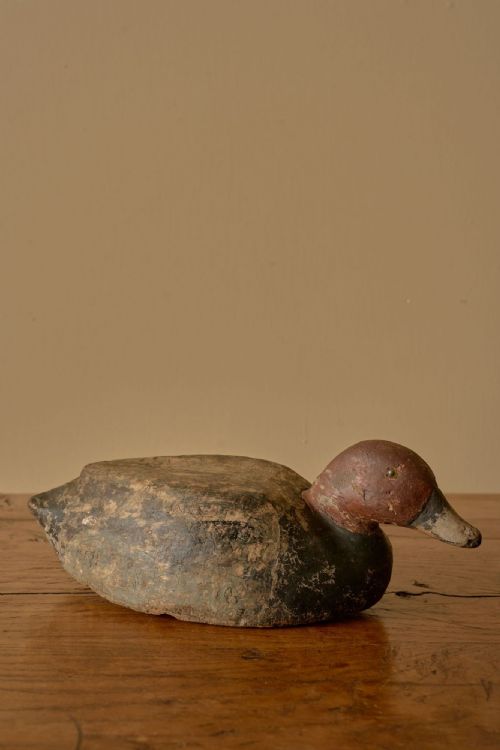
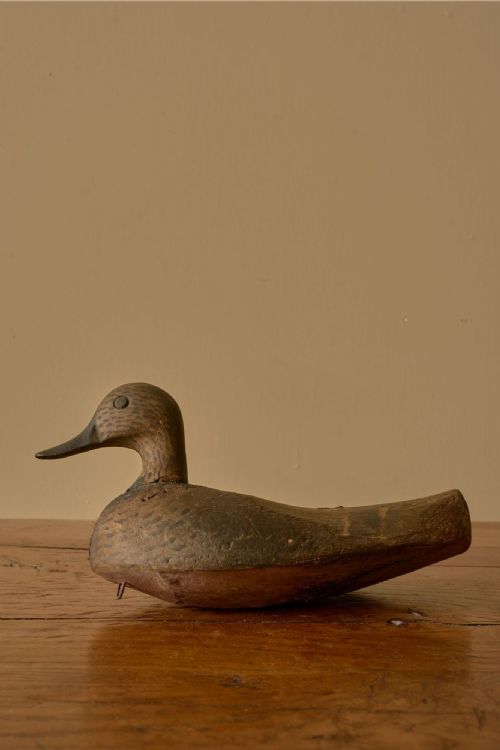
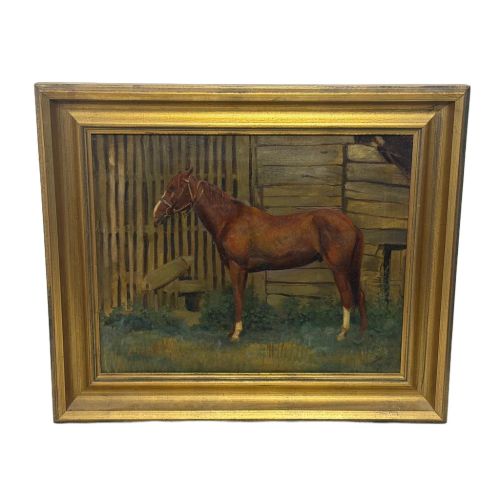
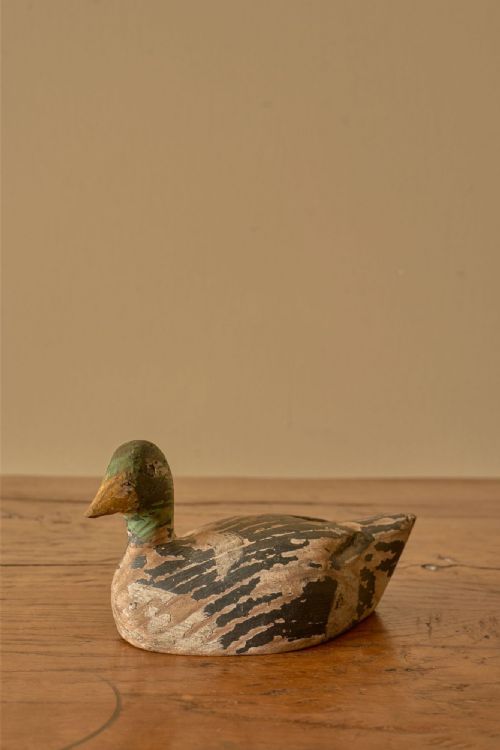
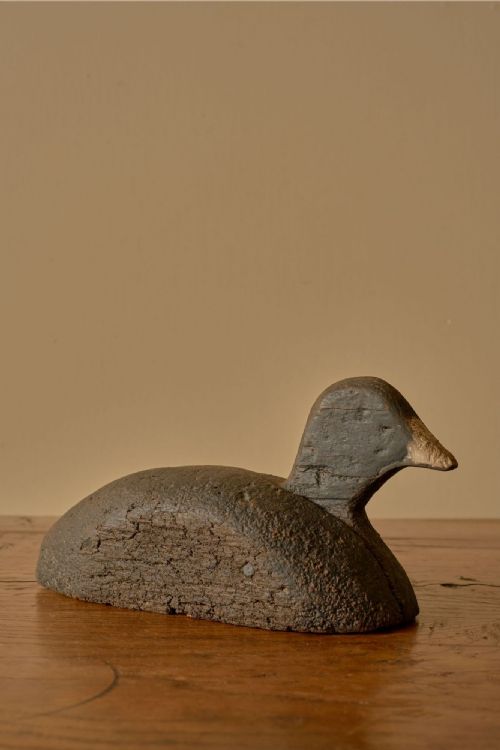
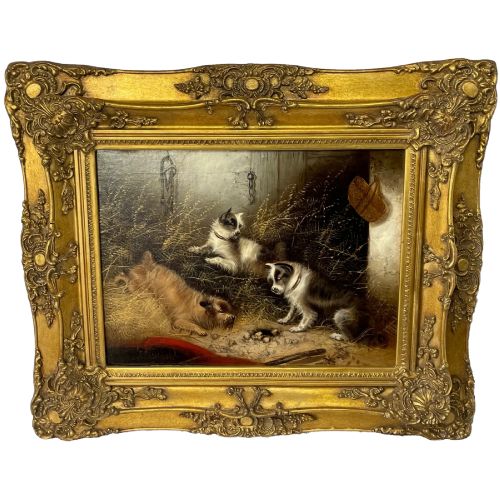
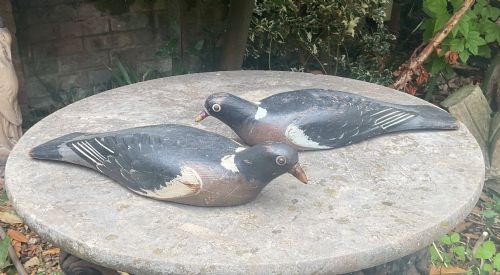
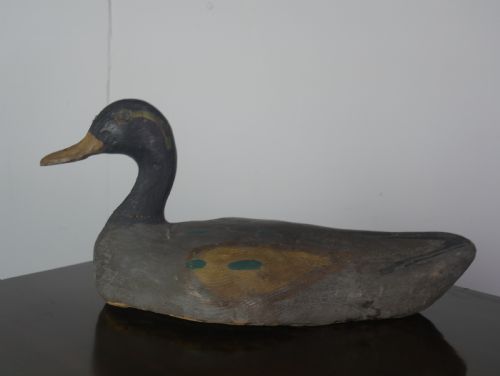
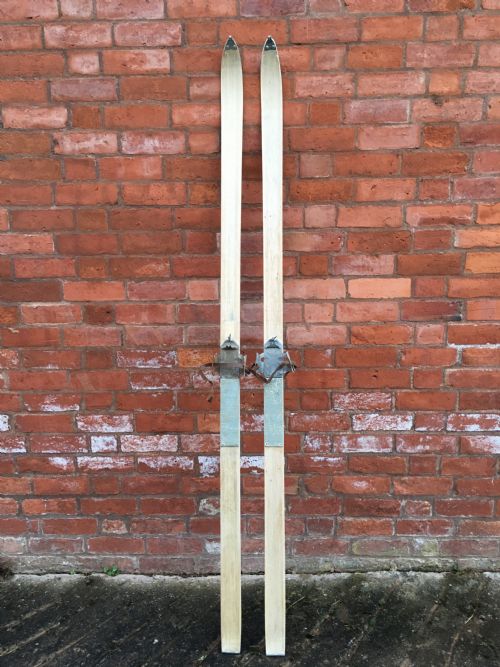
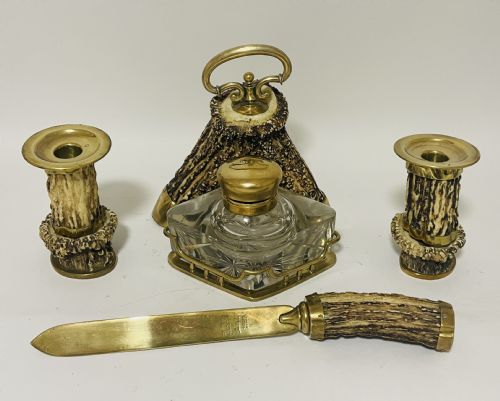
Wooden decoys dominate the available forms, including duck, pigeon, and dovecote variations fashioned from carved timber. Alongside these waterfowl and bird figures, buyers encounter oil paintings depicting working terriers, equestrian scenes, and farmyard horses, plus functional items such as oak fishing racks, brass mounted antler desk sets, and wooden skis.
Materials and construction methods
Construction relies primarily on natural timber and wood, shaped by hand and frequently finished with paint to create convincing animal forms. Oil paint on canvas provides the medium for the sporting and genre paintings, capturing realistic textures in domestic animals and working dogs.
Metal elements appear in secondary roles, utilising iron and brass to mount functional items like antlers or construct storage fixtures. Carvers utilised simple hand tools to shape decoys from solid blocks of wood, applying pigments directly to the surface.
Rustic Sports Antiques Retail Price Guide 2026
Typical asking prices for rustic sports antiques among the pieces listed under this phrase on Sellingantiques today, from the lower quarter to the upper quarter. They describe what is for sale here now, not the wider market.
Several decoy ducks wear numbered tags, as if reporting for military service in the pond.
Assessing quality in country sporting pieces
Quality rests on the fidelity of the carving and the survival of original surface paint on wooden decoys. Pieces showing crisp tool marks and natural weathering outrank items with heavy overpainting or clumsy restoration.
In painted works, the precision of brushwork and anatomical accuracy separate accomplished canvases from simpler decorative efforts. Artists working in Victorian realism or genre styles demonstrate distinct draughtsmanship that elevates the visual impact of the subject.
Lionel Ellis·Edward Armfield·Paul Jones·John Frederick Herring·George Armfield
The Rustic Sports Antiques Glossary
- Decoy duck
- A carved and painted wooden bird model utilised by hunters to attract waterfowl. These objects now function as decorative folk art.
- Folk art
- Utilitarian items and decorative objects produced by self-taught makers working within regional traditions. These pieces prioritise practical function and unpretentious design.
- Oil painting
- Pigments bound in drying oil applied to a canvas support. This medium allows for subtle blending of tones in animal and landscape subjects.
- Victorian realism
- An artistic style focusing on accurate depictions of everyday subjects without idealisation. In sporting art, this approach captures working terriers and farm scenes with close attention to detail.
Rustic Sports Antiques: Frequently Asked Questions
What are wooden decoys used for?
Decoys served as functional tools for hunters, designed to float on water or sit on land to attract real birds.
Today, collectors display these carved wooden figures as decorative objects that reflect early rural craftsmanship.
How do I care for painted wooden carvings?
Keep wooden pieces away from direct sunlight and steady moisture levels to protect the original paint layers from flaking or fading.
Dust the surface gently with a dry, soft cloth rather than using liquid cleaning products.
What subjects appear in the oil paintings?
The canvases typically feature working terriers, equestrian scenes, pony figures, and farmyard landscapes set in the countryside.
These works record nineteenth-century rural life and traditional country sports through detailed animal portraiture.
How are different periods identified?
Nineteenth-century and early twentieth-century pieces show distinct material patination, wear patterns, and framing styles appropriate to their era.
Victorian and Edwardian works often bear specific stylistic traits in brushwork and carving techniques that link them to known periods.