





Rustic Plate Rack
A rustic plate rack organises everyday crockery with practical charm, drawing on centuries of domestic tradition.
Rustic Plate Rack
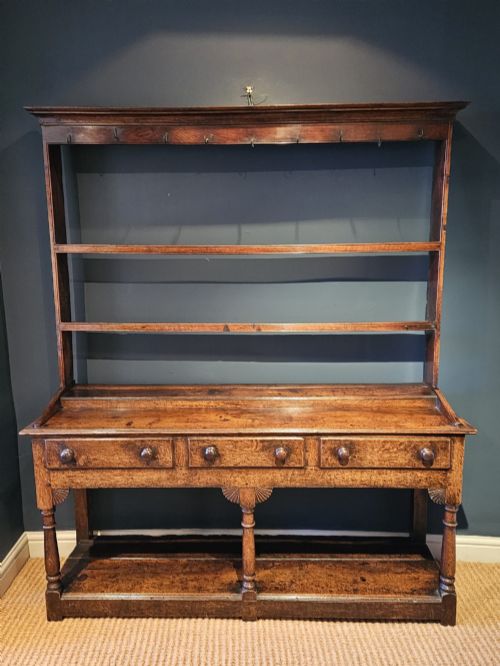
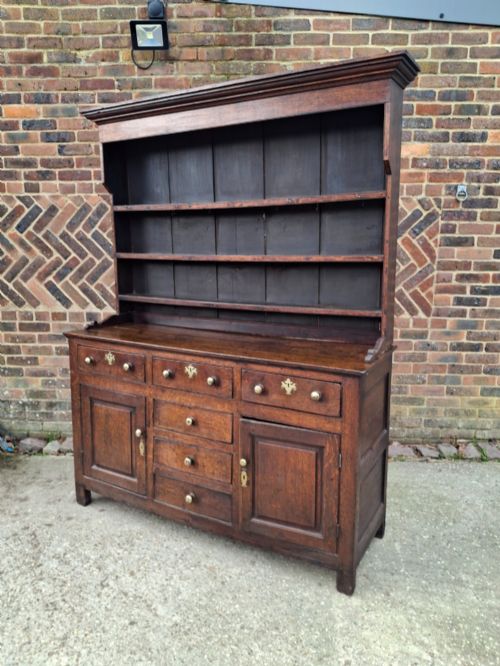
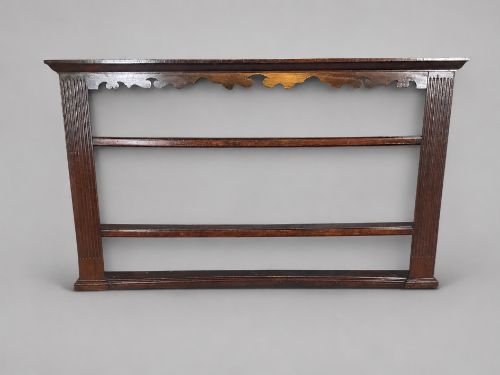
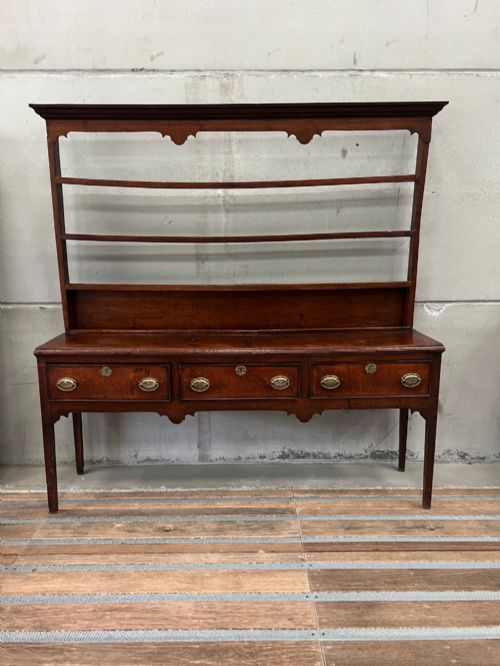
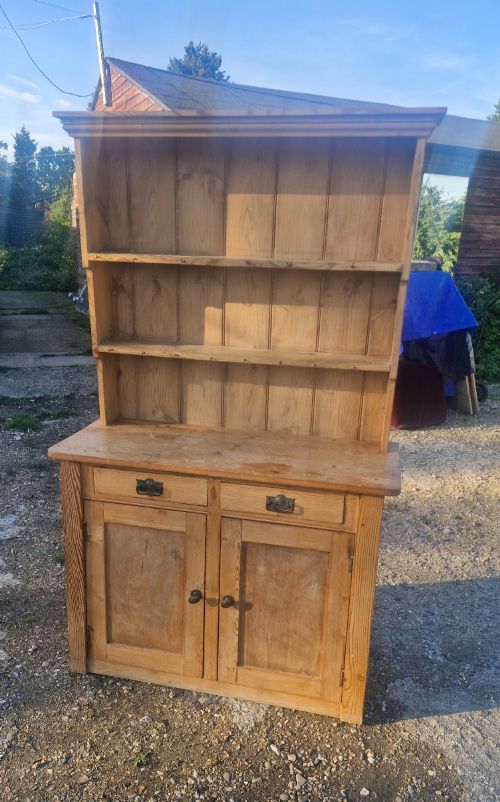
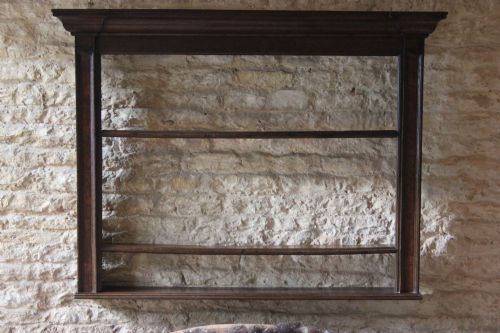
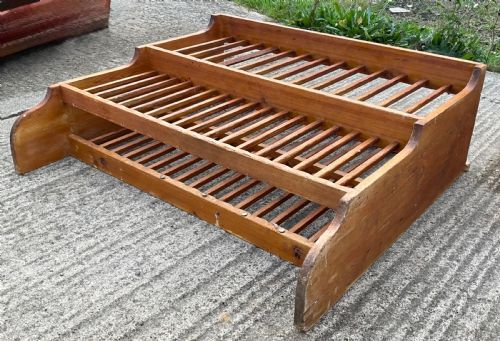
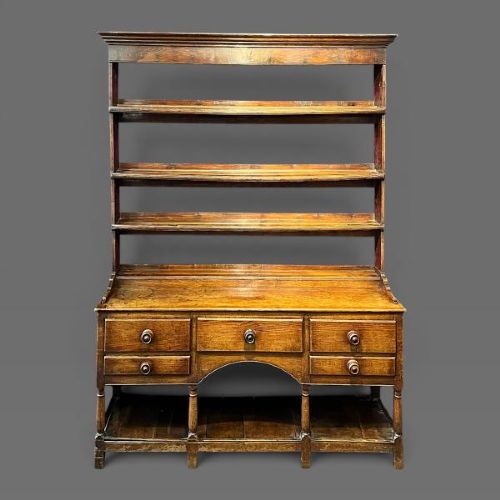
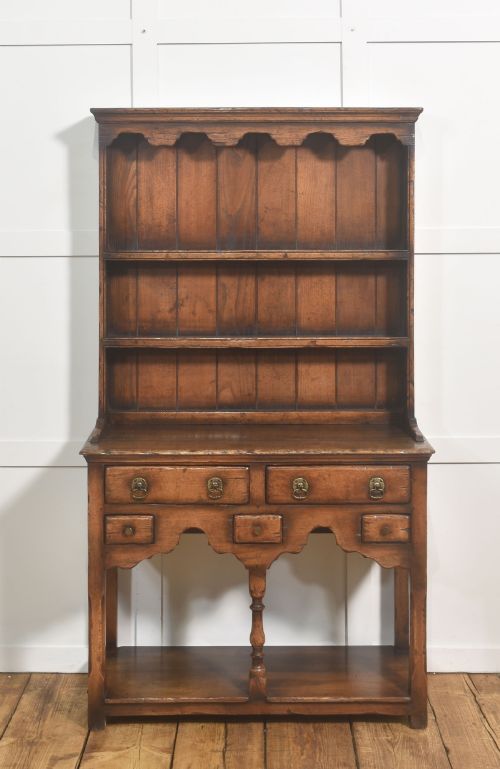
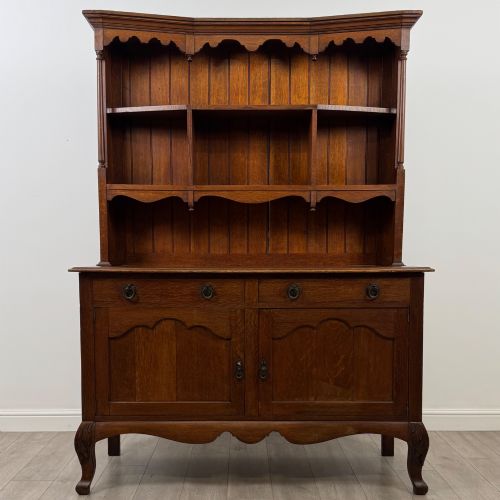
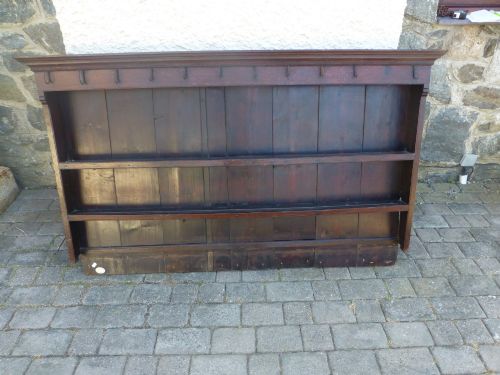
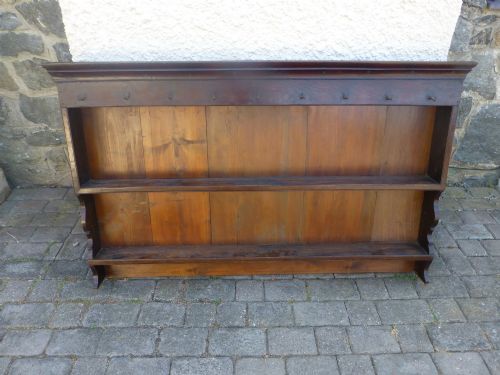
A rustic plate rack serves as a utilitarian wall-mounted fixture or forms the upper tier of a larger kitchen dresser, designed specifically to display and dry ceramics safely.
The pieces seen here stem predominantly from the eighteenth and nineteenth centuries, taking the form of wall shelves or full dresser combinations.
Makers shaped these utilitarian fixtures to suit regional domestic habits, ranging from English country kitchens to Welsh cottages and French provincial spaces.
How they were made
Joiners relied heavily on solid timber such as oak and pine, shaping boards with hand tools to build sturdy uprights and retaining slats.
Metal elements like brass and iron appear in structural brackets or hanging hooks, while surface finishes include traditional paint, wax, and exposed grain.
Craftsmen constructed open shelving frameworks with straightforward joints, prioritising durability and easy access to daily tableware over elaborate decoration.
Rustic Plate Rack Retail Price Guide 2026
Typical asking prices for rustic plate rack among the pieces listed under this phrase on Sellingantiques today, from the lower quarter to the upper quarter. They describe what is for sale here now, not the wider market.
Listings span the 18th century, 19th century, Georgian, Victorian, Edwardian, and 1920 periods, utilising oak, pine, brass, iron, and painted wood.
What varies in quality
Proportion and timber selection dictate the visual weight of each rack, with tighter grain and balanced board widths separating utilitarian workshop output from finer country house examples.
The survival of original surfaces, whether layered historical paint or patinated waxed oak, distinguishes untouched domestic fixtures from heavily altered pieces.
The Rustic Plate Rack Glossary
- Potboard
- A lower open shelf beneath a dresser base traditionally used for storing heavy pots and pans. This lower tier anchors the vertical display above.
- Delft rack
- An open wall-mounted wooden shelf designed to display earthenware and plates upright. Grooves along the base board keep plates from sliding forward.
- Breakfront
- A piece of furniture featuring a central section that projects forward from the flanking wings. This layout adds visual depth to larger storage forms.
- Folk art
- Decorative items created within a traditional community craft, often featuring hand-painted finishes. These pieces reflect regional aesthetics rather than academic design trends.
Rustic Plate Rack: Frequently Asked Questions
How do I hang a heavy wooden plate rack securely?
Wall-mounted racks require solid fixings into wall studs or masonry to support the considerable weight of timber and stacked ceramics.
Distributing the load across multiple attachment points prevents the mounting screws from pulling loose under daily domestic use.
Were these racks always attached to dressers?
Historical examples exist both as standalone wall shelves and as integrated upper sections resting on dresser bases.
Many surviving racks function independently as wall-hung units designed to maximise kitchen storage in compact spaces.
How do I care for the aged wooden surface?
Maintaining dry timber requires avoiding excessive moisture and applying occasional natural wax to nourish the historic grain.
Protecting the surface from direct heat sources prevents the old pine or oak boards from warping or splitting over time.
What is the difference between Georgian and Victorian racks?
Georgian iterations typically display simpler, robust construction in solid oak with linear board arrangements tailored for vernacular cottages.
Victorian variants often introduce softer timbers like pine, painted finishes, or integrated cupboards alongside the open shelving.