

Rustic Pine Tallboy Drawers
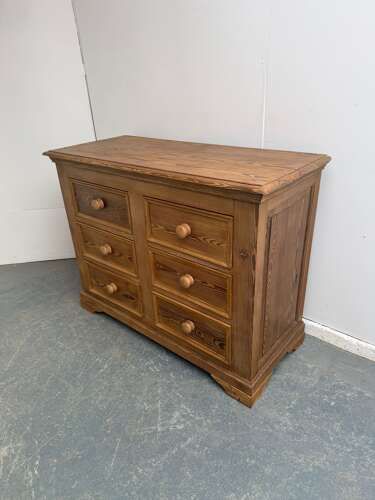
These rustic pine tallboy drawers offer robust bedroom storage, combining practical timber construction with the charm of 19th-century domestic design.
Rustic Pine Tallboy Drawers
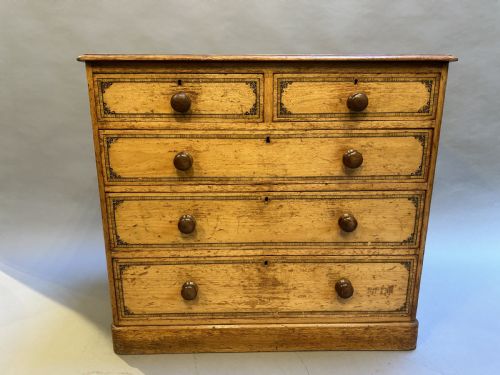
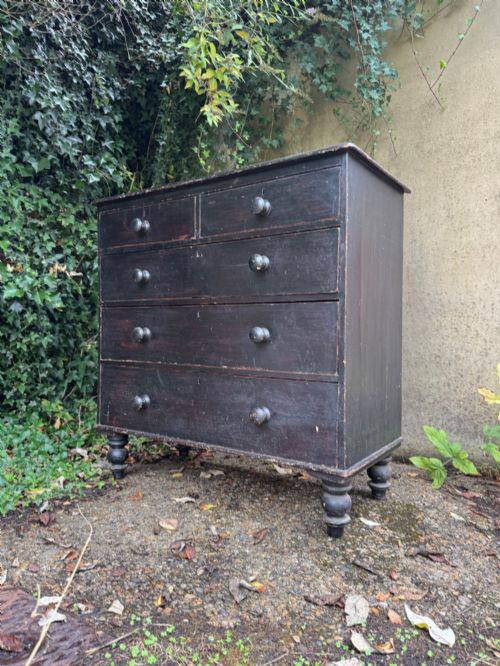
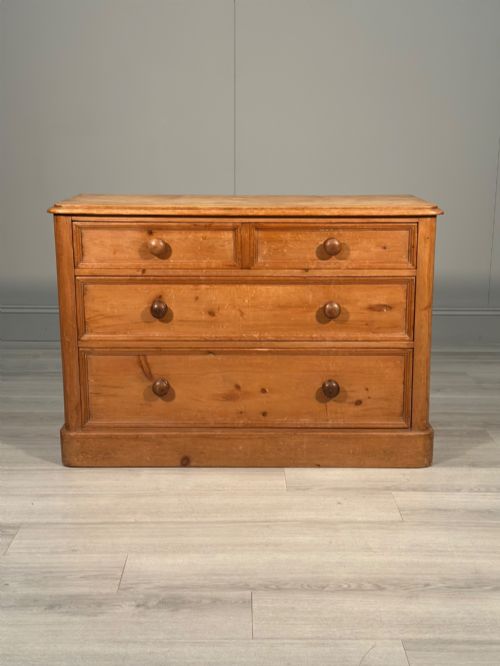
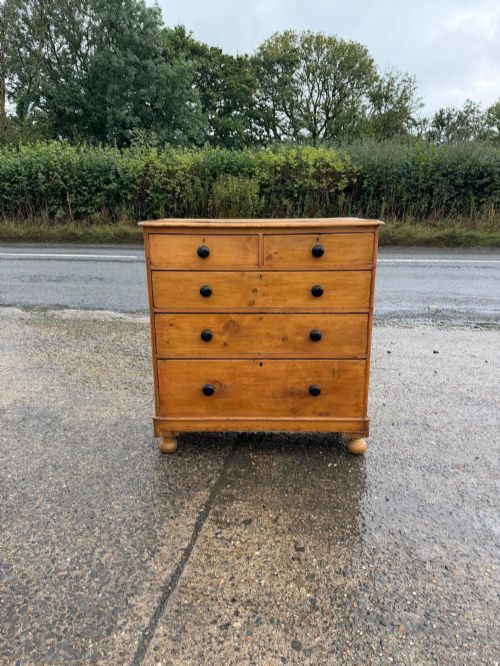
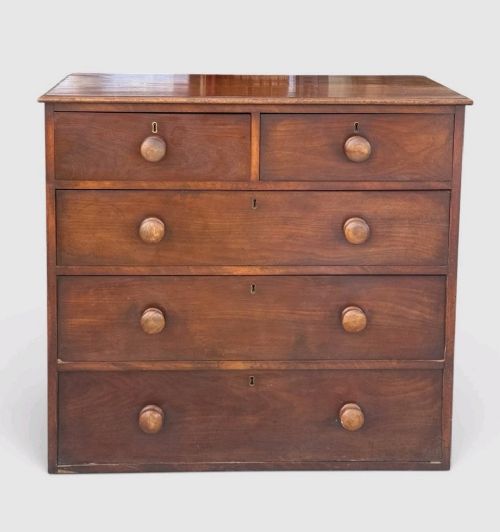
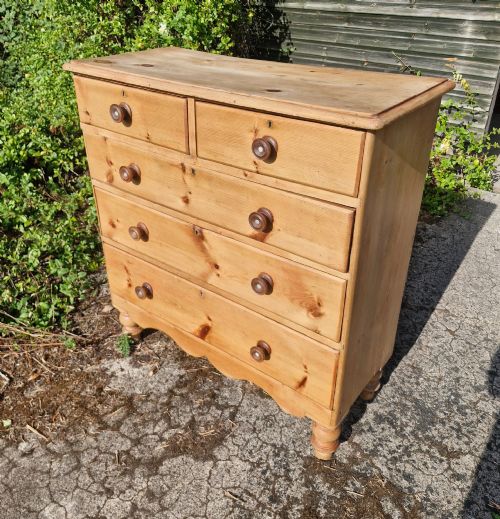
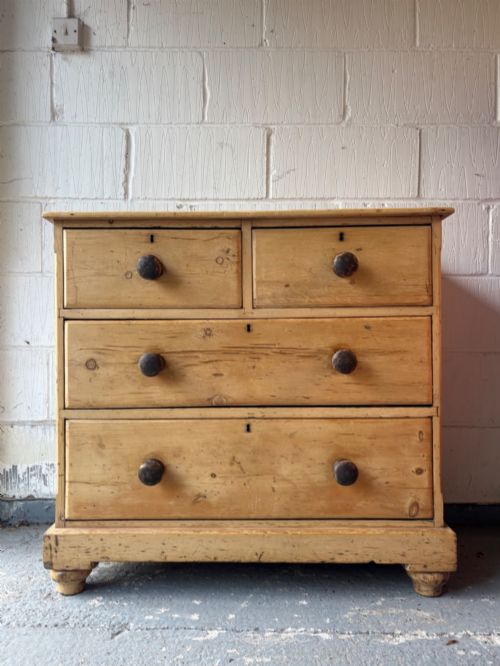
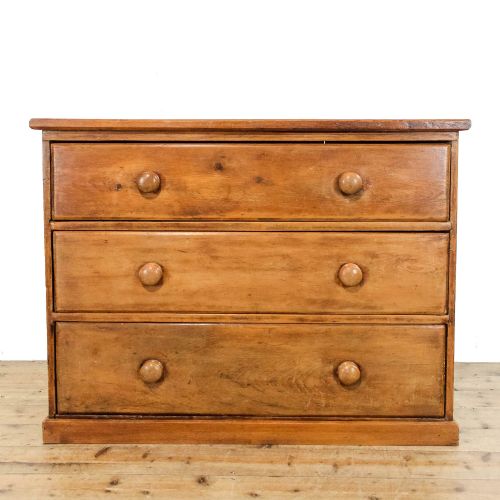
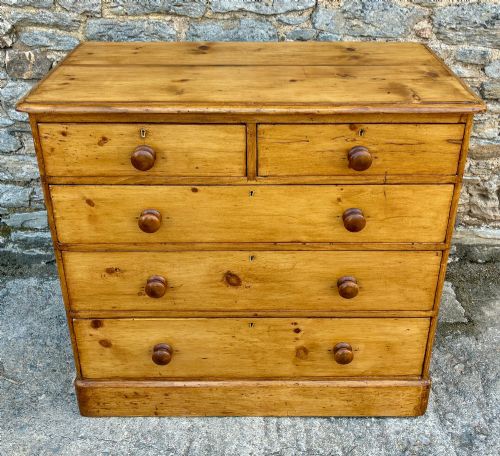
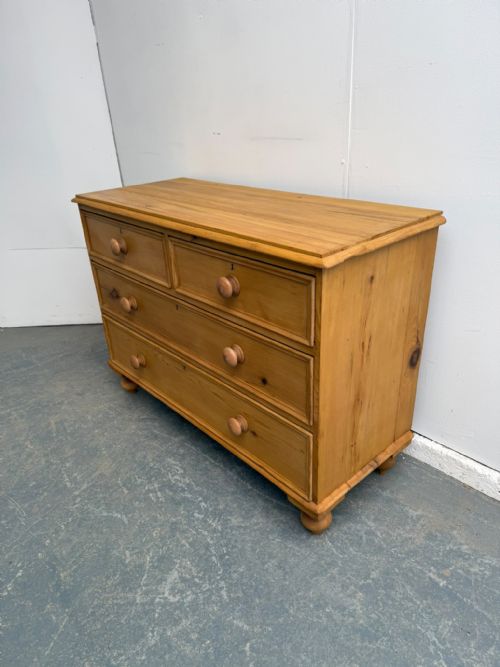
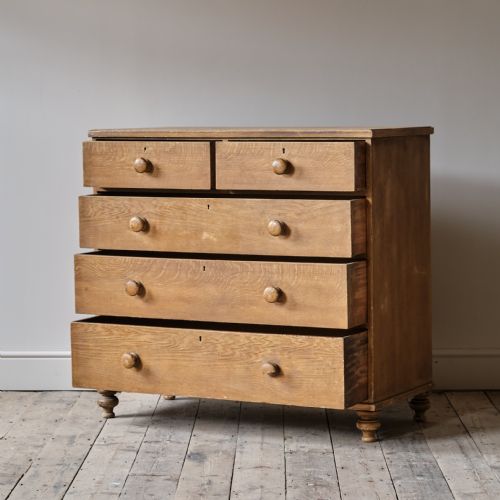
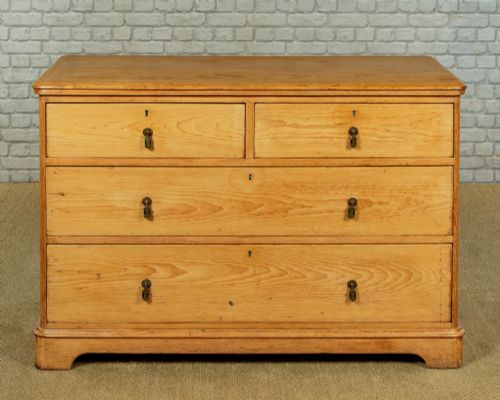
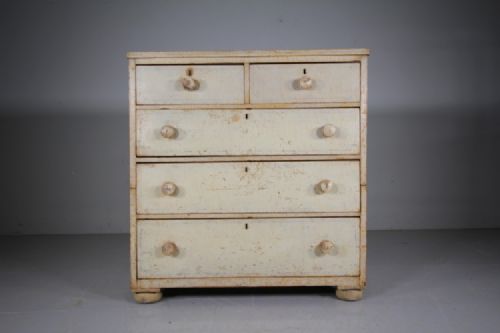
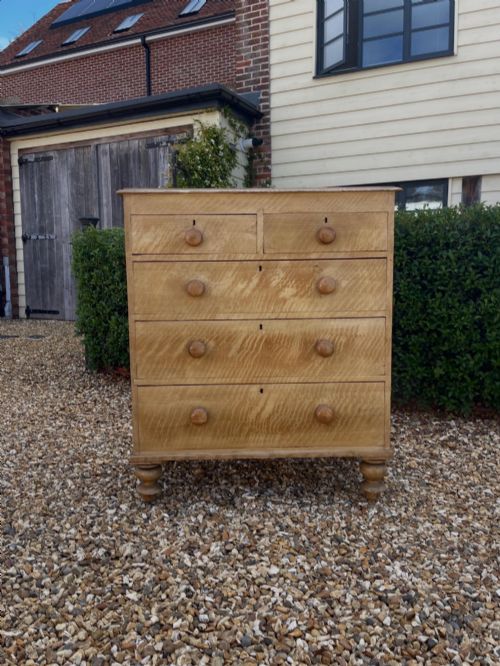
Rustic pine tallboy drawers primarily comprise chest of drawers configurations from the Victorian, Regency and Edwardian periods, including pieces described with formats such as two over three or four and five drawer arrangements. Buyers searching for rustic pine tallboy drawers will encounter numerous chest of drawers listings formed from solid pine timber, often designated as antique, old or scrubbed pine originating from English and continental workshops.
The selection ranges from low wide waxed examples to massive multi-drawer units, incorporating regional pieces such as Hungarian pine chests alongside standard domestic furniture. Many items retain original surface treatments including painted finishes in black or light grey, alongside stencilled details and traditional wax coatings that define the aesthetic of these period storage pieces.
Materials and construction methods
Makers utilised solid pine timber for the primary structure, building carcases and drawer boxes that often split into two parts for transport, as seen in larger Regency examples. Surfaces received traditional finishes comprising clear wax applications or applied coats of paint in black, grey and stencilled designs.
Hardware details relied on materials such as brass, iron and ceramic for handles and pulls, complemented by wooden elements like bun handles turned directly from the timber. Construction techniques reflected utilitarian domestic requirements, pairing solid wood drawer construction with simple functional fixtures.
Several substantial chests originate from Hungary, proving that solid pine travelled widely across Europe before finding a home.
Quality differences in period pine storage
Quality varies according to the integrity of the original surface, distinguishing pieces that retain their authentic early paint or undisturbed wax finish from those that have undergone later stripping or repainting. The scale and proportion of the timber carcase also differentiate standard functional chests from larger, more substantial multi-drawer or columned examples.
The condition of structural joinery and original hardware, including bun handles and drawer linings, separates well-preserved examples from heavily altered pieces. Regional origin and specific construction traits, such as two-part modular builds, further distinguish simpler domestic items from higher grade workshop production.
The Rustic Pine Tallboy Drawers Glossary
- Pine
- A softwood timber commonly utilised for domestic furniture construction throughout the nineteenth century. It accepts wax and paint finishes readily.
- Waxed
- A surface treatment applied to timber to nourish the wood and provide a soft sheen. This finish highlights the natural grain and knots of the pine.
- Bun handle
- A rounded, protruding wooden knob fixed to drawer fronts for opening. These are frequently turned from the same timber as the chest.
- Two-part
- A cabinet construction method where a tall piece is built in upper and lower sections. This facilitates transport and placement in domestic spaces.
- Scrubbed pine
- Timber that has been cleaned down to its raw, unpolished state through repeated washing. This treatment leaves a pale, matte surface appearance.
Rustic Pine Tallboy Drawers: Frequently Asked Questions
What periods do these pine chests come from?
The pieces originate predominantly from the Victorian era, alongside examples from the Regency and Edwardian periods spanning the nineteenth and early twentieth centuries.
Dates recorded in the inventory range from the 1850s through to the 1920s, reflecting traditional domestic manufacturing eras.
Are these drawers painted or bare wood?
Surfaces vary significantly, with many examples featuring their original paint finishes in black or light grey, while others display traditional wax treatments.
Some pieces also showcase scrubbed timber surfaces or historic stencilling applied directly to the pine construction.
How are the drawers typically arranged?
Configurations commonly follow standard period formats such as two smaller drawers positioned above three larger ones, known as two over three arrangements.
Larger options extend to four, five or six drawer formats, sometimes constructed in two separate stacking sections for easier movement.
Where were these pine chests made?
Origin descriptions include English country workshops as well as continental sources, with particular mention of Hungarian pine pieces appearing in the selection.
Regional construction traits vary from standard domestic storage to more distinctive columned designs and substantial multi-drawer proportions.