




Rustic Pine Shelving Unit
A rustic pine shelving unit brings honest utility and warmth to a room, offering practical storage through open bookcases, wall shelves, and pigeon holes.
Rustic Pine Shelving Unit
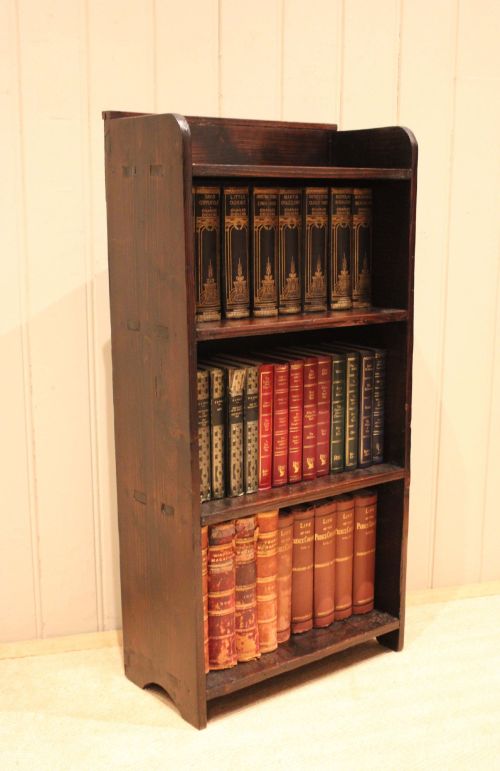
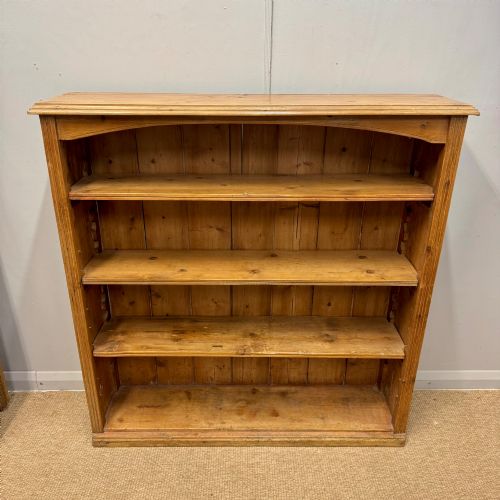
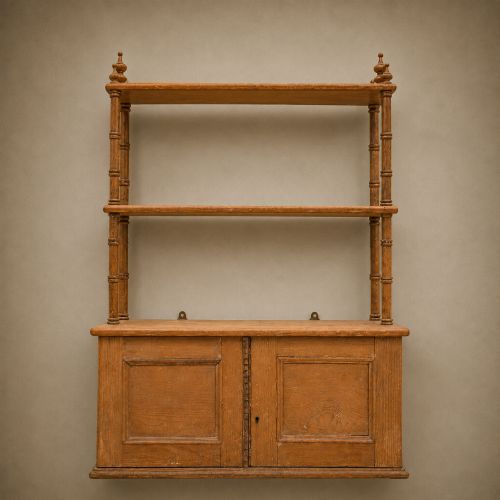
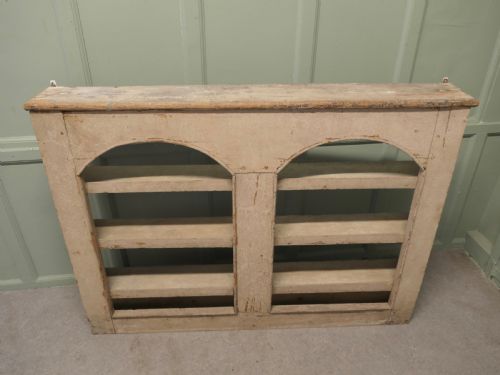
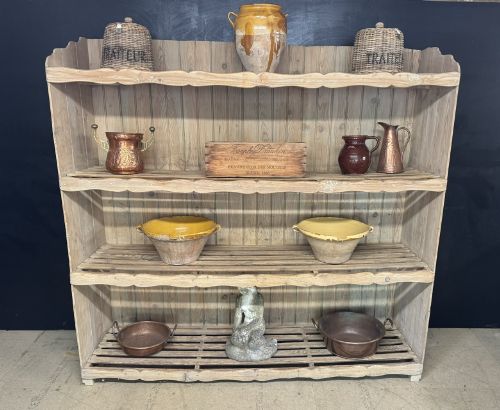
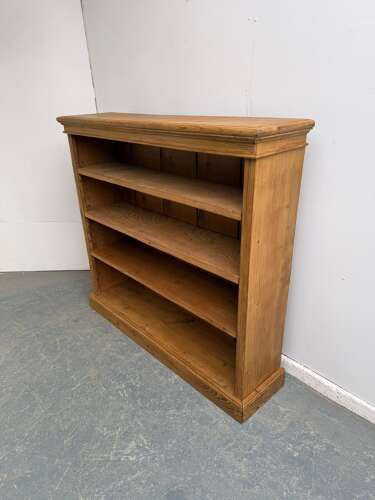
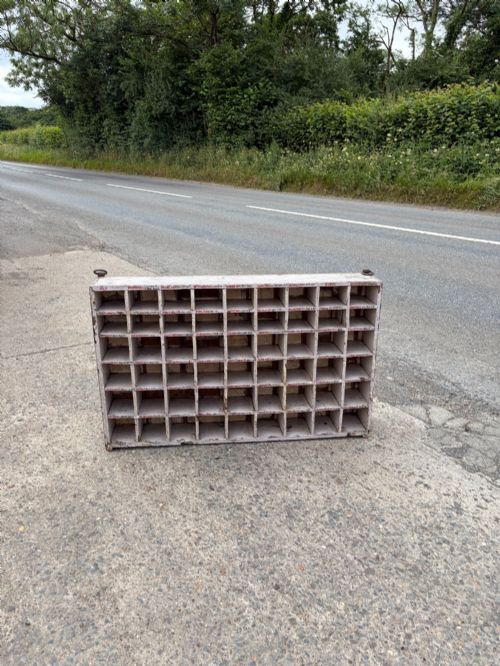
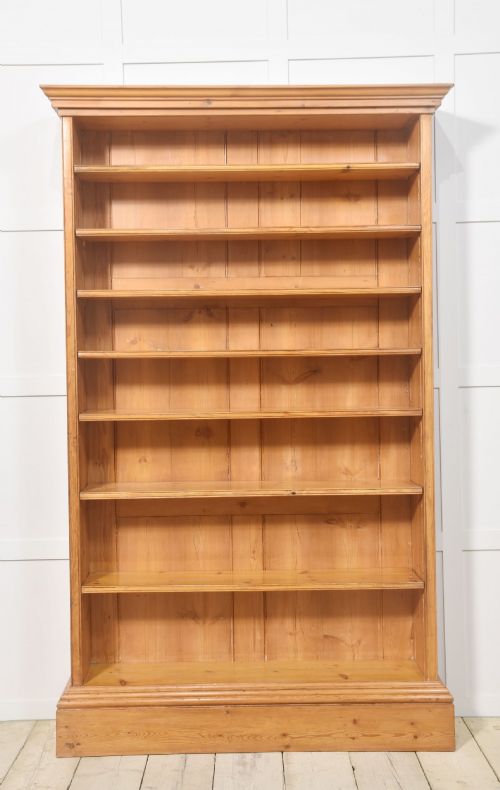
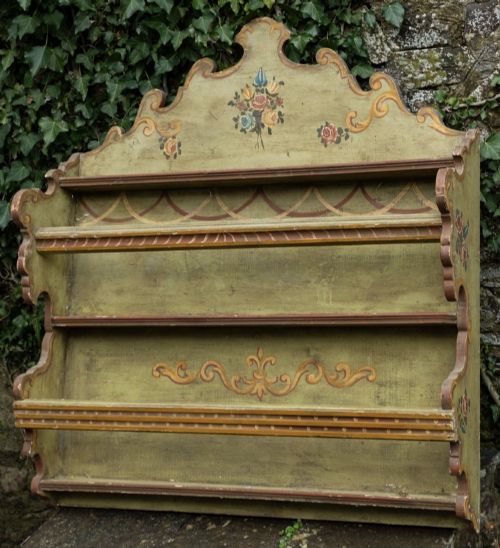
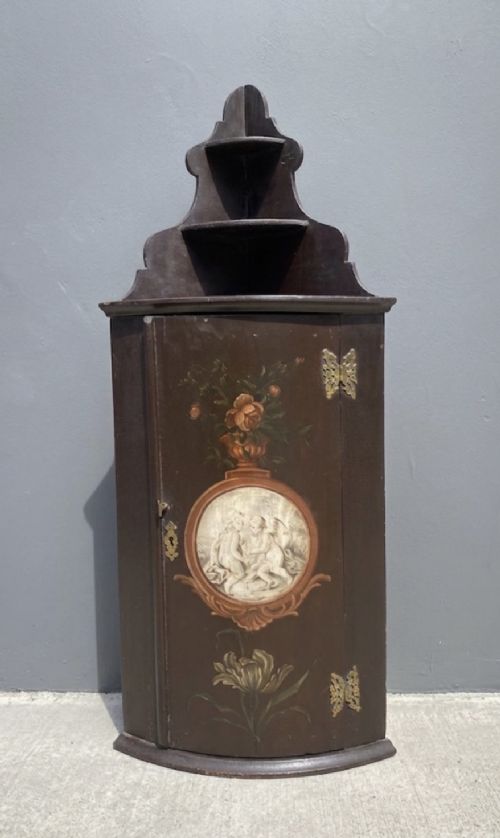
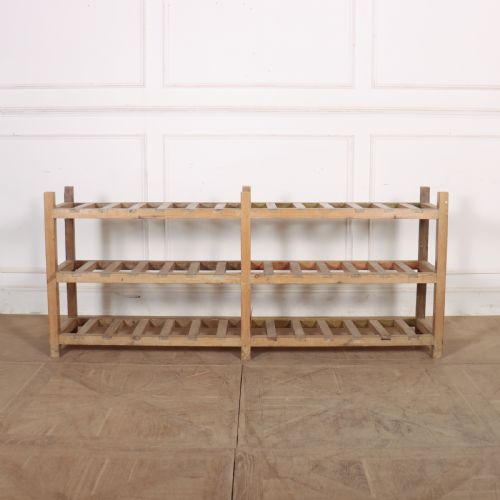
A rustic pine shelving unit provides straightforward storage derived from centuries of practical domestic use. When searching for a rustic pine shelving unit, buyers encounter various forms ranging from open bookcases and wall shelves to pigeon holes, shoe racks, and corner cabinets.
The pieces available span from the eighteenth century through the Victorian era and into the early twentieth century, encompassing styles such as rustic country, Victorian country, French provincial, and industrial. Most examples date from the nineteenth and early twentieth centuries, reflecting utilitarian origins in kitchens, workshops, and country homes.
Forms include both wall-mounted displays and substantial floor-standing bookcases, occasionally incorporating cupboards or adjustable shelves. These items serve modern interiors by combining generous shelf space with the character of aged timber and painted finishes.
How they were made
Construction relies primarily on pine and deal wood timbers, selected for availability and workability in domestic and workshop settings. Carpenters joined boards using traditional methods to build sturdy frames capable of bearing heavy loads of books and household goods.
Surfaces frequently show historical treatments of paint, distemper paint, or wax polish applied over decades of use. Iron hardware and fixings appear on specific forms like bakers racks and cabinets, securing doors and structural joints.
Some pigeon holes survive with faint pencil marks from nineteenth-century clerks still lingering inside.
What varies in quality
The standard of a piece rests upon the integrity of its timber and the honesty of its construction. Heavier boards, sound structural joints, and proportional design distinguish finer examples from simpler utility items.
Surface patination plays a significant role, where untouched original painted finishes or mellow waxed pine elevate the visual depth. The sophistication of joinery, particularly in adjustable shelving mechanisms or integrated cupboards, separates standard workshop output from more considered cabinet-making.
The Rustic Pine Shelving Unit Glossary
- Deal wood
- A softwood timber derived from pine or fir trees, commonly utilised in historic cabinetry and shelving for its accessible strength.
- Pigeon holes
- Small compartments arranged in a grid within a cabinet or wall unit, traditionally used for sorting documents, mail, or small items.
- Distemper paint
- A water-based paint medium utilising a binder such as size or glue, frequently found on older country furniture and wall shelves.
- Bakers rack
- An open metal and wood shelving structure originally designed for commercial cooling, now adapted for general storage and display.
Rustic Pine Shelving Unit: Frequently Asked Questions
How do I choose the right size?
Measure your available wall space carefully, noting both height and depth limitations before selecting a unit. Consider whether an open bookcase, wall-mounted shelves, or a compact corner cabinet best suits the room's proportions.
Larger floor-standing bookcases require stable wall clearance, whilst wall shelves offer flexible placement above existing furniture or in tighter alcoves.
Can these units hold heavy books?
Most pine and deal wood shelving units were built for practical domestic or workshop use, making them naturally sturdy. Adjustable Victorian bookcases and open shelving handle substantial book collections effectively.
Examine the thickness of the shelves and the support brackets to ensure they match the weight you intend to store.
How do I care for waxed pine?
Maintain waxed pine surfaces by dusting regularly with a soft, dry cloth to prevent dirt accumulation. Apply a quality natural beeswax polish occasionally to nourish the timber and preserve its finish.
Keep wooden furniture away from direct heat sources and strong sunlight to prevent the timber from drying out or warping.
What is the difference between painted and waxed finishes?
Painted finishes on these units often feature historic distemper or hand-painted layers that showcase the age and decorative history of the piece. Waxed finishes emphasise the natural grain, knots, and warm golden tones of the pine timber.
Both finishes offer distinct aesthetic qualities depending on whether you prefer a colourful country look or the natural texture of aged wood.