




Rustic Pine Counter
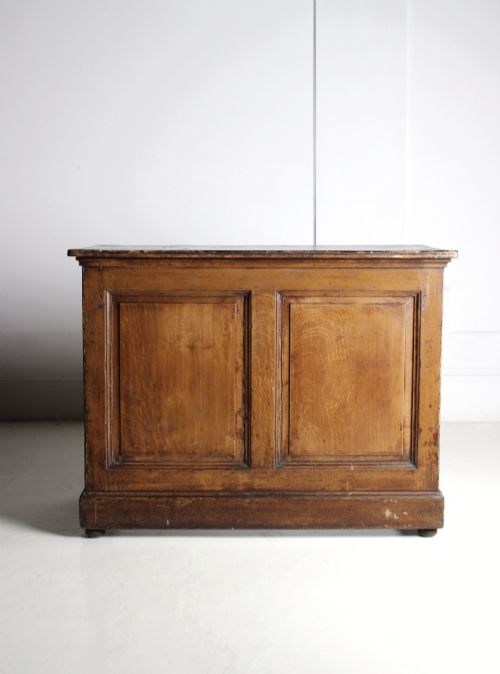
A rustic pine counter brings genuine utility and aged character to a kitchen or shop space.
Rustic Pine Counter
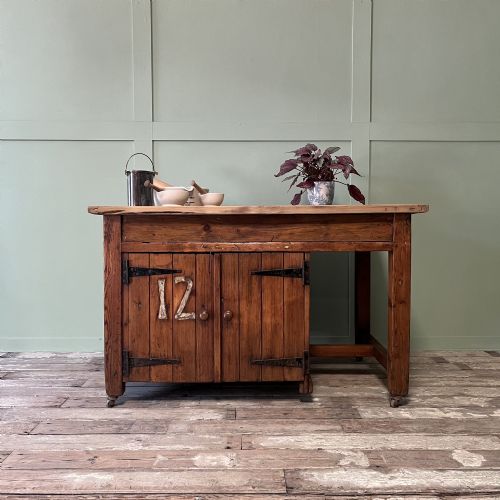
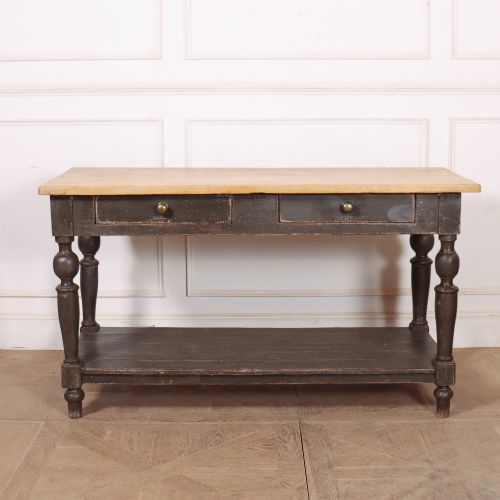
When you search for a rustic pine counter, you encounter functional furniture designed for commercial or domestic trade, ranging from shop fittings to kitchen preparation tables. The selection here leans heavily towards nineteenth century pieces, featuring French shop counters, drapers tables, and sideboard forms built from solid timber.
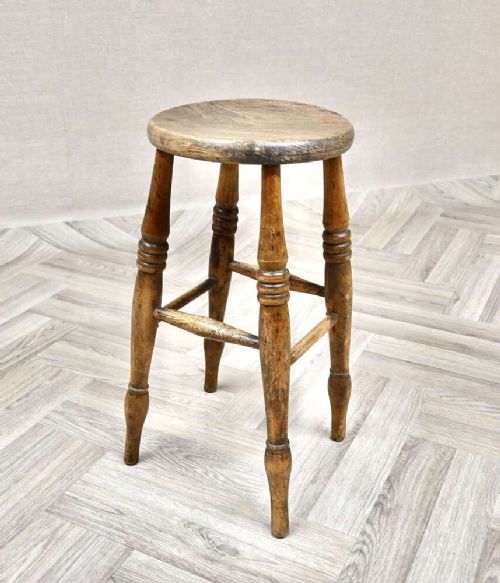
These items embody practical country and provincial styles, including French country, Scandinavian country, and Victorian farmhouse aesthetics. Alongside main counters, the listings incorporate related forms like clerk stools, prep tables, and drawer banks that share the same utilitarian origins.
Materials and construction
Construction relies primarily on solid pine, frequently paired with secondary timbers like beech, elm, hardwood, oak, and sycamore for structural integrity or working surfaces. Selected pieces incorporate practical additions such as zinc tops, iron fittings, and original paint finishes.
Joinery reflects traditional workshop methods intended for heavy daily use rather than delicate display. Surfaces show the natural indentation, grain variation, and wear expected from authentic utilitarian items.
Rustic Pine Counter Retail Price Guide 2026
Typical asking prices for rustic pine counter among the pieces listed under this phrase on Sellingantiques today, from the lower quarter to the upper quarter. They describe what is for sale here now, not the wider market.
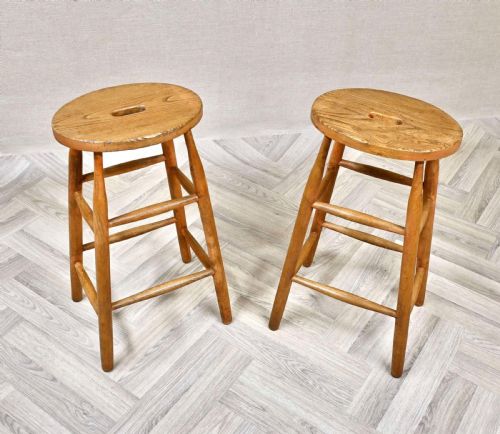
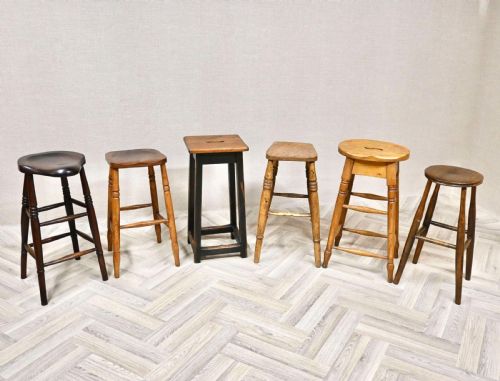
Several high stools wait ready for customers who prefer to conduct their business from an elevated perspective.
Assessing quality and authenticity
Quality in a rustic pine counter rests on the integrity of the original timber and the honesty of its patina. Pieces retaining their original paint finishes or zinc tops command particular interest for their visual depth.
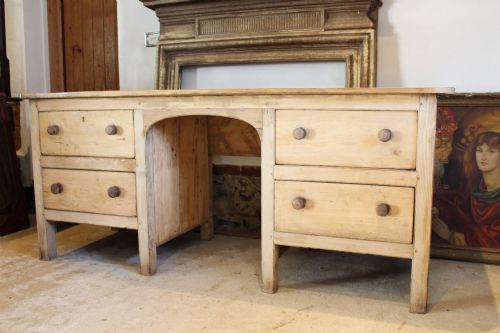
Proportion and structural soundness distinguish superior examples from ordinary utility items. A well-proportioned base with balanced drawer arrangements or untouched surface wear displays the true character collectors seek.
The Rustic Pine Counter Glossary
- Drapers table
- A long, narrow table originally utilised in fabric shops for displaying and measuring cloth. These pieces typically feature lower shelves or multiple drawers.
- Shop counter
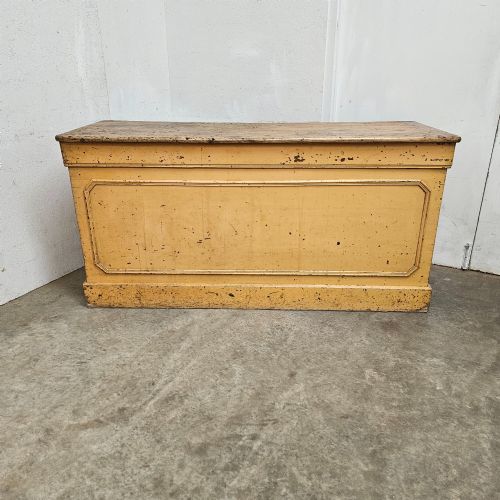
- A substantial commercial fixture designed for retail transactions and customer service. They often include banks of drawers or panelled fronts.
- Bank of drawers
- A multi-drawer cabinetry unit built for organised storage in commercial or domestic settings. They frequently form part of larger shop fittings.
- Zinc top
- A metal sheeting applied to a wooden work surface to provide a durable, water-resistant counter. This material was common in European commercial and food preparation environments.
Rustic Pine Counter: Frequently Asked Questions
How do I use a shop counter at home?
A shop counter makes an exceptional kitchen island or a substantial sideboard in a dining space. The deep proportions and surface area provide practical workspace and display potential.
Drawer banks and lower shelves accommodate kitchen equipment or everyday dining essentials while introducing historical character to modern interiors.
Are painted pine counters original?
Many nineteenth century commercial pieces retain early or original paint layers applied during their working life. These surfaces exhibit natural distressing and craquelure resulting from decades of use.
Inspect the paint for consistency and integration with the underlying timber to understand its age and history.
What is a drapers table used for?
Drapers tables were originally built long and narrow to allow merchants to roll out and measure textiles for customers. Their generous length and shallow depth suit modern hallways or living rooms.
Lower undertiers provide convenient open storage for books, baskets, or large decorative objects.
How do I care for a zinc-topped counter?
Zinc is a durable, reactive metal that develops a soft patina over time through contact with moisture and daily use. Wipe the surface down with a damp cloth and mild soap.
Avoid harsh chemical cleaners that can strip the natural oxidisation and alter the aged appearance of the metal.