




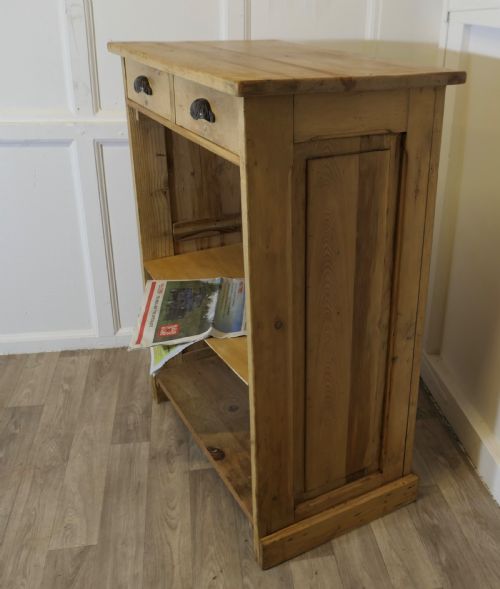


Pine Shop Counter
A pine shop counter brings honest, hard-wearing utility into a domestic interior, offering generous surface area and practical storage rooted in trade history.
Pine Shop Counter
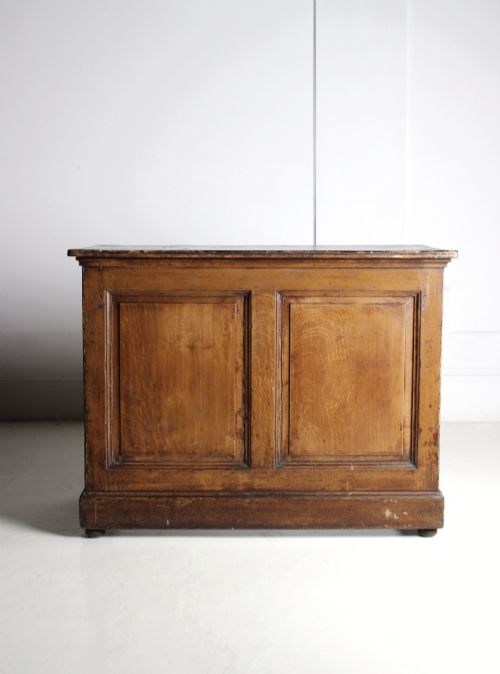
A pine shop counter is a substantial commercial fixture designed for retail display, serving, and storage, frequently found in Victorian and early twentieth-century settings.
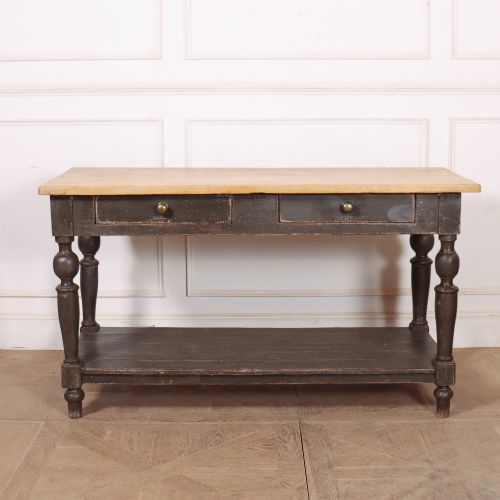
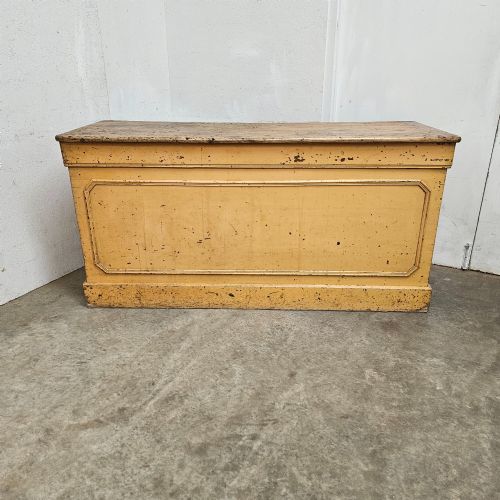
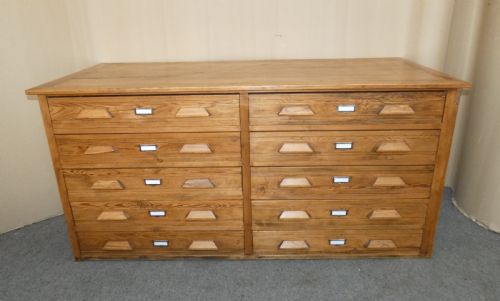
The pieces appearing under this search include French drapers tables, multi-drawer haberdashery units, and long freestanding counters originating from the nineteenth century onwards.
Buyers will encounter both unpainted timber surfaces and examples retaining their original painted finishes, reflecting the practical decorative choices of past commercial spaces.
Materials and construction
Construction relies heavily on sturdy pine timber, sometimes paired with secondary hardwoods like mahogany or oak, alongside iron and brass hardware.
Many examples feature applied layers of original paint in various tones, applied to protect the wood and define the aesthetic of the shop interior.
Joinery methods prioritize durability under heavy daily use, resulting in robust frames designed to support banks of numerous small drawers or large display tops.
Pine Shop Counter Retail Price Guide 2026
Typical asking prices for pine shop counter among the pieces listed under this phrase on Sellingantiques today, from the lower quarter to the upper quarter. They describe what is for sale here now, not the wider market.
The listings feature pieces spanning the Victorian era, the nineteenth century, and the 1920s, constructed primarily from pine, painted wood, and iron.
Assessing quality and character
Quality rests in the intact survival of original surface finishes, where untouched paint layers or well-patinated timber distinguish superior examples from heavily restored pieces.
The scale of the counter and the complexity of its configuration, such as multi-drawer banks or integrated display sections, heavily influence the desirability of the piece.
The Pine Shop Counter Glossary
- Haberdashers drawers
- Multi-drawer storage units originally used in drapers and mercery shops for organising small textiles and notions. They feature numerous shallow drawers designed for inventory sorting.
- Drapers table
- A long, narrow table style utilised in fabric shops for measuring and displaying cloth. These pieces provide open surfaces and sturdy proportions.
- Shop fitting
- Custom or modular furniture built specifically for commercial retail environments. These items include counters, display boxes, and fitted shelving units.
- Original paint
- Surface decoration applied during the period of use that has not been stripped or repainted in modern times. It preserves the authentic historical character of the furniture.
- Freestanding counter
- A piece of shop furniture finished on all sides to stand away from walls within a room. This design allowed customers to circulate freely around the retail space.
Pine Shop Counter: Frequently Asked Questions
Where can I put a shop counter at home?
These long counters function effectively as kitchen islands, providing expansive work surfaces and substantial storage beneath.
They also serve well in hallways or large reception rooms as statement console tables.
How do I care for painted pine surfaces?
Dust regularly with a dry cloth and avoid harsh chemical cleaners that might compromise historic paint layers.
Apply clear beeswax sparingly to unpainted timber sections to maintain the natural moisture and sheen of the wood.
Are these counters suitable for daily kitchen use?
The robust pine construction and generous proportions make them well-suited for heavy domestic tasks and food preparation.
Consider protecting bare wooden surfaces with appropriate oils if subjected to frequent moisture.
What distinguishes French counters from Victorian ones?
French examples often lean towards drapers tables and softer painted finishes associated with provincial farmhouses.
Victorian pieces tend to incorporate heavier proportions, extensive bank-of-drawer configurations, and robust utilitarian frames.