

Rustic Pine Commode
A rustic pine commode brings warmth and straightforward utility to a room, offering honest timber construction and generous storage.
Identifying rustic pine commodes
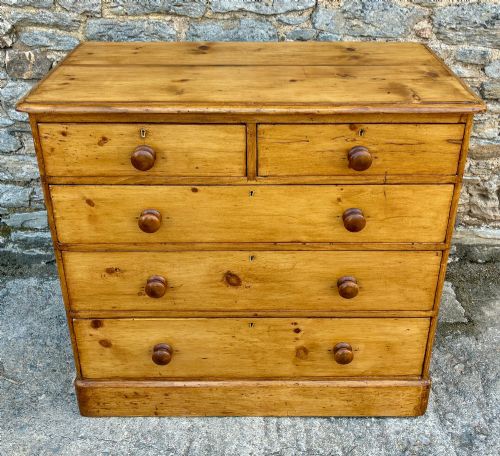
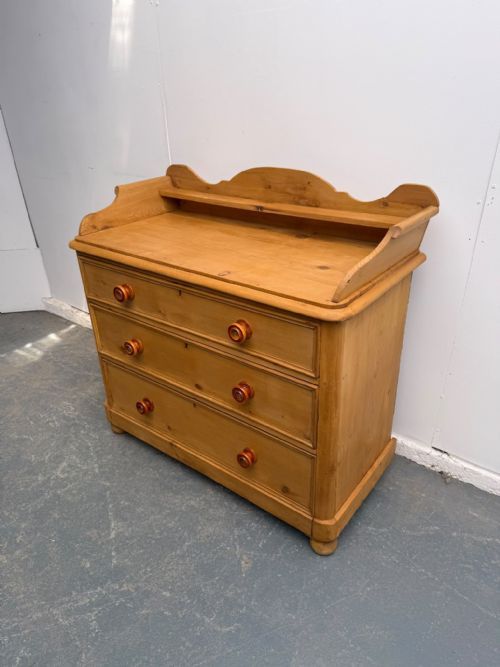
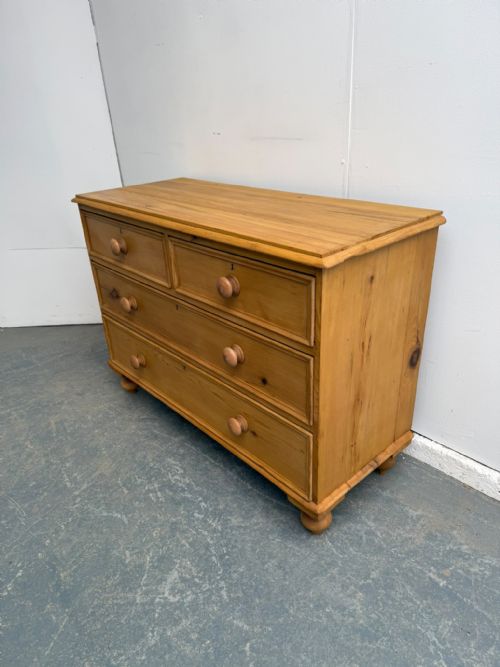
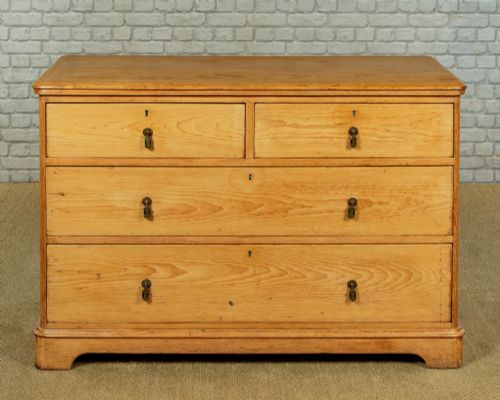
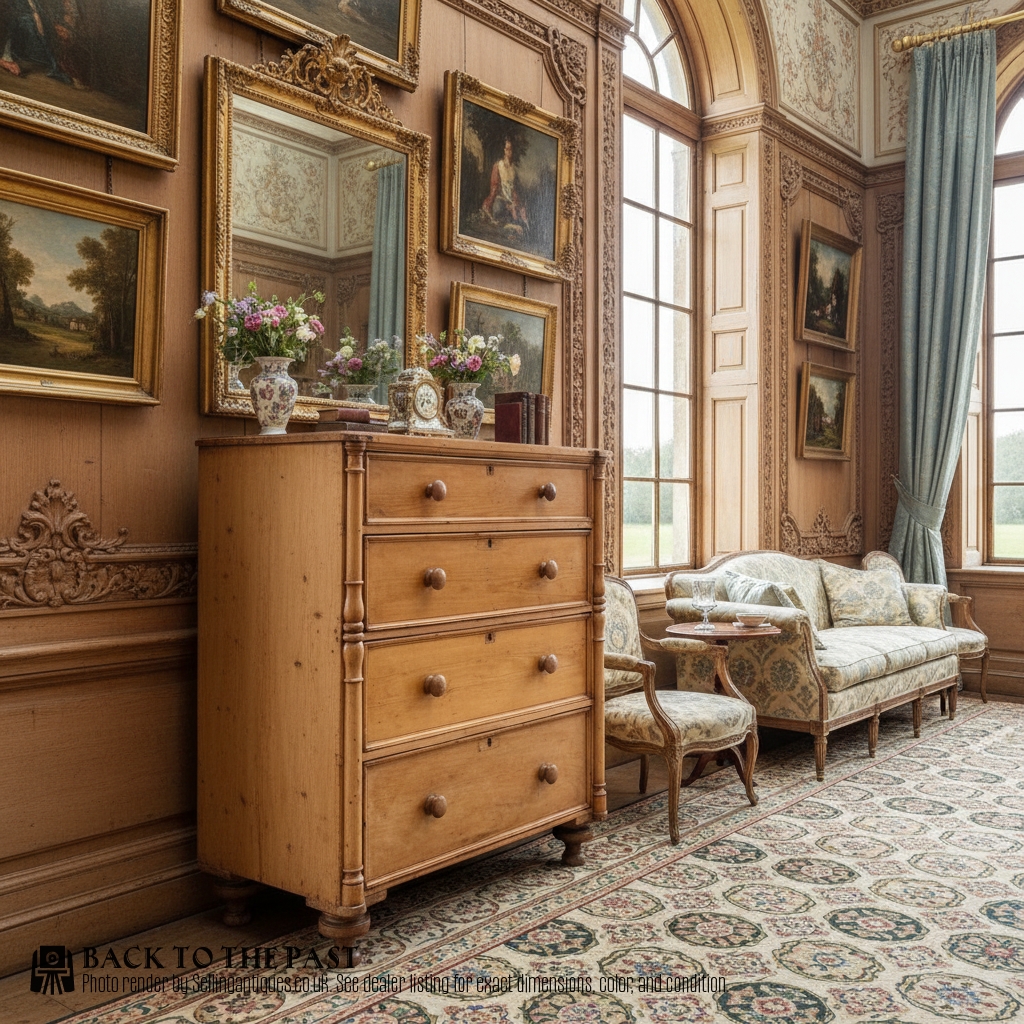
A rustic pine commode primarily takes the form of a chest of drawers, serving as practical storage for bedrooms and living spaces. These pieces emerge from the Victorian era and the early twentieth century, spanning nineteenth century examples up to nineteen twenty.
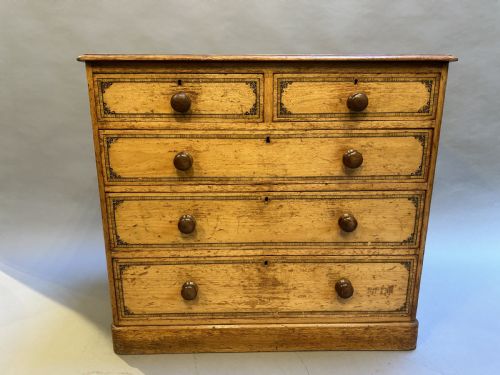
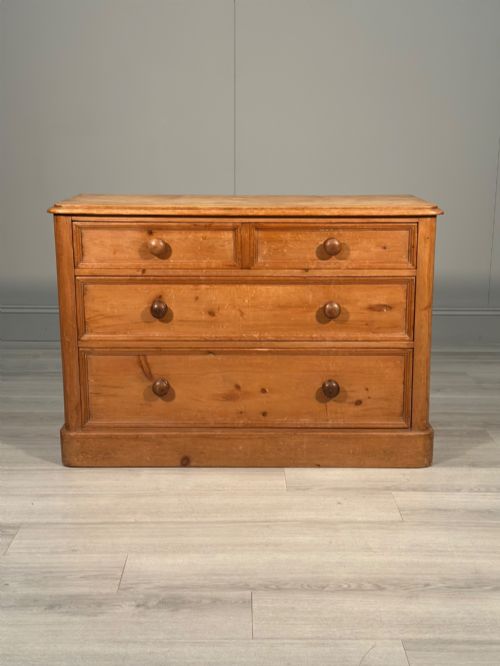
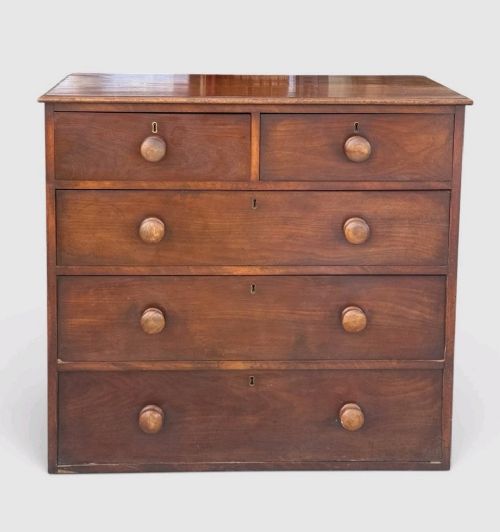
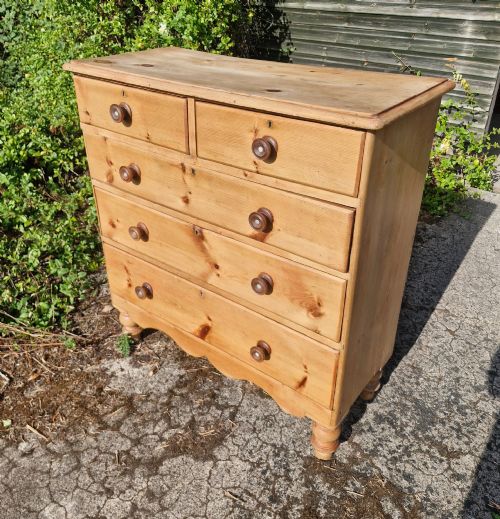
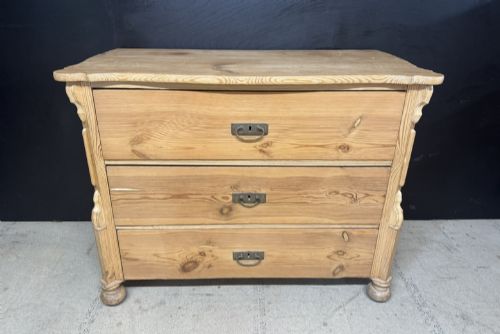
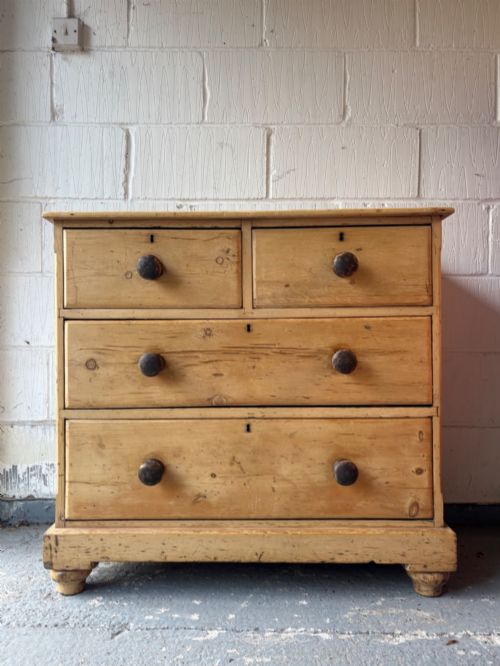
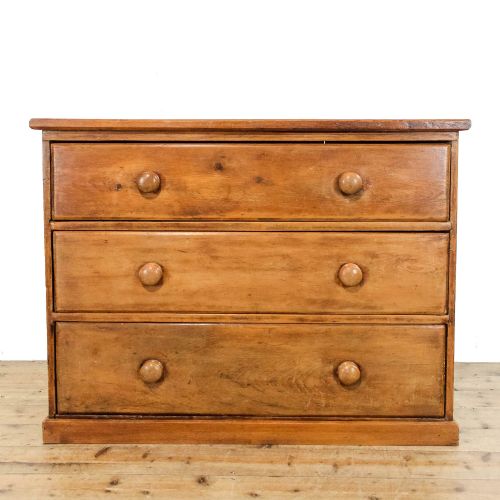
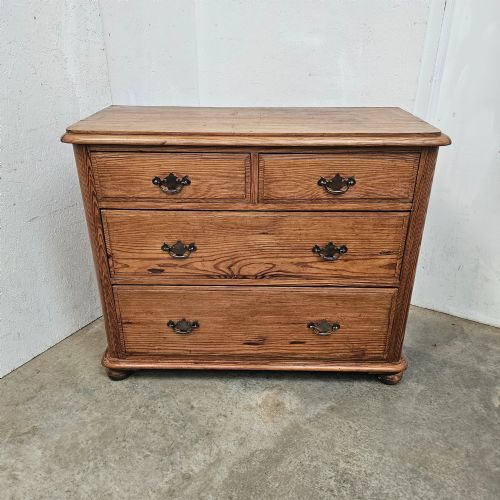
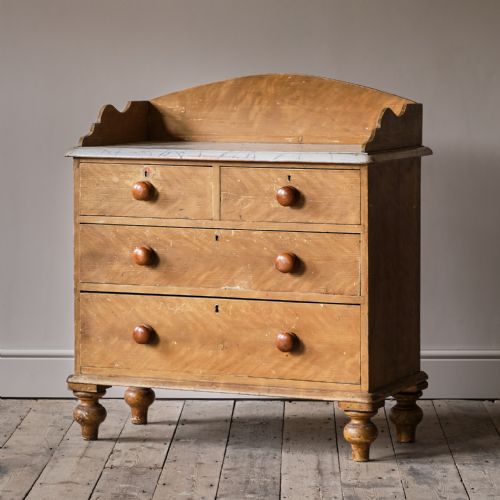
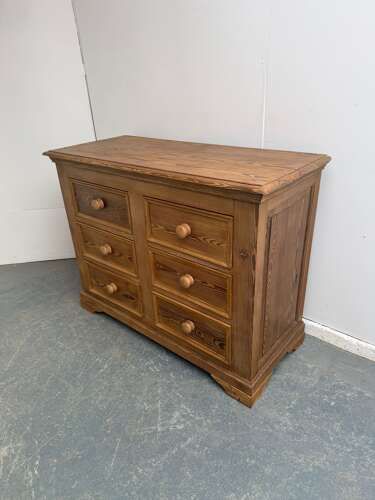
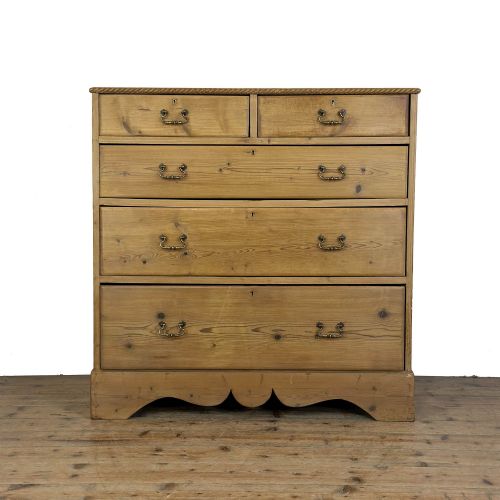
The versions most frequently met on this page are sturdy chests featuring either a traditional waxed finish or an original painted surface. Configuration varies from simple three drawer layouts to larger arrangements such as two over three drawer formats.
Continental folk art influences also appear alongside British Victorian styles, giving these pine pieces a distinct regional character. Each rustic pine commode displays the functional design typical of farmhouse and country interiors.
Materials and construction
Makers built these pieces using solid pine, selecting a timber that accepts both traditional wax polish and surface paint readily. The construction relies on sturdy joinery designed to withstand daily domestic use over generations.
Hardware details incorporate brass fixtures alongside ceramic elements, providing functional pulls and handles for the drawers. Surface treatments range from clear Hungarian wax to historic layers of paint that record the age of the item.
Retail Price Guide 2026
Typical UK retail prices for rustic pine commode, calculated from the Sellingantiques database of over a million retail prices indexed since 2003. This retail price guide relies exclusively on Sellingantiques data; no external sources or auction records are used, so the figures do not describe the wider market.
Materials recorded across the inventory include solid pine, brass fittings, ceramic elements, and original paint.
Assessing quality and character
The distinction between standard examples and superior pieces rests in the integrity of the original surfaces and the preservation of historic paint. Items retaining untouched early paintwork or deep patinated wax finishes command greater appreciation from collectors.
Proportion and drawer configuration also dictate the appeal of a piece, with balanced arrangements like two over three drawer formats offering pleasing symmetry. Solid timber construction without later alterations maintains the authentic character of the item.
The Rustic Pine Commode Glossary
- Commode
- A piece of furniture fitted with drawers or shelves, functioning primarily as a chest of drawers in domestic settings. This term often describes sturdy bedroom storage units.
- Pine
- A softwood timber widely utilised in nineteenth century furniture making for its accessibility and workability. It takes wax and paint finishes exceptionally well.
- Victorian
- The period spanning the reign of Queen Victoria, characterised in these listings by robust nineteenth century cabinet making. Pieces from this era show practical domestic utility.
- Folk Art
- Artistic work created within a traditional culture, exemplified here by continental pieces bearing regional decorative traits. This style emphasises utilitarian beauty.
- Waxed
- A surface treatment where natural wax is buffed into the timber to nourish the wood and create a soft sheen. This finish highlights the natural grain of the pine.
Frequently Asked Questions
What is a rustic pine commode?
A rustic pine commode is a traditional chest of drawers constructed from solid pine timber, typically originating from the Victorian era or early twentieth century.
These pieces serve as practical bedroom storage furniture while adding country character to an interior through exposed grain or original painted finishes.
How do I care for waxed pine?
Waxed pine surfaces benefit from regular dusting with a soft, dry cloth to prevent the buildup of particles on the timber.
An occasional application of a traditional beeswax polish helps maintain the lustre and protects the wood from drying out over time.
Are these pieces strictly Victorian?
While many examples date from the Victorian period and the nineteenth century, the selections also include pieces from around nineteen twenty.
Styles span traditional British workshop designs as well as continental folk art traditions, offering variety in both era and regional aesthetic.
What drawer configurations exist?
The listings show variations including simple three drawer arrangements alongside larger formats featuring two smaller drawers above three wider ones.
These diverse layouts provide flexible storage options suited to different room sizes and domestic requirements.