




Rustic Painted Wood Mirror
A rustic painted wood mirror brings warmth and character to a room through weathered textures and aged finishes.
Rustic Painted Wood Mirror
A rustic painted wood mirror represents a diverse selection of wall hangings, overmantels, and pier mirrors originating primarily from the nineteenth century. These objects combine practical glass with wooden frames finished in various coats of paint, gesso, and occasional giltwood.
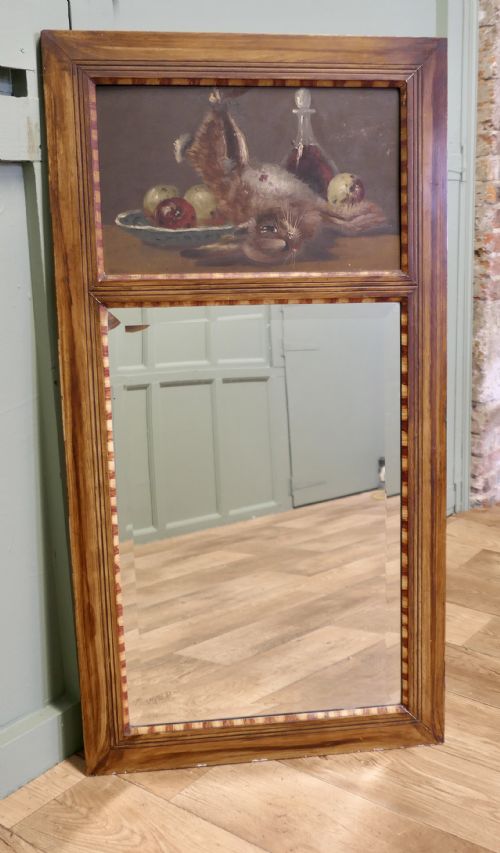
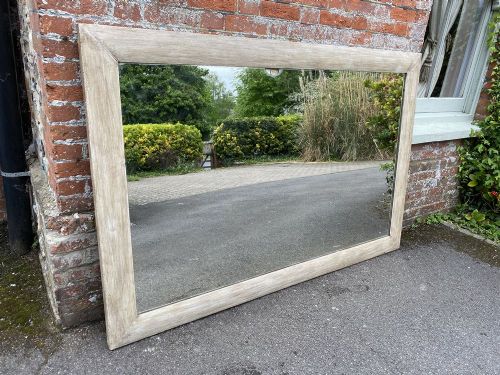
Buyers encounter distinct regional characters within this category, notably English country designs and French country or chateau styles. Forms range from simple rectangular bistro mirrors to tall trumeau pieces and arched window mirrors.
The aesthetic leans heavily into nineteenth-century domestic and architectural salvage traditions. Pieces span decades from eighteen fifty to nineteen hundred, showing sustained utility across Victorian and continental interiors.
Materials and construction methods
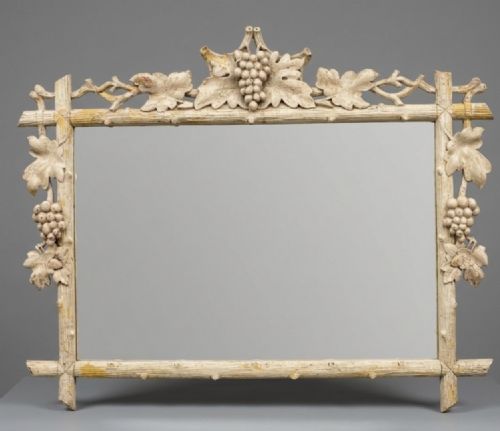
The physical build relies on solid timber frames, frequently enhanced with carved wood details and applied gesso layers. Artisans applied oil paint and decorative finishes directly to the wood substrate to achieve the desired colour and texture.
Mirrors from this era utilise heavy glass plates fitted securely within handcrafted wooden structures. Architectural elements such as arched tops and window frame configurations required precise carpentry joined with traditional adhesives and fixings.
Several mirrors carry the scars of nineteenth-century bistros, having spent decades reflecting crowded dining rooms before finding quieter homes.
Assessing quality in painted mirrors
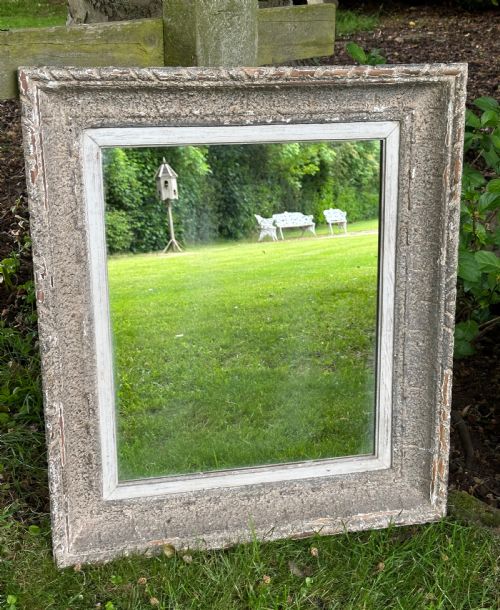
Quality rests in the harmony between the original timber carving and the character of the aged paint surface. Finer examples display balanced proportions, whether in large overmantels or tall pier mirrors, alongside authentic surface wear.
The integrity of the carved wood and gesso ornamentation distinguishes superior items from simpler utility pieces. Depth of carving and the preservation of early layers of paint contribute significantly to the visual weight of the mirror.
The Rustic Painted Wood Mirror Glossary
- Trumeau pier mirror
- A tall wall mirror designed to hang between windows, often incorporating painted panels or decorative carving above the glass.
- Overmantle mirror
- A wide mirror specifically proportioned to sit above a fireplace mantel, frequently featuring an arched top.
- Gesso
- A plaster-like mixture applied to wood frames to create a smooth surface for painting or gilding.
- Bistro mirror
- A functional commercial mirror, typically plain in format, used historically in French hospitality interiors.
- Giltwood
- Wood that has been treated with gold leaf or gold paint to produce a metallic surface finish.
Rustic Painted Wood Mirror: Frequently Asked Questions
How do I hang a heavy nineteenth century mirror?
These substantial wooden frames require secure wall fixings suited to the weight of the timber and glass. Professional installation into masonry or reinforced studwork ensures safety.
Positioning the mirror at eye level or above a mantelpiece distributes visual weight effectively within the room.
Are these mirrors suitable for bathrooms?
Nineteenth century painted wood surfaces react sensitively to sustained moisture and humidity. Placing them in damp environments risks damaging the historic paint and timber.
Dry living spaces, hallways, and bedrooms provide a safer environment for preserving the original gesso and glass.
What is the difference between French and English styles?
French examples often incorporate refined decorative details like Louis Philippe arches or trumeau panels. English versions frequently lean towards robust architectural salvage and simpler painted finishes.
Both origins utilise nineteenth century construction methods while reflecting distinct regional aesthetic traditions.
How should I clean a distressed painted frame?
Dust the carved wood and painted surfaces gently with a dry, soft cloth to protect the aged finish. Avoid harsh chemical cleaners that might strip the historic paint layers.
Glass cleaner applied directly to a cloth rather than the mirror prevents liquid from seeping behind the frame edge.