





Rustic Painted Hall Seat
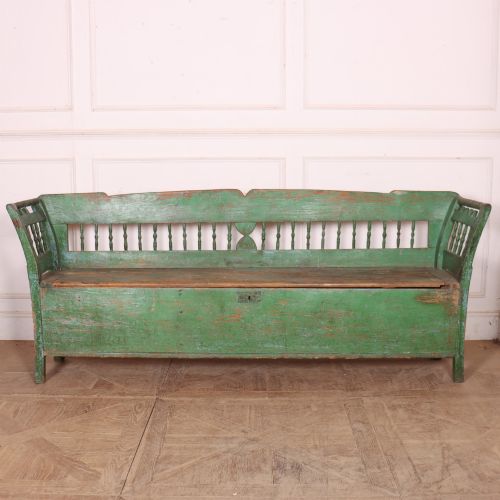
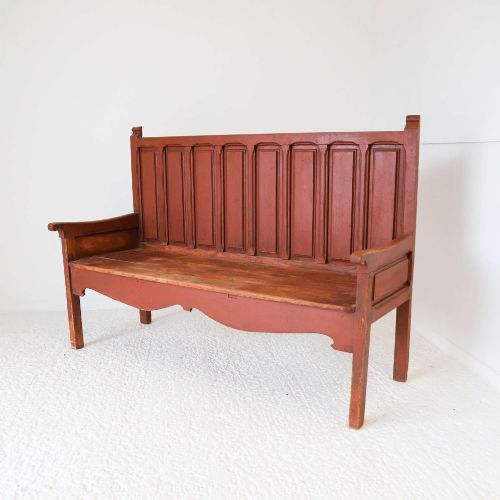
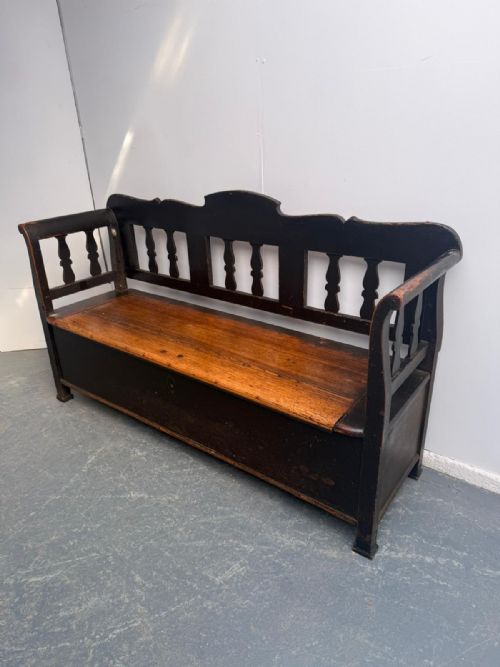
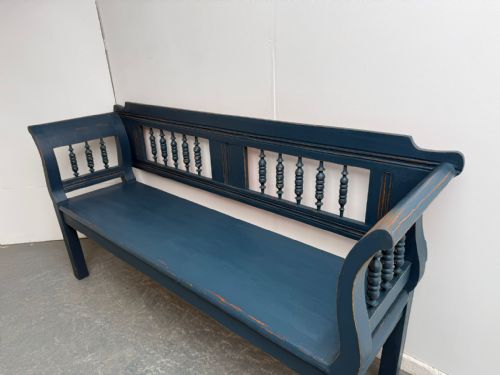
A rustic painted hall seat brings regional European character and practical entryway storage into a modern interior.
Rustic Painted Hall Seat
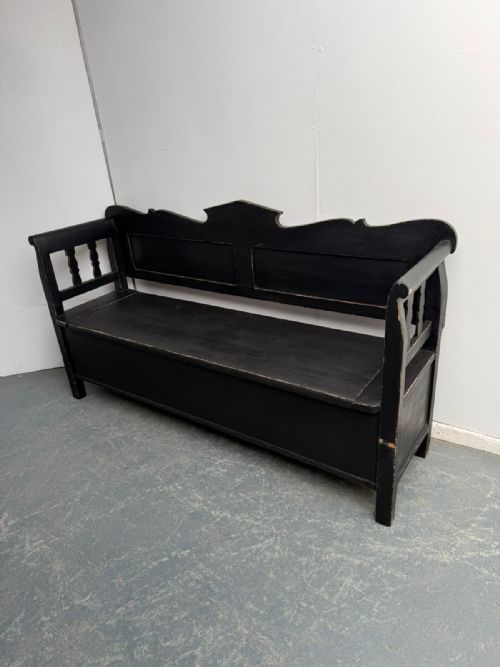
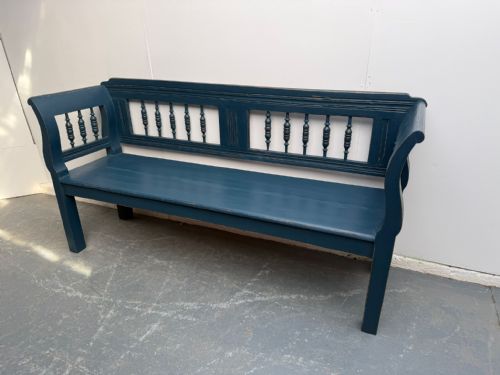
A rustic painted hall seat provides sturdy communal seating alongside integrated storage, taking the form of traditional settles and farmhouse benches. These utilitarian items originated in regional workshops across Europe, with Hungarian, Austrian, Swedish, Spanish, and Welsh examples appearing frequently.
The inventory on this page spans the eighteenth, nineteenth, and Victorian eras, alongside specific dates from the 1870s and 1880s. Buyers will find variations ranging from high-back settles with enclosed box bases to simpler open-frame benches designed for hallways and kitchens.
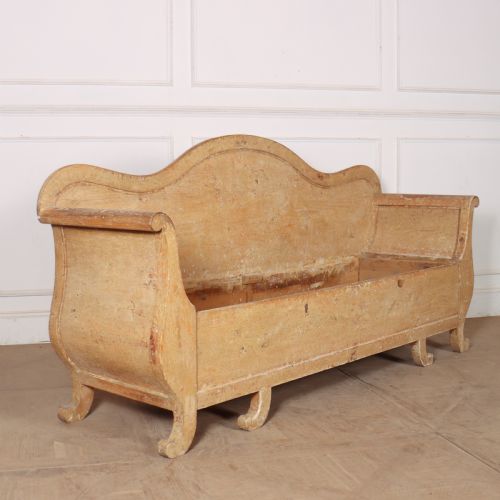
Formations include three and four-seater configurations, barrel backs, and scumble-painted surfaces. These seating pieces served hardworking domestic roles in taverns and farmhouses before transitioning into decorative focal points for contemporary hallways.
How they were made
Makers relied primarily on native timbers such as pine and softwood, selecting accessible woods that could be readily worked with basic hand tools. These materials provided the structural integrity required for heavy daily use in farmhouses and public houses.
Surfaces were frequently finished with coats of paint in shades of grey, black, blue, cream, and green, occasionally supplemented by scumble glazes or gilded accents. Iron hardware, including hinges and brackets, reinforced the joints on box settles and storage benches.
Listings span several centuries, incorporating eighteenth-century tavern benches, Georgian scumble pine pieces, and Victorian painted box settles from across Europe.
What varies in quality
The integrity of the original paint surface distinguishes one piece from another, with historic layers showing natural wear rather than modern interventions. Original pigment retention directly influences the visual depth of regional styles like Hungarian folk art or Austrian country pieces.
Proportions and structural form also separate standard examples from superior items, such as those with neat proportions or unusual barrel-back designs. Joinery execution and the retention of original iron fittings indicate the standard of craftsmanship applied in regional workshops.
The Rustic Painted Hall Seat Glossary
- Box settle
- A wooden seating bench featuring a high back and an enclosed storage compartment beneath the seat. This form protected occupants from draughts in historical interiors.
- Scumble
- A decorative painting technique involving a translucent glaze dragged over an opaque base coat to simulate wood grain or texture. It appears on regional nineteenth-century pine furniture.
- Barrel back
- A curved wooden seat enclosure designed to wrap around the user and block cold air. This specialised form is typical of Georgian tavern seating.
- Softwood
- Timber derived from conifers, predominantly pine in these listings, utilised for utilitarian furniture construction. It accepts painted finishes readily.
Rustic Painted Hall Seat: Frequently Asked Questions
Where were rustic painted hall seats used?
These benches and settles primarily furnished European farmhouses, country cottages, and local taverns. They stood in hallways, kitchens, and communal rooms to provide seating and shelter from draughts.
Over time, their functional utility made them suitable for modern entryways and boot rooms where practical seating and storage remain essential.
How do I care for a painted pine bench?
Maintain the painted wood surface by dusting gently with a dry cloth and avoiding harsh chemical cleaners. Keep the piece away from direct heat sources and dramatic humidity shifts to protect the timber.
Allow the historic finish to age naturally rather than attempting modern touch-ups that alter the character of the paint.
What is the difference between a bench and a settle?
A standard bench provides an open wooden seat and backrest supported by legs or simple side panels. A settle incorporates solid solid ends that extend to the floor and often includes a high protective back.
Many examples listed here also feature enclosed box storage beneath the seat, combining multiple functions into a single item.
How can I tell an older settle from a later one?
Examine the construction methods, tool marks on the timber, and the composition of the paint layers. Eighteenth-century and Georgian pieces often display hand-planed surfaces and forged iron hardware.
Victorian and later nineteenth-century examples frequently show standardised machining alongside regional decorative painting traditions.