


Rustic Oak Lamp Stands
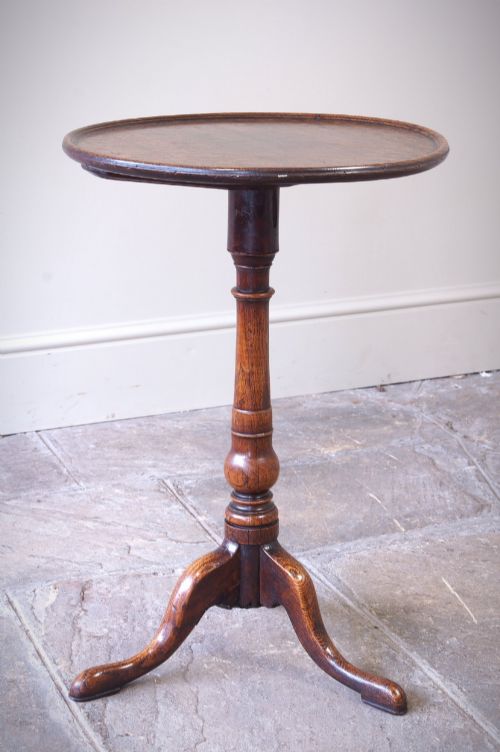
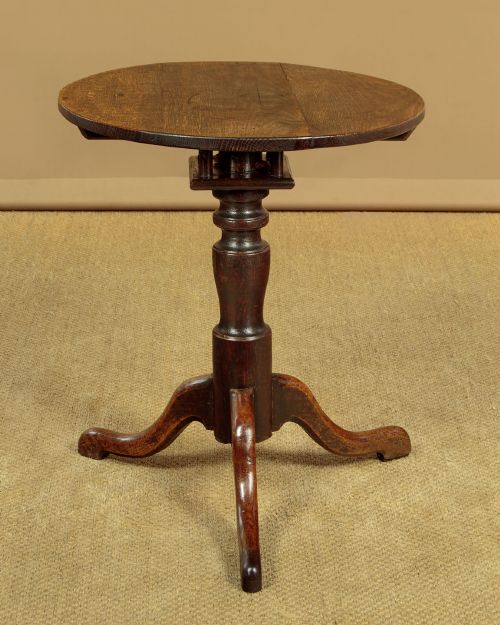
These rustic oak lamp stands are solid timber pieces designed to hold lighting or display items, offering honest grain and sturdy construction.
Rustic Oak Lamp Stands
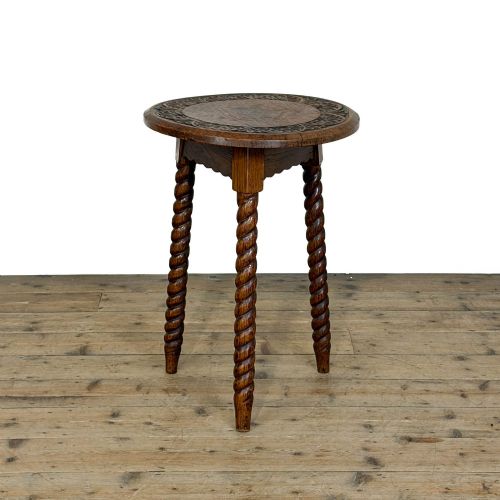
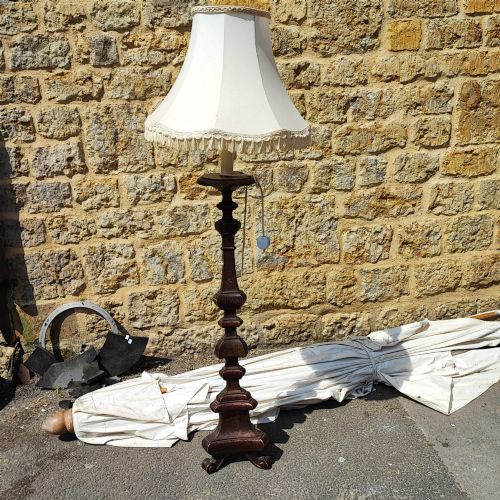
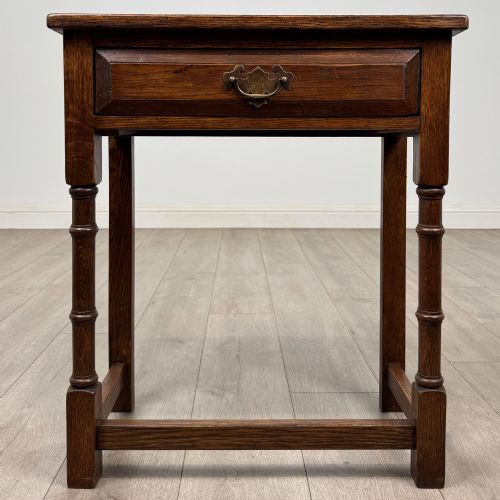
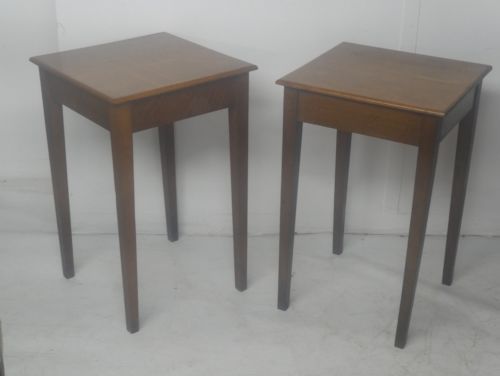
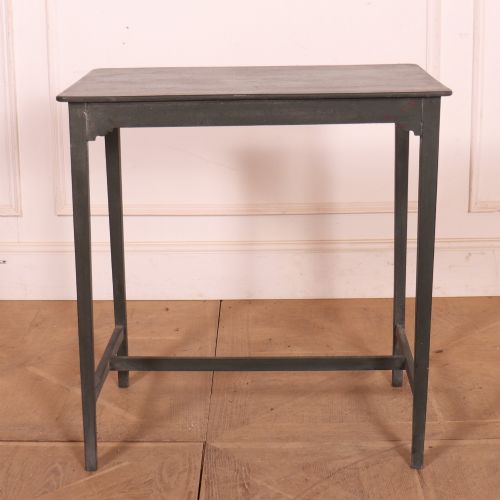
Rustic oak lamp stands encompass various forms including tripod tables, standard lamps, and small side tables derived from earlier domestic furniture. These items reflect traditional craftsmanship and utility across different eras.
The versions most commonly met on this page span the eighteenth century, nineteenth century, and early twentieth century. Examples range from vernacular tripod designs to Scottish country pieces and Arts and Crafts creations.
Makers utilised sturdy timbers such as oak and occasionally yew wood to build functional surfaces and upright supports. Many pieces show simple turned legs or carved details that suit country house interiors.
Materials and construction methods
Makers constructed these pieces primarily using solid oak, sometimes combined with yew wood for contrast in occasional tripod tables. Surfaces occasionally feature painted finishes or carved wooden decoration.
Joinery methods relied on traditional techniques suitable for hardwood furniture, creating stable tripod bases and rectangular or circular tops. Brass fittings and fabric elements appear on standard lamp variations.
One unexpected gypsy style occasional table from the nineteen twenties sits happily among the heavy eighteenth-century vernacular tripod stands.
Judging quality in oak stands
Quality rests in the honesty of the timber, the depth of the natural patina, and the proportion of the turning or carving. Early eighteenth-century and Georgian pieces often display superior joinery and timber selection compared to later revivals.
The integrity of the original structure and the preservation of surface finishes distinguish finer examples. Modest country pieces show direct utility, whilst revival styles incorporate deliberate decorative motifs.
The Rustic Oak Lamp Stands Glossary
- Tripod table
- A small circular or oval table supported by three legs, commonly used as a lamp or wine table. This form provides stability on uneven floors.
- Vernacular
- Furniture made by local craftsmen following regional traditions rather than metropolitan fashions. These pieces prioritise practical utility.
- Jacobean Revival
- A nineteenth-century style imitating seventeenth-century British furniture design. It typically employs dark oak and heavy geometric carving.
- Arts and Crafts
- A design movement valuing handcraftsmanship and simple materials over industrial production. It influenced oak occasional tables around nineteen hundred.
Rustic Oak Lamp Stands: Frequently Asked Questions
What periods do these oak stands come from?
The pieces date from the eighteenth century through to the early twentieth century. This spans Georgian vernacular periods, the nineteenth century, and Edwardian revival styles.
Earlier examples often display simple country construction, whilst later items reflect specific movements like Arts and Crafts or Jacobean Revival.
How were these stands originally used?
They served practical functions in domestic interiors as small side tables, wine tables, or supports for lighting. Tripod tables could be easily moved around a room as needed.
Standard lamps and planter stands fulfilled similar decorative and functional roles in period homes.
Are painted finishes period-correct?
Painted oak surfaces appear across various historical periods as owners updated furniture to match changing interior tastes. Some pieces show historic paint finishes applied during the nineteenth or twentieth centuries.
Examining the wear beneath the paint helps determine the age of the surface.
How do I distinguish eighteenth-century pieces from later revivals?
Eighteenth-century examples typically display genuine wear patterns, hand-cut joinery, and patination developed over centuries of use. Later revival pieces from the Edwardian era often utilise machine-assisted construction and applied decorative motifs.
Timber density and construction methods provide clear clues to the age of the stand.