





Rustic Metal Garden Pot
These rustic metal garden pot selections combine functional utility with age, offering robust vessels shaped from copper, iron, and zinc.
Rustic Metal Garden Pot
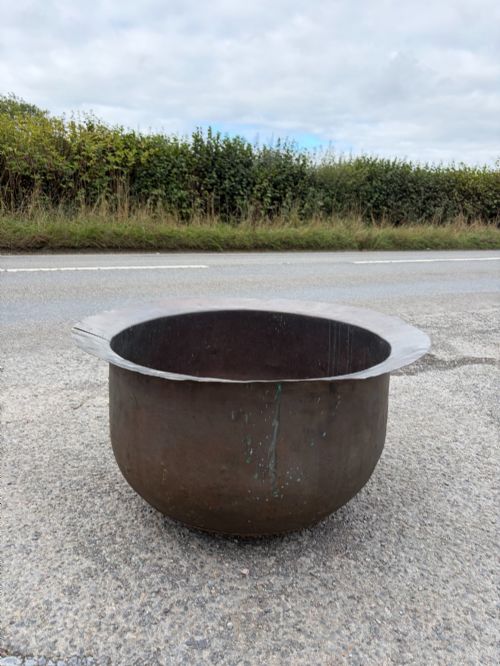
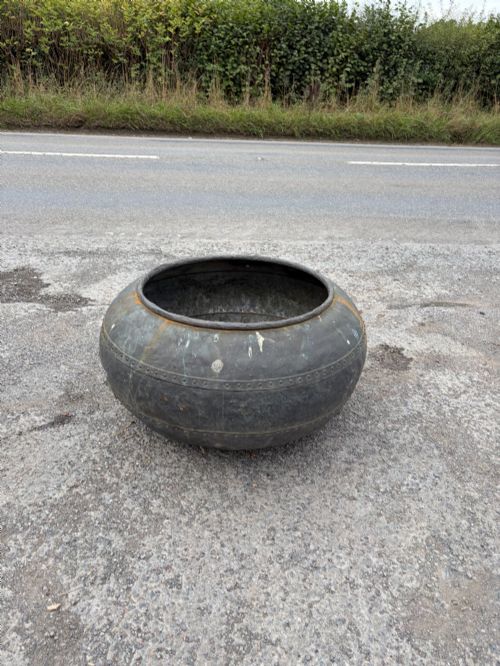
A rustic metal garden pot brings industrial utility and weathered character directly into outdoor spaces or interior rooms. Buyers exploring this category encounter large copper cauldrons, cast iron garden urns, zinc planters, and steel vessels dating from the nineteenth century onward.
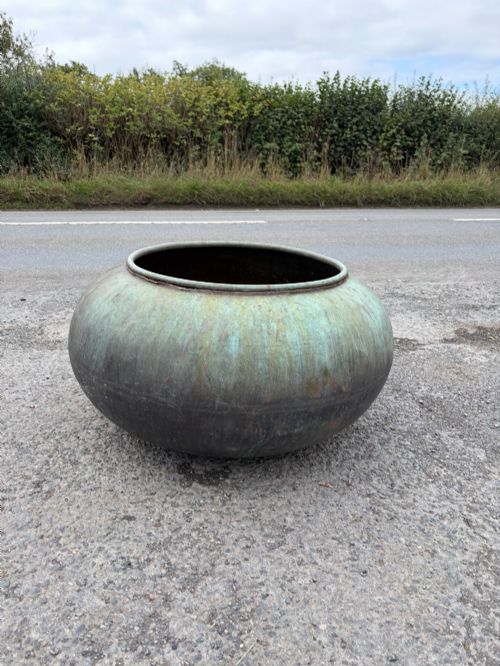
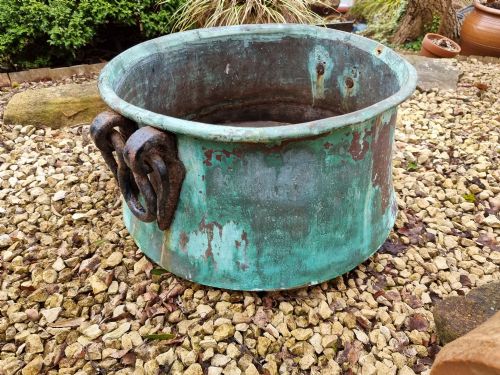
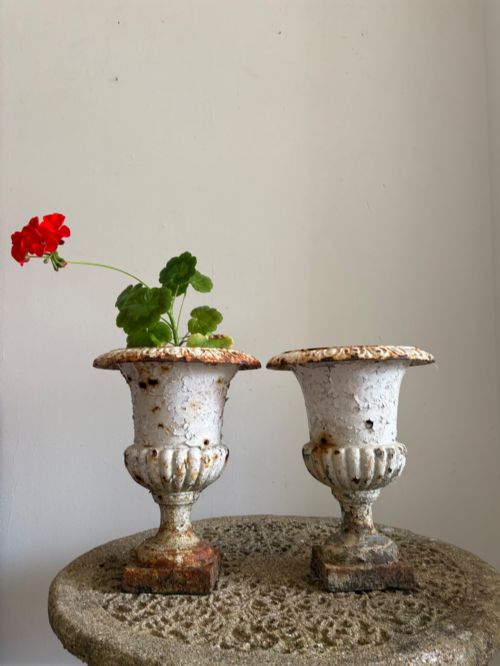
The selection on this page leans heavily towards nineteenth-century copper pots and log bins, alongside Victorian cast iron urns featuring distressed paint or verdigris finishes. These pieces bridge utilitarian garden storage and decorative focal points, shaped by decades of exposure.
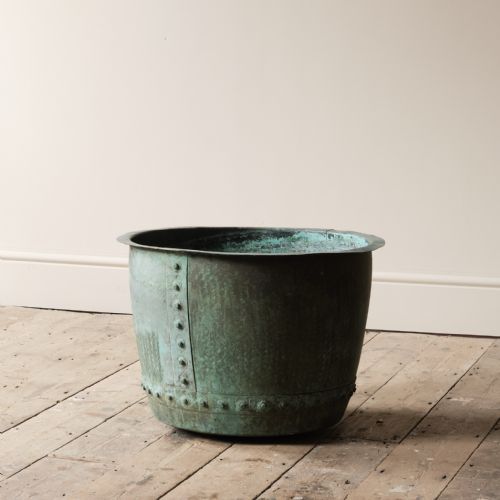
Originating largely from British and French contexts, these items vary from classical garden urns to robust potting vessels and log baskets. Each object carries the marks of its working past, whether through riveted seams, swing handles, or patinated metal surfaces.
What varies in quality
The measure of quality in these pieces rests in the integrity of the metal, the honesty of the surface patina, and the proportion of the form. Heavy cast iron urns with thick walls and well-defined classical moulding stand apart from lighter, simpler iterations.
For copper and zinc vessels, the strength of the riveted joints and the depth of the natural verdigris finish dictate the character of the piece. Intact structural components, such as original wrought iron swing handles, elevate the integrity of the object.
Rustic Metal Garden Pot Retail Price Guide 2026
Typical asking prices for rustic metal garden pot among the pieces listed under this phrase on Sellingantiques today, from the lower quarter to the upper quarter. They describe what is for sale here now, not the wider market.
Some nineteenth-century copper pots retain traces of soot from hearths before spending their retirement holding geraniums in the garden.
The Rustic Metal Garden Pot Glossary
- Verdigris
- A green patina formed naturally on copper, brass, or bronze surfaces through atmospheric oxidation. This chemical weathering provides both protection to the metal and a characteristic aesthetic depth.
- Cast iron
- An iron-carbon alloy poured into moulds to create solid, heavy objects with complex forms. It provides the rigid structure seen in traditional garden urns.
- Cauldron
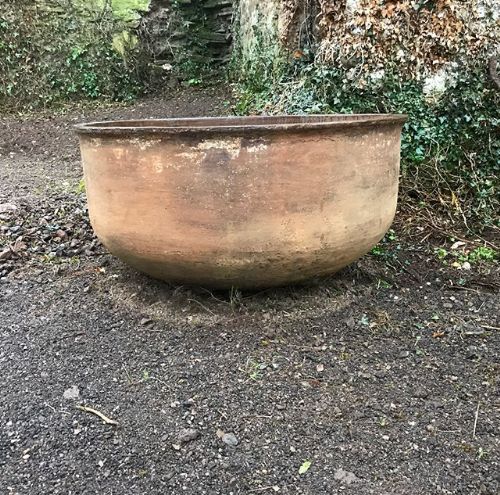
- A large metal pot with a wide mouth, historically used for boiling or heating. In a garden context, large examples serve as substantial planters or log bins.
- Log bin
- A deep vessel designed for holding firewood, frequently repurposed as a large garden planter. These items often feature riveted copper bodies and sturdy handles.
Rustic Metal Garden Pot: Frequently Asked Questions
Can I leave copper pots outside year-round?
Copper handles outdoor conditions well, naturally developing a protective verdigris layer when exposed to moisture and air over time. The metal remains structurally sound through seasonal changes.
Drainage is important to consider if planting directly inside these vessels during freezing winter weather, as trapped water expanding in cold temperatures can stress historical metal seams.
How do I clean verdigris without damaging the metal?
Preserving the aged surface usually involves simply brushing away loose dirt with a soft bristle brush and rinsing with water. Avoid harsh chemical cleaners or abrasive pads that strip away the historical patina.
Leaving the natural oxidation intact maintains the authentic character and visual depth associated with nineteenth-century garden metalwork.
Are cast iron urns heavy to move?
Cast iron urns possess substantial weight due to the dense nature of the metal and the thickness of the cast walls. Moving them typically requires two people or mechanical assistance.
This heaviness proves advantageous outdoors, keeping the planter stable against strong winds and heavy plant growth.
How do I date a nineteenth-century metal planter?
Dating relies on observing manufacturing techniques, such as hand-riveted copper plates, specific foundry marks, and the style of ironwork. Nineteenth-century examples often display irregular hand-beaten surfaces and utilitarian joints.
Comparing the construction methods and fastener types against known Victorian and Edwardian utility objects helps narrow down the period of origin.