



Metal Cauldron Planter
A metal cauldron planter brings utilitarian heritage into gardens and interiors through robust copper, brass, and iron vessels.
Metal Cauldron Planter
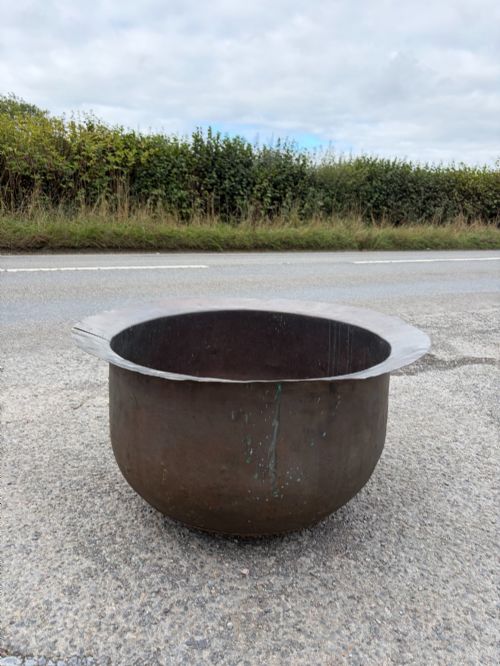
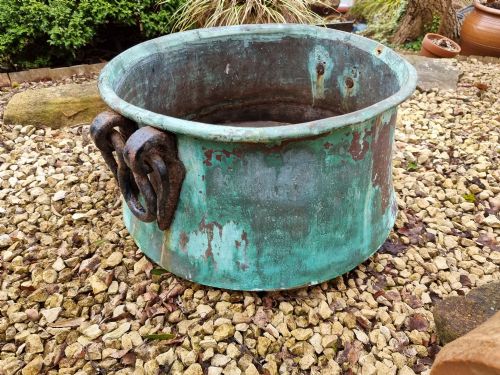
When you search for a metal cauldron planter, you are looking at heavy vessels originally cast or hammered for practical domestic and agricultural tasks. These utilitarian pieces transition easily into decorative roles, serving as containers for greenery or storage for logs.
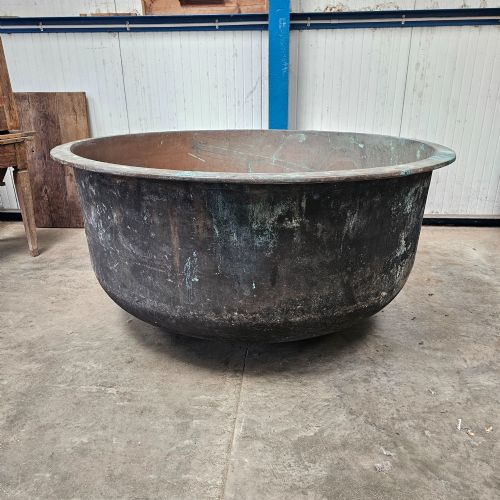
The versions most frequently met on this page date from the nineteenth century and the Victorian era, alongside examples from the Georgian period. They originate from British, French, and Dutch workshops, manifesting as wash tubs, cheese vats, boilers, and log bins.
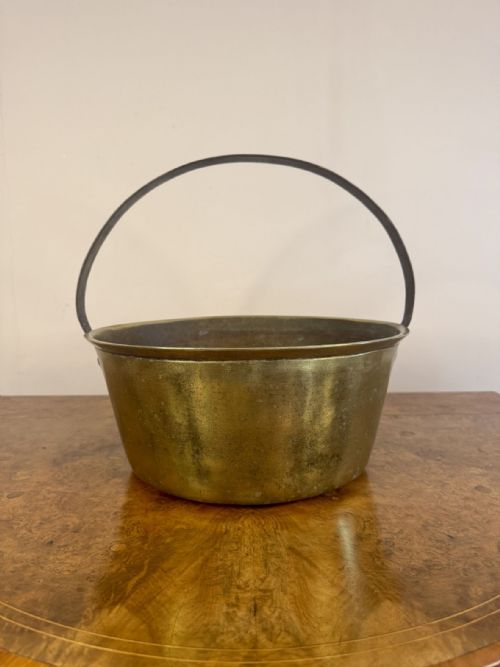
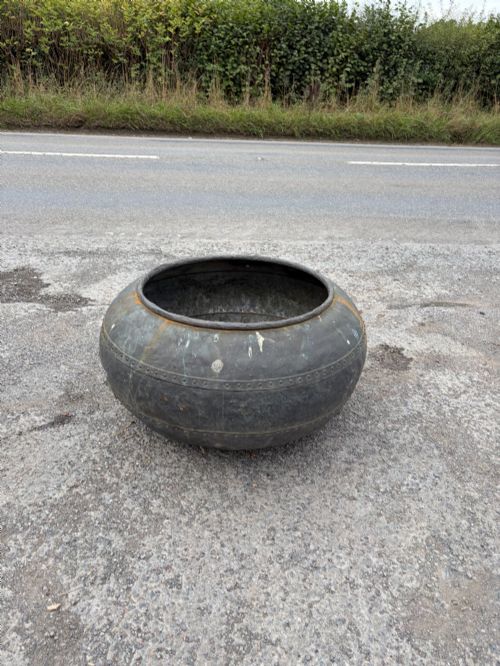
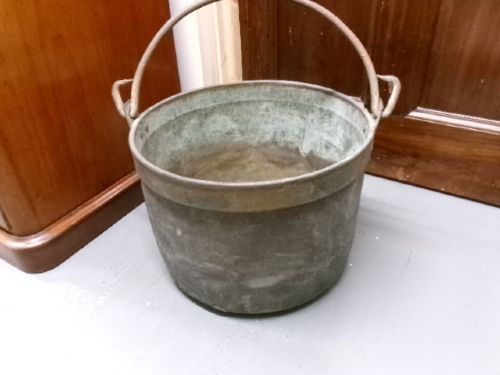
Forms range from small swing-handled brass pans to huge garden display pots with riveted seams. Many retain dual purposes, functioning equally well beside a fireplace or planted in a garden.
Materials and construction techniques
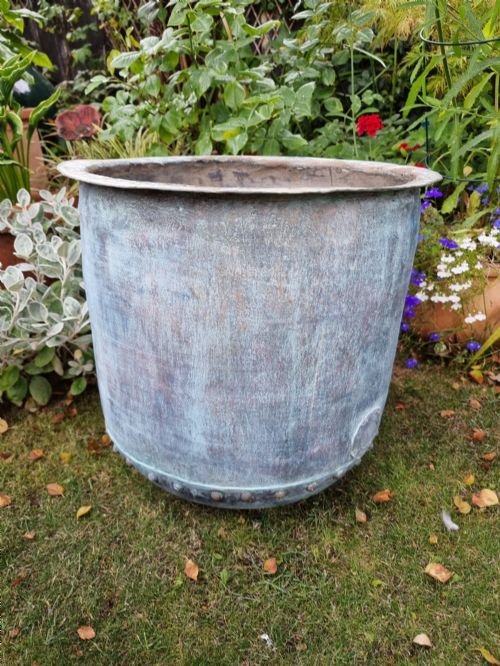
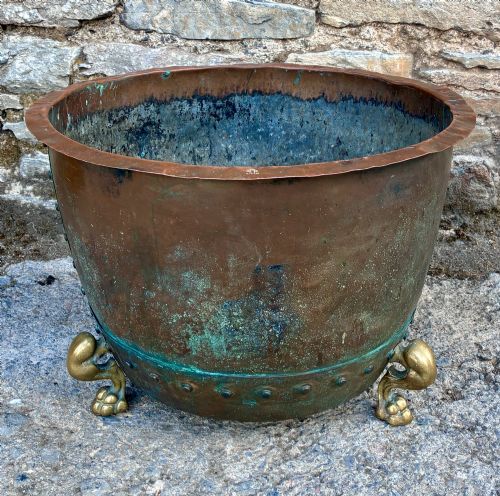
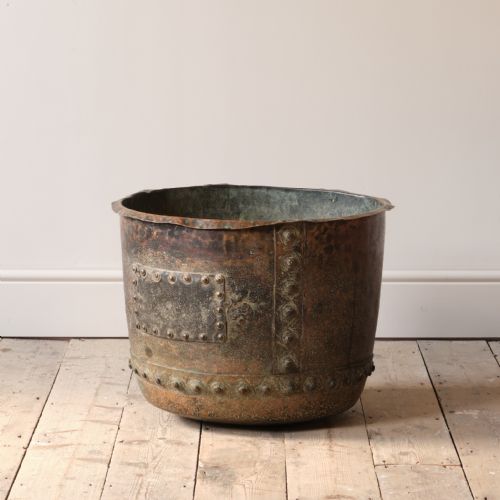
Constructed primarily from copper, iron, and brass, these vessels rely on durability. Smiths shaped sheet metal by hand, joining sections with visible rivets that provide both structural strength and distinct visual character.
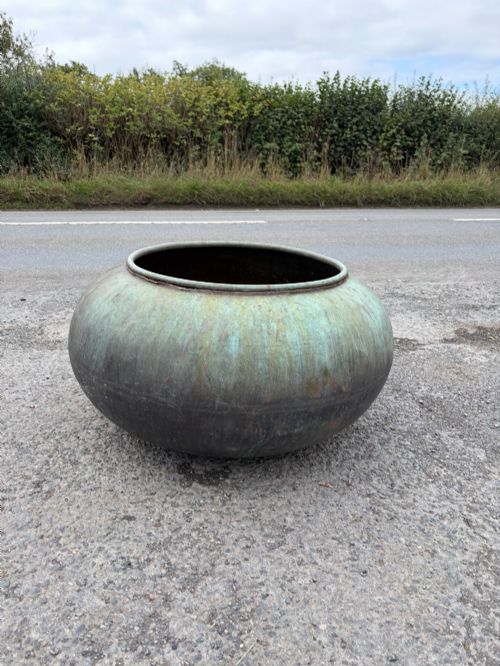
Wrought iron handles and swing bales allow heavy lifting, secured by sturdy brackets riveted directly to the body. Many items show traces of original patina, while others develop a natural verdigris finish over decades of exposure to moisture and air.
Metal Cauldron Planter Retail Price Guide 2026
Typical asking prices for metal cauldron planter among the pieces listed under this phrase on Sellingantiques today, from the lower quarter to the upper quarter. They describe what is for sale here now, not the wider market.
Several heavy copper vessels spent their early working lives boiling cheese in French provinces before retiring to British gardens.
Assessing construction and historical integrity
Quality rests in the heaviness of the metal gauge and the integrity of the original construction rather than surface perfection. Thicker copper walls resist denting and hold their shape better over generations of domestic use.
Attention to detail separates standard utility vessels from finer examples. Hand-beveled rims, tightly spaced rivets, and well-balanced wrought iron handles indicate superior craftsmanship from the workshop.
Henry Loveridge
The Metal Cauldron Planter Glossary
- Verdigris
- A green patina that forms naturally on copper, brass, or bronze when exposed to weather and moisture over time. This layer protects the underlying metal and adds historical depth to garden planters.
- Riveted
- Joined together using metal pins hammered flat on either side to secure overlapping plates. This technique is typical of nineteenth-century boilers and large pots before modern welding.
- Dinanderie
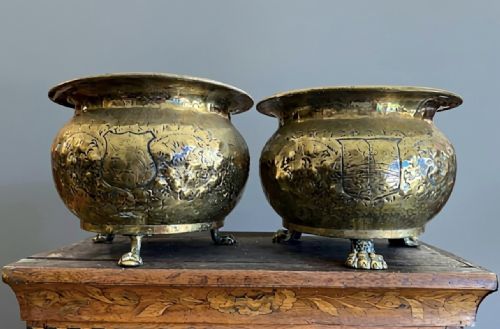
- European objects made of brass, copper, or bronze, often beaten or engraved. The term derives from the Belgian town of Dinant, known for brassware production.
- Swing handle
- A movable metal bail attached to opposite sides of a pot, allowing it to be lifted or tipped. These handles are usually forged from iron or cast in brass.
- Log bin
- A large container designed for storing firewood beside a fireplace. Many antique metal cauldrons are repurposed for this function today.
Metal Cauldron Planter: Frequently Asked Questions
Can I use an antique cauldron outdoors?
These metal vessels withstand outdoor conditions well, particularly copper and cast iron pieces that weather naturally in gardens. Ensure proper drainage if planting directly inside them to prevent standing water.
Positioning them on gravel or paving protects the base from constant dampness and preserves the integrity of the metal over years of seasonal changes.
How do I clean a copper planter?
Wash the surface gently with warm soapy water and a soft cloth to remove dirt without disturbing the historical patina. Avoid harsh abrasives that strip away the aged character accumulated over the nineteenth century.
Many collectors prefer to leave the verdigris finish intact because it displays the authentic history of the piece. Polishing is entirely optional and depends on personal taste regarding shine versus age.
How do I date a nineteenth-century metal pot?
Dating relies on manufacturing methods, such as hand-beaten sheet metal and iron rivets used before machine pressing became common. Stylistic clues from the Victorian and Georgian periods also help narrow down the decade of production.
Makers' marks or stamps, when present, provide definitive evidence of origin and workshop attribution.