



Rustic Iron Vessel
A rustic iron vessel brings utilitarian history into a modern room, combining heavy metalwork with timber or earthenware.
Rustic Iron Vessel
When you search for a rustic iron vessel, you encounter utilitarian objects spanning the eighteenth, nineteenth and early twentieth centuries. These pieces encompass fireplace accessories, log bins, decorative vessels, planters and kitchenware.
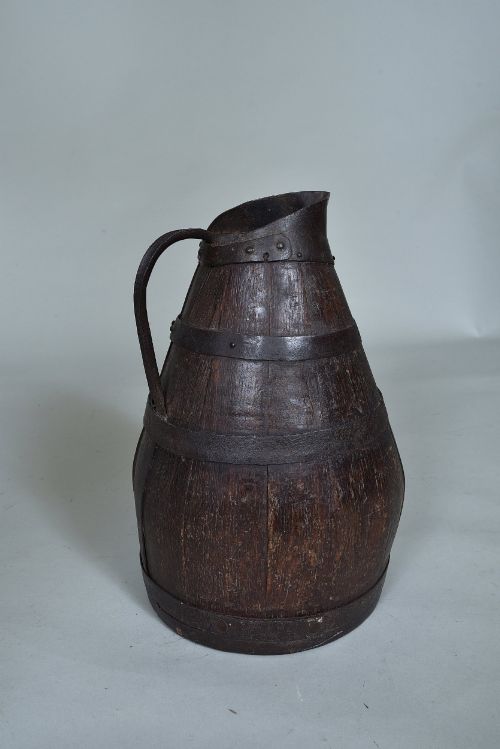
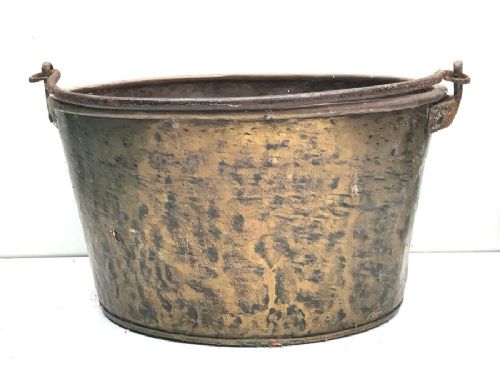
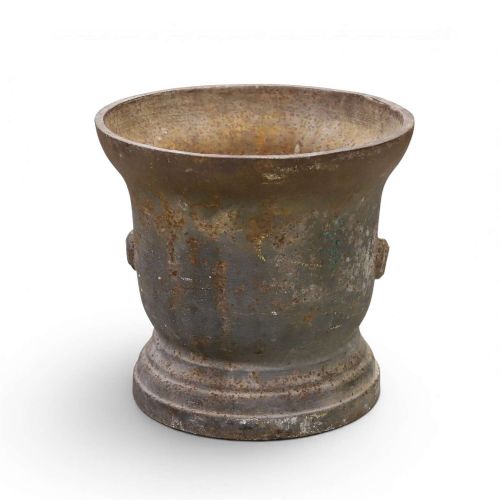
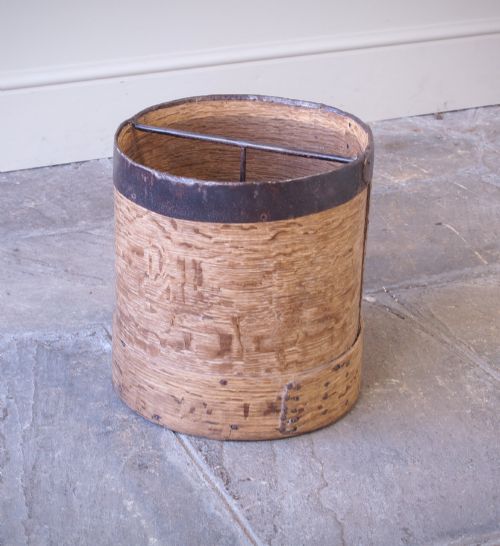
The selections on this page draw from English and French country traditions, industrial workshops and chateau kitchens. You will find items that began as grain measures, boiling coppers, mortars, cauldrons and well buckets.
Vessels made solely of iron appear alongside hybrids pairing iron with copper, oak, timber and terracotta. Many examples feature wrought iron swing handles, iron bands or mounting brackets attached to wood and ceramic.
Materials and construction techniques
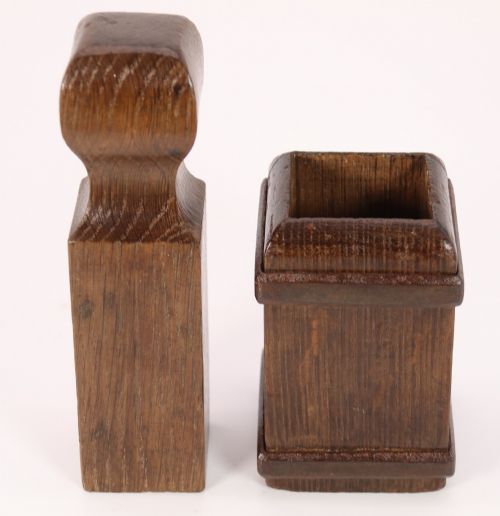
Blacksmiths shaped wrought iron and cast iron into structural handles, bands, legs and mortars, utilising the metal's strength for daily labour. Coopers built wooden barrels, grain measures and oyster buckets using oak and timber bound with tight metal hoops.
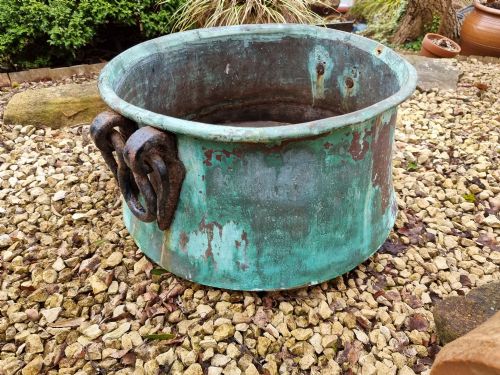
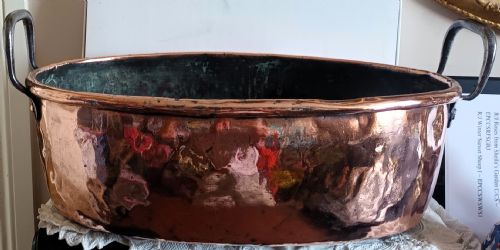
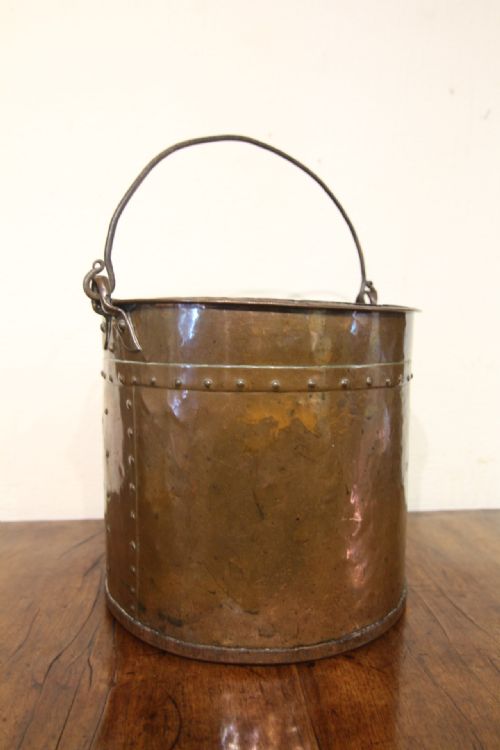
Coppersmiths hammered sheets of copper into cauldrons, pots and cream setting pans, often securing the edges with visible rivets. Potters turned terracotta into olive jars, planters and demijohn carboys, frequently pairing these fragile bodies with protective iron baskets.
Rustic Iron Vessel Retail Price Guide 2026
Typical asking prices for rustic iron vessel among the pieces listed under this phrase on Sellingantiques today, from the lower quarter to the upper quarter. They describe what is for sale here now, not the wider market.
Listings feature items dated from the eighteenth century up to nineteen-twenty, combining iron, copper, oak and terracotta.
Evaluating craftsmanship and condition
Quality rests in the integrity of the original construction, whether hand-hammered copper seams, secure dovetailing on wooden staves or cleanly cast iron surfaces. Superior examples retain their authentic handles, original iron mountings and honest patination gathered through decades of work.
Wear tells the history of the object, showing in verdigris on copper, oxidation on iron and the weathered grain of oak. Pieces with intact structural proportions and uncompromised metalwork stand apart from heavily altered or mismatched assemblies.
The Rustic Iron Vessel Glossary
- Wrought iron
- Iron beaten into shape by a blacksmith while hot. This material provides the tough, fibrous handles and straps found on heavy vessels.
- Coopered
- Built from wooden staves fitted together and held tightly by external metal hoops. This technique formed water-tight buckets, barrels and log bins.
- Verdigris
- A green patina formed naturally on copper or brass over time through exposure to moisture and air. Collectors value this stable chemical film for its visual depth.
- Mortar
- A heavy bowl used with a pestle for crushing and grinding substances. Cast iron and stone examples served apothecary and kitchen needs.
- Demijohn
- A large, narrow-necked glass bottle used for holding liquids. Many survive protected inside original wire or iron carrier baskets.
Rustic Iron Vessel: Frequently Asked Questions
What were rustic iron vessels originally used for?
These pieces served practical domestic and agricultural functions in kitchens, farmyards and hearths. They hauled water, measured grain, heated water and stored logs or provisions.
Over time, items like cauldrons and boiling coppers transitioned from active work to decorative storage. Their robust construction allowed them to survive centuries of heavy handling.
How do I clean an old copper and iron pot?
Maintenance depends on whether you prefer a bright polished finish or an aged historic surface. Most collectors gently wash the piece with warm soapy water and dry it thoroughly.
Avoid harsh chemical abrasives that strip away the authentic patination and verdigris built up over generations. Preserving the surface maintains the historical character of the metal.
Are these old iron vessels waterproof?
Water retention varies based on the material combination and the condition of the joints. Coopered wooden buckets with iron bands may require the wood to swell before holding water.
Cast iron and solid copper vessels generally hold liquids, but older cracks, historic repairs or porous terracotta require checking before indoor use.
How can I date a nineteenth century metal vessel?
Dating relies on observing manufacturing marks, the style of the handles and assembly methods like hand-forging versus machine rolling. Eighteenth and nineteenth century pieces often display irregular hammer marks or hand-cut rivets.
Comparing the object's form to documented vernacular kitchenware and agricultural tools helps narrow down the decade of production.