


Rustic Iron Hearth Irons
These rustic iron hearth irons bring functional utility and hearthside character to a room, forged by hand for centuries of open fires.
Rustic Iron Hearth Irons
Rustic iron hearth irons comprise utilitarian fire accessories, andirons, and companion sets designed for traditional open fireplaces. These pieces originate predominantly from the eighteenth and nineteenth centuries, spanning Georgian, Victorian, and Arts and Crafts periods.
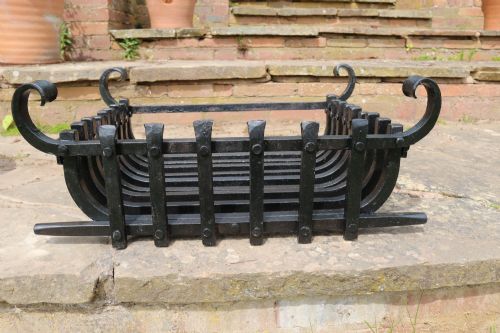
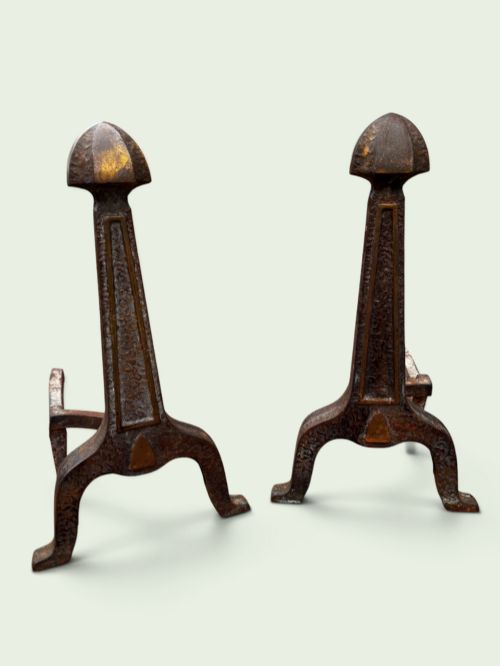
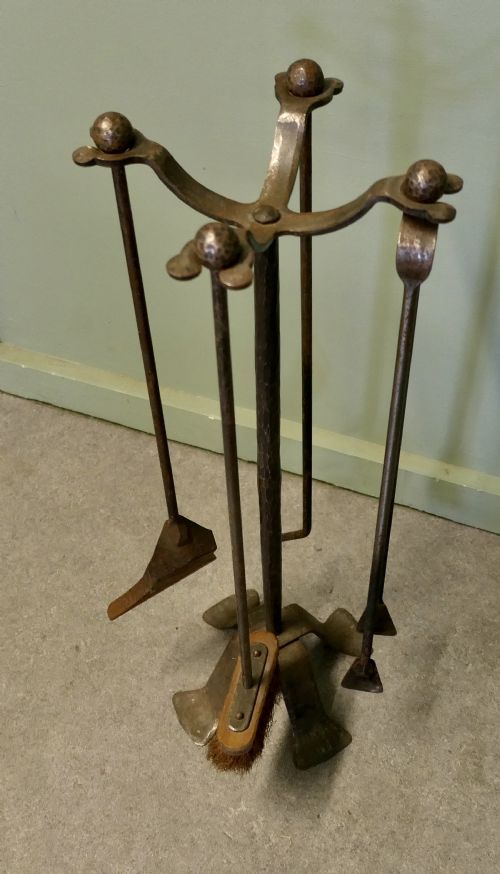
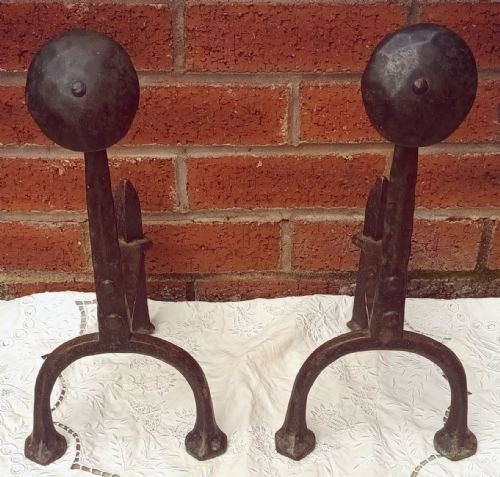
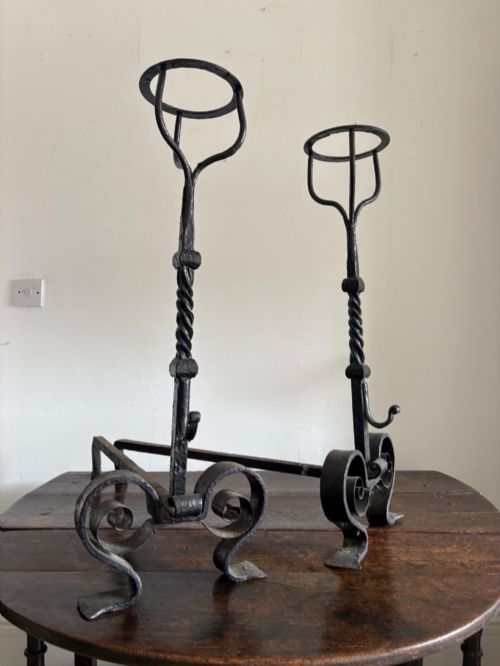
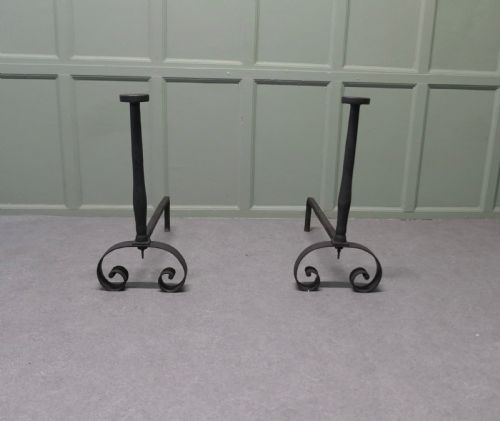
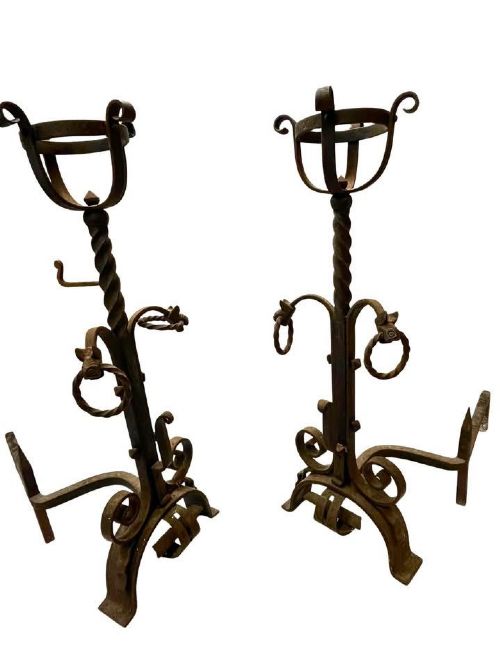
The version most commonly met on this page is the hand-forged wrought iron andiron or fire dog, often accompanied by utilitarian hearth tools and baskets. Pieces range from French country designs to English country house iterations, reflecting domestic warmth and practical utility.
Materials and construction
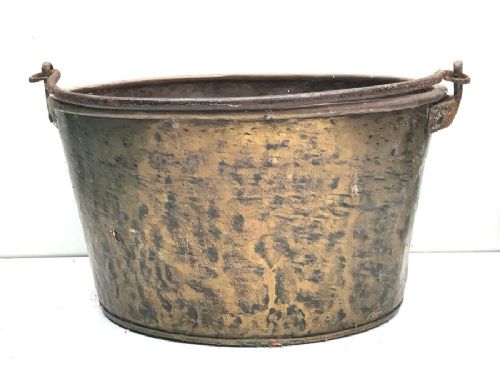
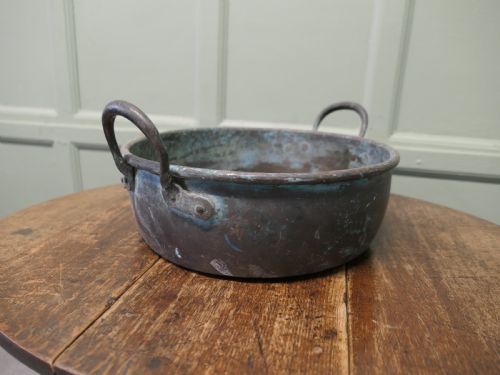
Blacksmiths shaped these items primarily from wrought iron and cast iron, utilising hand-forged techniques that left distinct hammered textures. Many examples incorporate supplementary materials such as copper, brass, oak, and pine for vessels and log bins.
Assembly relied on traditional joinery and sturdy iron hardware, uniting structural iron frameworks with riveted handles and durable mountings. Paint traces, original brass components, and timber elements appear alongside bare forged metal surfaces.
Listings span the eighteenth, nineteenth, and early twentieth centuries, incorporating wrought iron, copper, brass, and oak.
Assessing quality
Quality rests upon the skill of the blacksmith, evident in the fluidity of hand-forged scrollwork and the balance of heavy andirons. Weight and substantial gauge metal separate utilitarian domestic items from finer decorative pieces.
The integrity of original surfaces and surviving hardware dictates distinction. Traces of early paint, unpolished patination, and robust structural joinery distinguish superior period examples from later replacements.
The Rustic Iron Hearth Irons Glossary
- Andiron
- A horizontal iron support raised on legs, used to hold logs in an open fireplace. Pairs flank the hearth to keep fuel elevated for better air circulation.
- Trammel
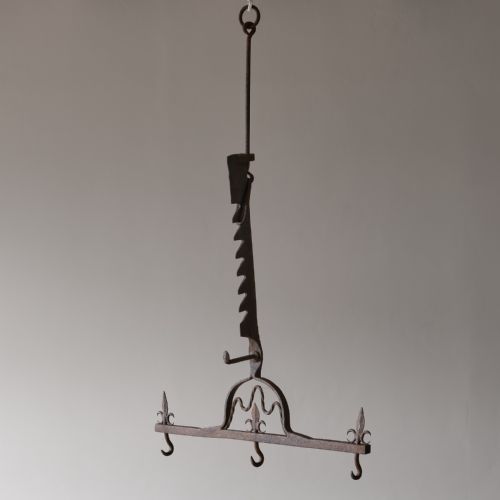
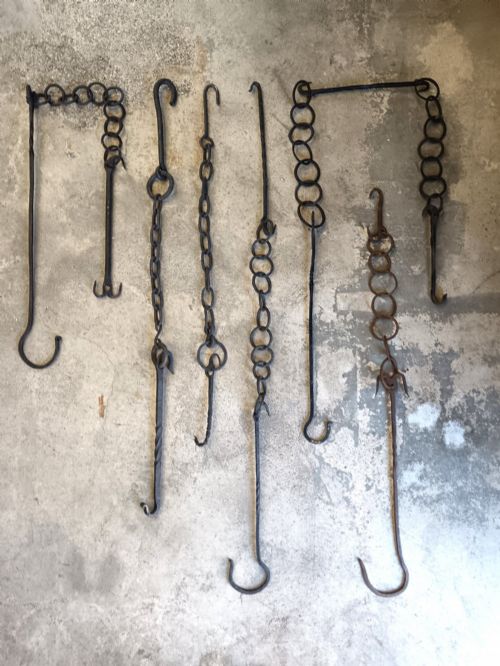
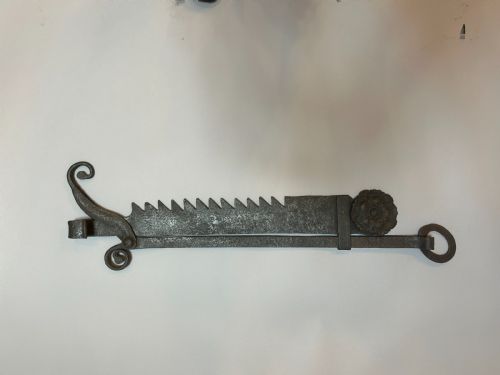
- An adjustable wrought iron hook used in chimneys to suspend pots and kettles over the fire. Early versions allowed precise height control for cooking.
- Log bin
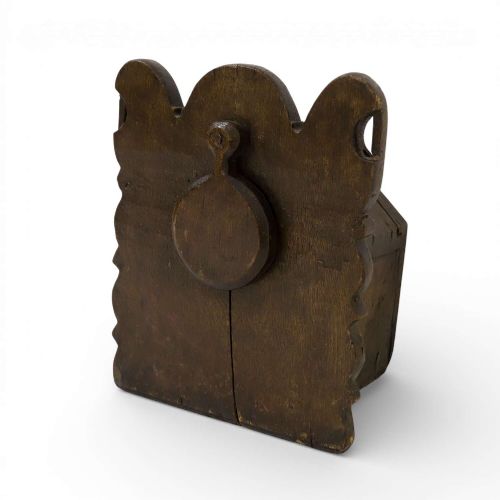
- A receptacle constructed from metal or timber to hold fuel beside the hearth. Examples combine iron banding with oak, pine, or copper bodies.
- Rush nip
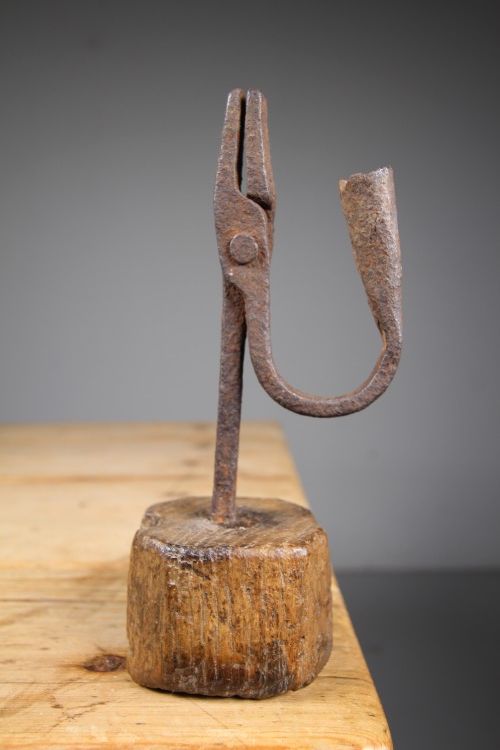
- A small device designed to hold burning rushes for illumination. These domestic items demonstrate simple utilitarian ironwork.
- Companion set
- A matched collection of fireplace tools kept together on a stand. Sets typically include pokers, tongs, and shovels for tending the fire.
Rustic Iron Hearth Irons: Frequently Asked Questions
What are rustic iron hearth irons used for?
These items serve practical roles around an open fire, from supporting logs to holding cooking vessels and tending embers.
Historically, they formed the central equipment of the domestic hearth before modern heating replaced open fires.
How do I date an iron hearth piece?
Dating relies on tool marks, construction methods, and stylistic cues from periods like the Georgian or Victorian eras.
Hand-forged textures and early hardware often point to eighteenth-century origins, while later nineteenth-century pieces show more standardised production.
Are these pieces suitable for active fireplaces?
Most wrought iron and cast iron items remain sturdy enough for regular use in a working fireplace.
Careful placement ensures that antique andirons and grates handle heat safely without compromising their historical integrity.
How should I clean antique ironwork?
Maintenance requires gentle dusting and occasional application of appropriate protective wax to prevent active corrosion.
Avoid abrasive cleaners that strip away the dark patination accumulated over centuries of hearthside service.