

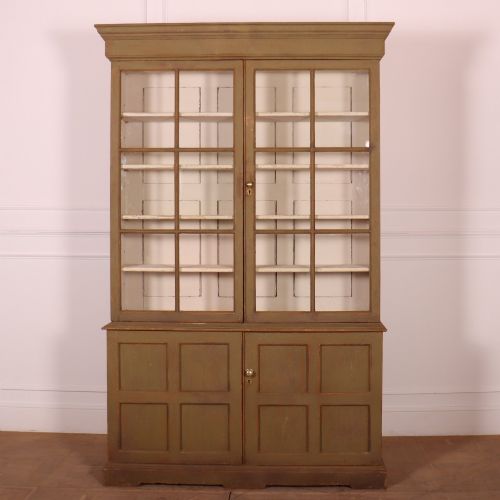

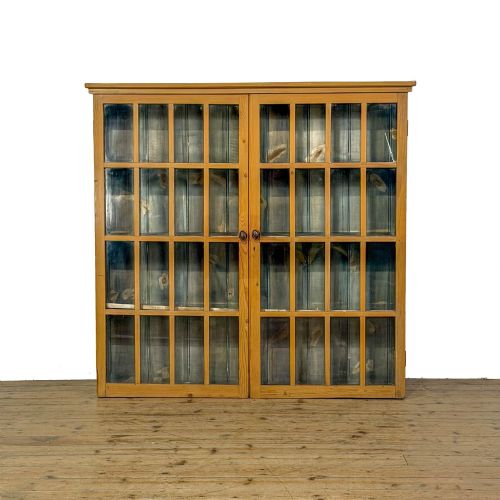
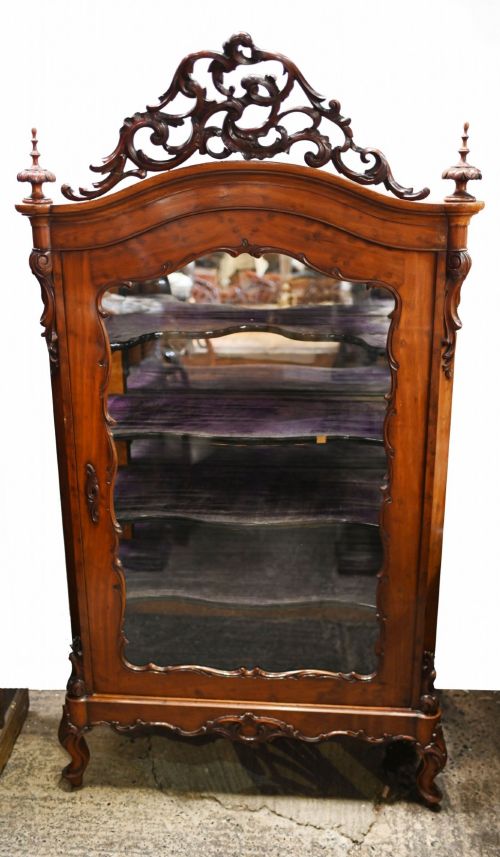
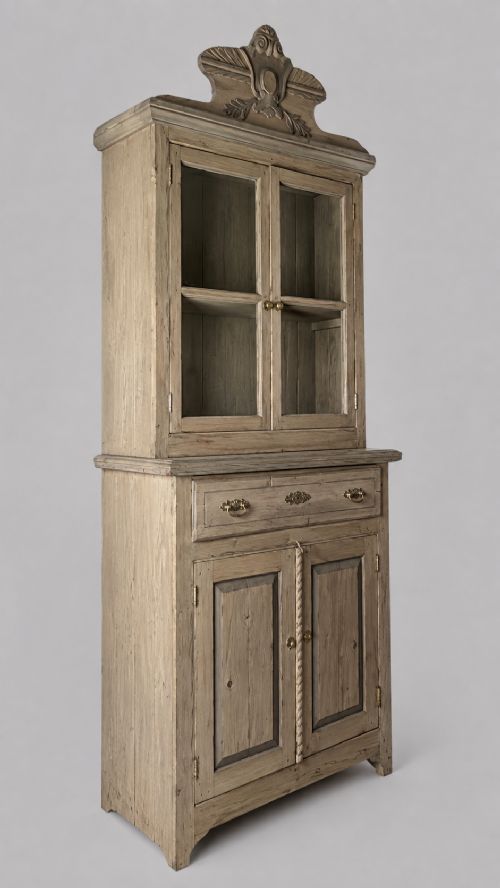
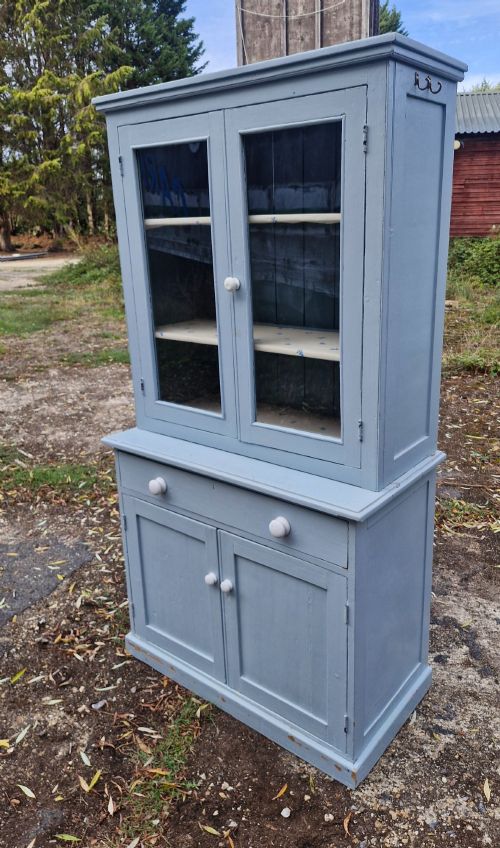
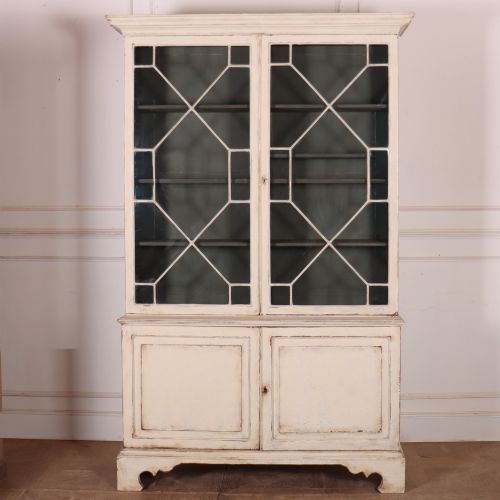
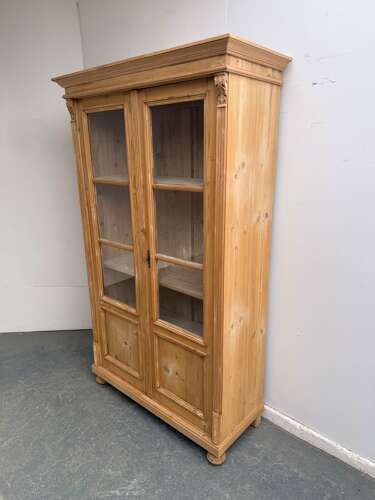
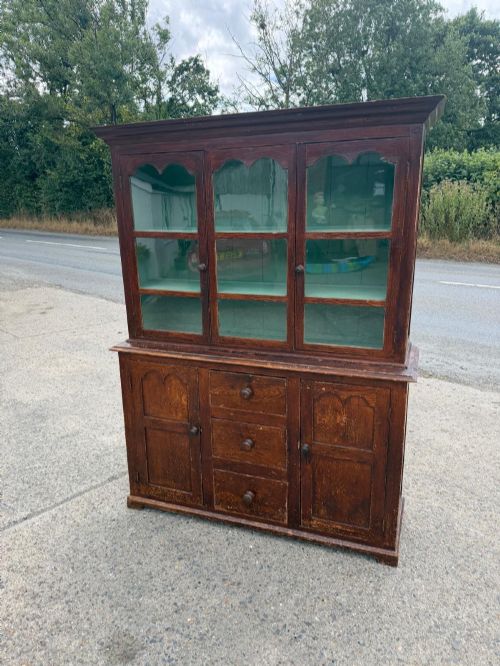
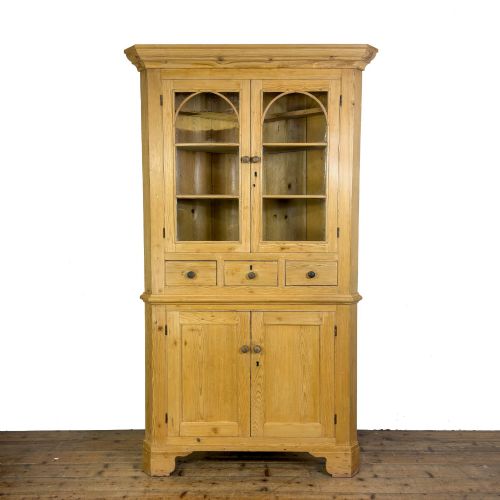
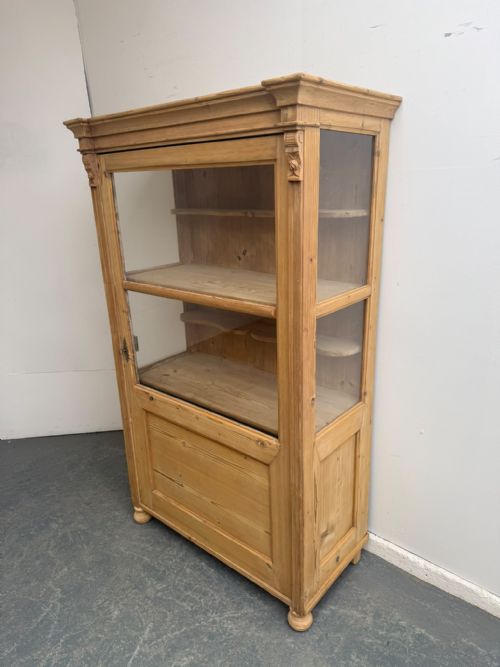
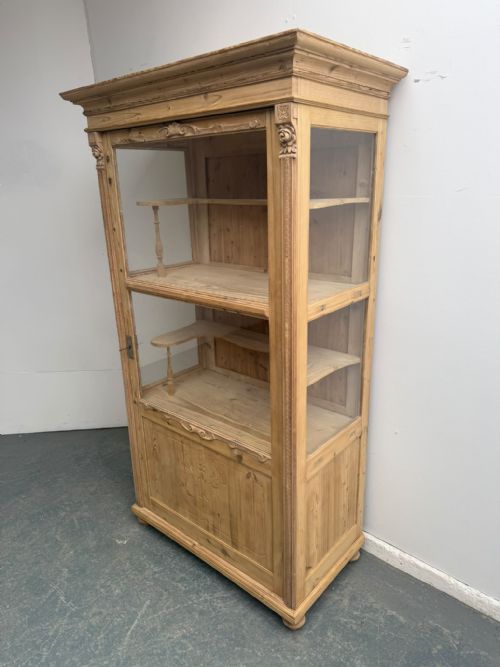
Rustic Glazed Bookcase
These rustic glazed bookcase pieces bring practical storage and aged character to a room, offering glazed upper doors and sturdy timber frames that collectors prize for everyday use.
Rustic Glazed Bookcase
When you search for a rustic glazed bookcase, you encounter a variety of practical timber storage forms originating from English, French, and Italian workshops. These pieces span the eighteenth and nineteenth centuries, alongside early twentieth-century examples.
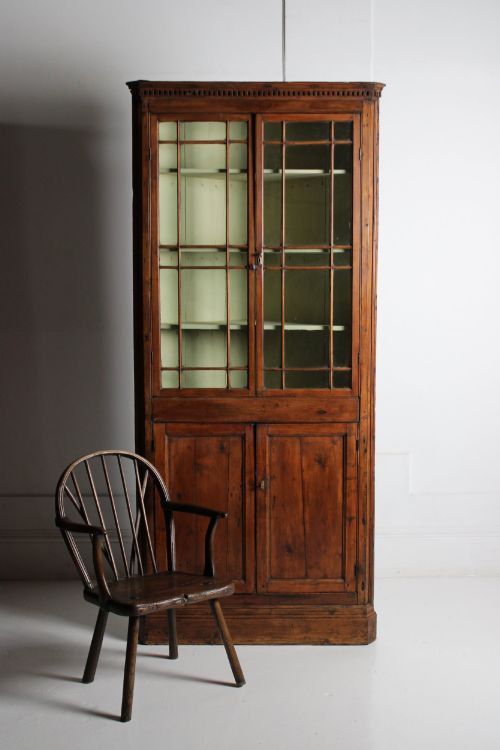
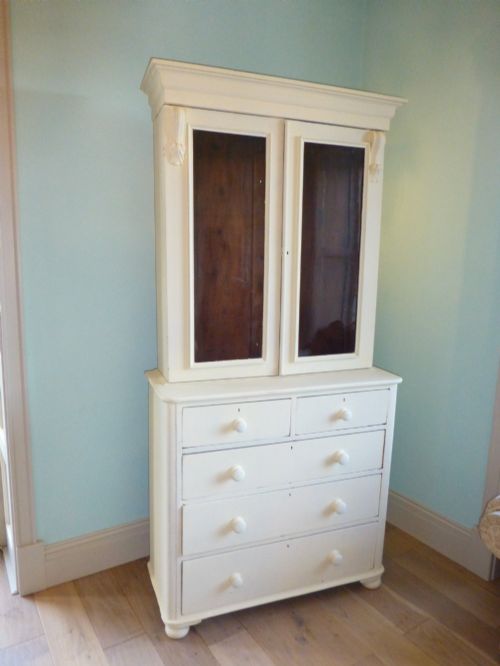
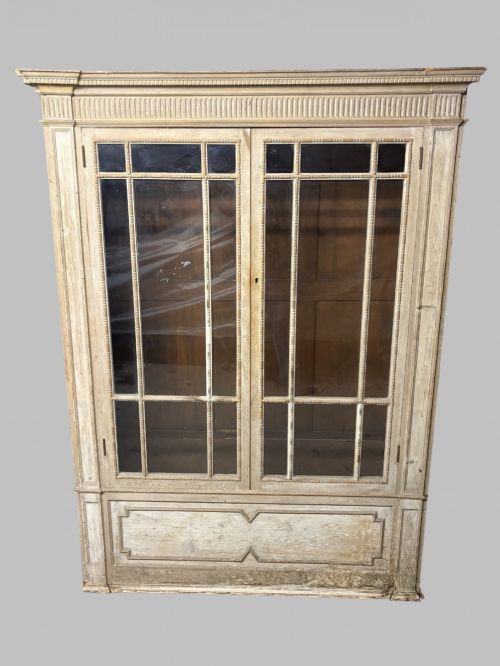
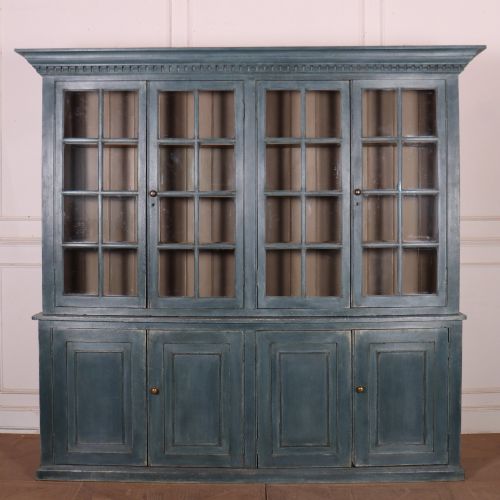
The selection on this page relies heavily on pine kitchen cupboards, dressers, and two-part display cabinets fitted with glass doors. Many examples display original painted finishes, waxed surfaces, or stripped timber.
Regional vernacular pieces, such as West Country dressers and French provincial vitrines, dominate the available selection. Buyers find everything from corner cupboards to large two-part modular storage units.
Materials and construction methods
Makers utilised solid pine, oak, mahogany, and walnut, often pairing softer timbers like pine with hardwood shelves or framing. Timber panels were frequently joined using traditional pegged or dovetailed construction.
Glass panes are set into wooden framing for the upper display sections, while lower compartments often utilise solid timber doors. Iron and brass hinges, latches, and pulls provide the working hardware across these cabinets.
Rustic Glazed Bookcase Retail Price Guide 2026
Typical asking prices for rustic glazed bookcase among the pieces listed under this phrase on Sellingantiques today, from the lower quarter to the upper quarter. They describe what is for sale here now, not the wider market.
One vintage pine cupboard proudly carries a later sign written for Hovis Bread.
Factors separating cabinet quality
Quality rests in the proportion of the carcass, the integrity of the original timber, and the preservation of early painted or waxed surfaces. Pieces retaining their untouched regional character command greater interest than heavily altered examples.
The construction of the glazed doors and the weight of the timber framing indicate the standard of joinery. Finer pieces demonstrate careful attention to internal shelving and balanced proportions between upper and lower sections.
The Rustic Glazed Bookcase Glossary
- Vitrine
- A glass-fronted cabinet designed for displaying objects or books. These pieces usually feature large glazed panels to showcase the contents.
- Two-part
- A cabinet constructed in two separate sections, typically a glazed upper bookcase or cupboard resting upon a larger base unit.
- Vernacular
- Objects made by local craftsmen for everyday regional use rather than high-style urban workshops. These pieces reflect local building traditions and available materials.
- Stripped pine
- Furniture from which later paint or dark varnish has been removed to reveal the raw timber underneath. This finish highlights the grain and knots of the wood.
- Secretaire
- A cabinet incorporating a pull-down writing flap revealing small drawers and pigeonholes. It combines desk space with enclosed storage.
Rustic Glazed Bookcase: Frequently Asked Questions
How do I date a pine bookcase?
Dating relies on examining construction marks, such as hand-cut dovetails, handmade glass in the doors, and the type of fixings used. Older pieces often show irregular saw marks and pegged joints rather than modern screws.
Changes in proportion and the style of the cornice also help determine whether a cabinet originates from the eighteenth century or later Victorian periods.
Can these cupboards support heavy books?
Most pieces feature solid timber shelving designed to hold domestic objects, kitchenware, or libraries. Inspecting the thickness of the shelves and their internal supports clarifies their capacity.
Older pine and oak shelves can bow under heavy loads over time, so redistributing weight or adding discreet supports may be necessary for extensive collections.
Are painted finishes original?
Some pieces retain their first surface paint, while others have been decorated or stripped during later decades. Signs of natural wear, crackling, and layers beneath the surface indicate age.
Examining the edges and recesses of the woodwork reveals whether paint was applied recently or applied during the working life of the furniture.
How do I care for waxed pine furniture?
Maintaining waxed surfaces involves occasional application of traditional beeswax to nourish the timber and prevent drying. Avoid placing these cabinets near direct heat sources or strong sunlight.
Dusting with a soft, dry cloth preserves the finish without stripping the natural patina built up over centuries of use.