

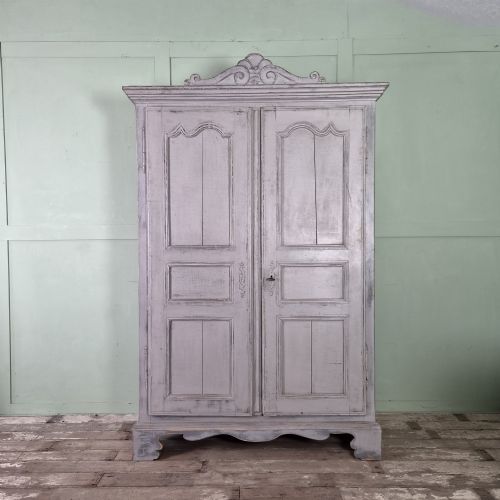
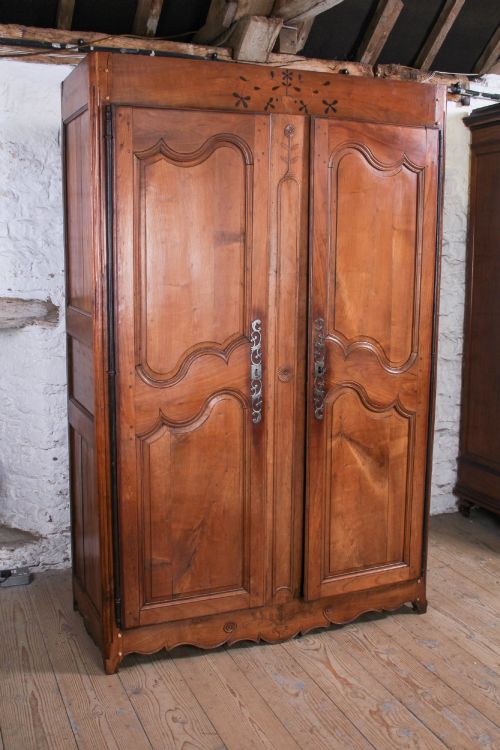
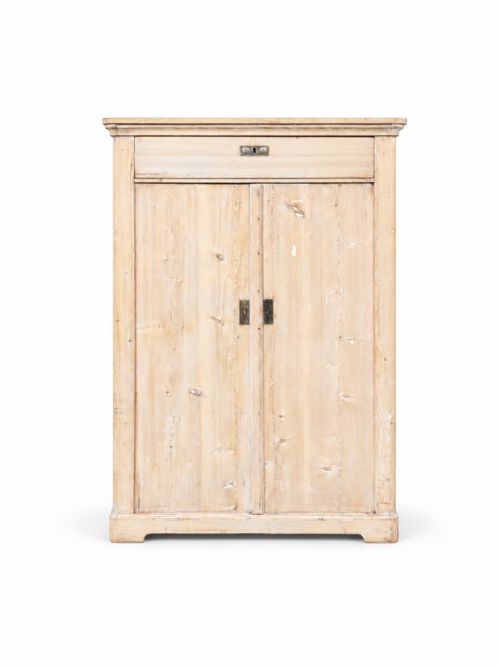
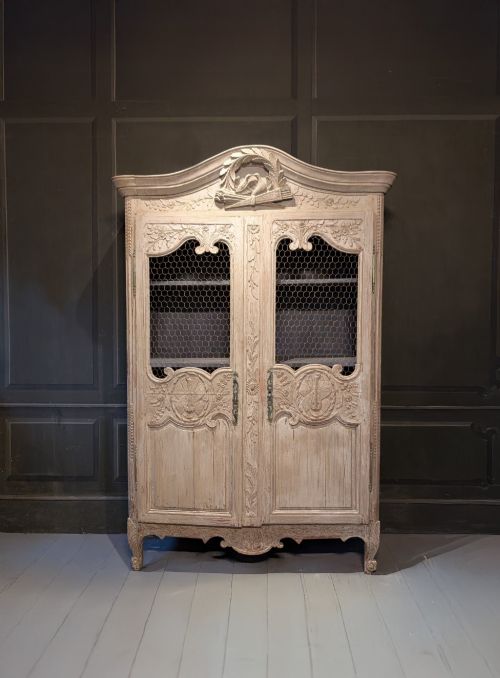


Rustic French Armoire
A rustic french armoire brings provincial utility and heavy timber presence into a room, offering generous storage built for daily provincial life.
Rustic French Armoire
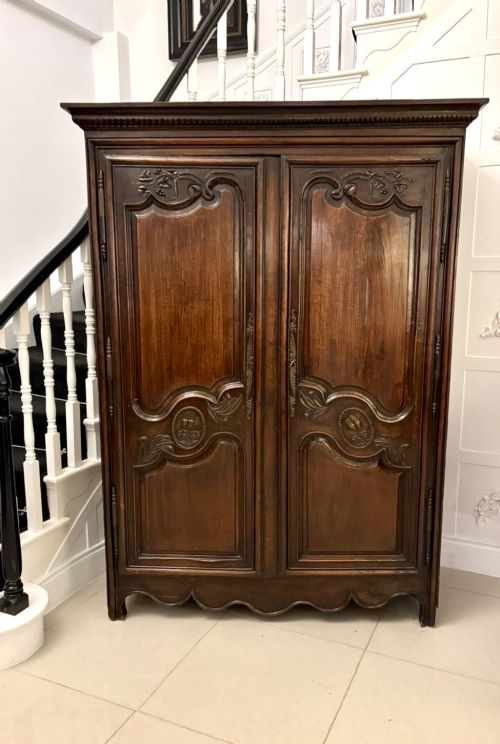
A rustic french armoire provides large-scale storage through wardrobe, cupboard, and linen cabinet forms originating from regional provinces. These substantial pieces serve as foundational storage furniture in bedrooms and living spaces alike.
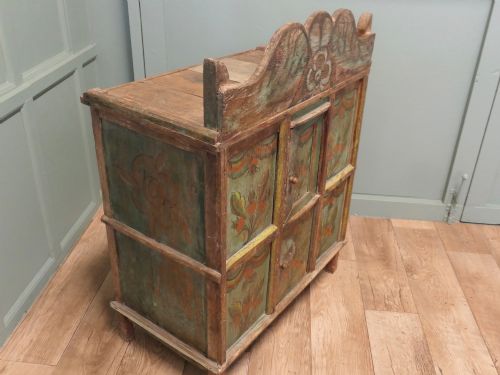
The pieces on this page span the eighteenth and nineteenth centuries, including Victorian eras and specific regional styles such as Louis Philippe, French Provincial, and Breton Folk Art. Oak and pine dominate the selection, often accompanied by chestnut, walnut, cherrywood, and painted wood finishes.
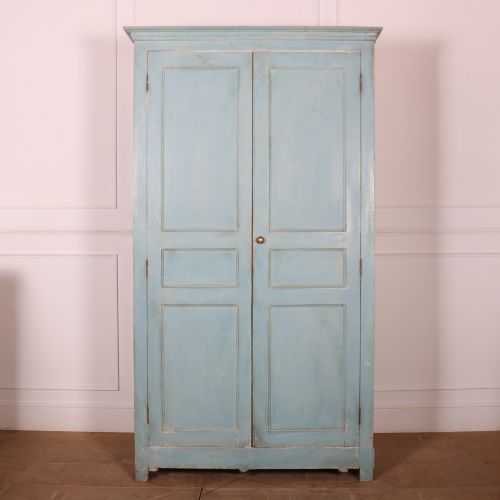
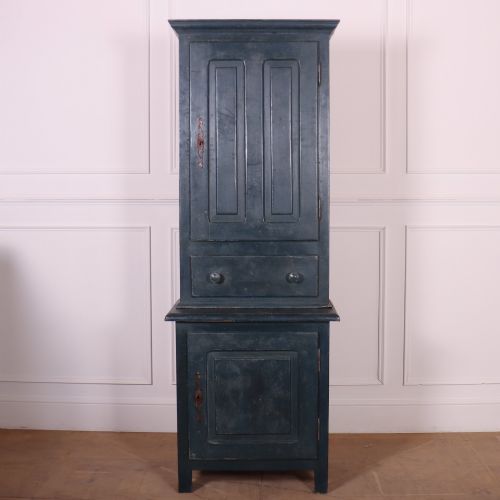
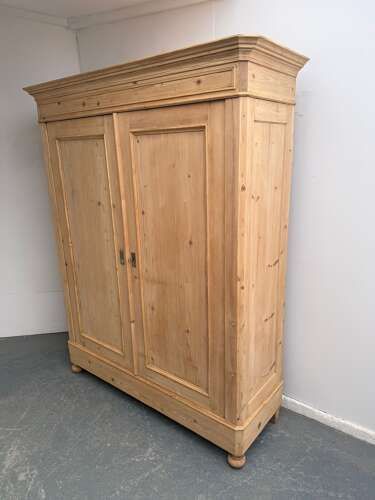
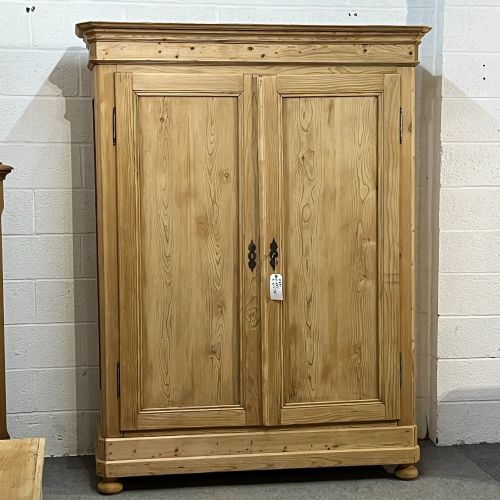
Buyers most frequently encounter nineteenth-century pine and oak variants, alongside eighteenth-century provincial food cupboards and mountain cabinets. These range from narrow single doors to wide double configurations with iron and brass hardware.
Materials and construction methods
Makers utilised solid regional timbers including heavy oak, durable pine, and warm cherrywood, joining boards with traditional pegged mortise and tenon construction. Many examples incorporate knockdown formats or clever modular builds like the lit-clos bed front cabinet from Brittany.
Surfaces show the hand of the maker through carved detailing, panelled doors, and layered painted finishes designed to protect the wood or brighten provincial interiors. Iron hinges, locks, and brass escutcheons secure the heavy doors while providing functional contrast to the natural grain.
Rustic French Armoire Retail Price Guide 2026
Typical asking prices for rustic french armoire among the pieces listed under this phrase on Sellingantiques today, from the lower quarter to the upper quarter. They describe what is for sale here now, not the wider market.
Object types include armoires, vitrines, commodes, and mountain food cupboards from regional French provinces.
Factors of quality and distinction
The integrity of the original timber and structural framing defines the upper tier of these cabinets, particularly in eighteenth-century oak and carved walnut pieces. Depth of hand-carving and the preservation of early painted or bleached surfaces elevate regional folk art examples above plain utility pieces.
Proportion and scale dictate the visual weight of the armoire, with well-balanced cornices and harmonious door panels showing superior provincial craftsmanship. The survival of original ironwork, internal shelving configurations, and backboards without excessive replacement timber distinguishes the best preserved specimens.
The Rustic French Armoire Glossary
- Armoire
- A tall wardrobe or cupboard used primarily for hanging clothes or storing household linens. These pieces form the core of French provincial storage furniture.
- Lit-clos
- An enclosed bed structure from Brittany whose wooden front panels are sometimes repurposed into cabinets or cupboards. This regional adaptation yields distinctive panelled doors.
- Escutcheon
- A protective plate surrounding a keyhole, frequently cast in brass or iron. It shields the surrounding wood from wear caused by the key.
- Commode
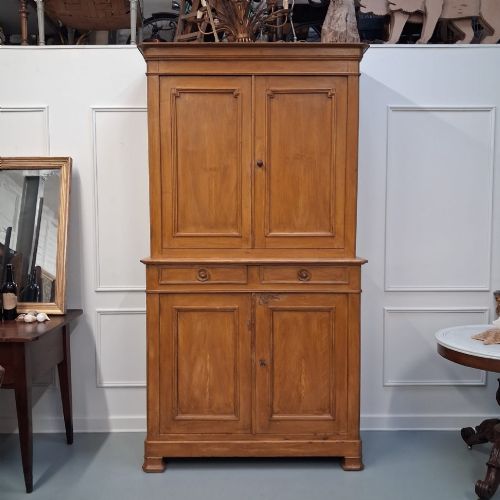
- A low chest of drawers or cabinet piece. Eighteenth-century examples occasionally pair with vitrines to form tall two-piece storage units.
- Cornice
- The decorative horizontal moulding crowning the top of a cabinet. It provides a finished architectural transition between the wall and the armoire.
Rustic French Armoire: Frequently Asked Questions
What is a rustic french armoire used for?
These large wooden cabinets function primarily as wardrobes, linen cupboards, and general storage units for clothing and household goods. Their deep interiors accommodate bulky textiles and everyday items.
Historically, provincial families relied on these heavy cupboards as central storage fixtures in farmhouses and village homes. Today, they serve the same practical purpose while adding architectural presence to modern rooms.
How do I date an 18th or 19th century armoire?
Dating relies on observing construction methods, timber selection, hardware types, and regional stylistic markers. Eighteenth-century pieces frequently feature heavy pegged oak and hand-carved panels, whereas nineteenth-century variants often utilise pine or cherrywood.
Examining the interior construction, backboards, and fastener types helps confirm the era of manufacture. Regional traits, such as Breton folk art carvings or Louis Philippe proportions, narrow down the specific period.
What is the difference between an armoire and a housekeeper cupboard?
An armoire is typically designed as a tall wardrobe with deep space for hanging garments or large shelves. Housekeeper cupboards historically served kitchen and linen storage needs, often featuring multiple smaller compartments and doors.
While both share provincial French origins, their internal layouts reflect different domestic uses. Housekeeper cupboards focus on stacked shelving and smaller storage zones, whereas armoires prioritise open vertical volume.
Are these armoires easy to move and assemble?
Many traditional provincial armoires were built with knockdown construction or multi-part assembly to facilitate transport through narrow farmhouse doors. Flat pack designs and modular pine cupboards allowed makers to dismantle heavy pieces easily.
Checking the construction reveals whether a piece disassembles into sections, cornices, and base units. This modular engineering remains a practical advantage when moving heavy timber furniture between rooms.