



Rustic Entryway Bench Seat
A rustic entryway bench seat brings practical history and solid character into a hallway, offering a sturdy perch for pulling on boots.
Rustic Entryway Bench Seat
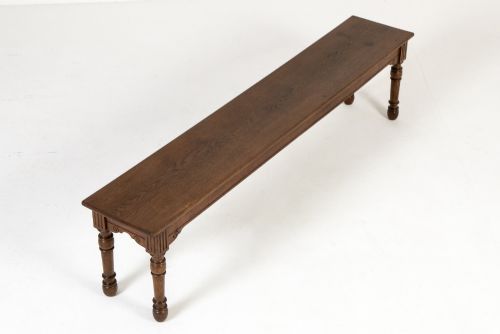
A rustic entryway bench seat encompasses traditional forms such as hall benches, settles, and window seats designed for transition spaces in a home. These items emerge from periods ranging across the eighteenth, nineteenth, and early twentieth centuries, reflecting diverse regional workshops.
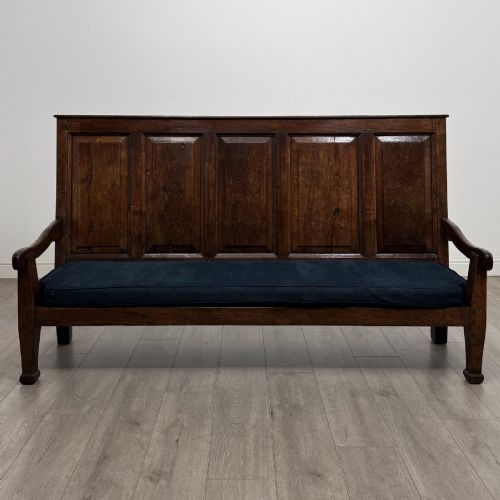
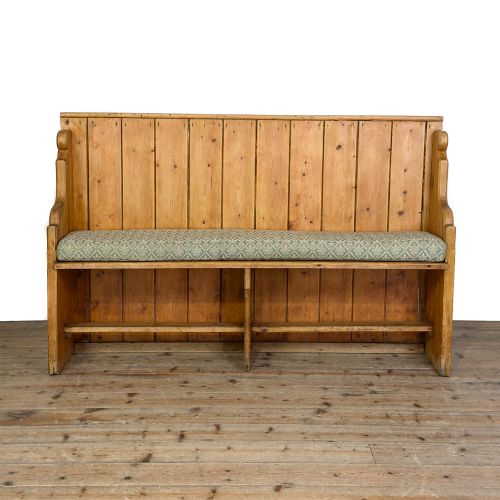
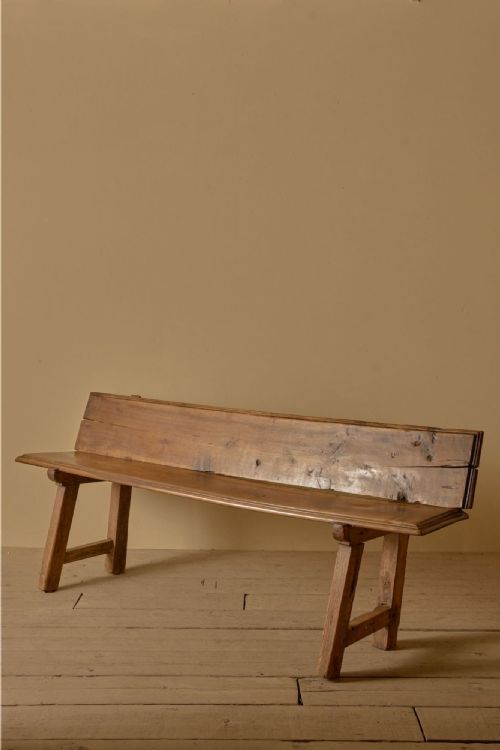
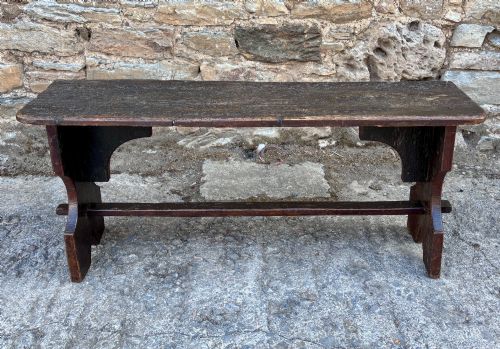
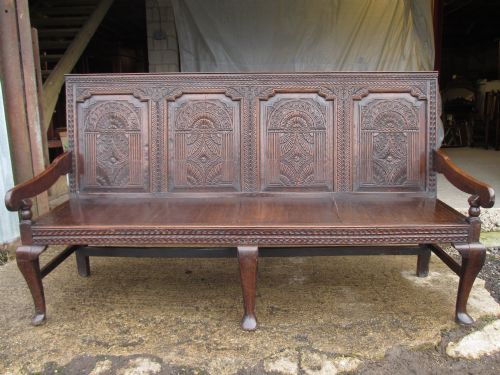
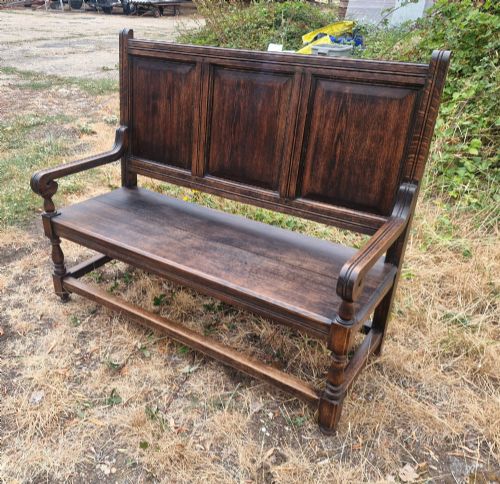
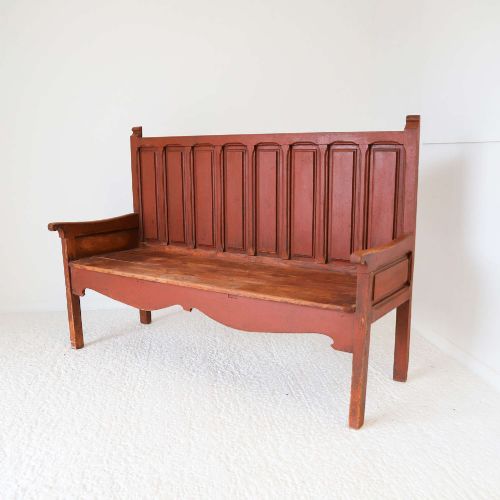
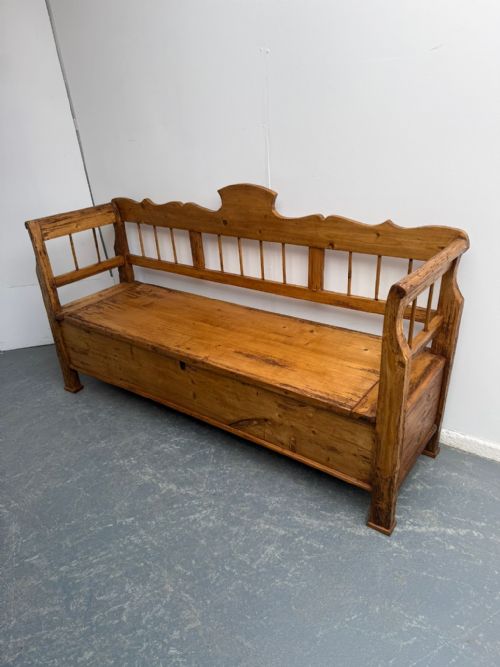
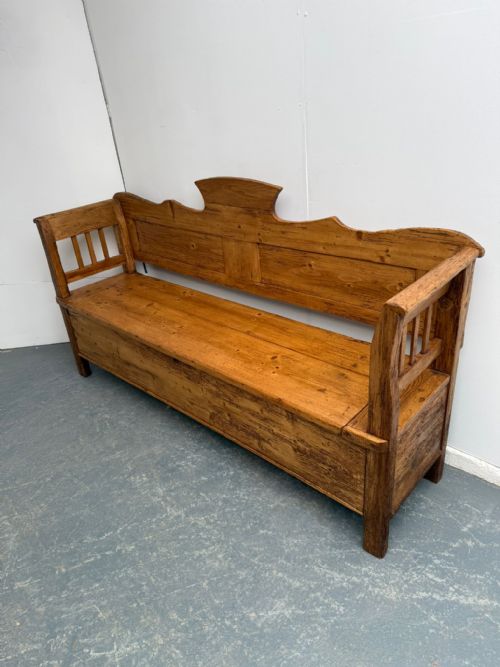
The most common iterations on this page take the form of pine church pews, oak settles with panelled backs, and country pine benches. Buyers encounter both high-backed box settles intended to block draughts and simpler open benches suited for modern hallways.
Origins span English country and French provincial traditions, alongside Spanish, Hungarian, and Austrian examples. This geographical mix brings varied proportions, from neat primitive country pieces to large multi-seater settles.
Materials and construction methods
Makers relied primarily on solid timbers such as pine, oak, cherrywood, fruitwood, and elm. These woods were chosen for structural durability and worked with hand tools to form robust tenon joints and panelled backs.
Surface finishes include natural wax, applied paint, liming, and scumble effects. Details like rush seating, iron hardware, and carved wooden panels complete the construction of these utilitarian household items.
Rustic Entryway Bench Seat Retail Price Guide 2026
Typical asking prices for rustic entryway bench seat among the pieces listed under this phrase on Sellingantiques today, from the lower quarter to the upper quarter. They describe what is for sale here now, not the wider market.
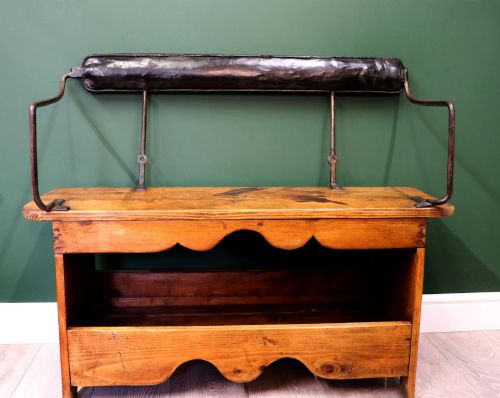
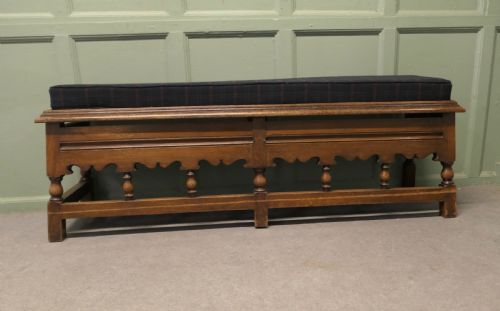
One listed settle comes equipped with a novel twist and a dedicated tweed window seat for country house arrivals.
Assessing quality and proportion
Quality rests in the integrity of the timber and the honesty of the construction, distinguishing honest country work from later adaptations. Original surface patination and untouched finishes separate better examples from heavily restored pieces.
The Rustic Entryway Bench Seat Glossary
- Settle
- A wooden bench with a high back, solid arms, and often a storage box beneath the seat. This form was originally designed to keep out cold draughts in farmhouse kitchens and halls.
- Scumble
- A decorative painting technique used to simulate the grain of more expensive woods over a cheaper base. It appears frequently on country pine furniture.
- Box settle
- A settle featuring a lidded compartment beneath the seat for storing household goods or garments. This design maximises utility in smaller living spaces.
- Panelled back
- A construction method using thin wooden panels fitted into grooved frames to prevent warping. This technique provides structural strength to tall hall seats.
- Rush seating
- Woven seat construction made from dried marsh grasses twisted into cords. It appears on lighter hallway benches and window seats.
Rustic Entryway Bench Seat: Frequently Asked Questions
How do I choose the right size for a hallway?
Measure the available floor space carefully, accounting for door swings and walking paths through the entrance. Consider the depth of the seat and whether a high back will overwhelm a narrow passage.
Shorter benches or window seats suit compact corridors, while larger box settles require generous wall space and provide substantial storage.
Were these benches originally made for hallways?
Many historical settles and benches began life in farmhouse kitchens, churches, or large halls rather than modern entranceways. Their primary function was providing communal seating near hearths or doorways to keep warm.
Over time, their robust construction and narrow profiles made them natural choices for welcoming visitors in domestic entryways.
How should I care for waxed antique pine?
Maintain waxed pine surfaces by dusting regularly with a soft, dry cloth to prevent grit accumulation. Apply a suitable beeswax polish periodically to nourish the wood and preserve the historical sheen.
Keep these wooden pieces away from direct heat sources and strong sunlight to prevent the timber from drying out or splitting.