
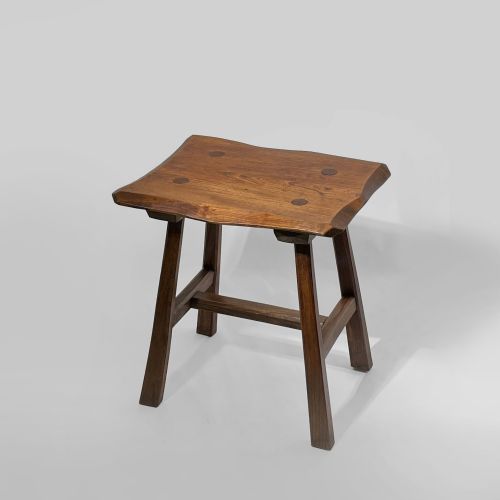

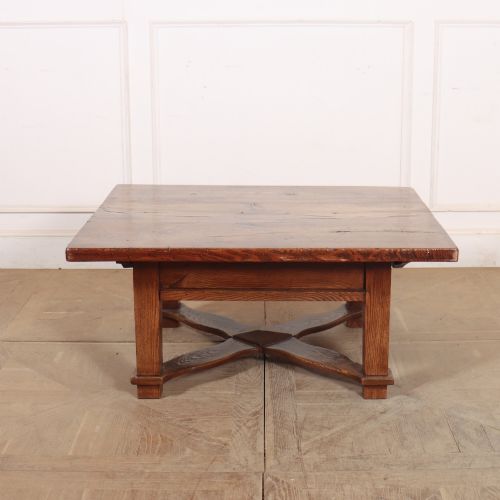


Rustic Elm Low Table
These rustic elm low tables bring warmth and character to a room through honest timber and simple country craftsmanship.
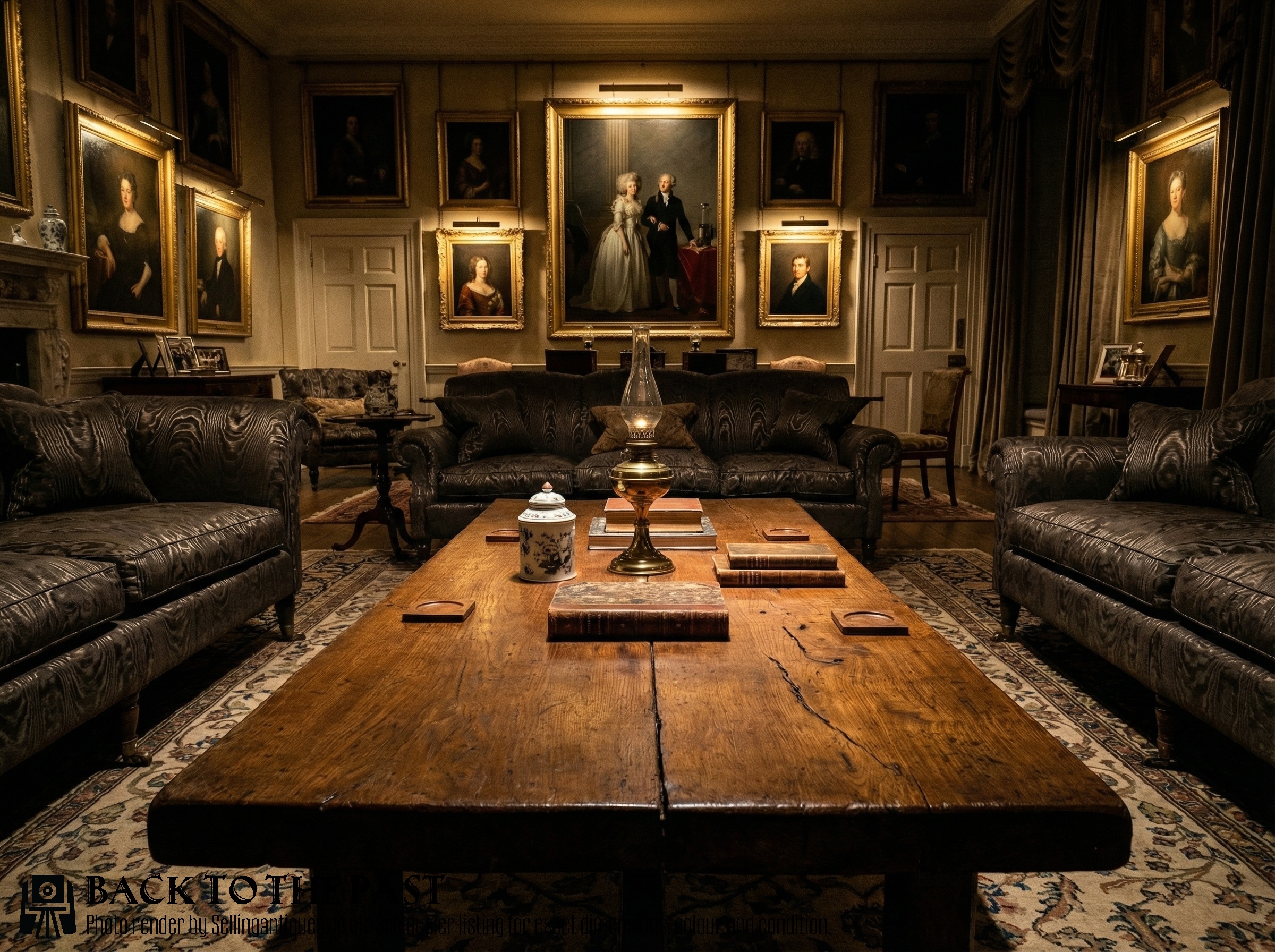
Rustic Elm Low Table
A rustic elm low table sits close to the floor, serving various domestic purposes from low coffee tables to repurposed benches and stools. Buyers searching for a rustic elm low table encounter pieces shaped by rural traditions across English, Austrian, and Chinese vernacular workshops.
The selection ranges widely in form and origin, spanning periods from the eighteenth century through the Edwardian era. You find sturdy plank-top trestle tables, round occasional pieces, and low benches alongside traditional dressers and side tables.
English provincial examples share space with Austrian country work and nineteenth-century Chinese elm coffee tables. This variety reflects how different rural cultures utilised local timber for low domestic surfaces.
Materials and construction methods
Makers built these low tables primarily from solid elm, valued for its tough, interlocking grain that resists splitting under heavy daily use. Workshops frequently paired elm with oak, sycamore, or other hardwoods, occasionally incorporating brass fittings.
Construction relies on straightforward joinery suited to vernacular furniture, featuring thick plank tops and sturdy legs. Surfaces often display the marks of early hand tools and decades of honest wear rather than high-gloss cabinet finish.
Current listings span the 18th century, 19th century, Edwardian period, and 1890, featuring elm, oak, sycamore, hardwood, and brass.
Judging quality and character
Quality in these pieces rests upon the integrity of the timber and the honesty of the construction. Tables with thick, well-figured elm tops and original structural framing command greater appreciation than heavily altered examples.
The appeal lies in the depth of surface patina earned through long domestic service. Pieces that retain their unpretentious proportions and authentic regional character demonstrate the truest expression of vernacular style.
The Rustic Elm Low Table Glossary
- Vernacular
- Everyday furniture made by regional craftsmen for local use rather than high-style urban design. It prioritises practical utility and local materials over fashionable ornamentation.
- Plank-top
- A surface constructed from solid boards joined edge to edge. This method provides a sturdy, stable top characteristic of heavy work tables and benches.
- Patina
- The surface sheen and colour developed by wood over decades of handling, light, and use. It serves as a visual record of an object's age and history.
- Trestle
- A supporting structure consisting of horizontal beams joined to vertical uprights. This design allows maximum legroom beneath long or low surfaces.
Rustic Elm Low Table: Frequently Asked Questions
Where do these low tables fit best?
These low tables suit living spaces where warmth and tactile timber grain take precedence over formal symmetry. Their modest height makes them natural coffee tables or accent surfaces before low seating.
They anchor contemporary interiors with a sense of history while serving daily domestic needs reliably.
How do I care for elm surfaces?
Elm responds best to gentle dusting and occasional treatment with natural beeswax to nourish the dry grain. Avoid excessive moisture and direct heat sources that can cause timber to split.
Allowing the wood to breathe preserves the authentic surface character built up over generations.
Are these pieces purely decorative?
These tables were built for hard domestic service, originating as work benches, milking stools, or low dining surfaces. Their solid construction makes them entirely practical for daily use in modern homes.
They combine robust utility with distinct sculptural presence.
How are different regional styles distinguished?
Regional identity shows in the choice of secondary woods, leg placement, and edge profiles. English provincial work differs visibly in proportion from Austrian country pieces or nineteenth-century Chinese elm forms.
Each tradition adapted the same tough timber to local domestic habits.