



Antique Plank Coffee Table
An antique plank coffee table brings solid timber grain and centuries of domestic utility straight into a modern sitting room.
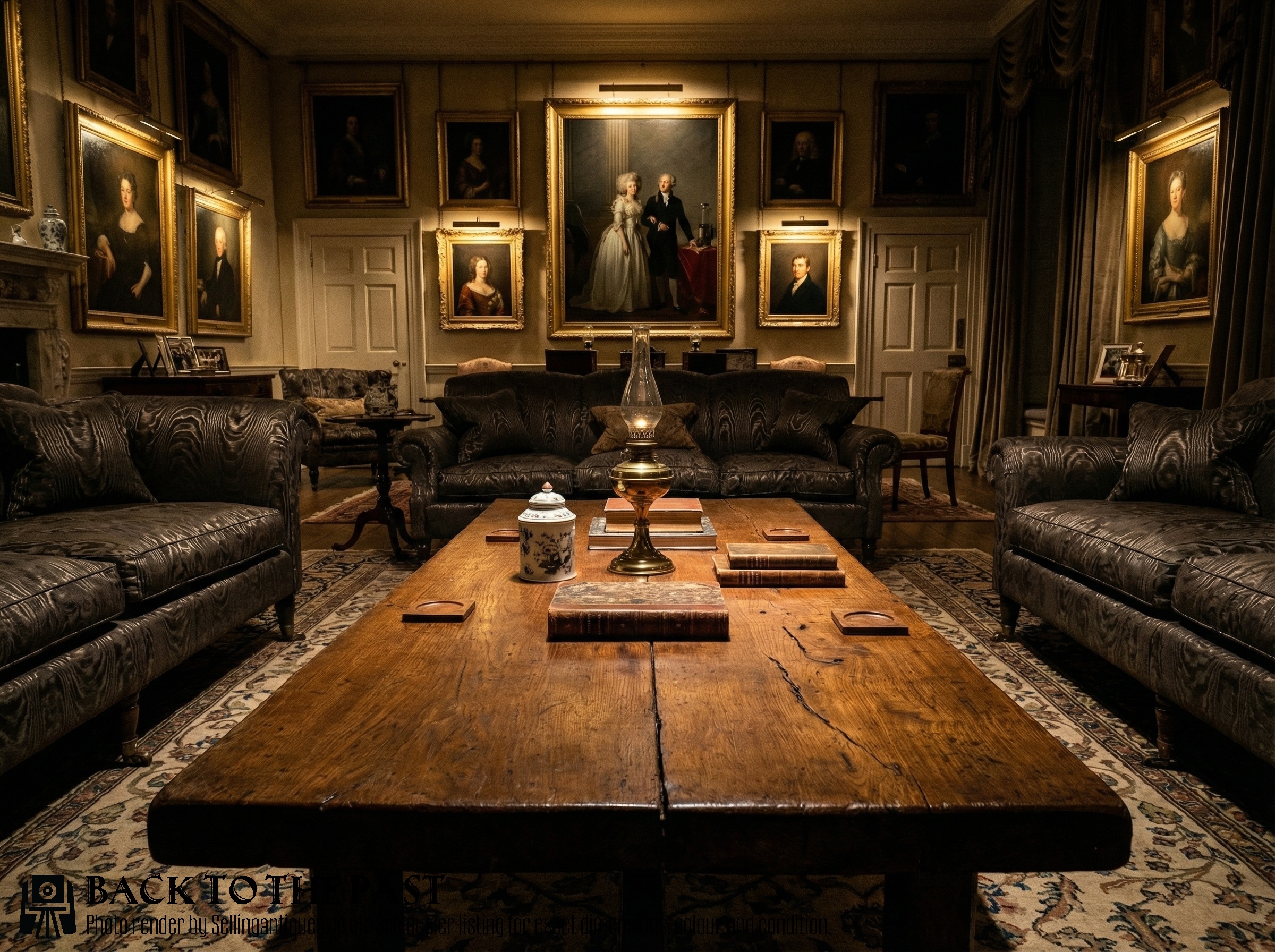
Antique Plank Coffee Table
An antique plank coffee table is a low surface built from solid timber boards, often repurposed from earlier kitchen tables, benches, or architectural elements. You will frequently meet 19th Century and 18th Century examples shaped by rustic country or farmhouse traditions.
How they were made
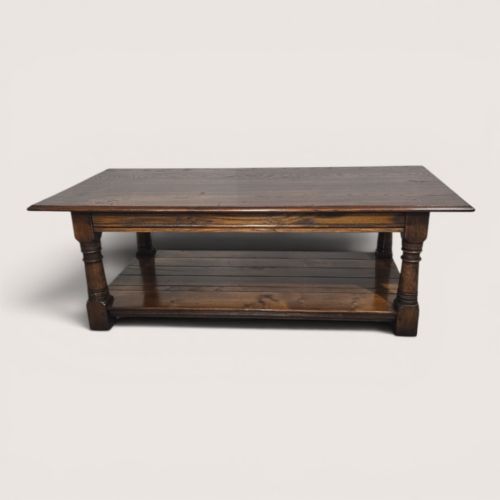
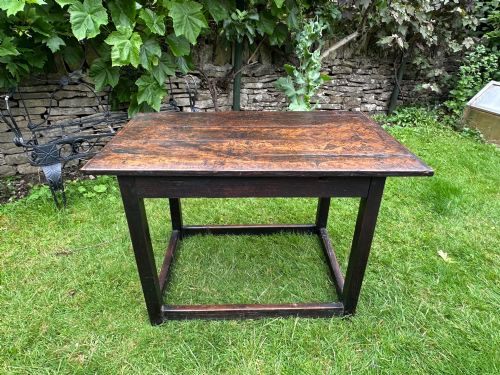
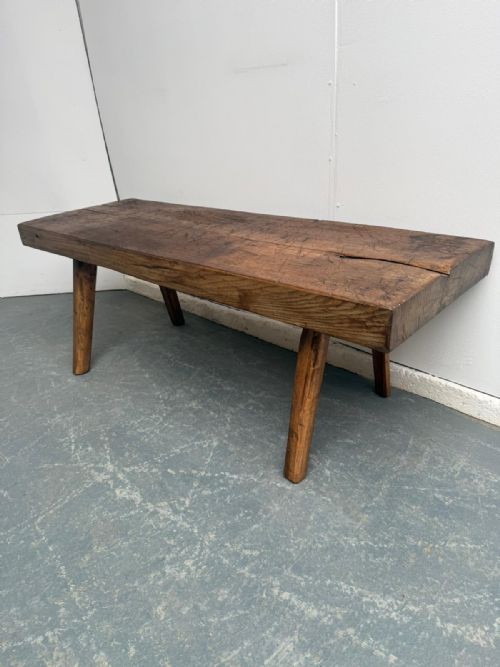
Carpenters constructed these pieces using dense domestic hardwoods like oak, fruitwood, elm, and pine, joined to sturdy timber bases or wrought iron supports. The primary surface relies on thick planks joined edge-to-edge to handle heavy daily tasks.
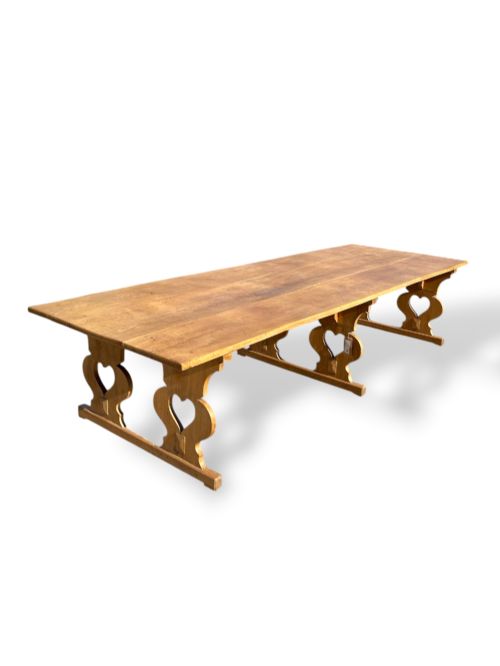
Finishes range from scrubbed raw timber to polished surfaces that highlight natural wood grain and burr walnut patterns. Simple side drawers or trestle ends frequently complete the construction without excessive ornamentation.
Listings feature timbers including oak, pine, elm, fruitwood, and burr walnut across 18th Century and 19th Century periods.
What varies in quality
The calibre of an antique plank coffee table rests on the depth of the timber grain and the integrity of the original boards. Superior examples display honest patination earned through decades of service rather than manufactured distress.
Proportion and scale distinguish finer pieces, particularly where narrow dimensions or balanced trestle supports elevate a utilitarian form. The choice of timber, from humble pine to rich fruitwood or burr walnut, dictates the visual weight of the table.
The Antique Plank Coffee Table Glossary
- Plank top
- A table surface constructed from wide boards joined side by side. This method was standard for early dining and work tables before sheet materials existed.
- Trestle table
- A form supported by two or more upright frames connected by a horizontal beam. This design provides robust stability for heavy timber tops.
- Patina
- The deep surface sheen and colour developed by timber over years of handling, polishing, and exposure to light. It is a hallmark of genuine age.
- Fruitwood
- Timber sourced from fruit-bearing trees such as pear or cherry, valued by makers for its smooth grain and warm tone.
- Burr walnut
- A figured wood veneer derived from the growth excrescence of a walnut tree, prized for its swirling, intricate grain patterns.
Antique Plank Coffee Table: Frequently Asked Questions
How do I style an antique plank coffee table?
Pair the substantial timber texture with simple contemporary seating to let the historic grain stand out in the room.
Keep surface styling minimal so the natural boards and pegged joints remain the visual focal point of your living space.
Are these tables sturdy enough for daily use?
Most examples were originally built for heavy domestic tasks like food preparation or sitting, making them exceptionally robust today.
Solid oak, elm, and fruitwood planks easily withstand everyday items placed on the surface without flexing.
How do I clean and care for antique timber?
Dust the surface regularly with a dry cloth and occasionally apply a neutral beeswax to nourish the aged wood.
Avoid harsh chemical sprays and keep the table away from direct heat sources to prevent the planks from splitting.
How can I tell an older table from a newer one?
Examine the underside and edges for hand-cut joinery marks, peg construction, and uneven board widths typical of older carpentry.
Genuine age shows through deep surface patination and natural wear patterns rather than uniform factory sanding.