


Rustic Elm Carver
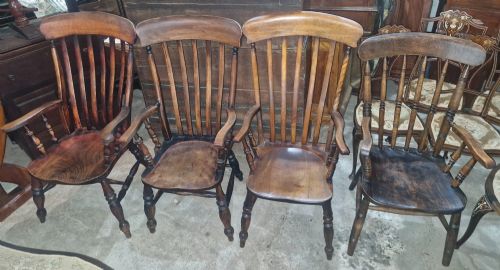
A rustic elm carver brings robust vernacular character to a room, offering a solid timber seat and welcoming arms formed by country makers.
Rustic Elm Carver
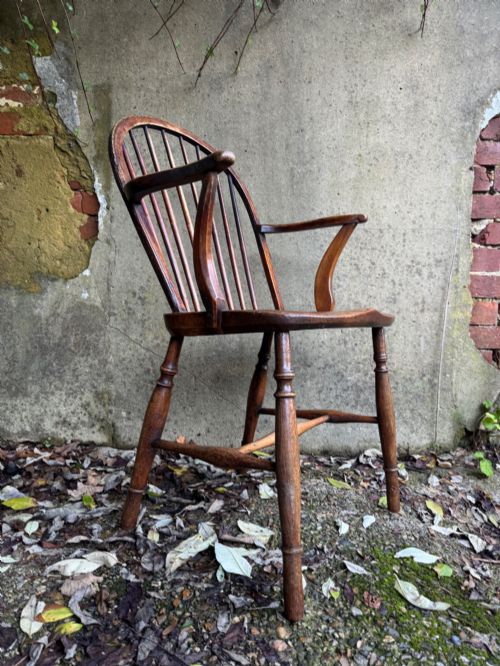
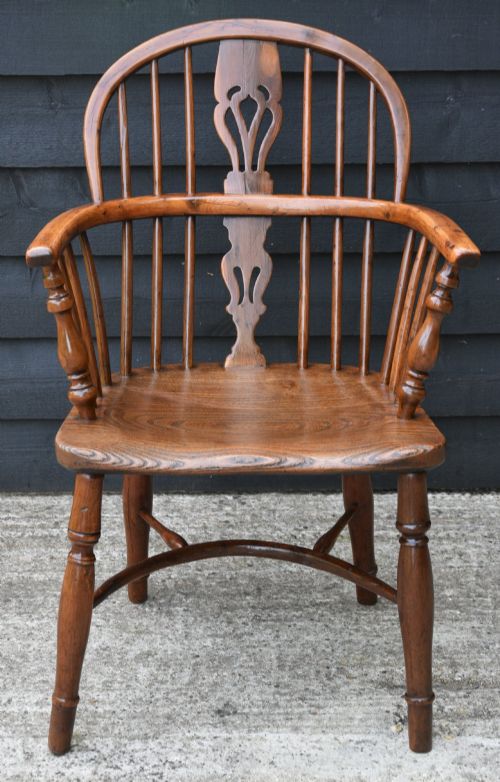
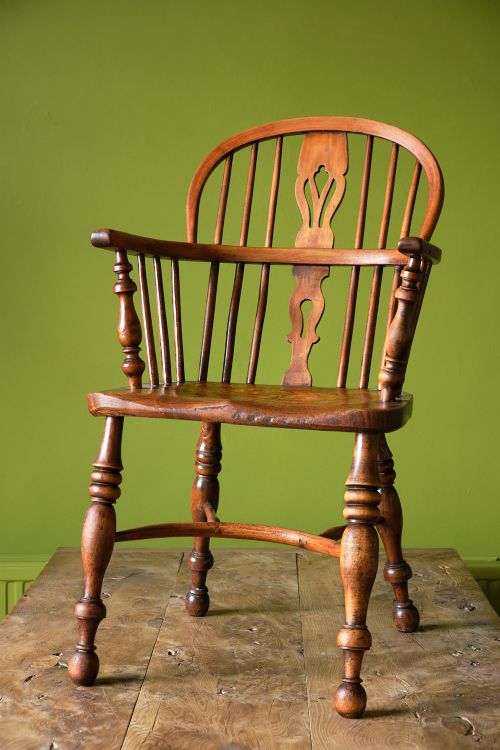
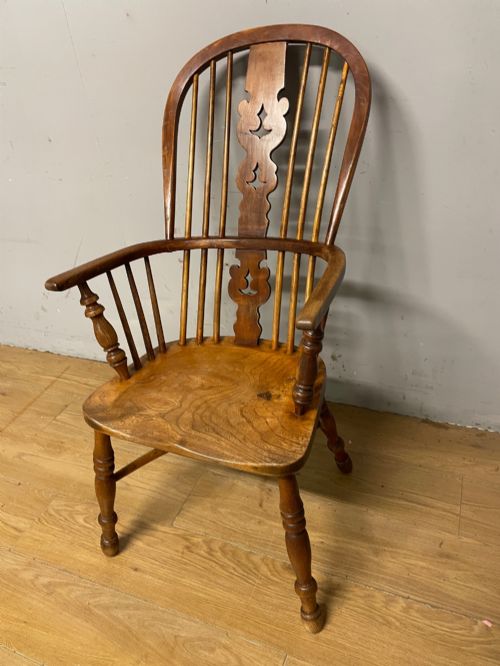
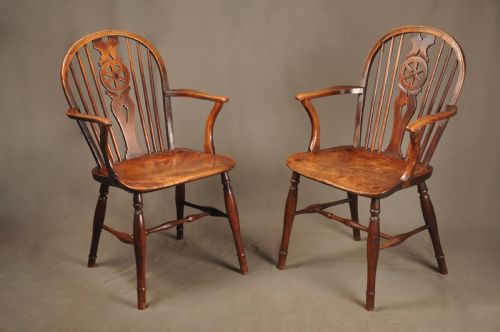
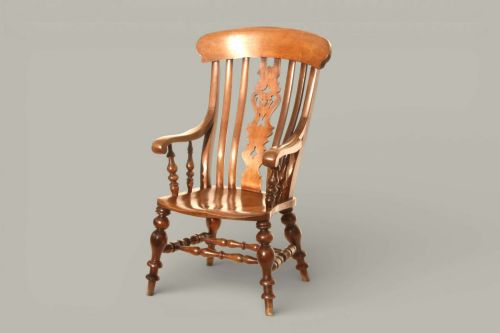
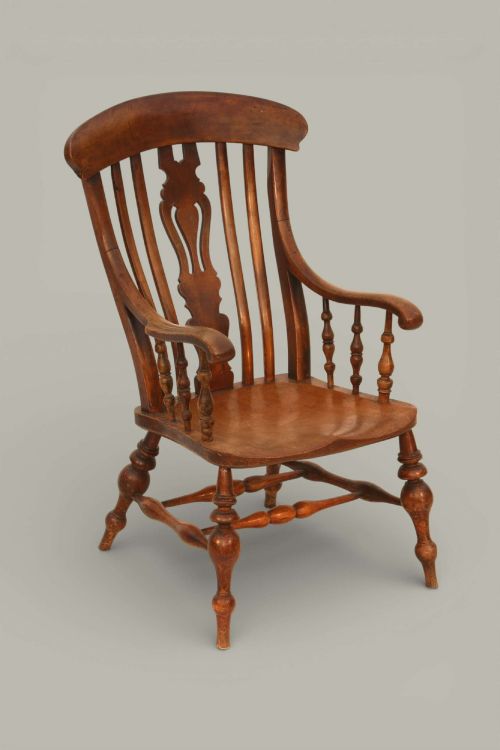
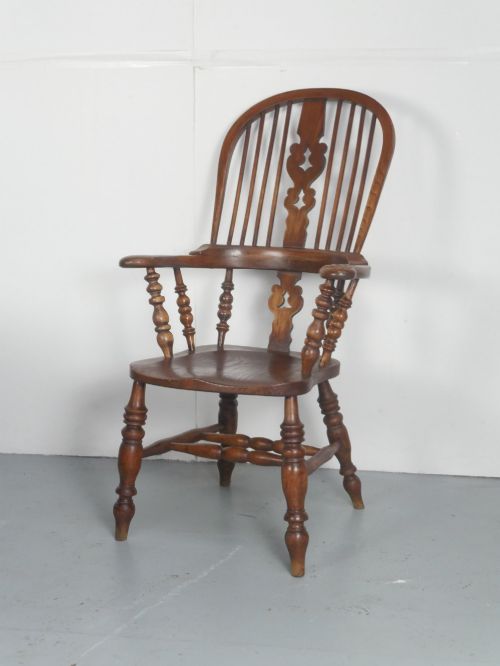
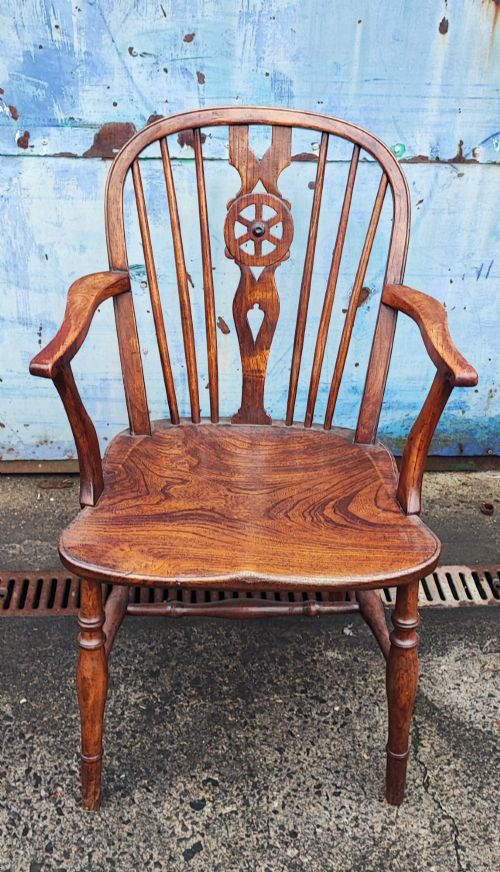
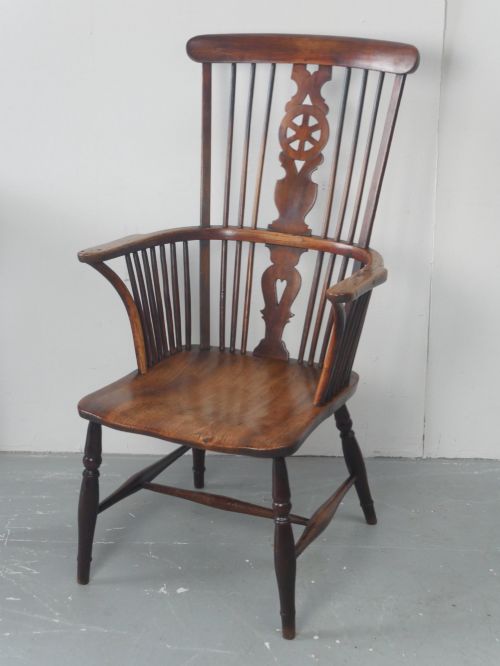
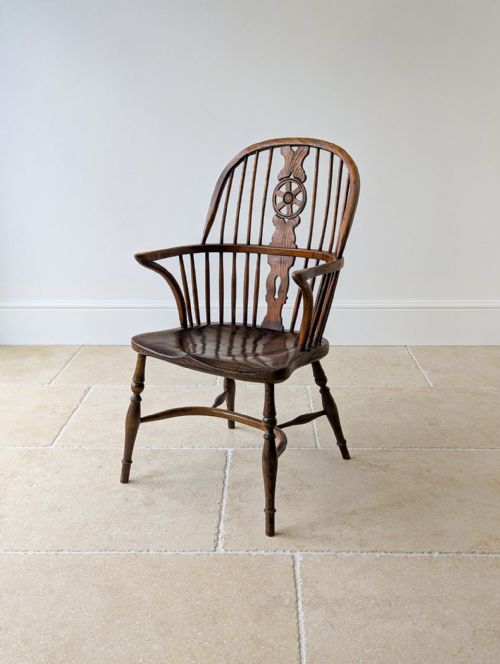
A rustic elm carver is a traditional country armchair featuring a durable timber seat paired with an open framework of spindles, laths, or wheelbacks. These sturdy seats served hardworking households in farmhouses, kitchens, and country houses across Britain.
The version most commonly met on this page combines a solid elm saddle seat with supporting woods like ash, beech, or fruitwood. Makers shaped these armchairs within regional vernacular traditions spanning the eighteenth and nineteenth centuries.
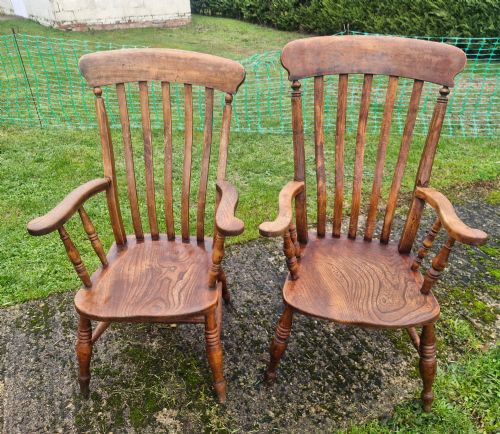
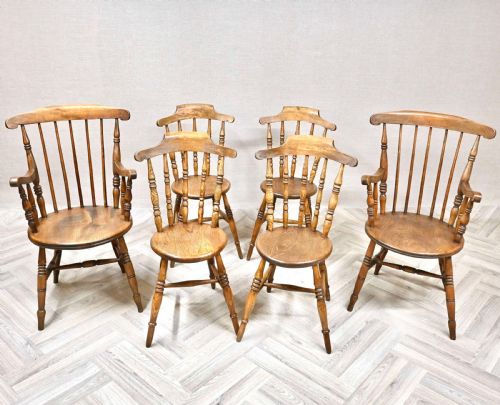
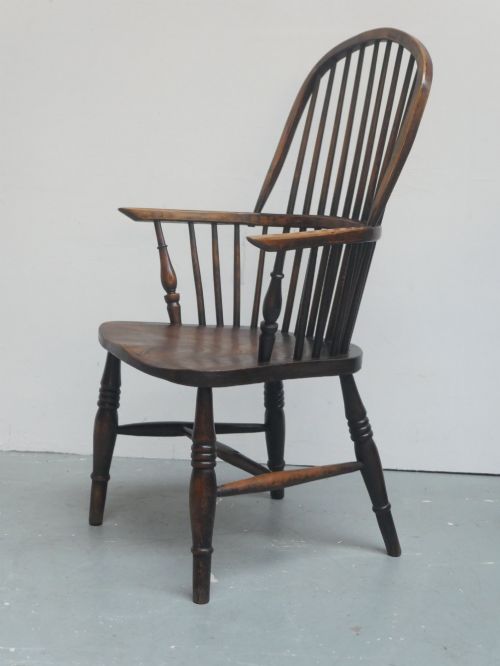
Examples range from low-back provincial carvers to high-back Windsor armchairs and ladderback dining chairs. Each piece reflects the practical needs of rural life through unpretentious construction and honest materials.
Materials and Construction
Elm was chosen for the seat because its interlocking grain resists splitting when bored and pegged. Country craftsmen paired this tough wood with ash or beech for the bent components, spindles, and legs.
Makers utilised steam-bending techniques to shape hoops and bows, securing the parts with wedged tenon joints. Rush or solid timber seats completed the construction, relying on simple hand tools rather than industrial machinery.
Rustic Elm Carver Retail Price Guide 2026
Typical asking prices for rustic elm carver among the pieces listed under this phrase on Sellingantiques today, from the lower quarter to the upper quarter. They describe what is for sale here now, not the wider market.
Materials recorded across the listings include elm, ash, beech, yew, oak, and fruitwood.
Assessing Quality and Character
Quality in a rustic elm carver lies in the balance of proportions and the thickness of the original elm seat. Superior examples retain deep saddle-moulding and retain their unthinned timber components without excessive past replacements.
The handling of the turning on spindles and legs separates utilitarian workshop output from finer country pieces. Better chairs show crisp detail in the arm supports and well-defined crinoline stretchers or wheelbacks.
The Rustic Elm Carver Glossary
- Carver chair
- An armchair designed for dining or parlour use, usually taller and wider than side chairs to accommodate the person presiding at a table.
- Windsor chair
- A chair built with a solid wooden seat into which the legs and back spindles are separately bored and wedged.
- Vernacular
- Objects made by local artisans following regional traditions rather than strict academic style guides.
- Rush seat
- A woven seating surface made from dried marsh plants twisted into cords and hand-plaited across a wooden frame.
- Wheelback
- A Windsor chair back incorporating a pierced central splat shaped like the spokes and rim of a wooden cartwheel.
Rustic Elm Carver: Frequently Asked Questions
What is a rustic elm carver?
A rustic elm carver is a traditional country armchair built with a solid wooden seat and supportive armrests. These chairs were made by regional carpenters for everyday domestic use.
They combine robust structural timbers like ash and beech with tough elm seats, resulting in enduring vernacular seating found in farmhouses and country houses.
How were these chairs used historically?
These armchairs served as principal seats at dining tables, firesides, and farmhouse kitchens. Their sturdy construction made them suitable for daily household tasks.
The comfortable curved backs and supportive arms also made them practical for relaxing or reading in domestic parlours.
How do I live with a country carver?
A country carver fits easily into modern or traditional interiors as an accent chair or desk seat. Its warm wooden tones complement various design schemes.
Position the chair away from direct heat sources and sudden temperature changes to protect the historic timber and prevent the wood from drying out.
How do I tell the periods apart?
Eighteenth-century examples often feature simpler, heavier construction with broader splats and deep patination. Nineteenth-century versions frequently introduce steam-bent hoops, spindle backs, and wheelback designs.
Regional traits also help date pieces, as Nottinghamshire, Yorkshire, and Lincolnshire workshops developed distinct turning patterns and back shapes over time.