



Rustic Elm Bench
A rustic elm bench brings tactile honesty and sturdy practicality to a room, drawing on centuries of vernacular woodworking traditions.
Rustic Elm Bench
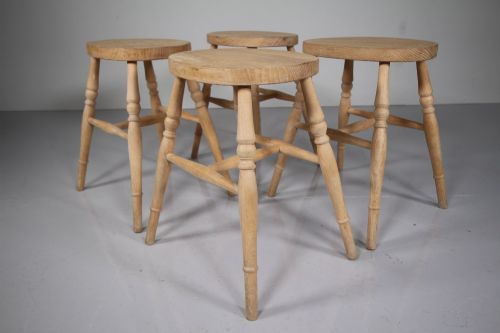
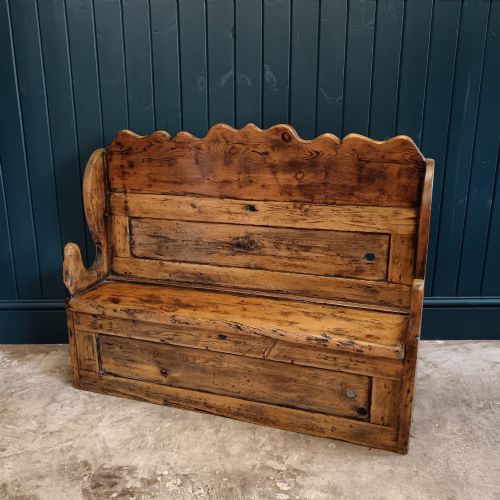
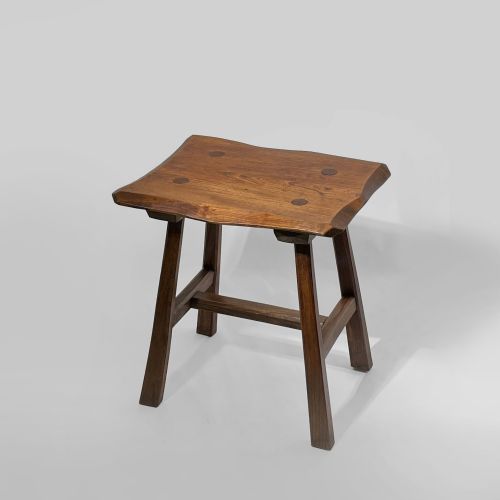
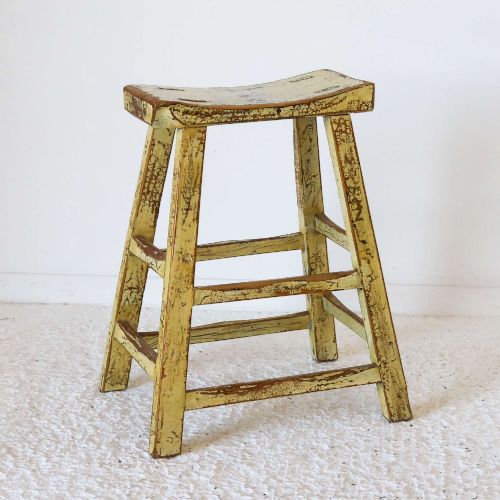
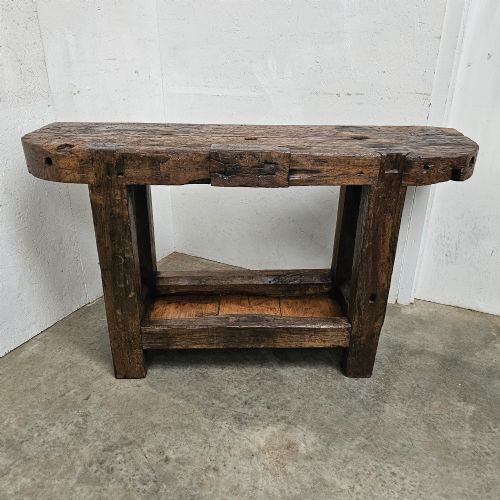
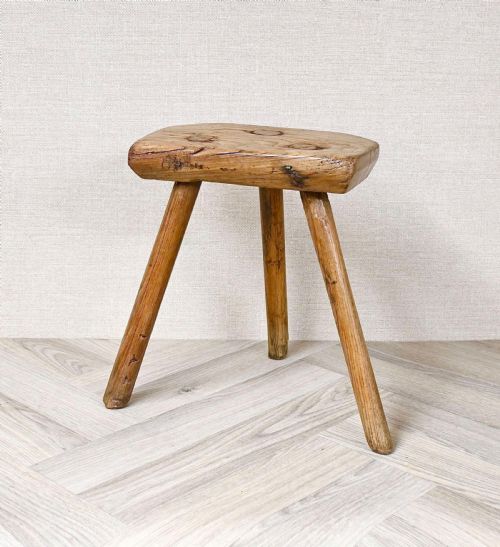
A rustic elm bench is a piece of utility furniture built for daily service in domestic, agricultural, or provincial settings. When searching for this phrase, a buyer encounters forms that range from long provincial seating and narrow hallway benches to low tables and pig benches.
The pieces seen on this page span several centuries, reaching back to the seventeenth century and moving through the eighteenth, nineteenth, and early twentieth centuries. English, French, and Chinese regional workshops each contributed distinct interpretations of this utilitarian form.
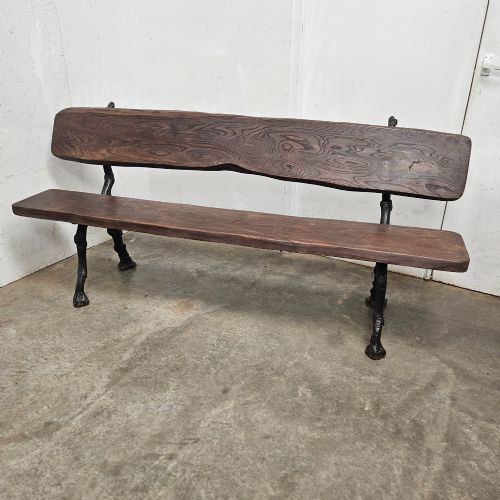
Most examples rely on solid native timbers, frequently pairing elm seats with pine, oak, or sycamore components, occasionally incorporating cast iron or lacquer finishes. The construction prioritises functional endurance over decorative excess, resulting in honest joinery and direct forms.
How they were made
Makers relied on solid elm for its interlocking grain and resistance to splitting, using it principally for seat boards and tabletops. This timber was often paired with supporting elements in pine, oak, sycamore, or ash, depending on regional availability and the intended load of the piece.
Construction techniques in these provincial workshops were straightforward and robust, utilising pegged joints, wedged tenons, and direct underframe attachment. Surfaces were left plain or scrubbed, though some examples received original lacquer or protective finishes appropriate to their origin.
Listings feature elm combined with sycamore, oak, pine, and cast iron across English, French, and Chinese regional origins.
What varies in quality
Quality in a rustic elm bench is determined by the integrity of the timber, the honesty of the construction, and the depth of surface wear accumulated over generations. Pieces with untouched patination and sound structural framing stand apart from those with excessive replacement components.
The proportions and balance of the form also dictate the tier of a piece, with well-balanced seating platforms and undisturbed original surfaces commanding greater appreciation. Regional quirks, such as pig benches or bacon settles, retain specific functional character that elevates their interest.
The Rustic Elm Bench Glossary
- Elm
- A durable hardwood characterised by an intertwined grain that makes it resistant to splitting, frequently selected for bench seats and table tops. Its dense cellular structure creates a distinctive surface texture over time.
- Settle
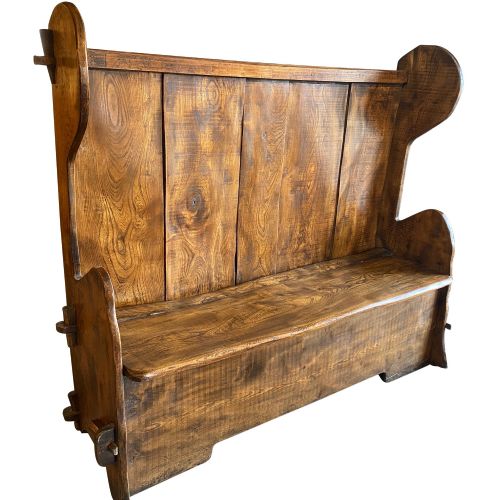
- A wooden bench featuring a high back, solid arms, and often an enclosed base used for storage or keeping draughts at bay. Seventeenth and nineteenth-century examples often served dual purposes in farmhouse kitchens.
- Pig bench
- A low, sturdy bench historically utilised in agricultural settings for butchery or farm tasks, now sought after for low seating or display. These pieces usually display heavy timber slabs and simple, functional legs.
- Trestle
- A structural support consisting of a horizontal beam fixed to two splayed legs, commonly found beneath long benches and tables. This method allows maximum legroom along the length of the seating.
- Vernacular
- Architecture and furniture built by local craftspeople using traditional methods and regional materials to meet practical daily needs. Such pieces lack high-style court ornament in favour of unpretentious utility.
Rustic Elm Bench: Frequently Asked Questions
Where should I place a rustic elm bench?
These benches suit narrow hallways, entryways, or dining spaces where their linear forms provide practical seating without dominating the room.
They also function effectively at the foot of a bed or alongside a living area wall for display purposes.
How do I care for a rustic elm bench?
Maintain the wood by dusting with a dry cloth and occasionally applying natural beeswax to nourish the dry timber.
Keep the piece away from direct heat sources and extreme humidity fluctuations to protect the antique grain.
Are these benches comfortable to sit on?
Most provincial benches were built for utility rather than cushioned lounging, featuring solid wooden seats shaped by decades of use.
Adding a simple textile pad or cushion can soften the perch for longer periods of seating.
How do I distinguish an older bench?
Look for hand-tooled surfaces, pegged joinery, and the natural wear patterns that indicate genuine age and long service.
Variations in the grain and patination on the elm boards typically point toward nineteenth-century or earlier origins.