




Rustic Dressing Table
A rustic dressing table brings honest timber and utility into a bedroom, offering a surface for preparation that carries the grain and marks of past daily use.
Rustic Dressing Table
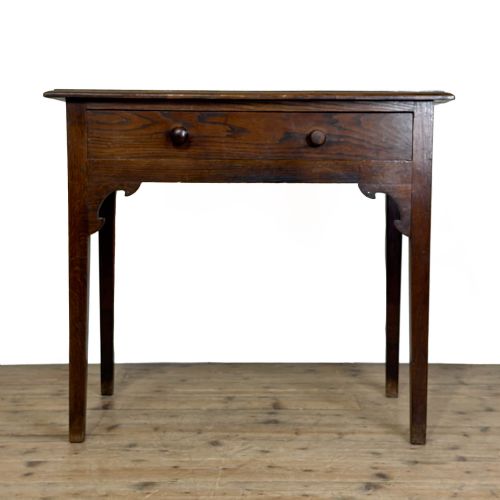
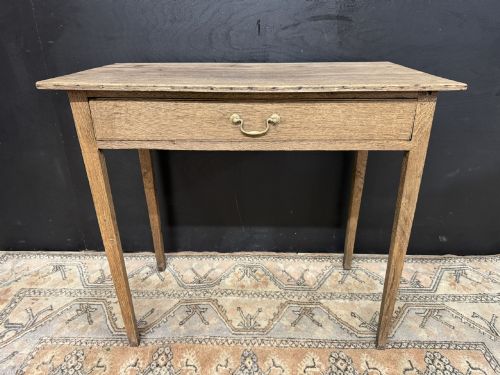
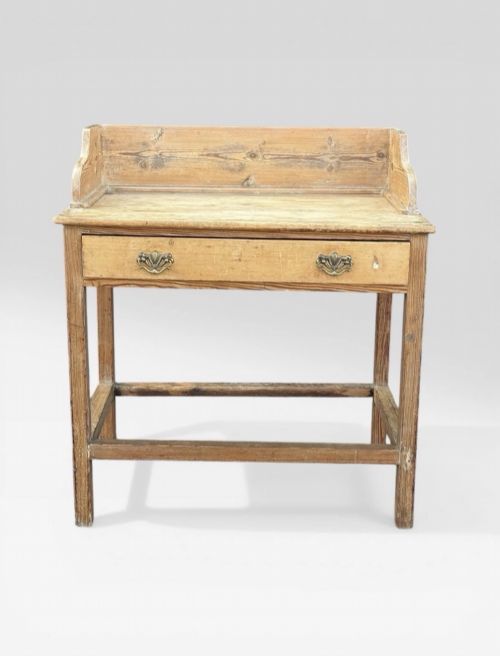
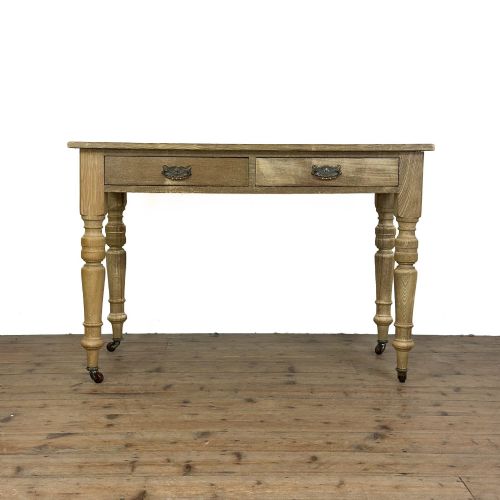
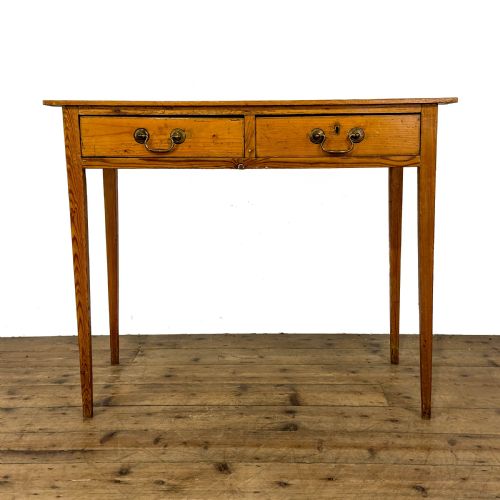
A rustic dressing table serves as a sturdy place for morning routines, though many examples double as writing desks, side tables, or washstands with simple rectangular tops and functional drawers. You will frequently encounter pine and oak versions on this page, spanning periods from the late seventeenth century through the Victorian era and into the early twentieth century.
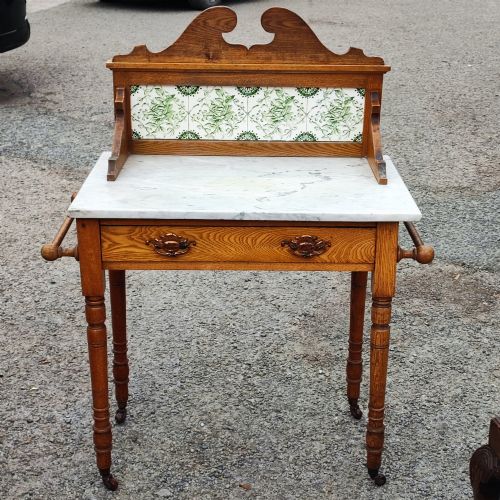
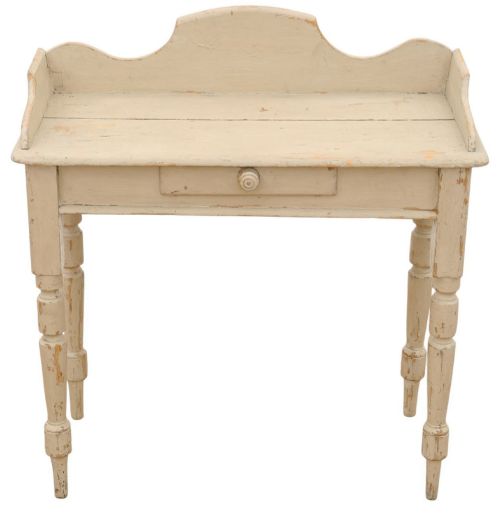
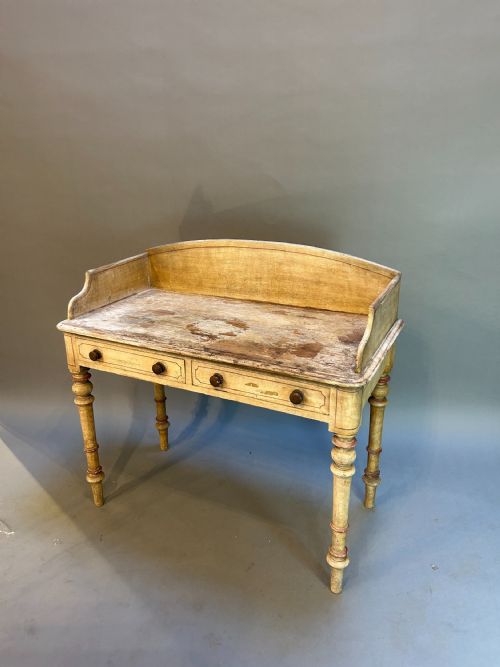
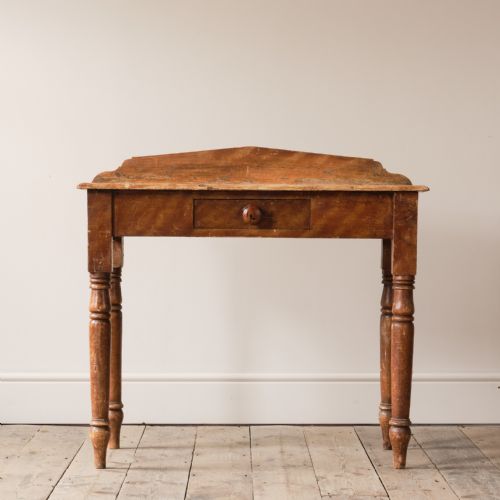
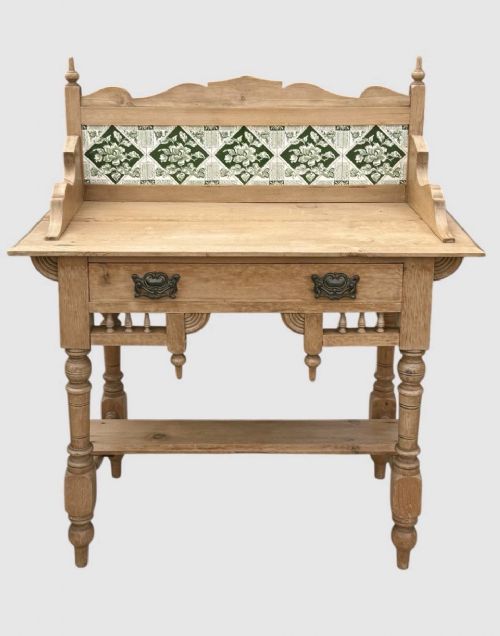
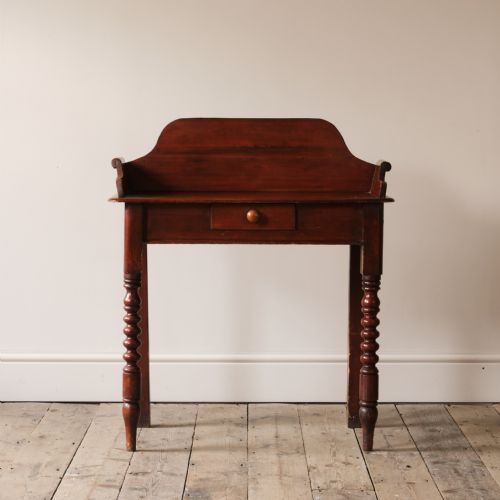
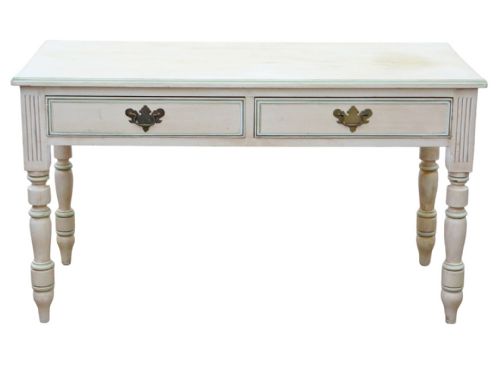
The forms range from stripped timber washstands with tile gallery backs to painted low boys and compact kneehole desks. These pieces originate from various regional traditions including English, Welsh, and French workshops, often reflecting provincial cabinet-making rather than metropolitan polish.
Makers often built these items to handle hard domestic labour rather than display in formal reception rooms. Consequently, the surface wear and straightforward construction define the character of a rustic dressing table just as much as its primary timber.
Materials and construction
Makers relied heavily on native timbers such as oak, pine, pitch pine, and ash, sometimes selecting cherry or elm for specific tops or structural elements. Surfaces frequently retain their original paint, layered washes, or stripped patinas that expose the natural grain beneath.
Joinery techniques focus on straightforward utility, employing pegged mortise and tenon joints on earlier oak examples and simpler nailed or dovetailed box construction on later pine pieces. Brass handles, glass mirrors, and iron fixtures appear as functional hardware rather than elaborate ornamentation.
Rustic Dressing Table Retail Price Guide 2026
Typical asking prices for rustic dressing table among the pieces listed under this phrase on Sellingantiques today, from the lower quarter to the upper quarter. They describe what is for sale here now, not the wider market.
Listings feature timbers including oak, pine, pitch pine, ash, cherry, and elm, spanning periods from the late seventeenth century to the 1920s.
What separates the grades
Quality rests upon the integrity of the timber and the preservation of original surfaces, such as early paintwork or untouched patination, rather than complex carving. Pieces constructed with heavier hardwoods like oak or fine-grained pitch pine generally demonstrate superior structural survival compared to lighter utility carcases.
Proportion and restrained detail separate standard functional washstands from finer provincial writing tables or low boys. The survival of original drawers, internal partitions, and undisturbed fixtures elevates a piece above those altered or heavily restored over subsequent centuries.
The Rustic Dressing Table Glossary
- Low boy
- A small English table with one or more tiers of drawers, commonly used as a dressing or writing surface during the eighteenth century.
- Washstand
- A piece of furniture designed to hold a basin and pitcher, frequently equipped with a tile gallery back or raised splash guard.
- Kneehole desk
- A compact writing table featuring a central recess for the user's legs, flanked by pedestals of small drawers.
- Pitch pine
- A durable, resinous softwood sourced mainly from North America and utilised extensively for robust nineteenth-century furniture.
- Patina
- The surface sheen and colour acquired by timber through age, handling, and exposure to light over many generations.
Rustic Dressing Table: Frequently Asked Questions
How do I use a rustic dressing table today?
These tables function well as compact writing desks, hallway consoles, or bedroom surfaces for holding mirrors and everyday items. Their shallow depth allows them to fit easily into smaller spaces without dominating a room.
Ensure you protect vulnerable timber surfaces from moisture if placing washstands or painted tables into active modern bathrooms or dressing areas.
How can I tell an eighteenth-century table from a Victorian one?
Earlier pieces from the seventeenth and eighteenth centuries typically employ oak with hand-cut joinery and pegged joints. Victorian examples more commonly feature pine, pitch pine, or applied paint finishes alongside machine-sawn elements.
Examine the drawer construction and tool marks underneath the top boards to read the manufacturing period accurately.
Should I strip painted furniture or keep the original finish?
Original paint or early surface treatments preserve the historical context and visual character of provincial furniture. Stripping the paint exposes the raw pine or hardwood beneath, which changes the aesthetic entirely.
Consider whether the existing paint is stable and authentic before undertaking any chemical removal or sanding.