
Rustic Country Cupboard
A rustic country cupboard brings honest utility and vernacular charm to a room, offering practical storage fashioned from enduring timbers like pine and oak.
Rustic Country Cupboard
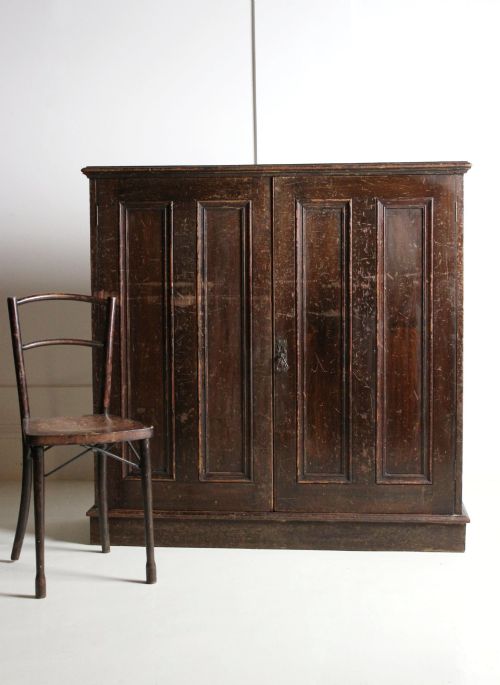
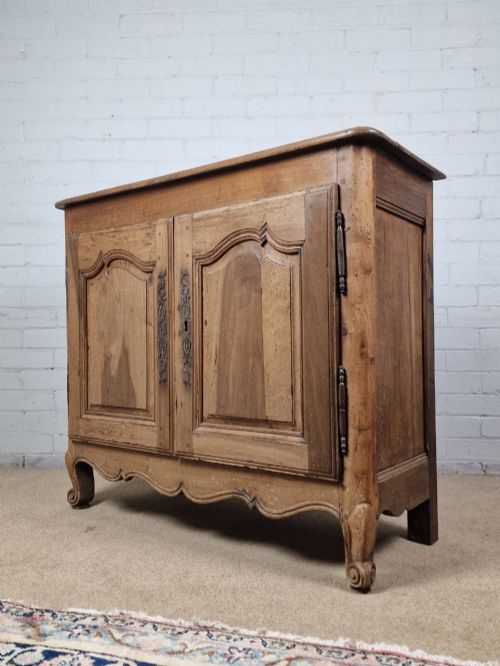
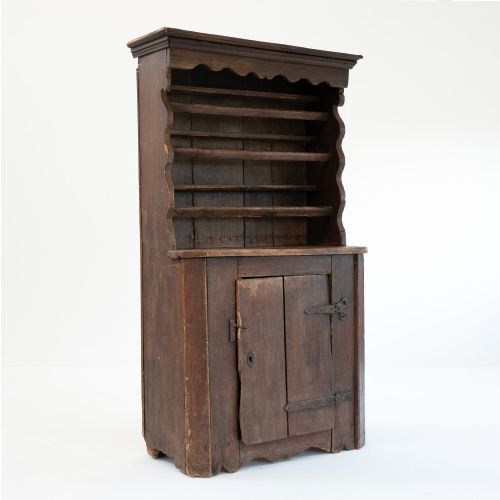
A rustic country cupboard embodies the practical storage requirements of historic homes, ranging from kitchen dressers and larder units to wall cabinets and large wardrobes. These pieces are encountered across various periods including the eighteenth, nineteenth, and early twentieth centuries, reflecting the domestic habits of rural households.
The material expression leans heavily towards utilitarian woods, predominantly pine and oak, alongside painted finishes and brass or iron hardware. Regional vernacular styles such as French Provincial, Welsh, and English Country dominate the forms available here.
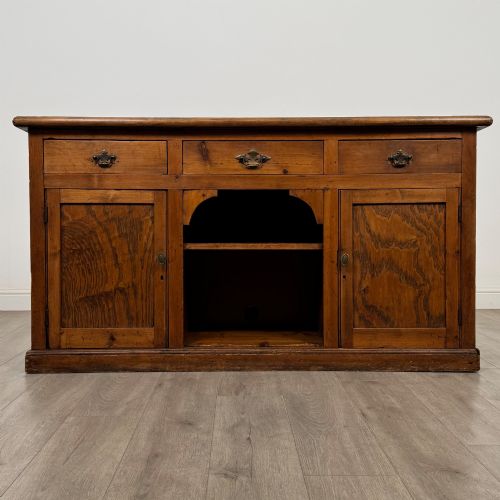
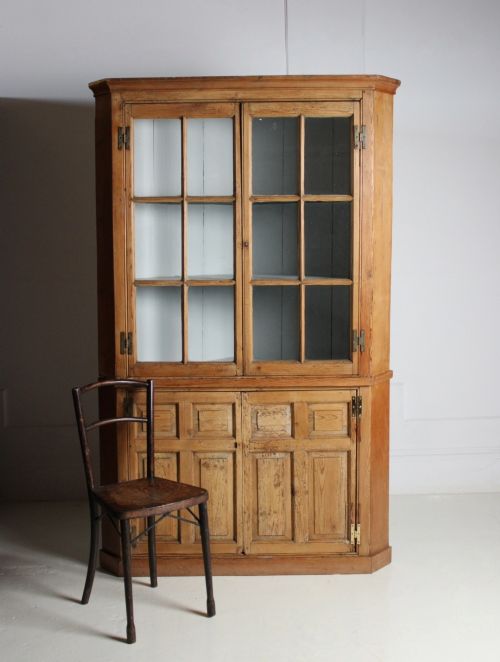
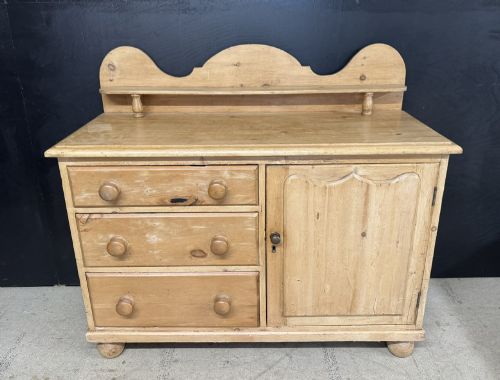
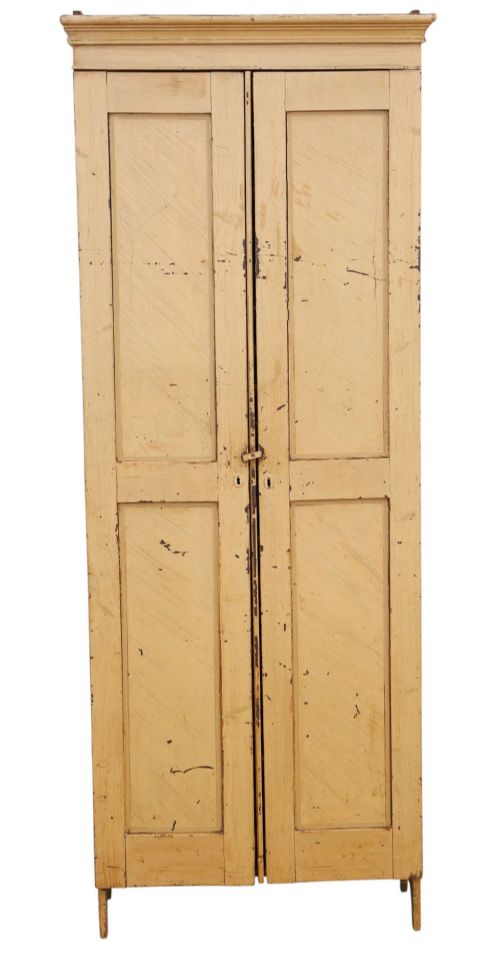
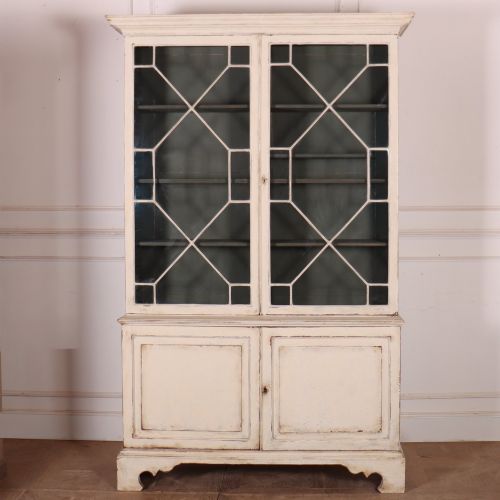
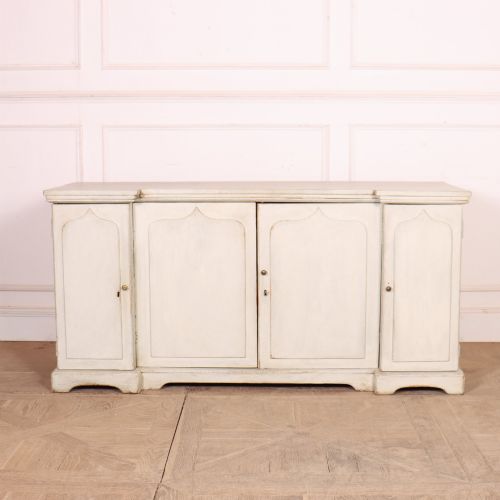
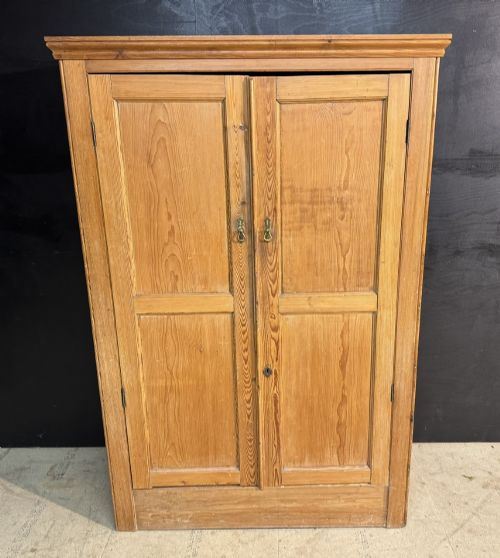
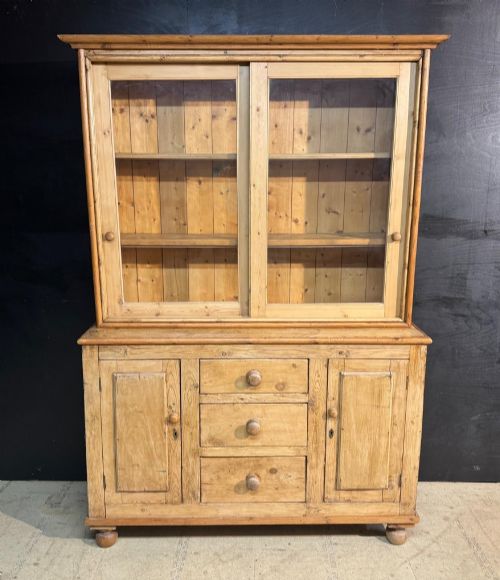
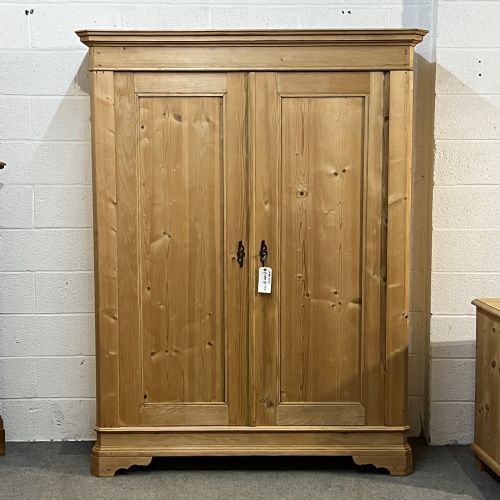
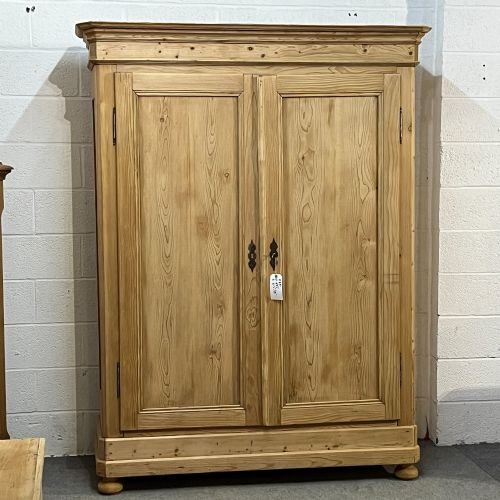
Buyers will frequently encounter tall kitchen housekeepers' cupboards, sideboards, and glazed bookcases alongside compact corner cabinets and bedside tables. Each format serves a distinct domestic purpose rooted in traditional rural life.
Materials and Construction Techniques
Construction relies primarily on solid pine and oak, frequently supplemented by elm, ash, and walnut. Timbers were selected for local availability and structural resilience, often finished with historic paint, wax, or left in their natural state.
Joinery techniques prioritize utility and strength, utilising traditional methods suited to workshop production rather than delicate cabinet-making. Hardware in brass and iron secures doors and drawers intended for heavy daily use.
Listings feature pieces spanning from the 17th century to the Edwardian period, constructed mainly in pine and oak with occasional elm and walnut.
Factors Determining Quality
Quality rests upon the integrity of the timber and the preservation of original surfaces, whether historic paint or honest wax patination. Pieces that retain their original proportions and structural hardware display greater authenticity.
Distinction is found in regional vernacular details and uncompromised joinery, distinguishing utilitarian workshop output from later adaptations. The handling of secondary woods and backboards also indicates the standard of original craftsmanship.
The Rustic Country Cupboard Glossary
- Vernacular
- Everyday architecture and furniture built by local craftsmen using regional traditions and materials. These pieces prioritize function over academic stylistic rules.
- Dresser Base
- The lower section of a kitchen dresser, typically featuring drawers and cupboards beneath a solid top surface. It served as a primary workspace and storage console in historic kitchens.
- Enfilade
- A long sideboard or buffet featuring a sequence of doors, common in continental European dining spaces. It provides extensive low storage.
- Linen Press
- A tall piece of furniture designed for storing textiles, often combining upper cupboard doors with lower drawers. Early examples utilise sturdy timbers like oak or pine.
- Breakfront
- A piece of furniture where the central section projects forward from the flanking wings. This architectural arrangement adds visual depth to large dressers and cabinets.
Rustic Country Cupboard: Frequently Asked Questions
How do I date an old pine cupboard?
Dating relies upon examining construction methods, tool marks, and hardware types used in the assembly. Earlier examples show hand-planed surfaces and forged iron fixings.
Changes in timber preparation and screw manufacturing help narrow down the period from the eighteenth century into the Edwardian era.
What is a housekeepers cupboard?
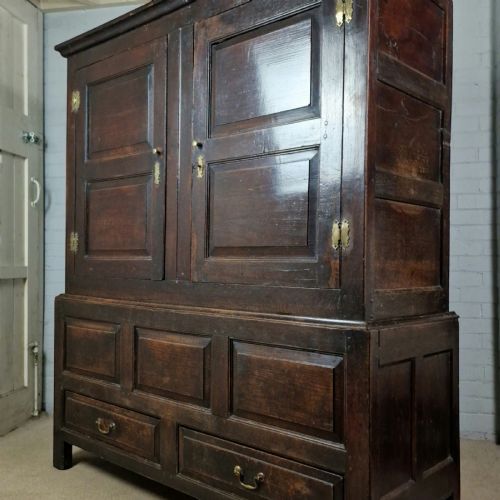
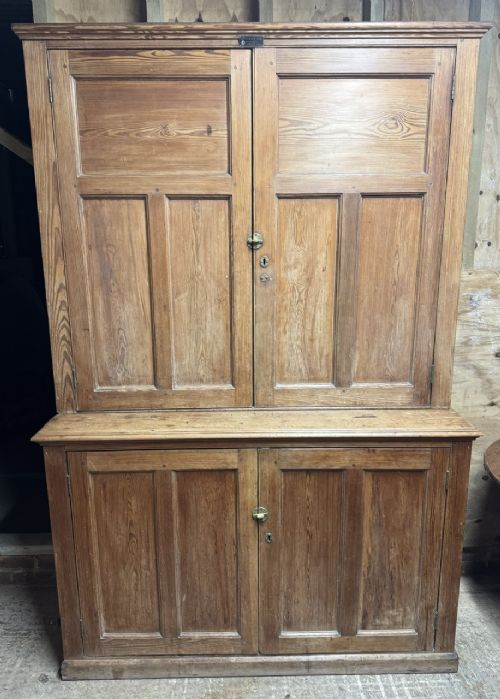
A housekeepers cupboard is a large storage unit historically used to store linens, dry goods, and domestic supplies. They typically feature multiple doors and internal shelving.
These tall pieces were essential fixtures in large rural homes and farmhouses.
Are painted finishes original on these cupboards?
Many cupboards retain historic painted surfaces applied decades or centuries ago, which contribute significantly to their character. Over time, paint layers develop a distinct patina through wear.
Distinguishing between original paint, later decorative layers, and modern applications requires close inspection of surface wear and underlying wood.
How do I maintain a waxed wooden cupboard?
Maintaining a waxed surface involves applying natural beeswax periodically to nourish the timber and protect against drying. Regular dusting with a soft cloth prevents grime accumulation.
Avoid placing wooden furniture near direct heat sources to prevent the timber from warping or splitting.