
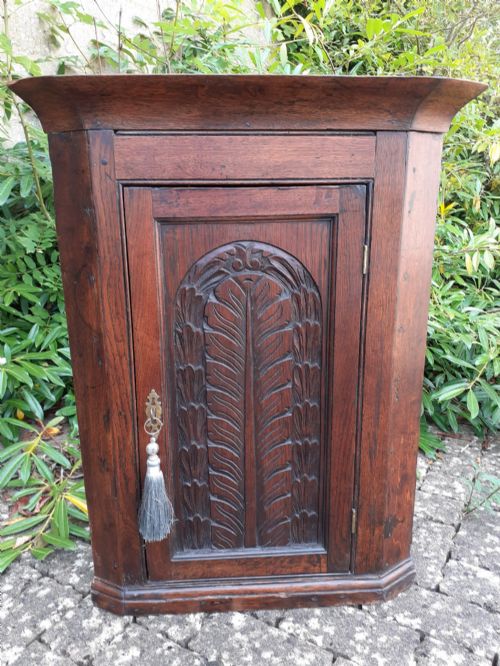
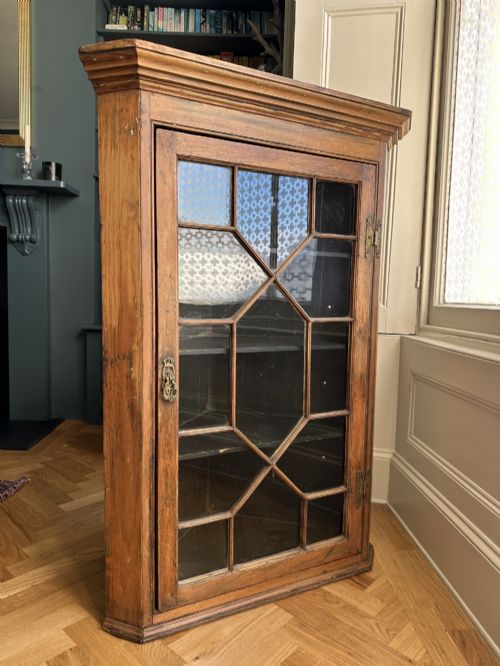
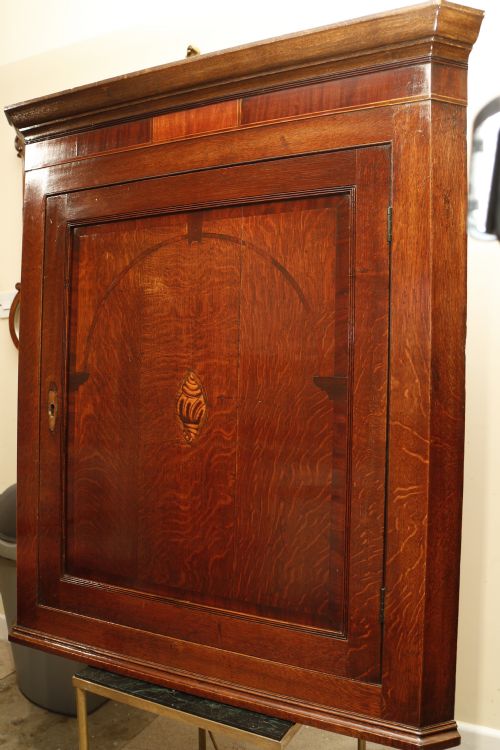


Rustic Country Corner Cupboard
A rustic country corner cupboard makes use of neglected angles, offering honest storage shaped by local hands across the eighteenth and nineteenth centuries.
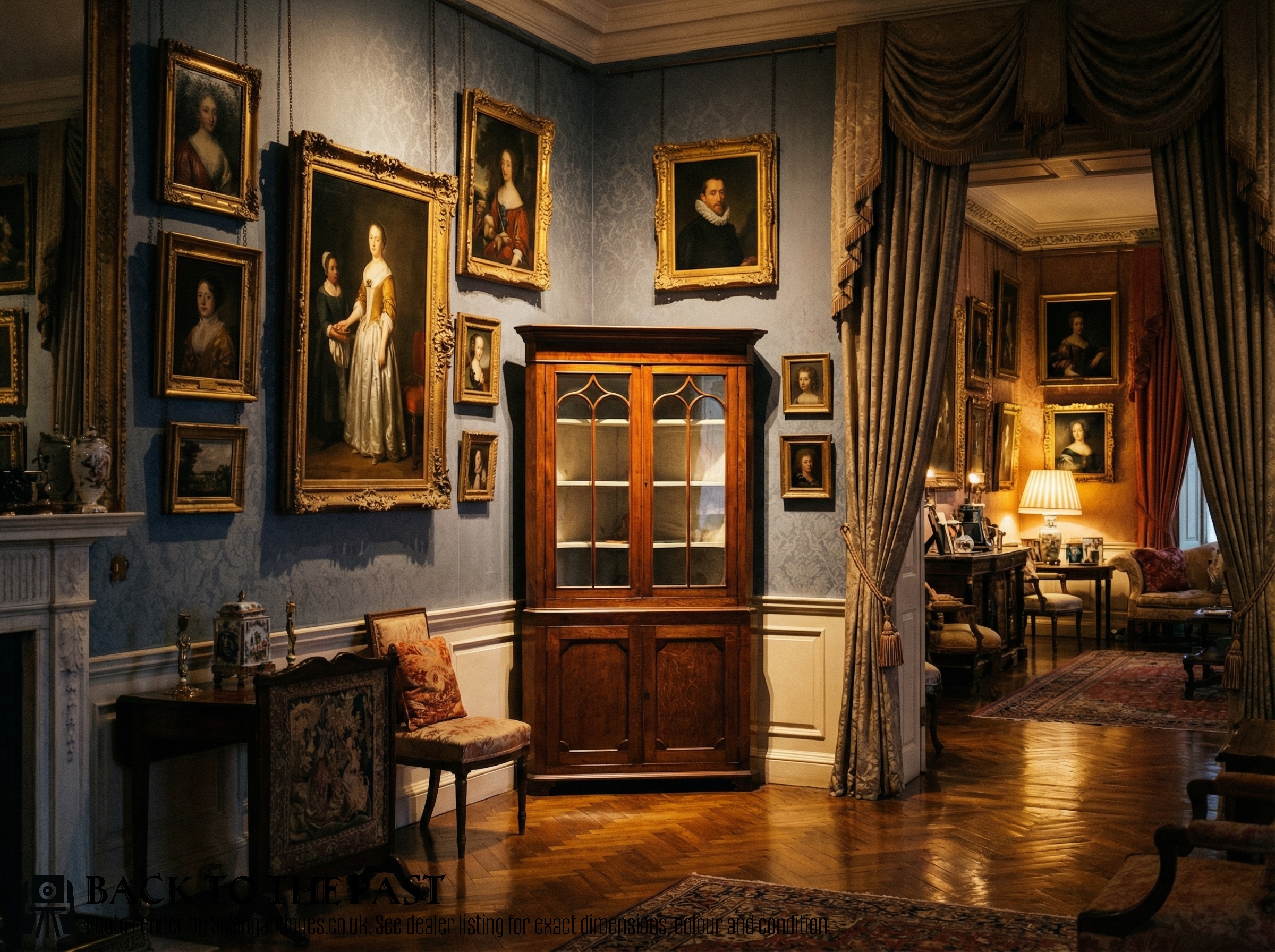
Rustic Country Corner Cupboard
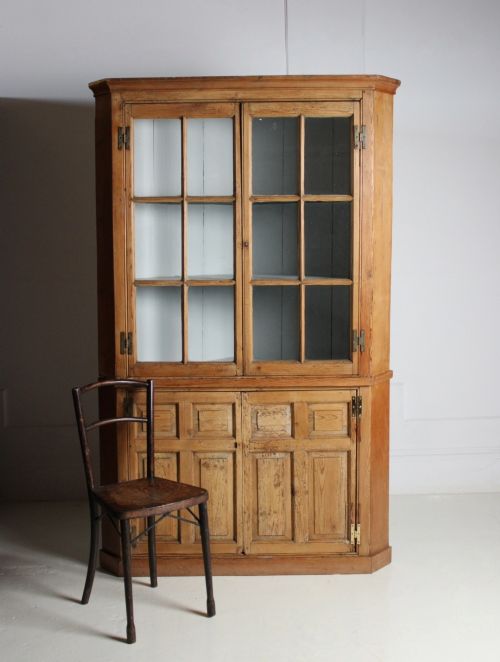
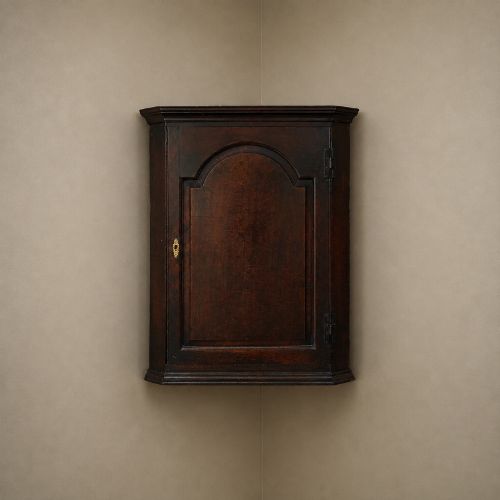
A rustic country corner cupboard serves to utilise dead space in domestic interiors, most often arriving as wall-hanging or floor-standing units built by regional makers. The pieces available here span the eighteenth and nineteenth centuries, featuring Georgian, Victorian, and vernacular Welsh or Scandinavian traditions.
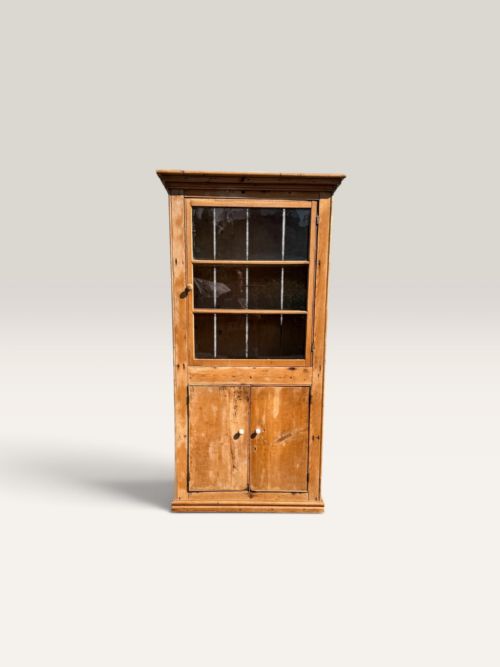
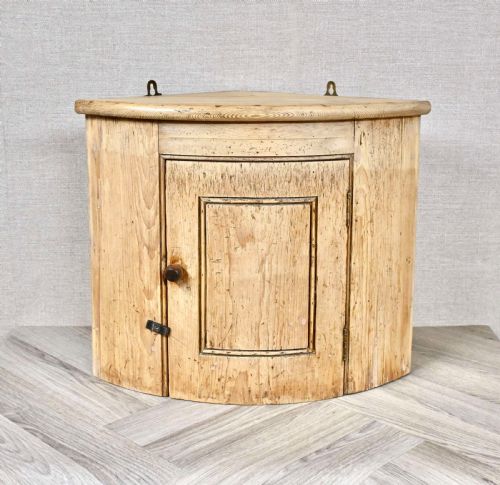
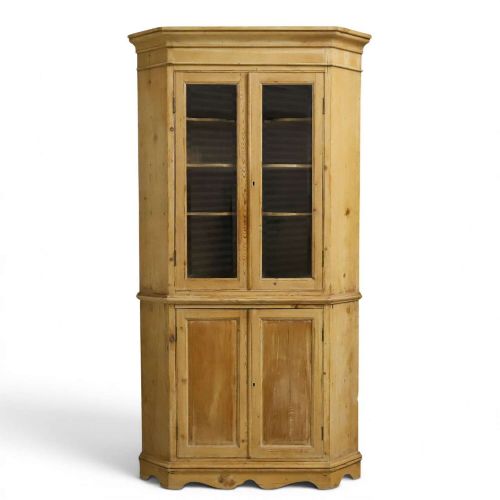
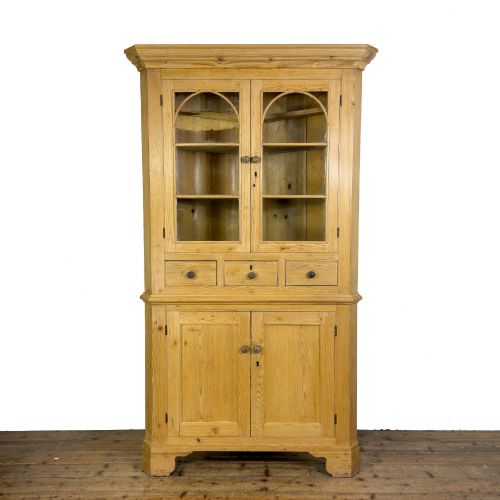
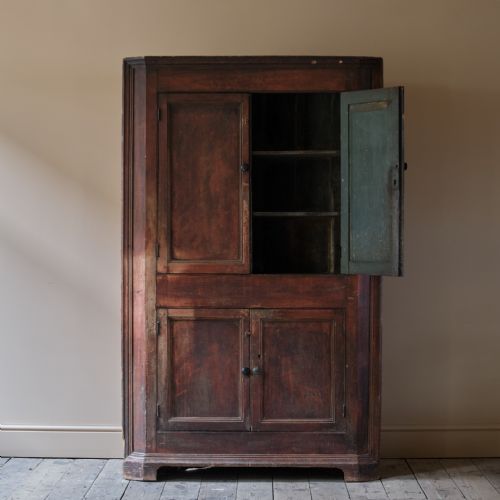
Most examples appear in oak or pine, taking forms that range from simple single-door wall cabinets to taller two-part standing cupboards. Regional variations show up in curved bow fronts and glass doors, alongside older painted surfaces and stripped finishes.
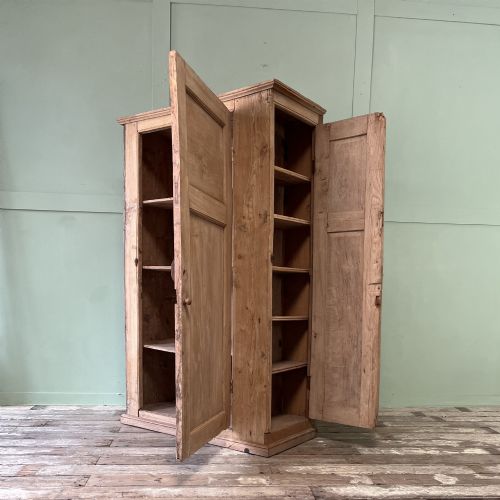
Buyers encounter hanging cupboards alongside floor-standing formats, often constructed to fit specific room angles in farmhouses and cottages. The structural design relies on sturdy corner posts and simple shelving to maximise awkward domestic footprints.
Materials and construction methods
Makers relied primarily on native timbers such as oak, pine, pitch pine, and fruitwood, often selecting boards for utility rather than elite decorative grain. Panels were joined using traditional methods to accommodate seasonal wood movement in draughty rural properties.
Iron and brass hardware, including hinges and escutcheons, secured the doors, while glass panes appeared in later or more refined glazed variants. Paint finishes, whether original or later applications, protected the wood and added colour to plain domestic spaces.
Listings feature oak and pine predominantly, spanning the eighteenth and nineteenth centuries alongside regional Scandinavian and Welsh vernacular pieces.
Assessing quality and character
Quality rests in the integrity of the timber selection and the retention of original surfaces, such as early paint layers or patinated oak. Superior pieces display thoughtful proportions and regional quirks, such as shaped interior shelves or pegged joints, that reveal the maker's hand.
The degree of alteration affects the standing of a piece, as stripped pine or later replacement hardware shifts the balance away from factory-original states. Simple utilitarian construction remains the core appeal, distinguishing honest regional workshop production from later reproductions.
The Rustic Country Corner Cupboard Glossary
- Bow front
- A convex curved cabinet front that softens the sharp angles of a room. This shape appears frequently in nineteenth-century pine and walnut variants.
- Hanging cabinet
- A wall-mounted storage unit designed to be fixed securely across a room junction. These pieces save floor space in smaller domestic interiors.
- Two-part form
- A cupboard constructed in separate upper and lower sections to ease transport and placement. Large standing examples often utilise this stacked method.
- Vernacular
- Objects built by local tradesmen using regional traditions rather than metropolitan pattern books. These pieces reflect the specific materials available in areas like Wales or Scandinavia.
- Pitch pine
- A durable, resinous softwood utilised extensively in nineteenth-century joinery. It yields a distinct grain pattern when finished or glazed.
Rustic Country Corner Cupboard: Frequently Asked Questions
How do I hang a wall cabinet?
Hanging corner cupboards require secure fixing to solid masonry or internal wall studs using heavy-duty brackets. The weight of the timber and stored contents demands reliable support.
Professional installation prevents the cabinet from pulling away from the corner angles over time.
Are these cupboards meant for corners?
These units are specifically engineered with right-angled backs to slot neatly into room corners. This design efficiently occupies space that standard rectangular furniture cannot reach.
Historically, they provided accessible storage in small kitchens, parlours, and hallways.
How do I clean antique pine?
Maintenance requires a soft, dry cloth to remove dust without disturbing the surface wax or dry timber. Harsh chemical cleaners strip the aged patina built up over centuries.
Occasional application of natural beeswax preserves the dryness and colour of stripped or painted pine.
What is the difference between standing and hanging?
Standing cupboards rest directly on the floor, often split into two stacked sections for large storage capacity. Hanging versions mount directly to the wall at eye level or above.
Floor-standing variants accommodate heavier loads and offer greater vertical presence in a room.