


Rustic Carved Wooden Statue
These rustic carved wooden statue pieces bring tactile folk tradition and animal sculpture into your home, spanning several centuries and international origins.
Rustic Carved Wooden Statue
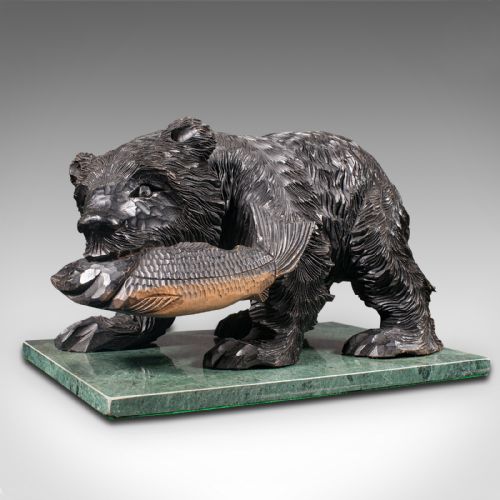
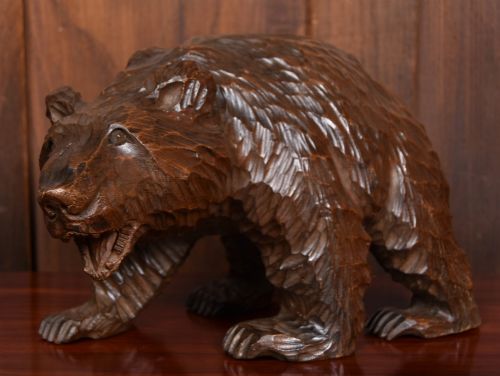
A rustic carved wooden statue covers hand-carved figures, animals and functional objects originating from folk art and regional traditions. The selections here include nineteenth-century European carvings, Japanese bears, American whirligigs and Black Forest linden wood animals.
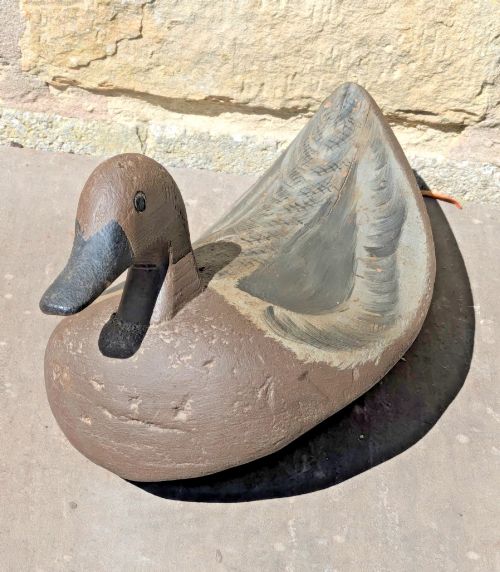
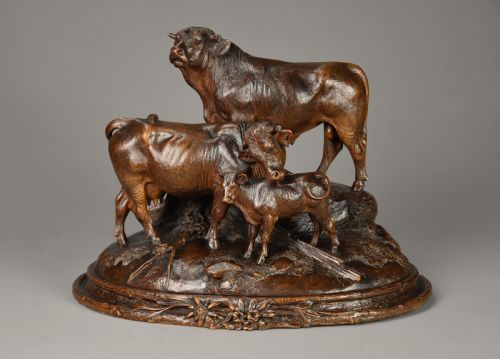
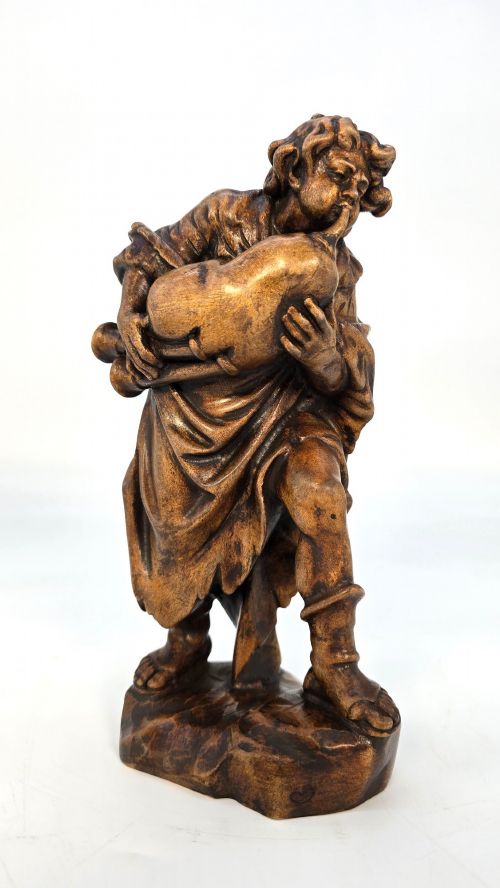
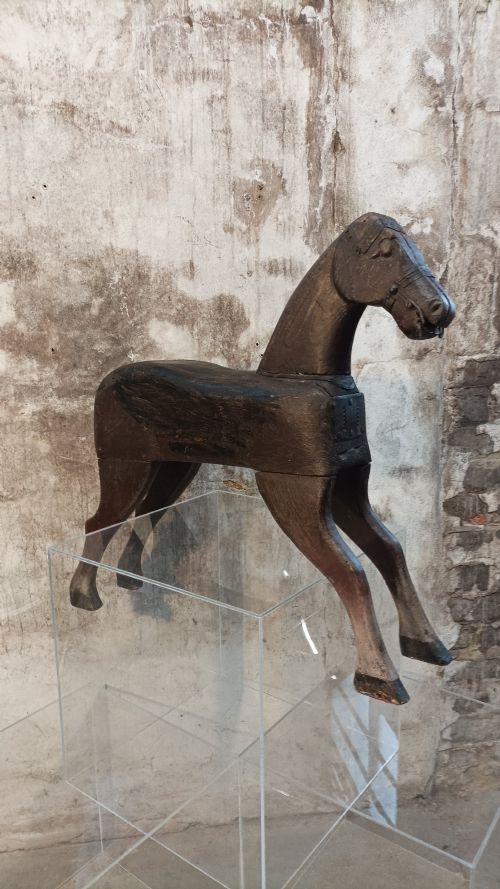
Buyers encounter distinct regional styles, from Swiss bagpipe players and linden wood cattle groups to painted decoy ducks and primitive horses. Many pieces reflect local vernacular aesthetics, utilising traditional hand-carving methods passed down through generations.
Forms range from standalone decorative sculptures and floor lamps to candlesticks and figural groups. The examples span the eighteenth, nineteenth and early twentieth centuries, anchored largely in nineteenth-century craftsmanship.
How They Were Made
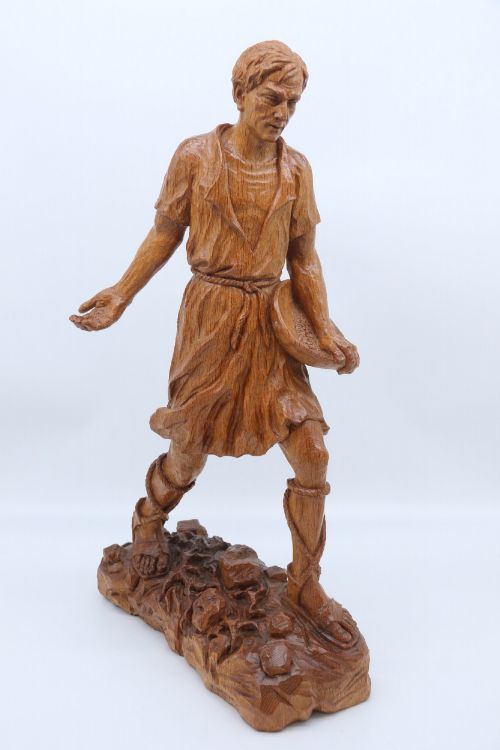
Carvers shaped these figures from timbers such as fruitwood, linden wood, limewood, pine, hardwood and oak. Artisans employed hand chisels and gouges to build texture, visible in tool marks and fur details.
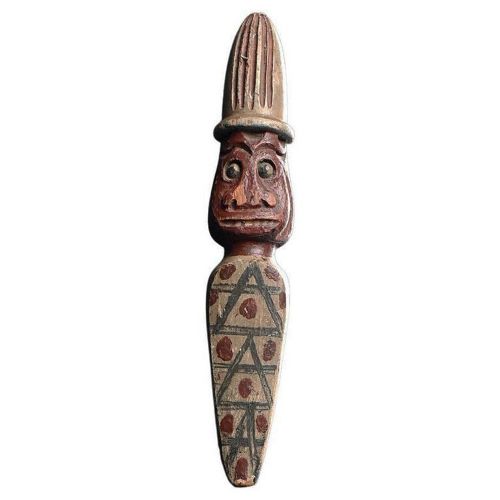
Surface finishes include original paint, dark wax, and natural grain polishing. Some Japanese items utilise specific regional carving techniques, while European figures often rely on layered pigments or plain waxed timber.
Listings feature wood, paint, hardwood, iron, fruitwood, linden wood and wax across the nineteenth and early twentieth centuries.
What Varies in Quality
Quality rests in the precision of the carving and the vitality of the subject, distinguishing stiff mechanical work from lively hand-shaped expression. Anatomy, posture and proportion dictate the strength of a figure.
The integrity of the surface finish matters greatly, with undisturbed original paint and honest patination holding more character than later interventions. Maker marks or stamps, when present, elevate historical interest.
J HUGGLER·Jules Buste Labatut
The Rustic Carved Wooden Statue Glossary
- Folk Art
- Artistic work created within a traditional culture by self-taught makers. It relies on community styles rather than formal academic training.
- Black Forest
- A style of wood carving originating in Switzerland and Germany during the nineteenth century. It is best known for realistic animal sculptures, particularly bears and cattle.
- Fruitwood
- Timber sourced from fruit-bearing trees such as pear, apple or cherry. It offers a dense, fine grain favoured for detailed sculptural work.
- Linden Wood
- A soft, pale timber widely used by European carvers. It takes fine chisel details cleanly without splitting easily.
- Whirligig
- A wind-powered folk art figure with moving parts. The wind turns blades or arms to create kinetic motion.
Rustic Carved Wooden Statue: Frequently Asked Questions
How do I date an old carved wooden statue?
Dating relies on tool marks, timber choice, regional style and surface wear. Eighteenth and nineteenth-century pieces often show hand-wrought tool ridges and period pigments.
Examine the base and underside for signs of age, such as dry shrinkage cracks and oxidised patination on the bare wood.
Where should I display a rustic carved wooden statue?
These pieces suit sideboards, bookshelves and mantelpieces where their texture and silhouette can stand out against plain walls. Larger figures function well as focal points on floor stands or tables.
Keep them away from direct heat sources and strong sunlight to prevent the timber from drying out or fading the original painted surfaces.
What is Black Forest carving?
Black Forest carving refers to nineteenth-century wooden sculptures, furniture and decorative objects from the mountainous regions of central Europe. They often depict bears, deer and cattle rendered with lifelike detail.
These pieces were popular souvenirs for nineteenth-century travellers touring the region and remain sought after by collectors today.
How do I clean a carved wooden statue?
Dust the carving gently with a soft, dry brush to remove particles from deep crevices. Avoid using water, damp cloths or modern chemical polishes on antique wood.
If the surface appears dry, apply a minimal amount of traditional beeswax using a soft cloth, buffing it gently once absorbed.