

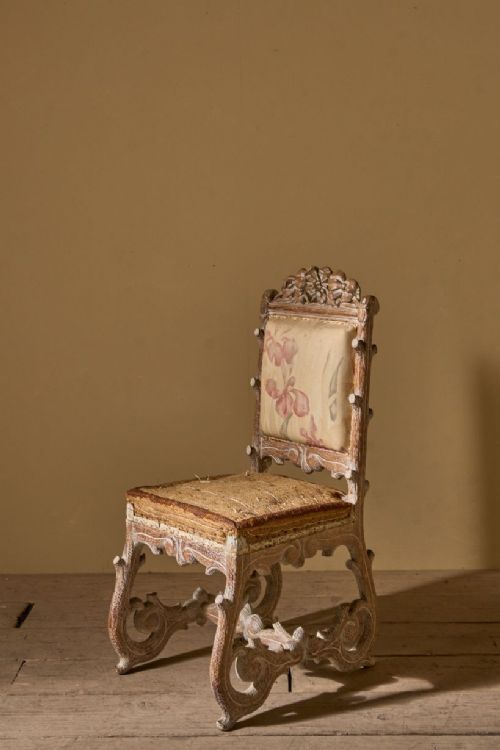
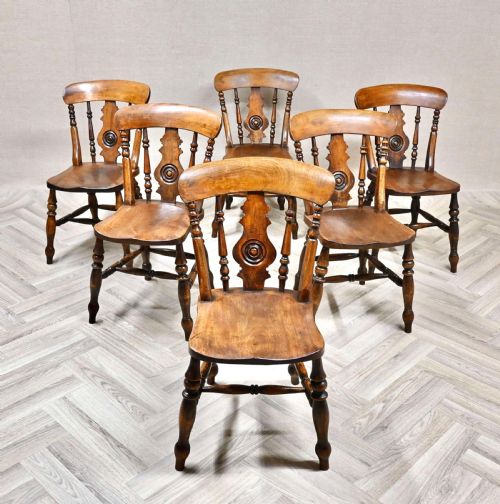
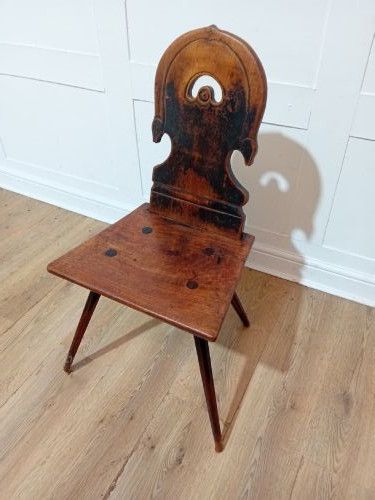
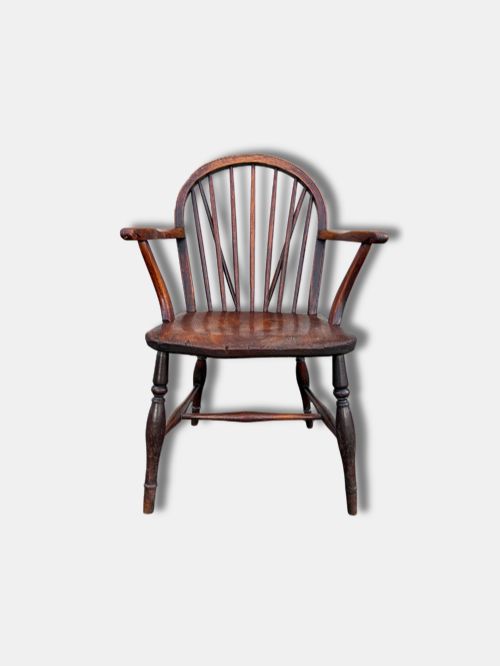
Rustic Carved Wooden Chairs
These rustic carved wooden chairs are honest vernacular seats shaped by country makers using local woods to last generations.
Rustic Carved Wooden Chairs
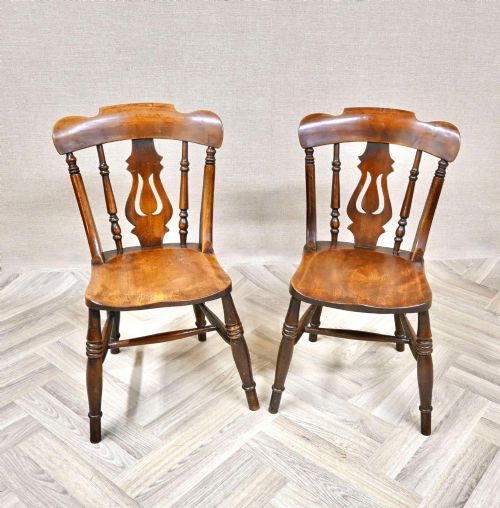
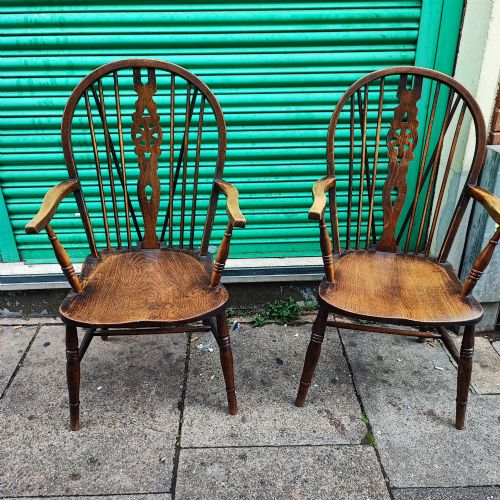
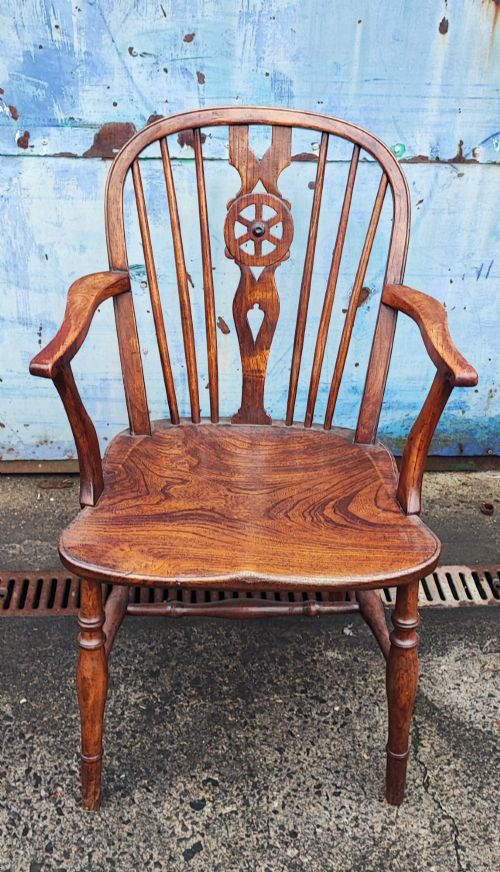
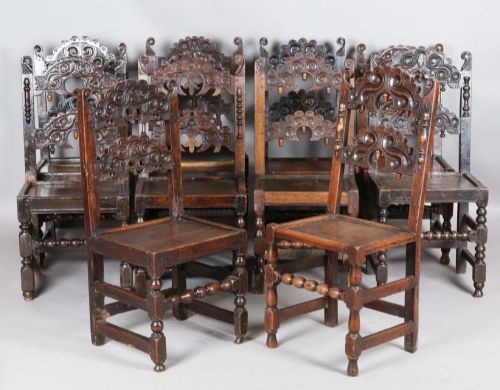
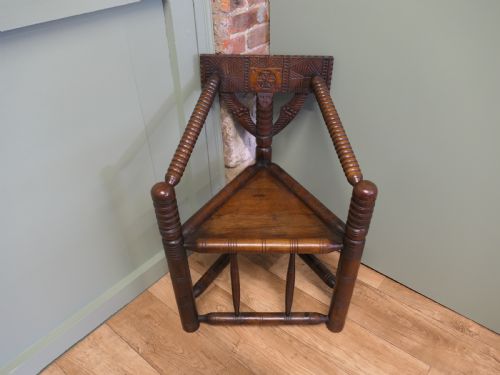
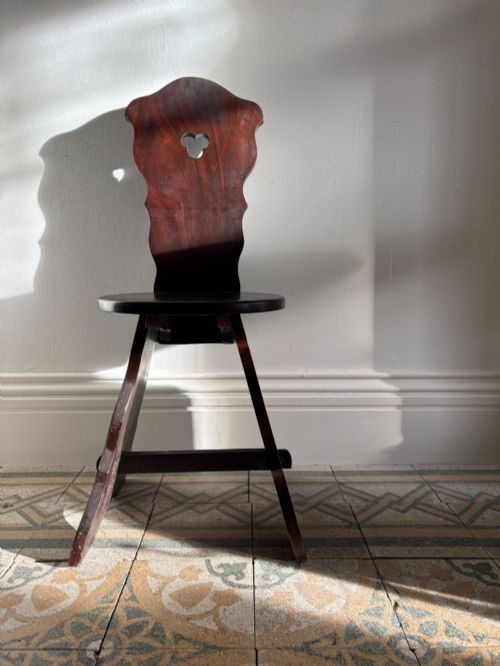
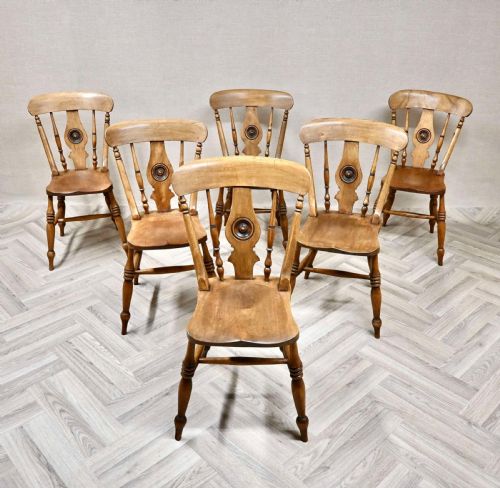
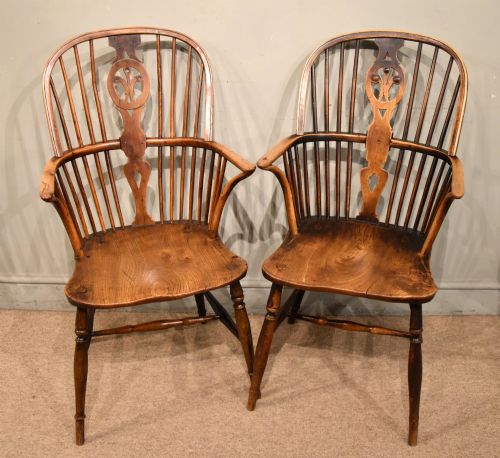
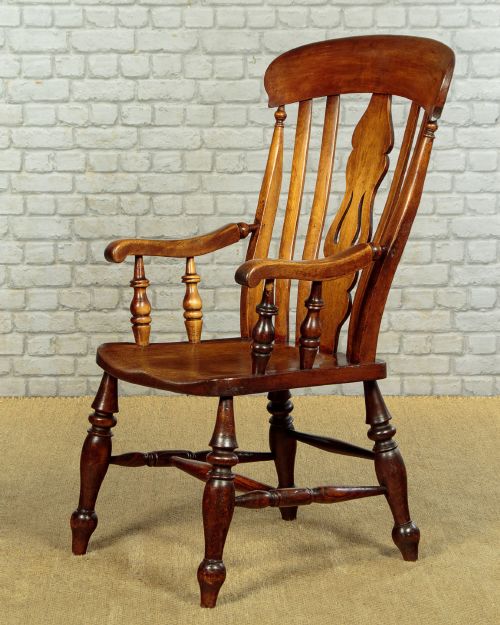
When you search for rustic carved wooden chairs, you encounter utilitarian country seating produced across British, European, and regional workshops. These pieces range from simple kitchen side chairs to substantial panel-backed armchairs and windsor forms.
How they were made
Country makers relied primarily on native timbers such as oak, elm, ash, beech, and yew, often combining multiple woods within a single frame for structural strength. Seats were frequently carved from a single solid block of elm, while spindles and legs were turned on lathes or cleaved from green timber.
Construction techniques prioritised durability over refinement, utilising pegged mortise and tenon joints, wedged legs, and steam-bent hoops. Surface decoration remained minimal, relying on simple chip carving, comb painting, or the natural grain of the hardwood.
Rustic Carved Wooden Chairs Retail Price Guide 2026
Typical asking prices for rustic carved wooden chairs among the pieces listed under this phrase on Sellingantiques today, from the lower quarter to the upper quarter. They describe what is for sale here now, not the wider market.
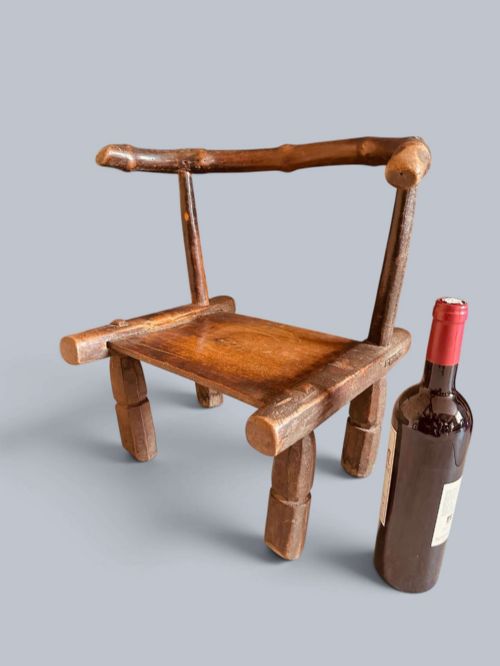
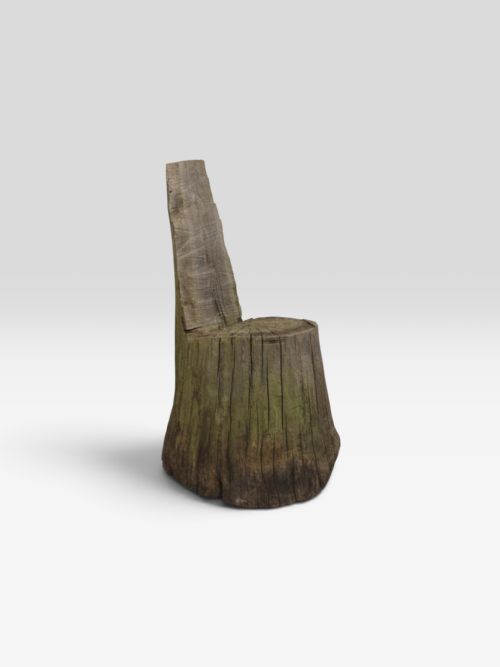
A dug out chair proves that some historic makers looked at a single fallen log and simply decided to sit in it.
What varies in quality
Quality in these vernacular seats rests upon the integrity of the original construction and the sculptural grace of the timber. A superior example retains its primary surface patina, uncompromised joints, and balanced proportions without excessive modern rebuilding.
Regional rarity and the complexity of the timber combination also dictate distinction, particularly when makers utilised contrasting woods like yew and laburnum. The depth of the carved detail and the comfort engineered into the solid wood seat separate standard kitchen seating from exceptional folk art.
The Rustic Carved Wooden Chairs Glossary
- Windsor chair
- A chair built with a heavy solid wooden seat into which the legs and back spindles are directly inserted. This design creates a sturdy and practical form common in country kitchens.
- Lambing chair
- An enclosed high-backed armchair designed to shield the sitter from draughts in farmhouse interiors. These pieces often incorporate a storage compartment beneath the seat.
- Vernacular
- Everyday utilitarian objects designed by local artisans using regional traditions and materials rather than academic architectural styles. These items reflect the practical needs of rural communities.
- Spindle back
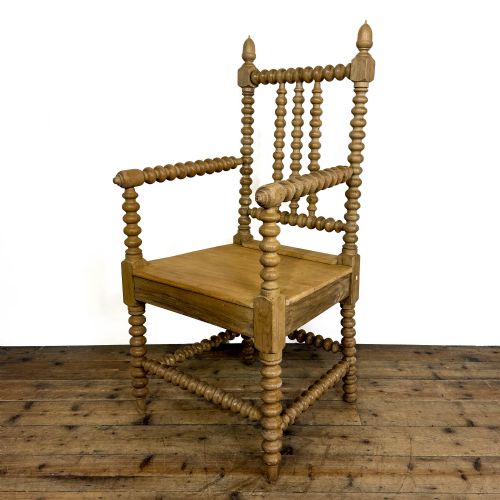
- A chair back constructed from a series of turned wooden uprights fitted between a top rail and the seat. This method offers lightweight strength and structural support.
- Patina
- The surface sheen and colour developed over decades through handling, waxing, and ageing. A desirable finish shows the honest history of use.
Rustic Carved Wooden Chairs: Frequently Asked Questions
What is a Windsor chair?
A Windsor chair is a form where the legs and back are tenoned directly into a thick wooden seat. They rely on stick-furniture construction principles.
These chairs became staples in farmhouses and cottages due to their robust design and simple comfort.
How do I care for antique wooden chairs?
Keep wooden chairs away from direct heat sources and sudden temperature changes to prevent the timber from splitting. Feed the dry wood occasionally with a traditional wax.
Avoid modern silicone polishes which can damage the historic surface sheen over time.
Where were these chairs made?
These pieces originate from rural workshops across Britain, Scandinavia, and Alpine Europe. Local makers utilised whatever native hardwoods grew abundantly nearby.
Regional variations in turning and joinery often indicate the specific valley or county of origin.
Are these chairs comfortable for daily use?
Many country armchairs and Windsor designs offer surprising ergonomic comfort through their deeply dished wooden seats and supportive high backs. Seat heights and depths vary considerably compared to modern upholstery.
Adding a simple loose cushion can make older wooden seats suitable for extended sitting.
How do I date a rustic chair?
Dating relies on examining tool marks, timber shrinkage, construction methods, and wear patterns around the foot rails. Hand-adzed seats and early forms of joinery point towards the eighteenth century.
Later nineteenth-century examples often display machine-turned components and standardised factory production techniques.